The Imperial Origins of Peking Rugs
Peking rug production flourished in Beijing during the mid-19th century under emperors Ch'ien Lung, Chia Ch'ing, and Tao Kuang. These imperial workshops established the capital as China's premier carpet weaving center, creating rugs that would eventually captivate Western markets. The production moved from traditional centers like Ningxia to Beijing after World War I, enabling larger rug sizes to meet growing demand from American and European markets.
The transition to Beijing marked a significant evolution in Chinese carpet making. Turkish knots were frequently used for borders while Persian knots formed the field, creating a unique hybrid technique. This combination of Eastern influences resulted in carpets that maintained traditional Chinese aesthetics while incorporating technical innovations that enhanced durability.
Distinctive Design Elements and Motifs
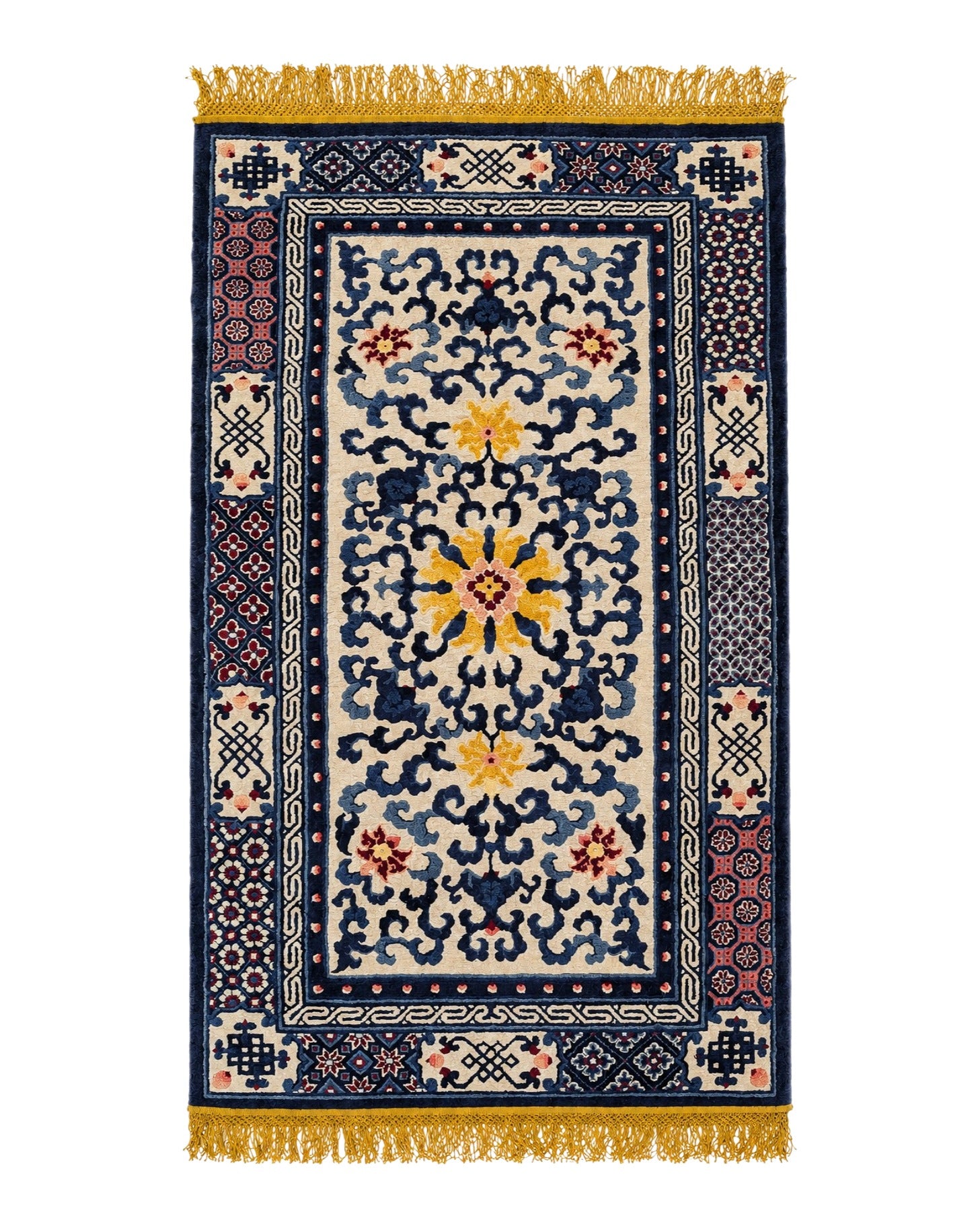
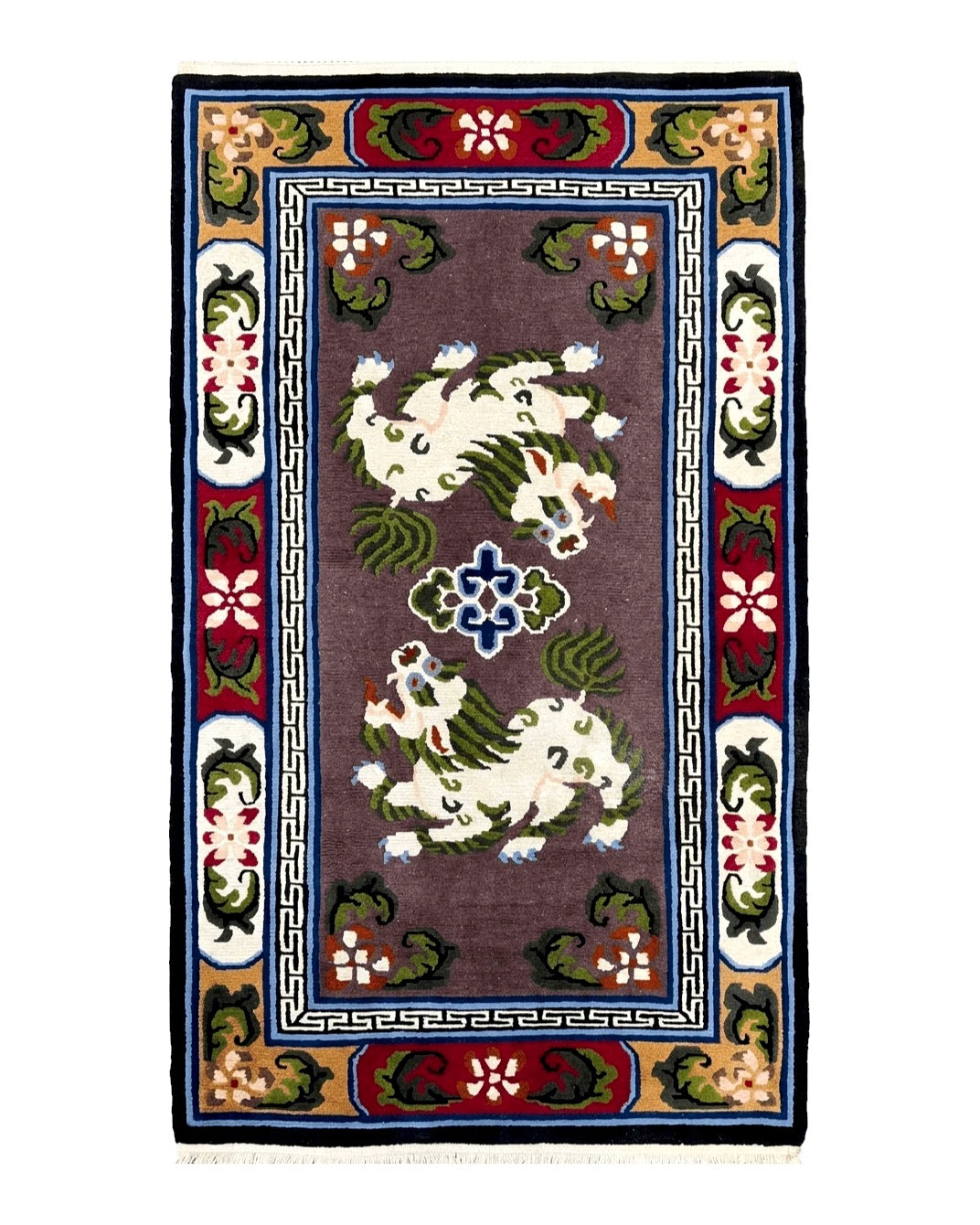
Peking rugs are renowned for their meaningful symbolism woven into every design. These carpets feature intricate Asian motifs incorporating Chinese designs, Buddhist symbols, and natural elements such as flowers and butterflies, often depicting dragons, phoenix birds, and well-drawn scenes. The dragon, perhaps the most iconic motif, represents power, wisdom, and good fortune in Chinese culture.
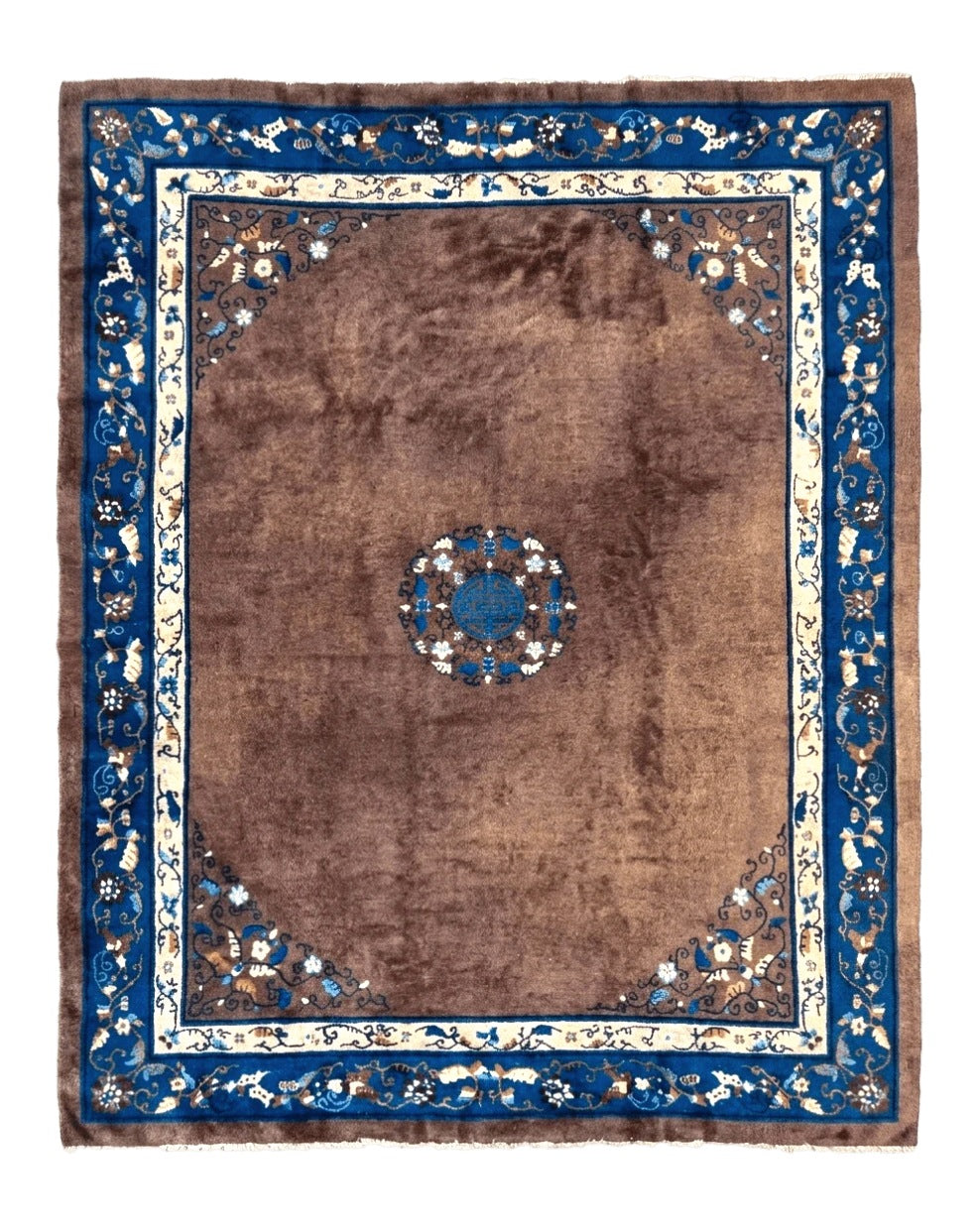
Traditional designs showcase motifs such as the circular geometric Shou symbol (meaning longevity), dragons, lotus flowers, the knot of destiny, and elaborate octagonal patterns. The lotus flower symbolizes purity and spiritual enlightenment, while cloud patterns represent harmony and good fortune. These symbols weren't merely decorative – they carried deep cultural meaning and were believed to bring blessings to their owners.
Weavers could selectively cut and trim the decorative surface to accentuate lines, creating a three-dimensional effect that dramatically altered the emphasis, depth, and texture of motifs. This sculptural quality distinguishes Peking rugs from their Persian and Turkish counterparts.
Color Palettes and Artistic Philosophy
Peking rug weavers typically utilized small color palettes, with some consisting of as few as two colors in varying tones or saturations. Common base colors include deep royal blue, soft ivory, rich yellow, warm apricot, and dramatic black. This limited palette creates unique visual appeal, with detailing added to surfaces for definition and three-dimensional appearance.
This restrained approach to color reflects Chinese aesthetic philosophy, emphasizing harmony and balance over complexity. The careful use of color allows the intricate motifs to take center stage, creating designs that feel both sophisticated and serene. Natural dyes were traditionally used, resulting in colors that develop beautiful patinas over time.
Evolution and Western Influence
By the 1920s, Peking and Tiensin rugs became "all the rage" in the United States. This popularity led to adaptations for Western markets. Peking rugs were adapted to fit Western demands, becoming simpler and more asymmetrical, showcasing Art Deco aesthetic appeal, with thicker and tighter knots for increased durability.
The 1903 Saint Louis International Exhibition marked a turning point when Chinese carpets received first-place recognition, inducing great interest in America for the first time. This international recognition established Peking rugs as prestigious decorative objects in Western homes.
FAQ Section
What makes Peking rugs different from other Chinese carpets?
Peking rugs are distinguished by their imperial workshop origins in Beijing and their unique combination of Turkish and Persian knotting techniques. Unlike earlier Chinese rugs made for domestic use, Peking rugs were specifically created for international markets, resulting in larger sizes and more durable construction. They feature the refined color palettes and sophisticated motifs that became the hallmark of Chinese imperial carpet making.
How can I identify an authentic antique Peking rug?
Authentic antique Peking rugs typically date from 1850 to the 1920s and display characteristic features including hand-spun wool construction, natural dye colors that have developed patina over time, and traditional Chinese motifs like dragons, lotus flowers, or Shou symbols. The pile is usually long with coarse knotting, averaging between 30-60 knots per square inch. Look for the dimensional quality created by selective trimming of design elements.
What do the symbols in Peking rugs represent?
Peking rug symbols carry deep cultural meanings rooted in Chinese philosophy and Buddhism. Dragons symbolize power, wisdom, and imperial authority, while lotus flowers represent purity and spiritual enlightenment. The circular Shou symbol means longevity, and cloud patterns signify harmony and good fortune. Phoenix birds represent beauty and grace, while butterfly motifs symbolize joy and transformation. These weren't merely decorative choices but were believed to bring specific blessings to the rug's owner.
Why do Peking rugs use such limited color palettes?
The restrained color approach in Peking rugs reflects Chinese aesthetic philosophy emphasizing harmony and balance. This limited palette doesn't mean limited expression – elaborate pictorial scenes and asymmetrical modern designs still feature bold, vibrant colors. The careful use of color allows intricate motifs to dominate the design while creating a sense of visual calm and sophistication that has made these rugs prized by collectors worldwide.
How should I care for my Peking rug to preserve its value?
Proper care involves regular gentle vacuuming with a brushless attachment, immediate blotting of spills (never rubbing), and rotation every few months to ensure even wear. Avoid direct sunlight which can fade the natural dyes unevenly. Professional cleaning every 3-5 years helps maintain the wool's natural oils and preserves the colors. The dimensional quality created by selective pile trimming requires extra care – avoid heavy furniture that might crush these raised areas.