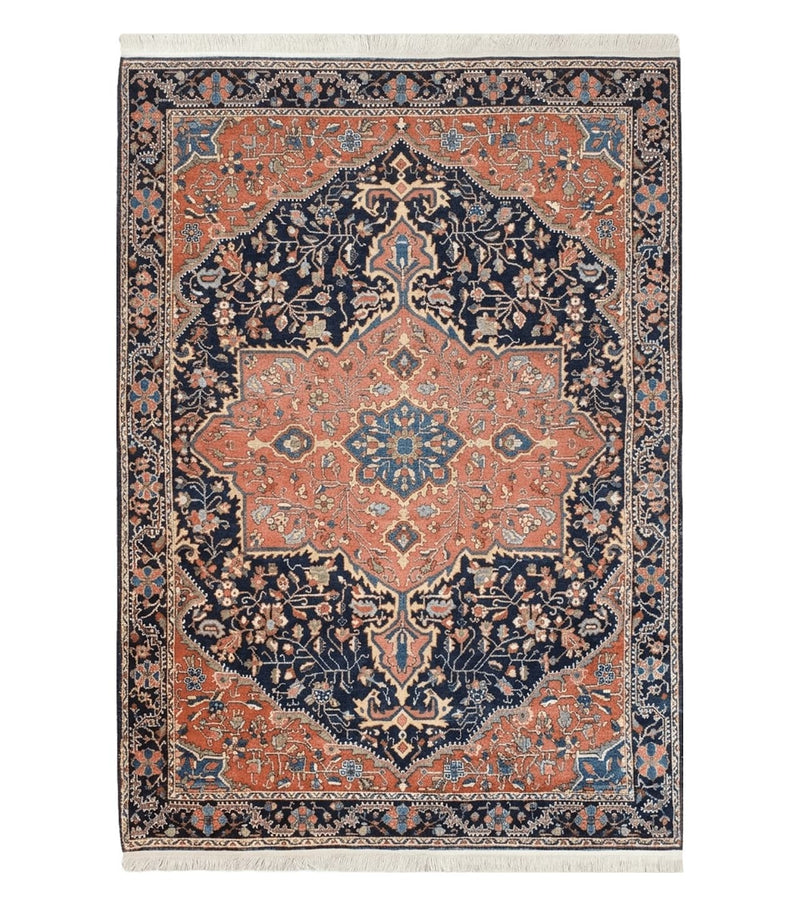


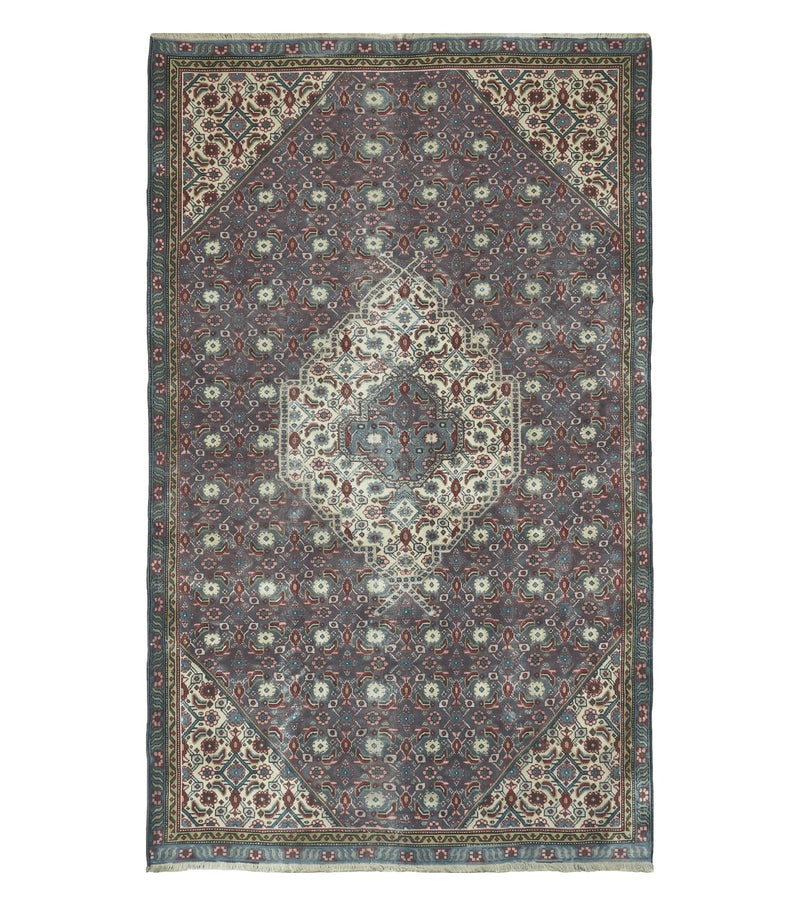


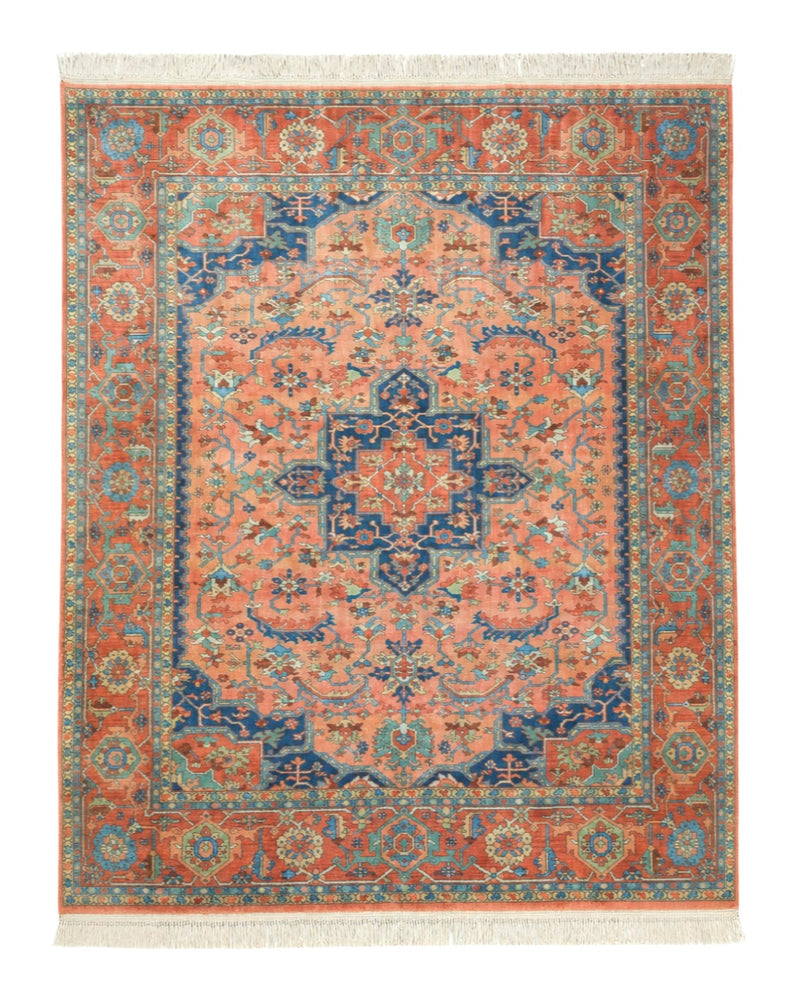


Paisley Rugs
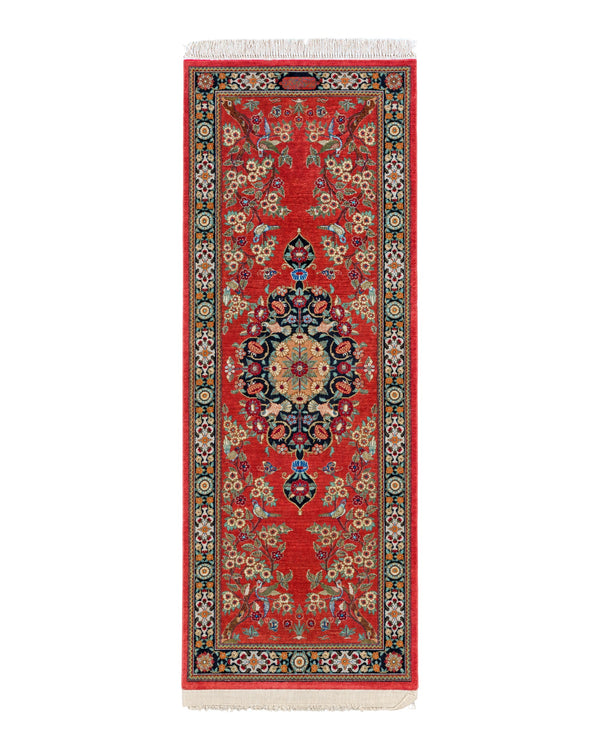
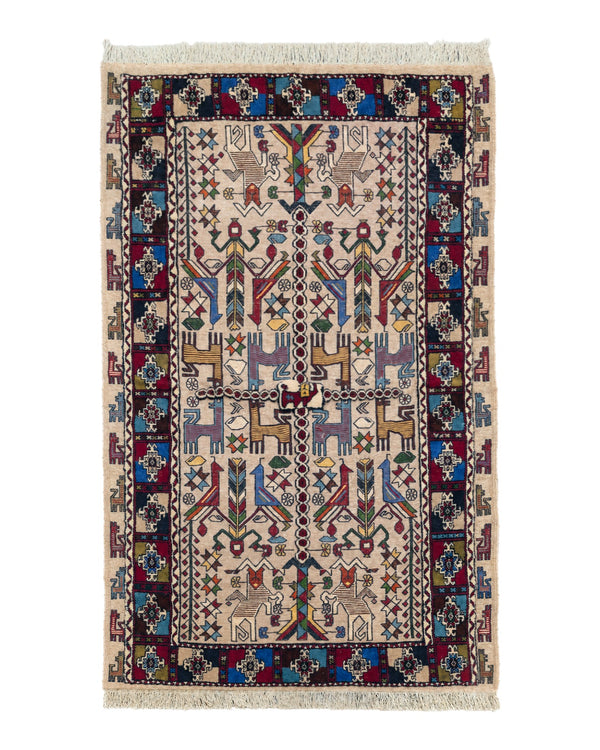
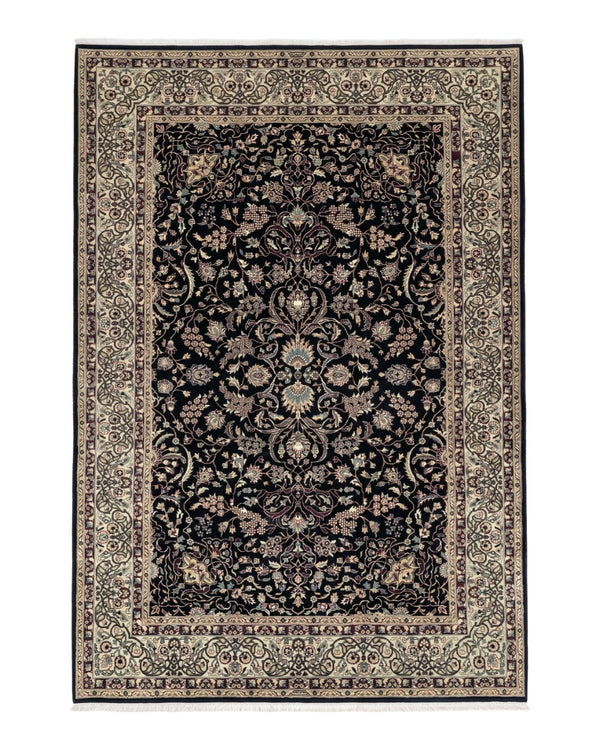
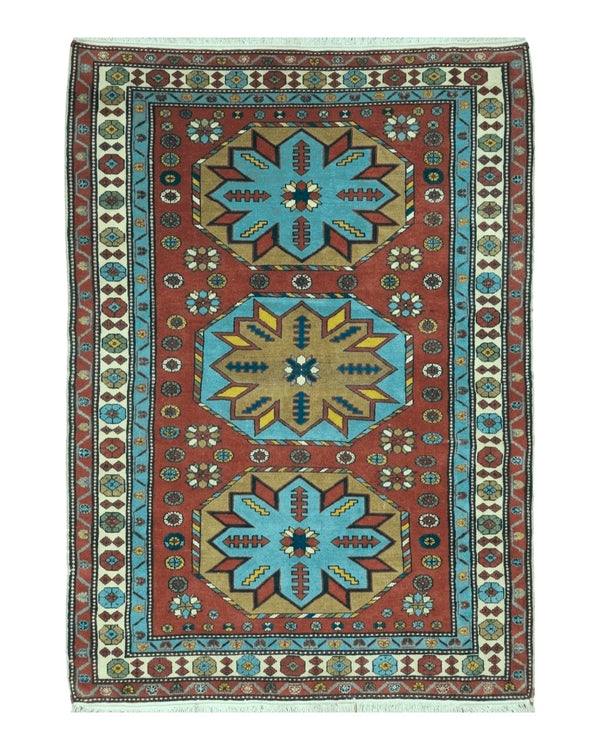
Paisley rugs feature the boteh, the curved teardrop motif that became known in the West as paisley. Our paisley rugs include hand-knotted Persian Mir Sarouk, Qum, Kerman, Tabriz, Hamadan and Kurdish rugs, tribal Afshar and Baluch pieces, and Turkish, Afghan and other Oriental boteh rugs, in sizes from small accent rugs to room-size carpets and runners.
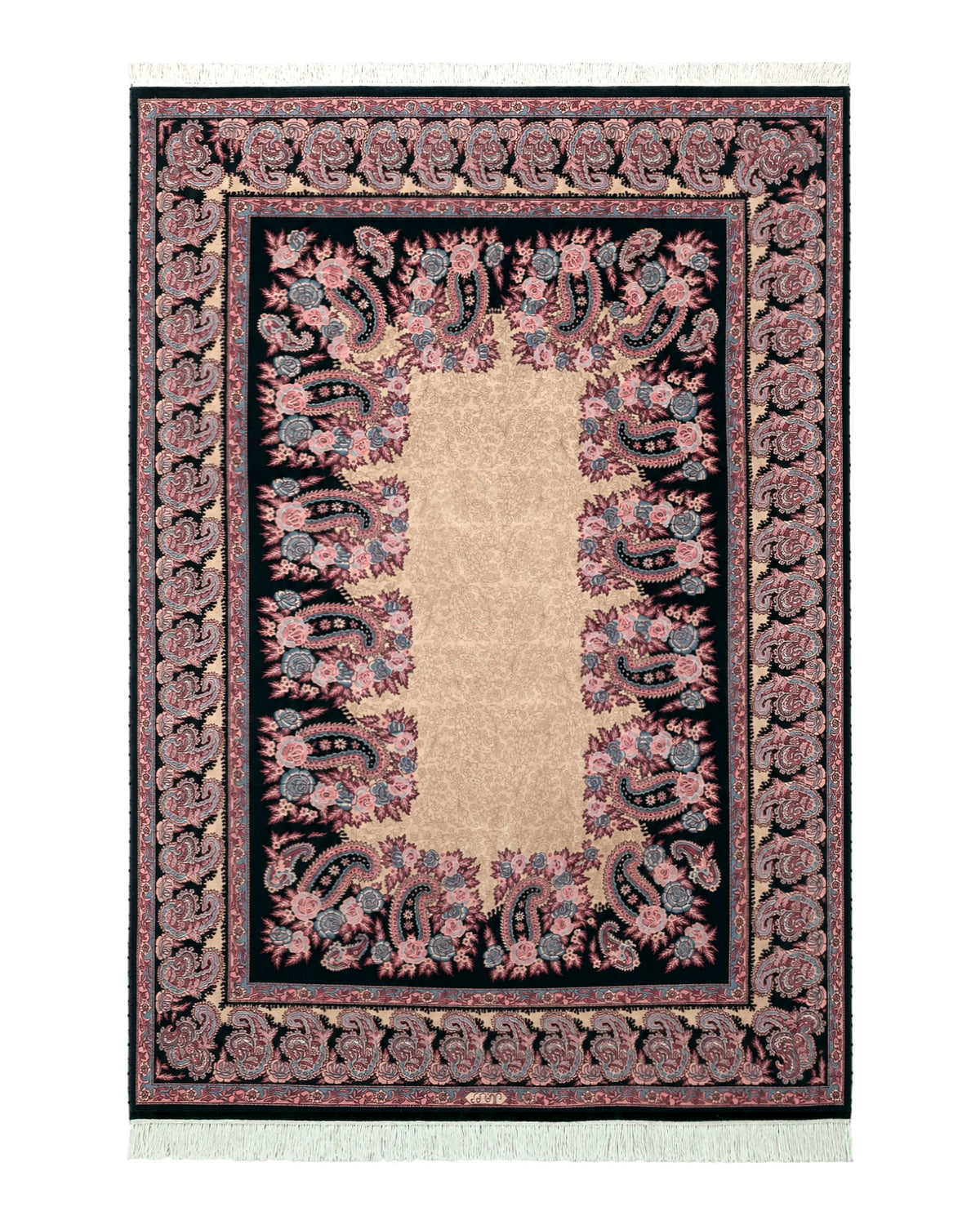


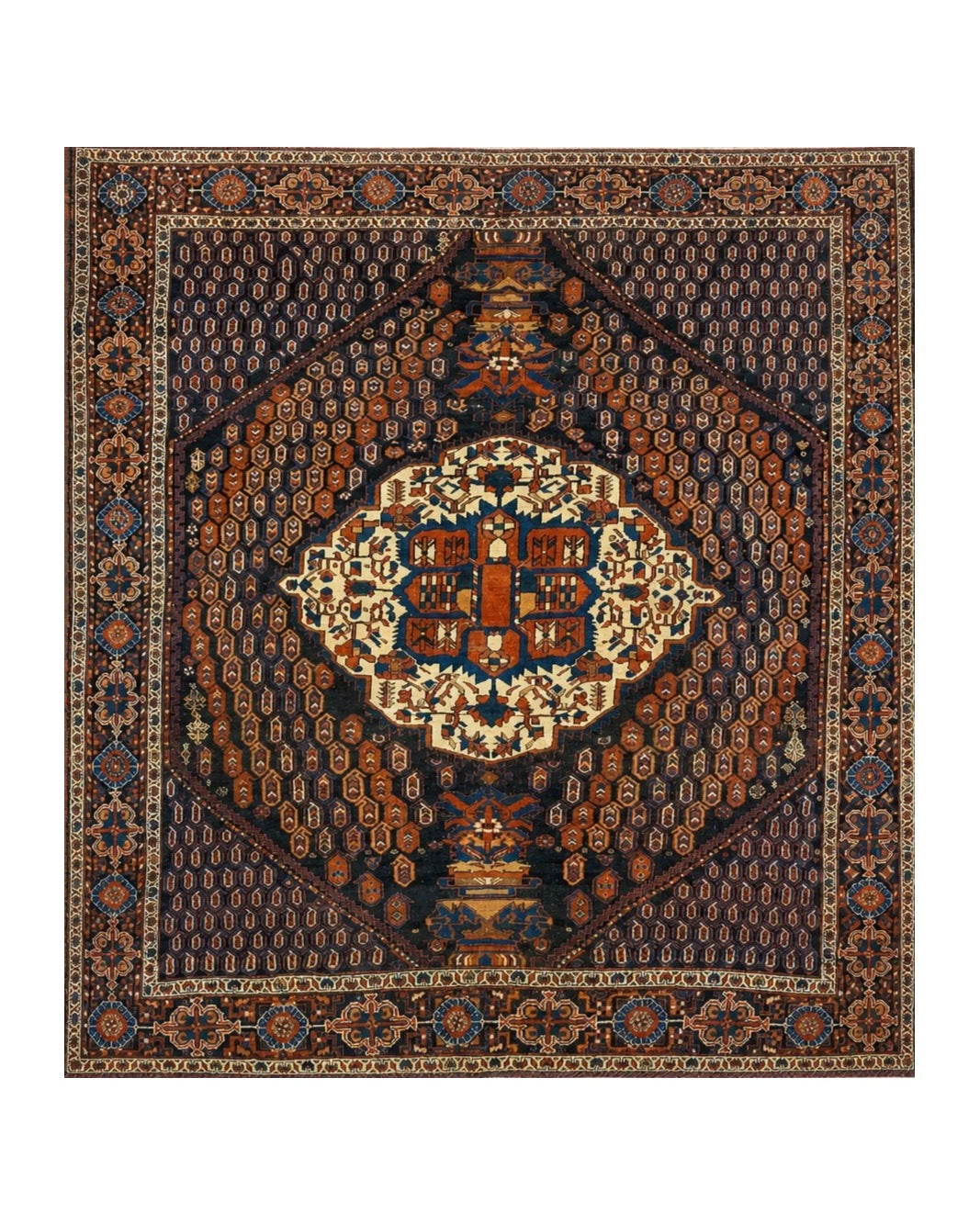


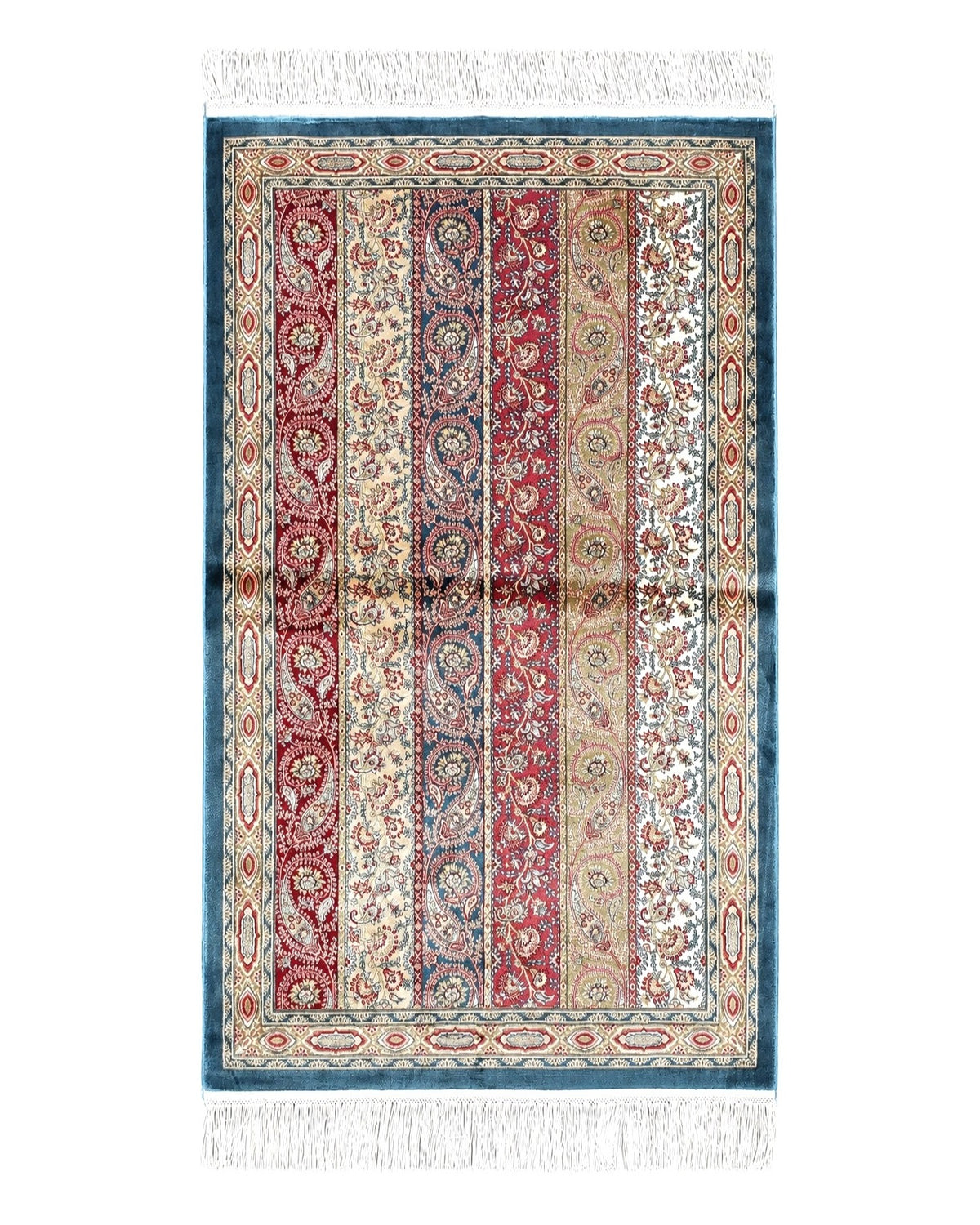
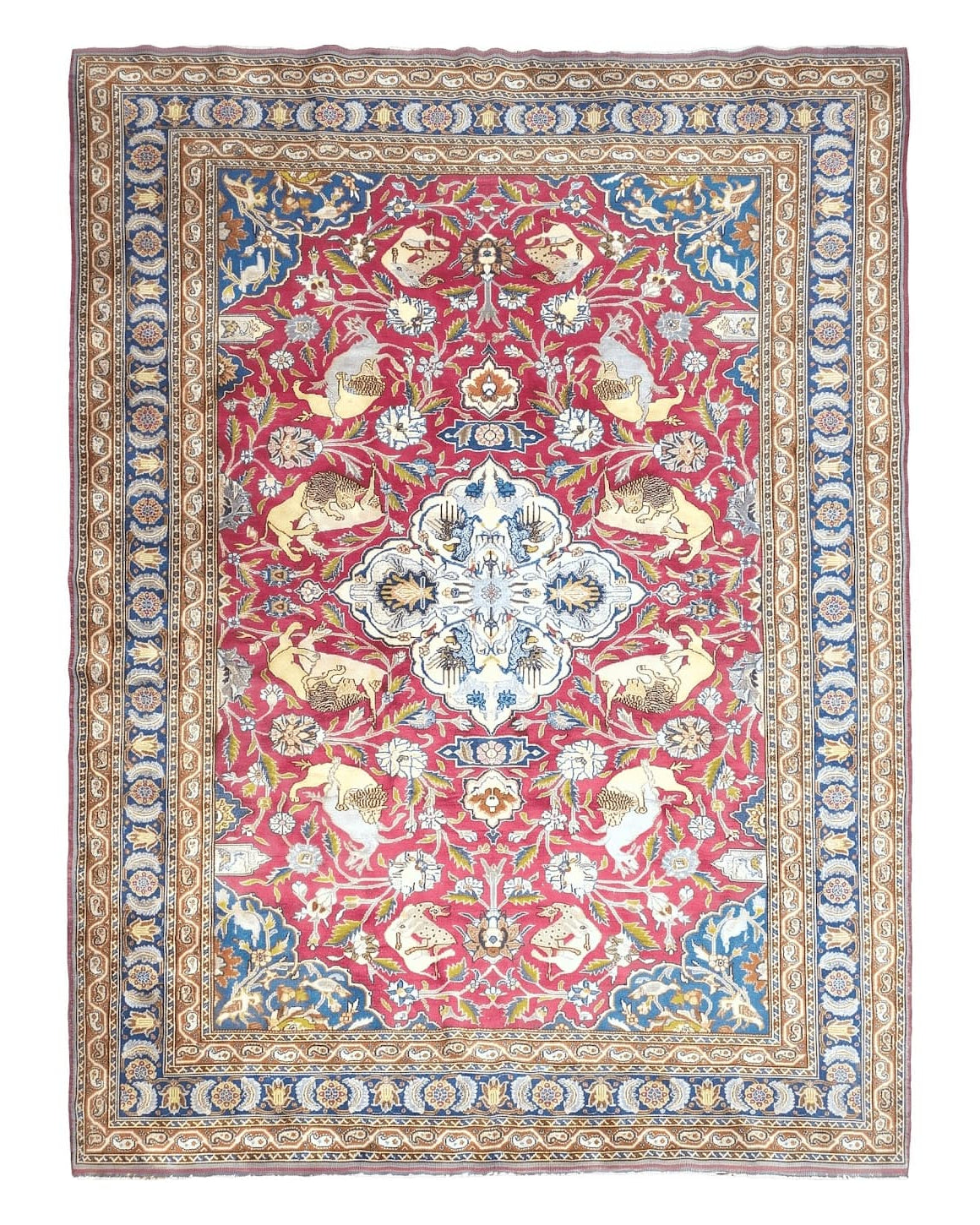

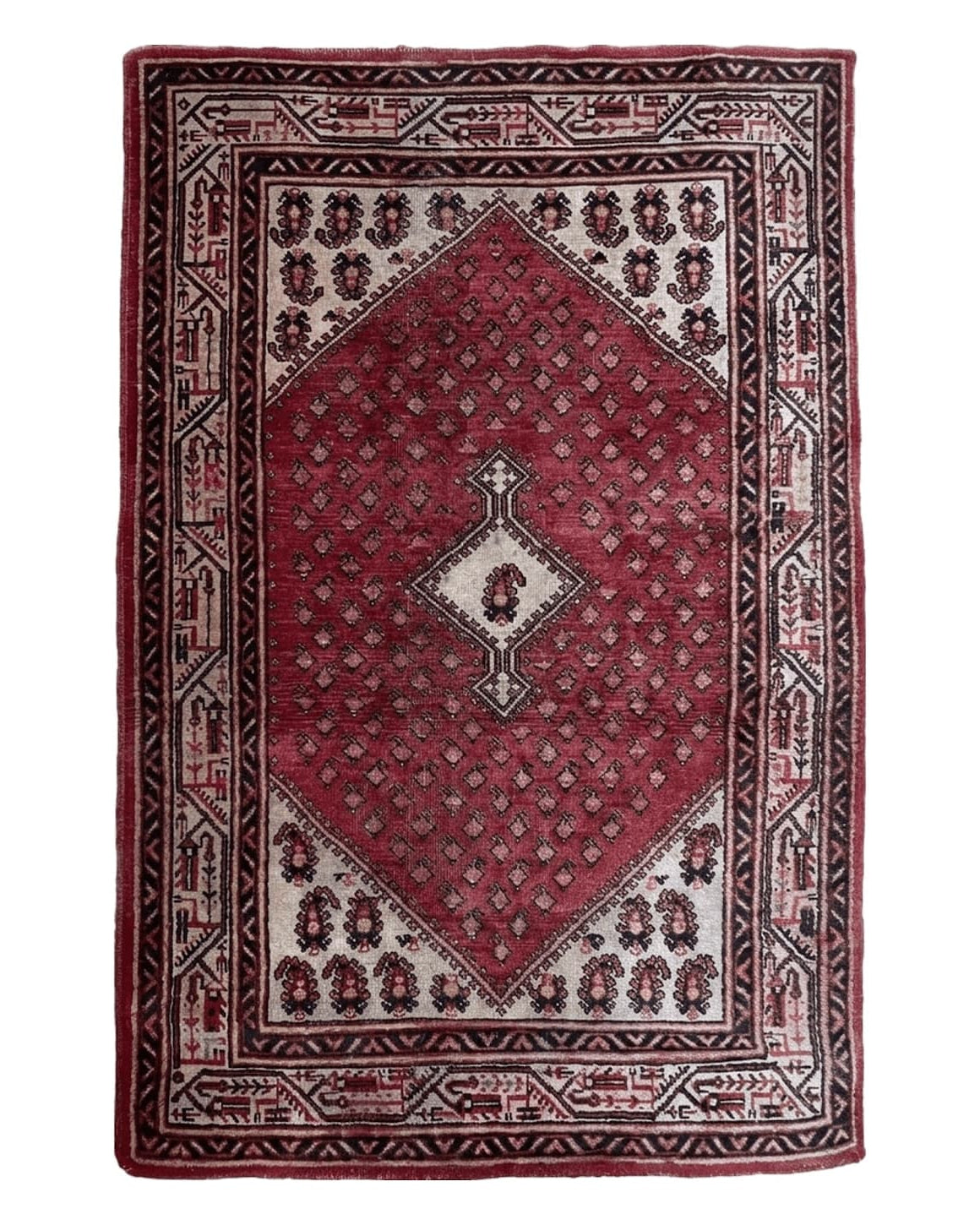
Shop Persian Rugs
View all 518 →


Shop Oriental Rugs
View all 1049 →

Learn more in the Rug Encyclopedia
Explore the Rug Encyclopedia →
Choosing the Right Rug Size
Simple rules for choosing the right rug size for a living room, dining room, bedroom, hallway or entrance, with clearances and ...
The Boteh (Paisley) Motif
The teardrop-shaped motif known in the West as paisley: its possible meanings, how it traveled from Persian textiles to Scottis...Paisley Rugs FAQs
What is a boteh?
The boteh is the curved teardrop motif known in English as paisley. It is a traditional design in Persian, Turkish, Afghan and many other Oriental rugs.
Why is it called paisley?
The name comes from Paisley, Scotland, where copies of Kashmir shawls with the boteh were made in the 1800s.
Are paisley rugs Persian?
Many are, such as Mir Sarouk, Qum and Kerman rugs from Iran, but boteh rugs are also woven in Turkey, Afghanistan, Pakistan and elsewhere. Each listing gives the rug's origin.
Do you have paisley runners?
Yes. The boteh repeats well on long rugs; see the runners in this collection and all runner rugs.
Have another question? Contact us or call (856) 345-9444.