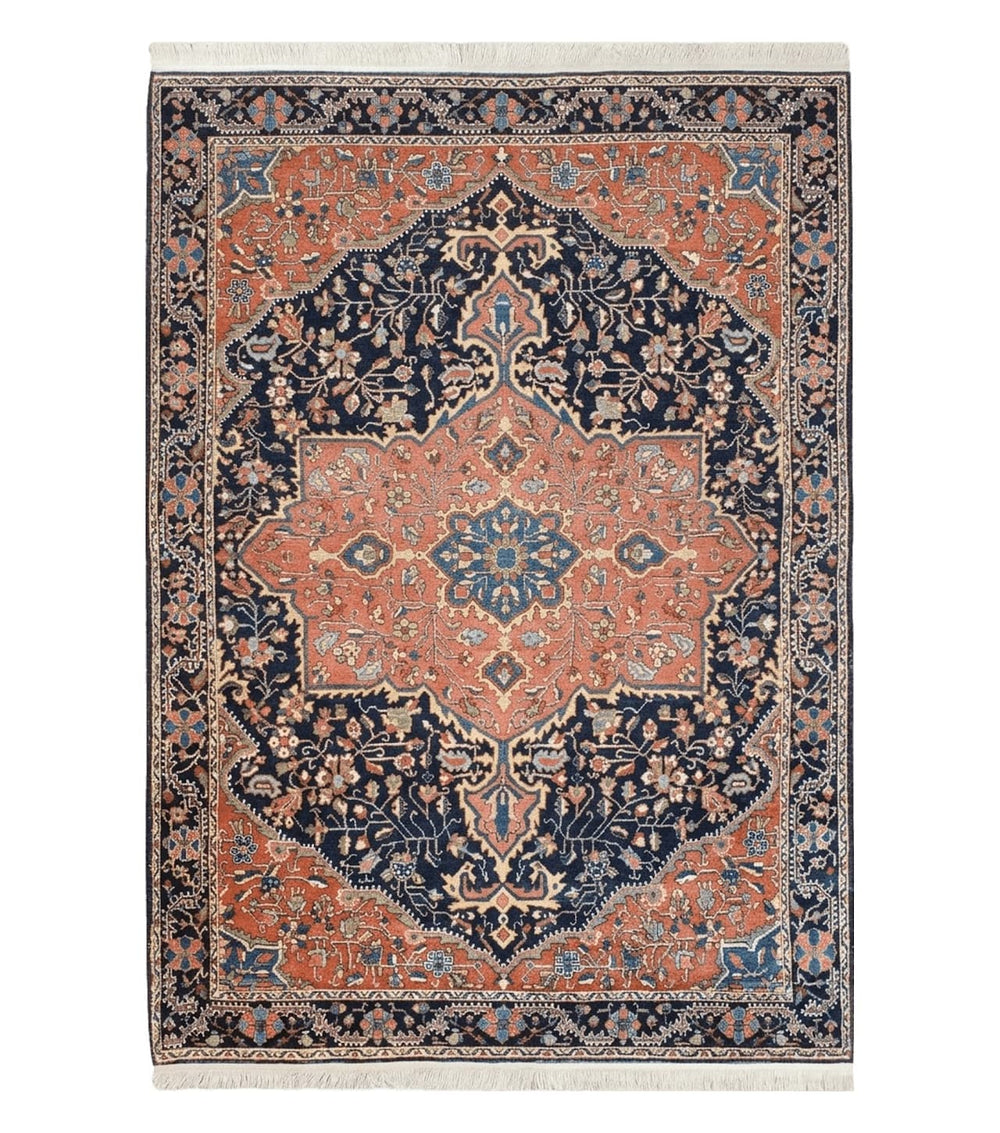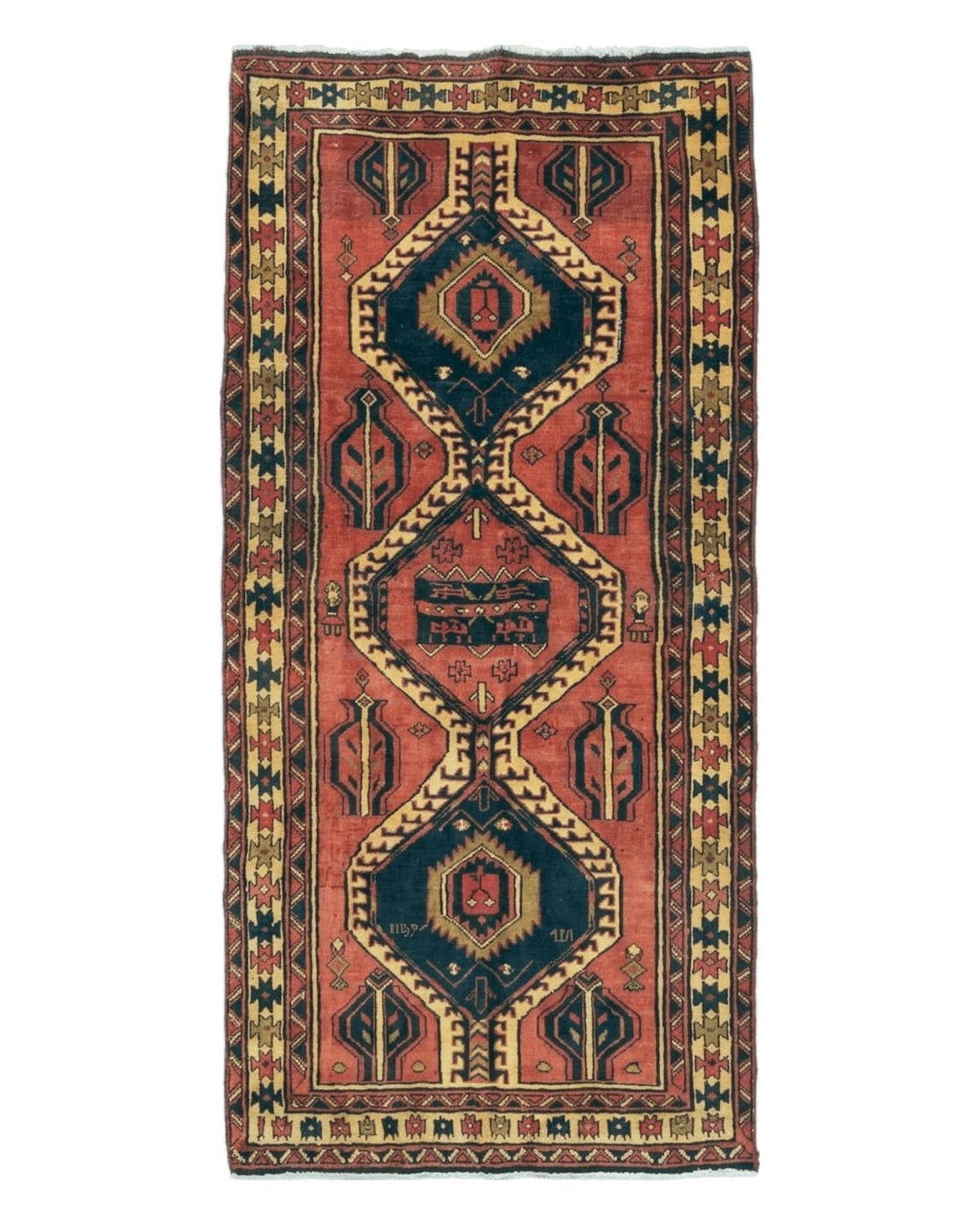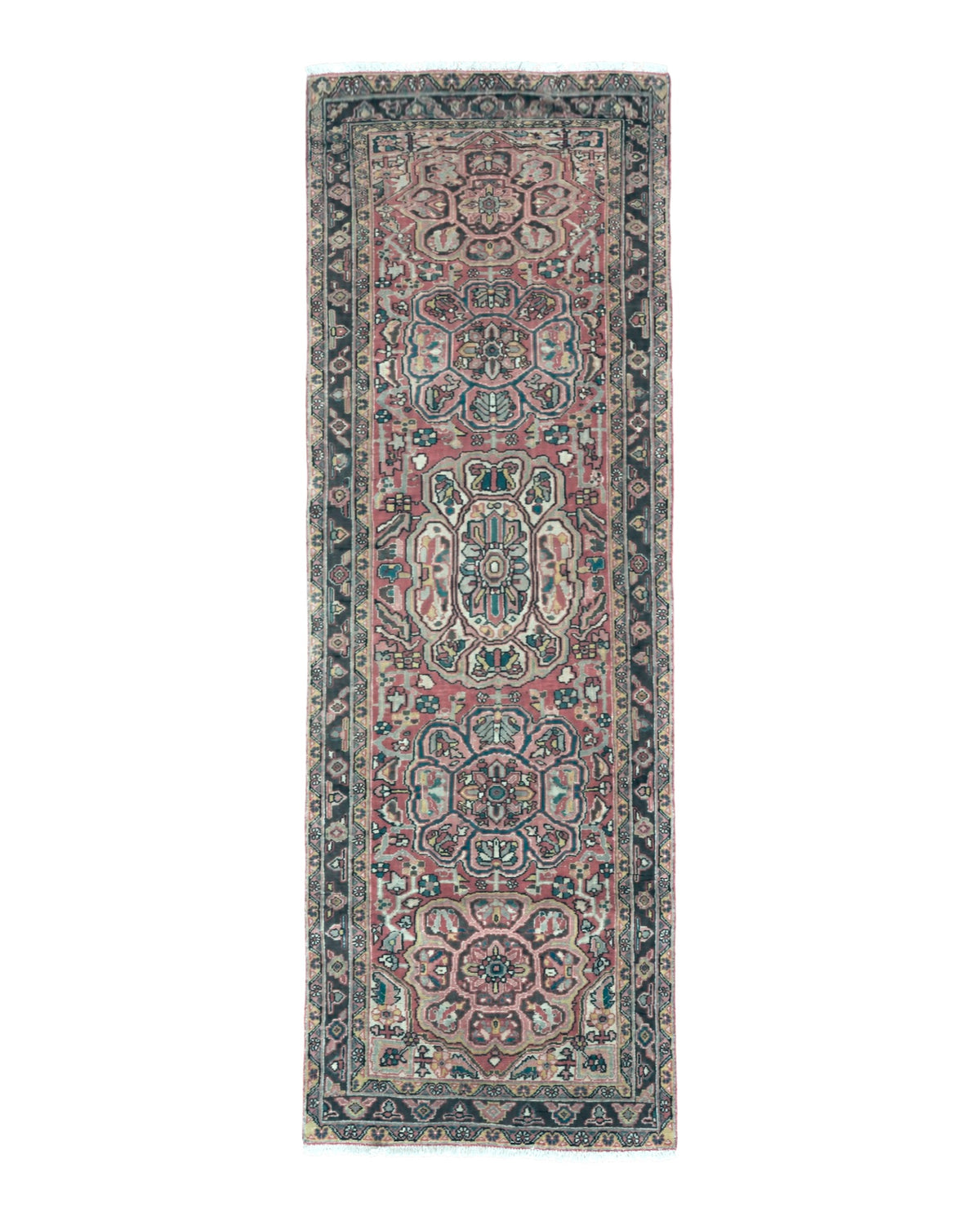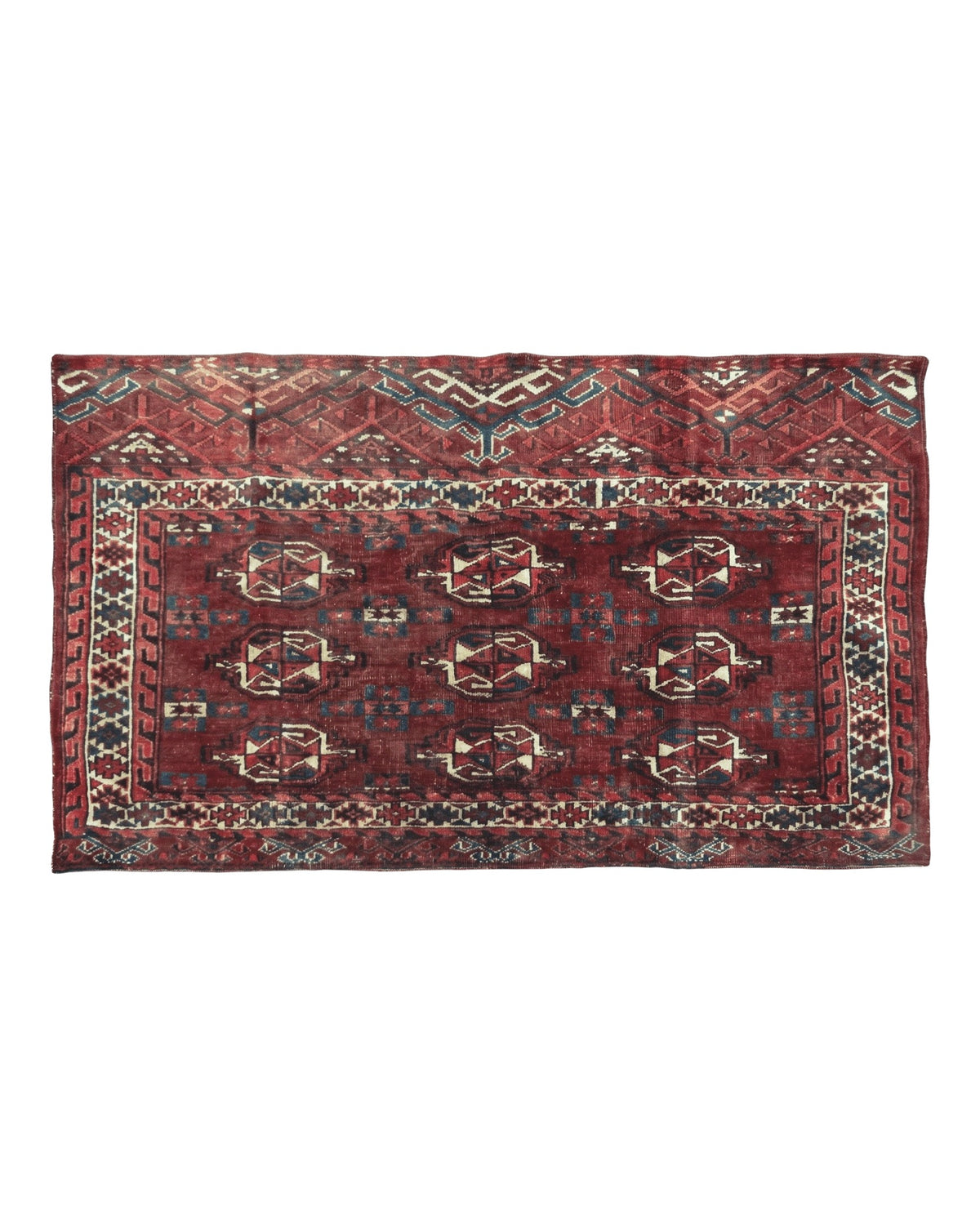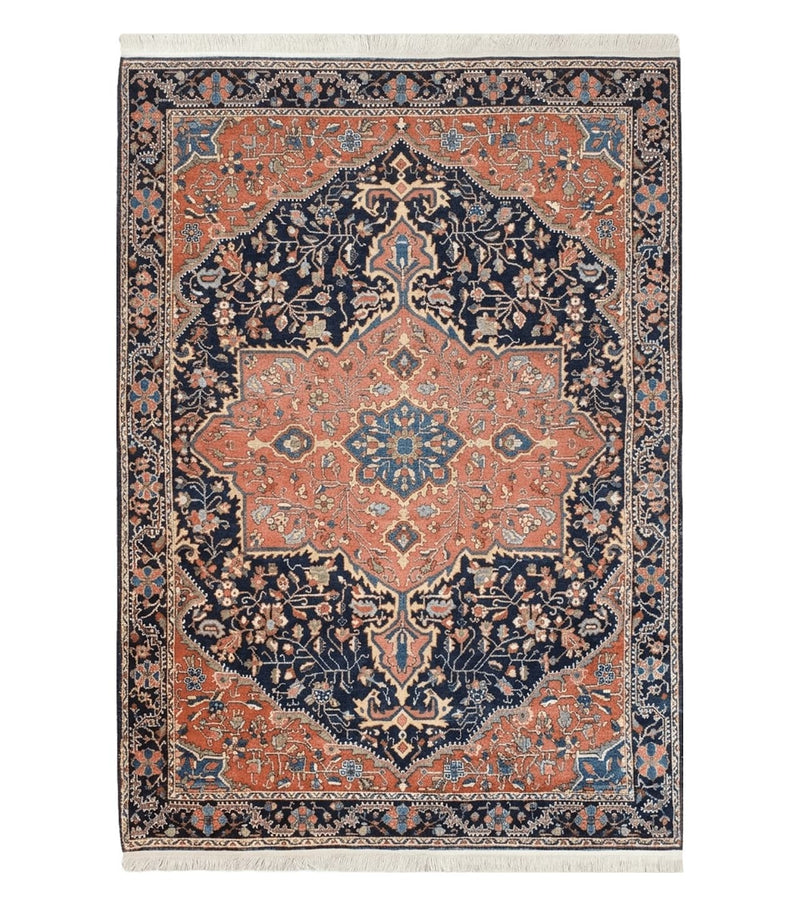


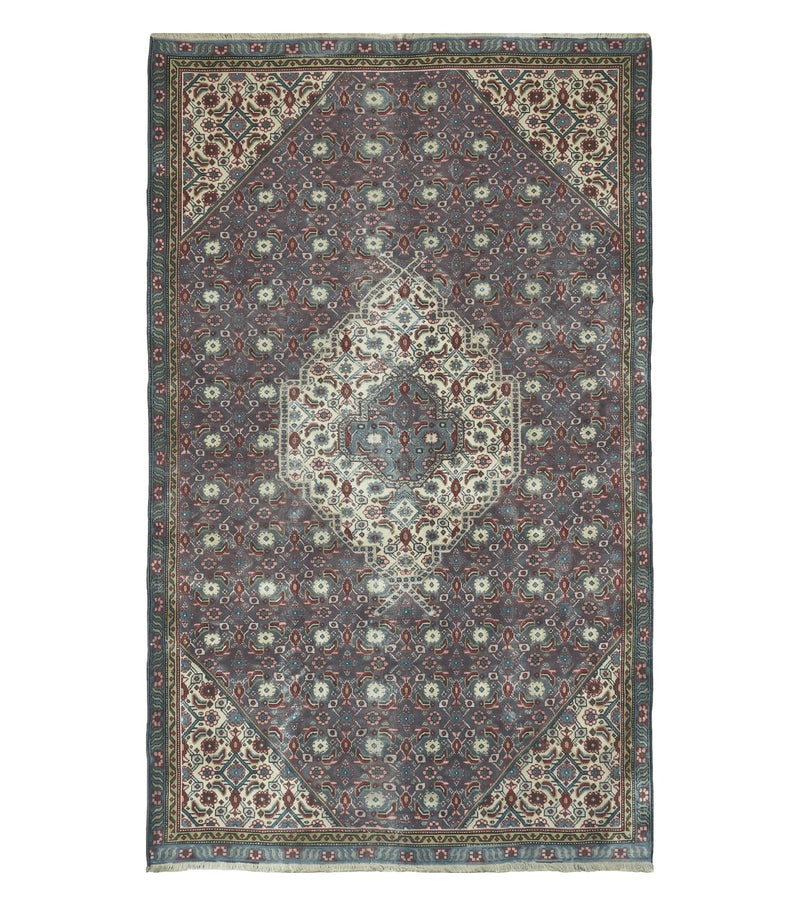


Buying a Persian rug is a pleasure, and it does not need to be daunting. A few simple steps will help you find a rug you love, in the right size, at a fair price, and one that will last. This guide walks through the process from measuring your room to checking a rug's construction and condition, with the questions worth asking any seller.
| 1. Measure | Decide the size before you look at designs |
|---|---|
| 2. Use | Think about traffic, children, pets and sunlight |
| 3. Style | Choose between city, village and tribal looks, and medallion or all-over |
| 4. Construction | Confirm it is hand-knotted and check the materials |
| 5. Condition | Look at the pile, ends, sides, back and colors |
| 6. Seller | Ask about origin, age, materials, repairs and returns |
1. Measure first
The most common mistake is choosing a rug that is too small. Measure the room and the furniture, and mark the size you want on the floor with tape before you start looking. Remember that older and handmade rugs come in traditional sizes that do not always match modern standards, so allow a little flexibility. See Choosing the Right Rug Size and Rug Sizes Explained.
2. Think about how the rug will be used
- Busy rooms such as family rooms, dining rooms and entrances suit sturdy wool village rugs, such as Heriz, Hamadan, Bidjar or Sarouk, and darker or patterned fields that hide wear.
- Quieter rooms such as bedrooms and formal living rooms can take finer city rugs, lighter fields, or silk.
- Sunny rooms will slowly soften any rug's colors; consider window treatments or a rug that already has mellow tones.
3. Choose a style
Persian rugs fall into three broad traditions: refined city rugs with curving floral designs, bold village rugs, and expressive tribal rugs. Within each, you can choose a medallion design, which draws the eye to the center, or an all-over design, which works well under furniture. Look at plenty of rugs before deciding; most people find their taste quickly. See City, Village and Tribal Rugs and Medallion Designs.
4. Check the construction
- Hand-knotted? Turn the rug over: the design should show clearly on the back, made of tiny individual knots. The fringe should be the ends of the warps, not sewn on. See Hand-Knotted vs. Hand-Tufted vs. Machine-Made.
- Materials: wool pile on a cotton foundation is the norm; silk adds luster but needs care. See Rug Materials.
- Shape: the rug should lie reasonably flat and square; small irregularities are normal in handmade rugs.
- Wool: good wool feels springy and has a natural sheen.
5. Check the condition
Look at the whole rug in good light, front and back. Check the pile for even wear, the ends and sides for damage, the back for repairs and moth damage, and the colors for running or fading. Fold a corner gently to listen for cracking, which can mean a brittle foundation. Some wear is normal in older rugs; holes, rot and moth damage are not. See Normal Wear vs. Damage.
6. Questions to ask
- Where was the rug woven, and roughly when?
- Is it hand-knotted? What are the pile and foundation made of?
- Has it been repaired, restored, painted or chemically washed?
- What are its exact measurements?
- Can I see more photographs, including the back?
- What are the return terms?
Price and value
Prices depend on the type, fineness, materials, age, condition and size of a rug. Two rugs that look alike in a photograph can differ greatly in value. See What Determines a Rug's Value.