


Jewel Rugs
The Rug Encyclopedia
A reference guide to handmade Persian and Oriental rugs: where each type is woven, how to recognize it, what its designs mean, and how to choose and care for one. Every entry links to rugs of that type in our collection.


No entries match your search yet.

Anatomy of a Rug: Field, Medallion, Borders and Fringe
The names of the parts of a rug, from the field and medallion to the borders, guard stripes, warps, wefts, pile, selvedges and ...
Antique, Semi-Antique and Vintage Rugs
What antique, semi-antique and vintage mean when used for rugs, why age matters, and what to expect from the condition of an ol...
City, Village & Tribal Rugs: The Three Weaving Traditions
Workshop rugs from master drawings, village rugs woven from memory and nomadic tribal rugs: how each is made and how to tell th...
Flatweaves vs. Pile Rugs: Kilim, Soumak and More
The two great families of handmade rugs: pile rugs made of knots, and flatweaves such as kilims and soumaks, where the design i...
Hand-Knotted vs. Hand-Tufted vs. Machine-Made Rugs
Three ways of making a rug that can look alike from the front. How each is made, how long each lasts, and how to tell them apar...
How Rugs Are Dated
How experts estimate the age of a handmade rug from its design, dyes, materials, construction and wear, how to read a woven dat...
Indo-Persian, Sino-Persian and Pak-Persian Rugs
Hand-knotted rugs woven in India, China and Pakistan in traditional Persian designs. What the names mean, how the rugs differ f...
Knots & Knot Density (KPSI)
The Persian and Turkish knots, how to count knots per square inch, and what knot density does and doesn't tell you about a rug.
Natural vs. Synthetic Dyes and Abrash
How rugs were colored with madder, indigo and other plants, how synthetic dyes changed weaving, and why the gentle color change...
Persian vs. Oriental Rugs
Every Persian rug is an Oriental rug, but not every Oriental rug is Persian. What each term means, where they overlap and how s...
Rug Glossary: Terms from A to Z
Short, plain definitions of the words used to describe Oriental and Persian rugs, from abrash and boteh to warp, weft and zil-i...
Rug Materials: Wool, Silk, Cotton and More
The fibers hand-knotted rugs are made from: wool and kork wool, silk, cotton, and the newer materials sometimes sold as silk. H...
Signed Rugs
Why some rugs carry a woven signature, what it usually means, the workshops whose names are best known, and what a signature do...
Types of Persian Rugs: A Complete Guide
Every major type of Persian rug in one place, grouped as city, village and tribal rugs, with a line on what makes each one dist...
What Is a Persian Rug?
What makes a rug Persian, where the great weaving centers are, and how to recognize a genuine hand-knotted Persian rug.Reading a rug
Design & Motifs
How to read what is woven into a rug.
9 entries
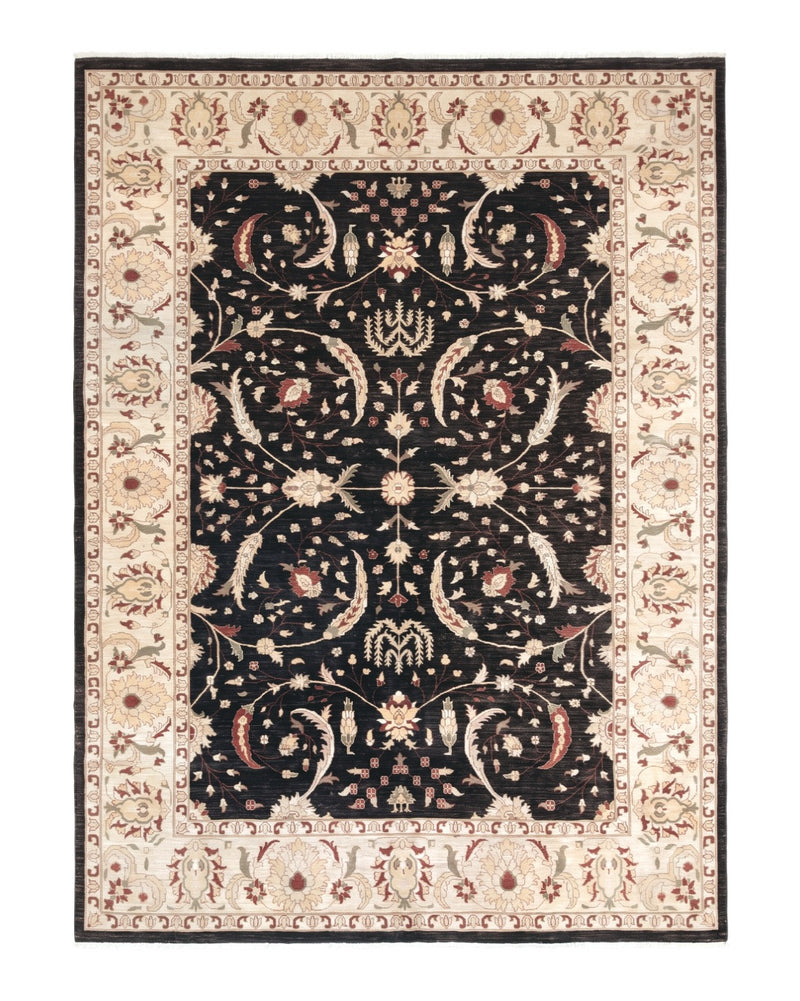
All-Over Designs: Herati, Mina Khani and More
Rugs whose pattern repeats across the whole field, with no central medallion: the Herati, Mina Khani, boteh, Shah Abbasi, Zil-i...
Garden, Panel and Tree of Life Designs
Rug designs based on the Persian garden: fields divided into panels of trees and flowers, the tree of life, and vase designs, w...
Geometric vs. Curvilinear Designs
The two great families of rug design: straight-lined geometric patterns and flowing curvilinear florals. Why each looks the way...
Medallion Designs
The most familiar layout in Persian rugs: a large central medallion with matching corners. Where it came from, its main forms, ...
Pictorial and Hunting Rugs
Rugs that tell a story: hunting scenes, scenes from Persian poetry, portraits and landscapes, woven mainly in Tabriz, Isfahan, ...
Prayer Rugs
Small rugs with an arch, or mihrab, at one end, made for daily prayer: their design, symbols such as lamps and hands, and the m...
Rug Colors and Their Meanings
The colors of Oriental rugs, the dyes that made them, the traditional meanings given to them, and practical tips for choosing a...
Rug Motifs and Their Meanings
What the common motifs in Oriental rugs are and what they are traditionally said to mean: boteh, Herati, guls, trees, animals, ...
The Boteh (Paisley) Motif
The teardrop-shaped motif known in the West as paisley: its possible meanings, how it traveled from Persian textiles to Scottis...Workshop weaving
Persian City Rugs
Fine workshop rugs woven from master drawings.
11 entries

Isfahan Rugs
Very fine city rugs from the old Safavid capital, known for crisp floral medallions inspired by the city's mosques, kork wool o...
Kashan Rugs
One of Iran's oldest weaving cities, known for classic medallion rugs in deep red and navy, the prized Mohtasham Kashans, and f...
Kashmar Rugs
Densely patterned floral and pictorial rugs from a town in Khorasan, north-east Iran, known for fields filled edge to edge with...
Kerman (Kirman) Rugs
Graceful, softly colored floral rugs from south-east Iran, from the refined antique Lavar Kermans to the pastel open-field rugs...
Mashad Rugs
Large, softly piled city rugs from the holy city of Mashad in north-east Iran, known for big floral medallions on rich red grou...
Nain Rugs
Fine city rugs from a small desert town, known for ivory and blue palettes, silk outlining, and a grading system in 'la' that t...
Persian City Rugs
Finely knotted workshop rugs woven from master drawings in Tabriz, Kashan, Isfahan, Nain, Qum, Kerman and Iran's other great we...
Qum (Qom) Rugs
A 20th-century weaving center famous for very fine silk rugs and wool-and-silk rugs in an unusually wide range of designs, from...
Tabriz Rugs
From Tabriz in north-west Iran, one of the oldest and most versatile weaving cities: medallions, Mahi and pictorial designs, gr...
Tehran Rugs
Fine floral rugs woven in Iran's capital, mostly in the late 19th and early 20th centuries, with graceful vase, tree and medall...
Veramin Rugs
Sturdy, finely drawn rugs from the plain south-east of Tehran, famous for the Mina Khani pattern of linked flowers on a deep bl...Village weaving
Persian Village Rugs
Bold, durable rugs woven in village homes.
13 entries

Abadeh Rugs
Neat, durable rugs from a town in southern Iran, woven by settled Qashqai families, known for a central diamond medallion and t...
Ardabil Rugs
Rugs from a city in north-west Iran known for two things: the famous 16th-century Ardabil Carpet, and today's geometric rugs in...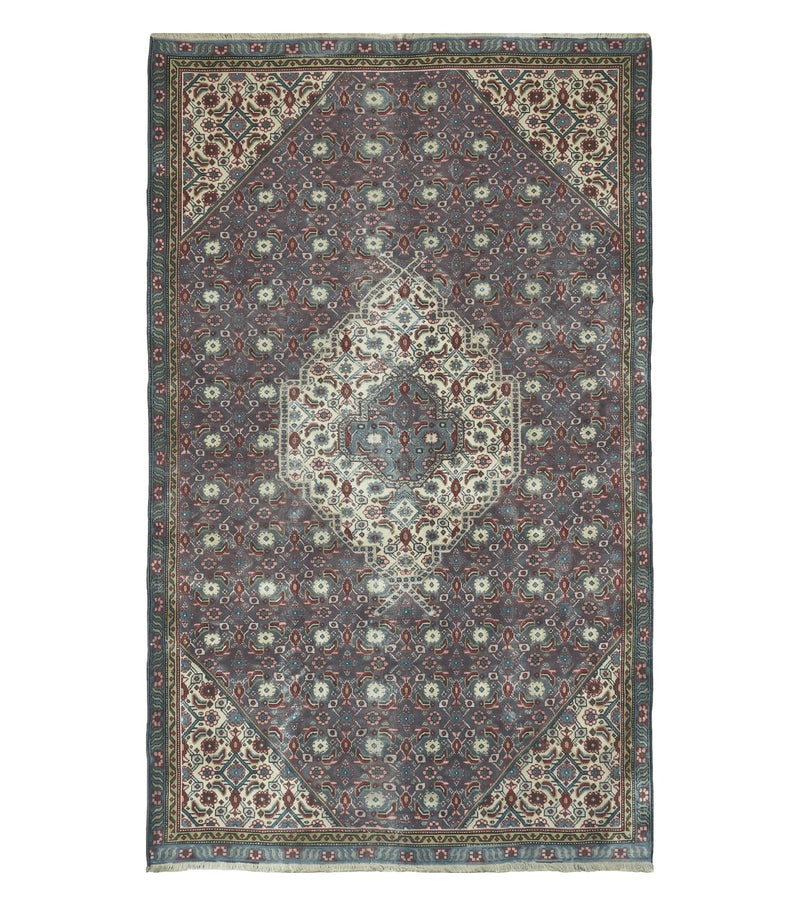
Bidjar Rugs
The 'iron rugs of Persia': extremely dense, heavy rugs from Kurdistan in western Iran, woven to last for generations in medalli...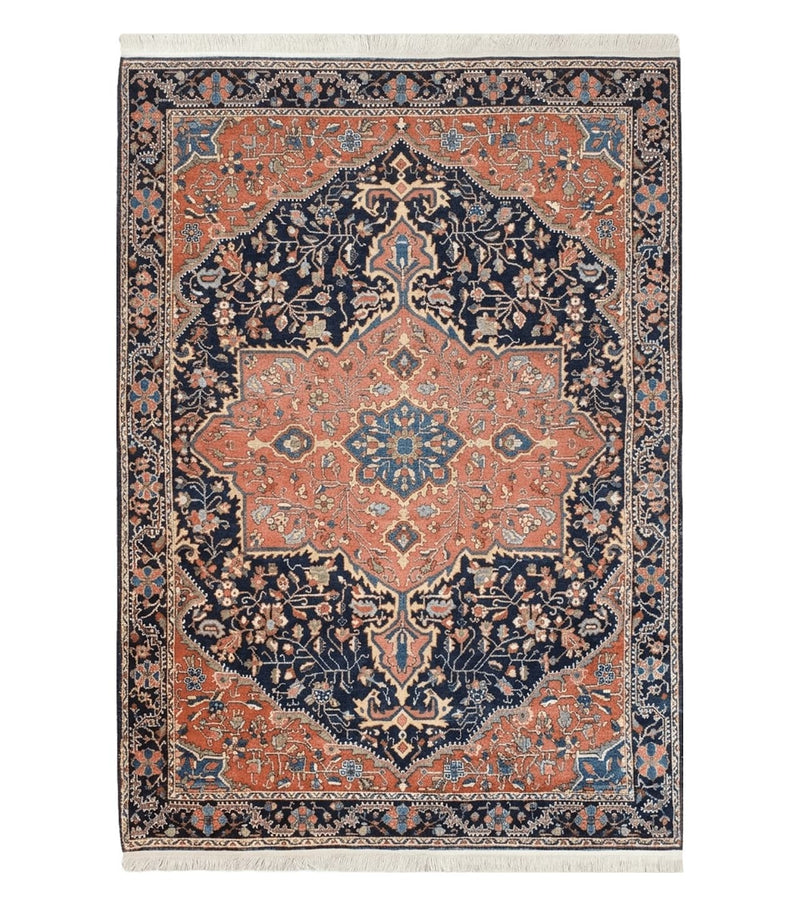
Farahan and Farahan-Sarouk Rugs
Fine antique rugs from the Farahan plain of west-central Iran: all-over Herati and Mina Khani rugs, and the delicate medallion ...
Hamadan Rugs
Hard-wearing village rugs from hundreds of villages around Hamadan in western Iran, recognized by their single-wefted construct...
Heriz Rugs
Bold, geometric village rugs from the hills east of Tabriz, famous for their large angular medallions and their toughness. Incl...
Karajeh Rugs
Small village rugs and runners from the Heriz district of north-west Iran, known for rows of bold geometric medallions in red, ...
Mahal and Sultanabad Rugs
Large decorative rugs from the Arak region of west-central Iran, with bold, open designs and soft colors, including the famous ...
Malayer Rugs
Fine village rugs from the area between Hamadan and Arak, combining the bold geometry of Hamadan with the finer weave of the Ar...
Persian Village Rugs
Rugs woven at home in the villages of Iran: bold, often geometric designs woven from memory, sturdy construction, and the great...
Sarab Rugs
Village rugs from north-west Iran known for natural camel-colored grounds, bold geometric medallions, and long runners and kell...
Sarouk Rugs
Some of the most popular Persian rugs in America: dense, durable floral rugs from the Arak region, from the early Farahan-Sarou...
Senneh Rugs
Very fine, thin and supple rugs and kilims from Sanandaj in Iranian Kurdistan, known for small all-over patterns and the parado...Nomadic weaving
Persian Tribal Rugs
Expressive rugs woven by nomadic tribes.
10 entries

Afshar Rugs
Bold, colorful tribal and village rugs from the Afshar of Kerman province, known for boteh and 'chicken' designs, stacked medal...
Bakhtiari Rugs
Sturdy, colorful rugs from the Bakhtiari people and villages of the Zagros mountains, famous for the garden design that divides...
Baluch Rugs
Small, dark, glowing tribal rugs woven by the Baluch of eastern Iran and western Afghanistan, known for deep reds and blues, pr...
Gabbeh Rugs
Thick, soft, simply designed tribal rugs from south-west Iran, with open fields, few motifs and deep pile: woven by nomads for ...
Kurdish Rugs
Bold, robust rugs woven by Kurdish tribes and villages in western and north-eastern Iran, from the dense Bidjar and fine Senneh...
Persian Tribal Rugs
Rugs woven by Iran's nomadic and semi-nomadic peoples on portable looms: expressive, personal designs, wool foundations and ric...
Persian Turkoman Rugs
Rugs woven by the Turkmen tribes of north-east Iran, known for repeating gul motifs on deep red grounds, fine weave and lustrou...
Qashqai Rugs
The finest tribal rugs of southern Iran, woven by the nomadic Qashqai of Fars: bright natural colors, bold medallions, animals ...
Shiraz Rugs
A market name for the tribal and village rugs of Fars province in southern Iran, sold in the city of Shiraz: Qashqai, Khamseh a...
Yalameh Rugs
Bright, geometric rugs woven by settled tribal families near Isfahan, known for rows of stepped, hooked diamond medallions in v...Other traditions
Beyond Persia
Turkish, Caucasian, Afghan, Indian, Chinese, European and other traditions.
18 entriesShop Oriental Rugs →

Afghan Rugs
Hand-knotted rugs from Afghanistan: Turkmen gul rugs in deep reds, Baluch rugs, Beshir designs, Chobi and Kazak revivals, and t...
Aubusson Rugs
Elegant flatwoven rugs and tapestries named after the French town of Aubusson: pastel roses, scrolling acanthus and garlands, a...
Caucasian Rugs
Bold, brightly colored geometric rugs from the Caucasus mountains between the Black and Caspian seas: Kazak, Shirvan, Kuba, Kar...
Chinese Rugs
Hand-knotted rugs from China: Ningxia and Peking rugs with Chinese symbols, Art Deco rugs of the 1920s and 1930s, carved-pile r...
Chobi and Ziegler-Style Rugs
Softly colored rugs woven in Afghanistan and Pakistan with hand-spun wool and natural dyes, in large-scale Ziegler, Oushak and ...
Hereke Rugs
Extremely fine silk and wool rugs from the town of Hereke near Istanbul, home of the former Ottoman imperial workshops, usually...
Indian Rugs
Hand-knotted rugs from India, from the Mughal court carpets and antique Agra rugs to today's Indo-Persian, decorative and conte...
Kashmir Silk Rugs
Finely knotted silk rugs from Kashmir in northern India, woven in Persian designs with a brilliant luster and often a color-cha...
Kazak Rugs
The boldest of Caucasian rugs: thick, long-piled rugs with huge geometric medallions in a few strong colors, and the many Kazak...
Kilim Rugs
Flatwoven rugs with no pile, woven across Turkey, Iran, the Caucasus, Afghanistan and the Balkans, with bold geometric designs ...
Moroccan Rugs
Rugs woven by the Amazigh (Berber) tribes of Morocco's Atlas Mountains: shaggy ivory Beni Ourain rugs, colorful Azilal rugs, fl...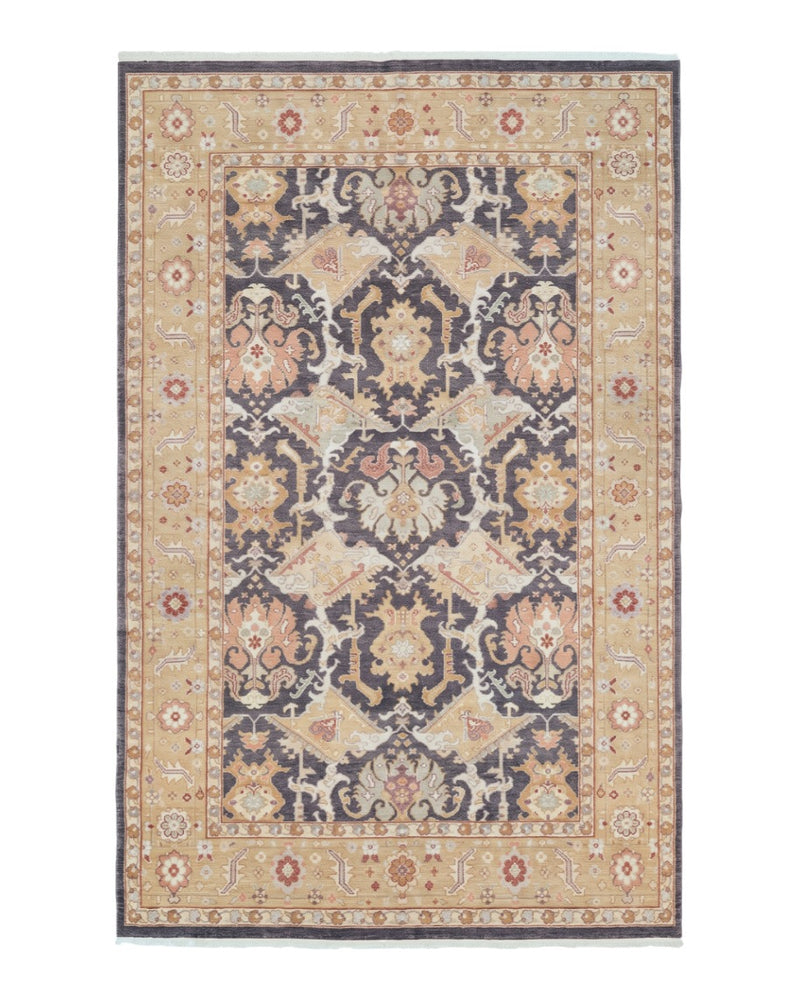
Oushak Rugs
Decorative rugs from western Turkey with large-scale designs and soft colors of apricot, saffron, terracotta and celadon, loved...
Pak-Persian Rugs
Hand-knotted rugs woven in Pakistan in Persian designs: how they began, how the sanctions on Iranian rugs shaped them, how they...
Pakistani Rugs and Bokhara Designs
Hand-knotted rugs from Pakistan: the popular Bokhara rugs with repeating gul motifs and a soft sheen, Pak-Persian rugs in Persi...
Persian vs. Afghan Rugs: What's the Difference?
How Persian and Afghan rugs differ in design, color, wool, weave and price, how to tell them apart, and which suits your home.
Romanian Rugs
Hand-knotted rugs and kilims from Romania: traditional folk kilims, and the well-made 20th-century rugs in Persian and Caucasia...
Tibetan Rugs
Thick, soft rugs woven with the unique Tibetan knot from Himalayan wool, now made mostly in Nepal, in traditional and contempor...
Turkish Rugs
Hand-knotted rugs and kilims from Anatolia, one of the oldest weaving traditions in the world: village and tribal rugs, Oushak,...Made in America
Karastan Rugs
America's classic machine-woven Oriental rugs: history, designs, pattern numbers and care.
28 entriesShop Karastan Rugs →

Caring for a Karastan Rug
How to keep a Karastan looking its best for decades: vacuuming, spills, rotating, rug pads, and what a professional cleaner sho...
Does Karastan Still Make Wool Rugs?
No. Karastan's wool rug weaving at Eden, North Carolina ended in 2021. What changed, what the Karastan name means today, and wh...
How a Karastan Is Made
How Karastan adapted the Axminster power loom to weave dense worsted wool in up to about fifty colors, with the pattern carried...
How to Identify and Date a Vintage Karastan
How to recognize a Karastan from the back, the fringe and the label, and the clues that help place it in its era, from the earl...
Kara Shah Rugs by Karastan
Kara Shah: wool rugs power-loomed in Belgium and sold under the Karastan name, in Persian designs such as Black Keshan, Red Bid...
Karastan #717 Multicolor Panel Kirman
Karastan's most famous design: a panel Kirman woven in about fifty colors, introduced in 1937 and the company's best seller for...
Karastan #723 Persian Hunting Rug
Karastan's pictorial hunting design, with mounted hunters and animals in a garden landscape, after the famous hunting carpets o...
Karastan Heriz Rugs
The #700/701 Navy Heriz, #726 Heriz and #748 Blue Heriz: Karastan's bold geometric designs based on the village rugs of northwe...
Karastan Kirman Rugs
The largest family of Karastan designs: the #717 Panel Kirman, the #762 Red Medallion, the #788 Ivory and other Kirmans, and ho...
Karastan Pattern Numbers Explained
How to read a Karastan pattern number such as 700/717, 509/1733 or 2200-202, with a reference table of the Karastan designs and...
Karastan Rugs: The Complete Guide
America's best-known machine-woven Oriental rugs: what a Karastan is, how the collections fit together, and how to tell one des...
Karastan Sarouk Rugs
The #785 Red Sarouk and #760 Ivory Sarouk, two of Karastan's most loved designs, and the later #800/803 Black Antique Sarouk, w...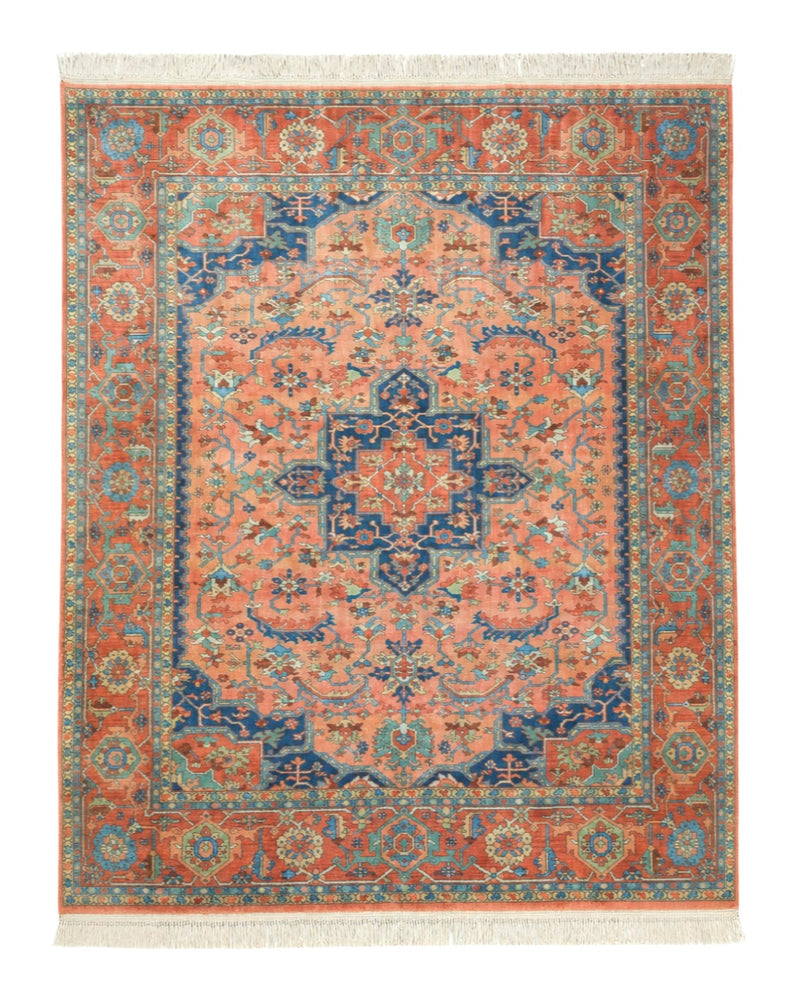
Karastan Serapi Rugs
The #736 Medallion Serapi, #729 Serapi, #743 Ivory Serapi and #744 Antique Serapi: Karastan's designs after the prized antique ...
Karastan Sizes and Runners
The standard Karastan sizes, such as 8' 8" x 12' and 5' 9" x 9', how they compare with today's usual rug sizes, and which sizes...
Karastan Tabriz Rugs
The #738 Tabriz and #747 Indigo Tabriz of the Original Collection, plus the Royal Tabriz of Antique Legends and the Samovar Tab...
Karastan vs. Hand-Knotted Persian Rugs
How a Karastan compares with the hand-knotted Persian rugs that inspired it: construction, look and feel, durability, and value.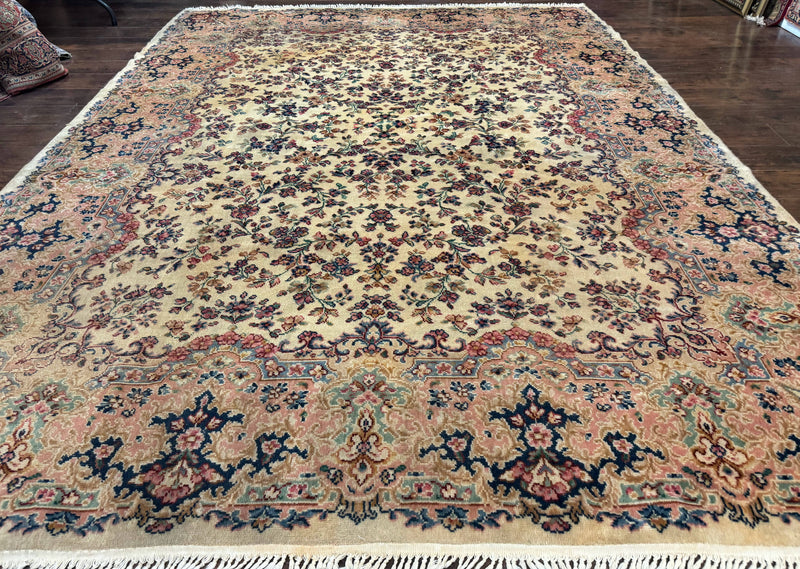
Lanamar by Karastan
Lanamar, a mid-century Karastan line in Kirman, Sarouk and Kashan designs, numbered in the 5500s and prized today as early Kara...
Other Karastan 700 Series Designs
The Bergama, Bijar, Bokhara, Chinese Tianjin, Kashan and Agra designs of Karastan's Original Collection, drawn from Turkey, Cen...
Other Karastan Collections at a Glance
Short notes on smaller Karastan lines: Classic Traditions, Persian Renaissance, Yuruk, Traditions, Ravenna, Mahira and Euphoria.
The History of Karastan
From a Marshall Field mill in North Carolina to the Wonder Rug of the Chicago World's Fair: the story of Karastan from 1928 to ...
The Karastan Antique Legends Collection
The 2200 series: Royal Tabriz, Bakhtiyari, Emperor's Hunt, Oushak and Agra, Karastan's designs based on antique rugs and woven ...
The Karastan Chahar Mahal Collection
The 600 series: Village Green, Village Garden, Sultanabad and other designs after the village and garden rugs of Chahar Mahal i...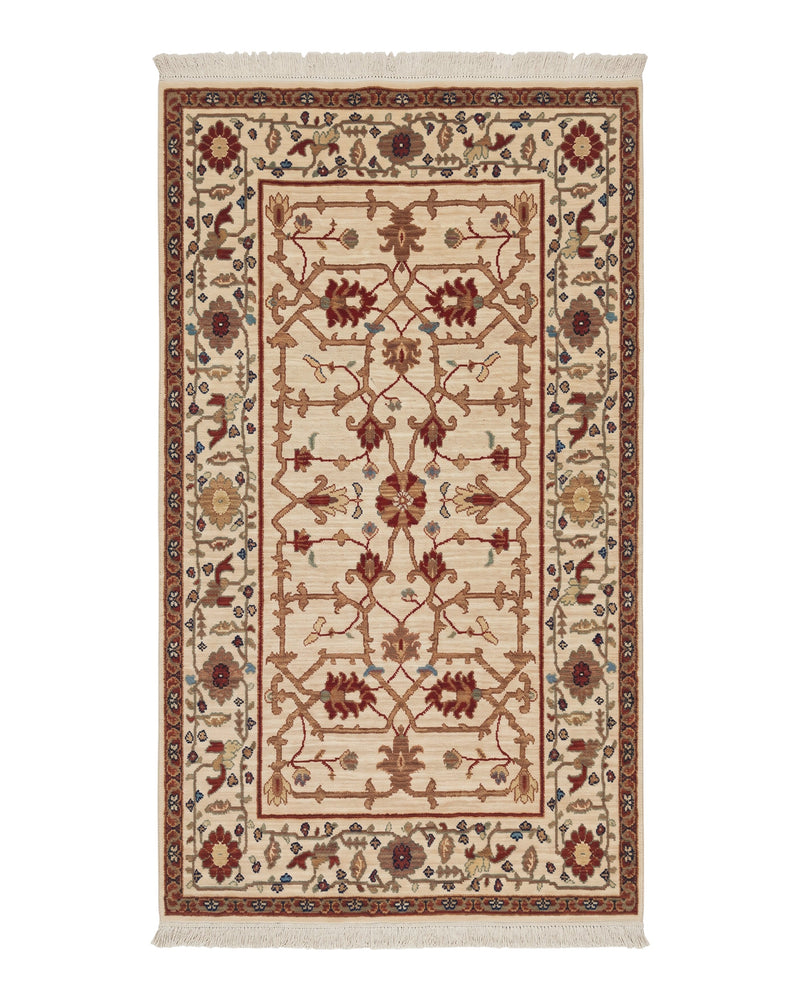
The Karastan English Manor Collection
Karastan's English Manor collection, with designs such as Kensington and Stratford named for English places and suited to tradi...
The Karastan Garden of Eden Collection
The 509 series: Green Savonnerie, Ebony Trellis and Garden Panel, Karastan's floral and garden designs in a lighter, more decor...
The Karastan Original Collection (700 Series)
Karastan's classic numbered designs: Kirman, Sarouk, Heriz, Serapi, Tabriz and more, drawn from the great rugs of Persia, Turke...
The Karastan Samovar Teawash Collection
The 900 series: Persian Vase, Feraghan Sarouk and Tabriz Medallion, Karastan's designs finished with a tea-washed look that rec...
The Karastan Williamsburg Collection
Karastan's Williamsburg designs, adapted from antique rugs at Colonial Williamsburg: #552 Ushak, #553 Turkish Church, #558 Hera...
What a Vintage Karastan Is Worth
What makes one vintage Karastan worth more than another: the design, the era, the size, the colors and, above all, the condition.Practical guides
Buying & Care
Practical guides to choosing, sizing and caring for a rug.
10 entries

Caring for a Handmade Rug
Everyday care for Persian and Oriental rugs: vacuuming, rotating, dealing with spills, when and how to have a rug professionall...
Choosing the Right Rug Size
Simple rules for choosing the right rug size for a living room, dining room, bedroom, hallway or entrance, with clearances and ...
How to Buy a Persian Rug
A practical guide to choosing a Persian or Oriental rug: setting a budget, choosing size and style, checking construction and c...
Moths, Sunlight and Storage
How to protect a wool rug from moths, how sunlight affects rug colors, and how to store a rug safely when it is not in use.
Normal Wear vs. Damage
What is normal in an older handmade rug and what is a real problem: even wear, abrash and old repairs versus holes, dry rot, mo...
Pet Stains and Accidents on a Handmade Rug
What to do the moment a pet has an accident on a Persian or Oriental rug, a gentle home method for fresh spots, what never to u...
Rug Pads
Why a handmade rug needs a pad, which type to choose for hard floors and carpet, how to size it, and which pads to avoid.
Rug Sizes Explained
Standard rug sizes and the traditional Persian size names: zaronim, dozar, kelleh, runner and more, with how handmade rugs are ...
Styling a Persian Rug in a Modern Home
How to make a Persian rug feel at home in a modern room: choosing color, pattern and size, and placing it in living rooms, dini...
What Determines a Rug's Value
Why two rugs that look alike can be worth very different amounts: origin and type, fineness, materials, design and color, age, ...Every entry, A–Z
AAbadeh RugsAfghan RugsAfshar RugsAll-Over Designs: Herati, Mina Khani and MoreAnatomy of a Rug: Field, Medallion, Borders and FringeAntique, Semi-Antique and Vintage RugsArdabil RugsAubusson Rugs
CCaring for a Handmade RugCaring for a Karastan RugCaucasian RugsChinese RugsChobi and Ziegler-Style RugsChoosing the Right Rug SizeCity, Village & Tribal Rugs: The Three Weaving Traditions
HHamadan RugsHand-Knotted vs. Hand-Tufted vs. Machine-Made RugsHereke RugsHeriz RugsHow Rugs Are DatedHow a Karastan Is MadeHow to Buy a Persian RugHow to Identify and Date a Vintage Karastan
KKara Shah Rugs by KarastanKarajeh RugsKarastan #717 Multicolor Panel KirmanKarastan #723 Persian Hunting RugKarastan Heriz RugsKarastan Kirman RugsKarastan Pattern Numbers ExplainedKarastan Rugs: The Complete GuideKarastan Sarouk RugsKarastan Serapi RugsKarastan Sizes and RunnersKarastan Tabriz RugsKarastan vs. Hand-Knotted Persian RugsKashan RugsKashmar RugsKashmir Silk RugsKazak RugsKerman (Kirman) RugsKilim RugsKnots & Knot Density (KPSI)Kurdish Rugs
MMahal and Sultanabad RugsMalayer RugsMashad RugsMedallion DesignsMoroccan RugsMoths, Sunlight and Storage
PPak-Persian RugsPakistani Rugs and Bokhara DesignsPersian City RugsPersian Tribal RugsPersian Turkoman RugsPersian Village RugsPersian vs. Afghan Rugs: What's the Difference?Persian vs. Oriental RugsPet Stains and Accidents on a Handmade RugPictorial and Hunting RugsPrayer Rugs
RRomanian RugsRug Colors and Their MeaningsRug Glossary: Terms from A to ZRug Materials: Wool, Silk, Cotton and MoreRug Motifs and Their MeaningsRug PadsRug Sizes Explained
TTabriz RugsTehran RugsThe Boteh (Paisley) MotifThe History of KarastanThe Karastan Antique Legends CollectionThe Karastan Chahar Mahal CollectionThe Karastan English Manor CollectionThe Karastan Garden of Eden CollectionThe Karastan Original Collection (700 Series)The Karastan Samovar Teawash CollectionThe Karastan Williamsburg CollectionTibetan RugsTurkish RugsTypes of Persian Rugs: A Complete Guide