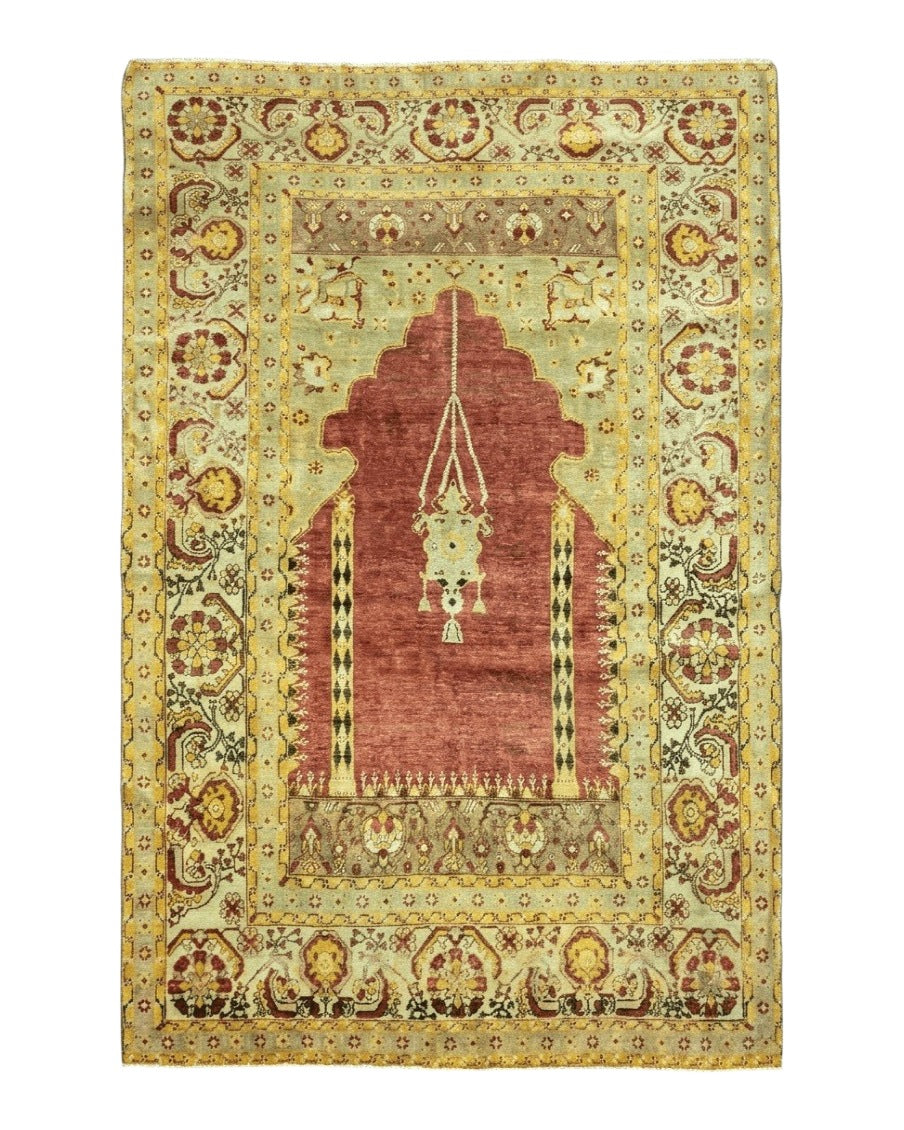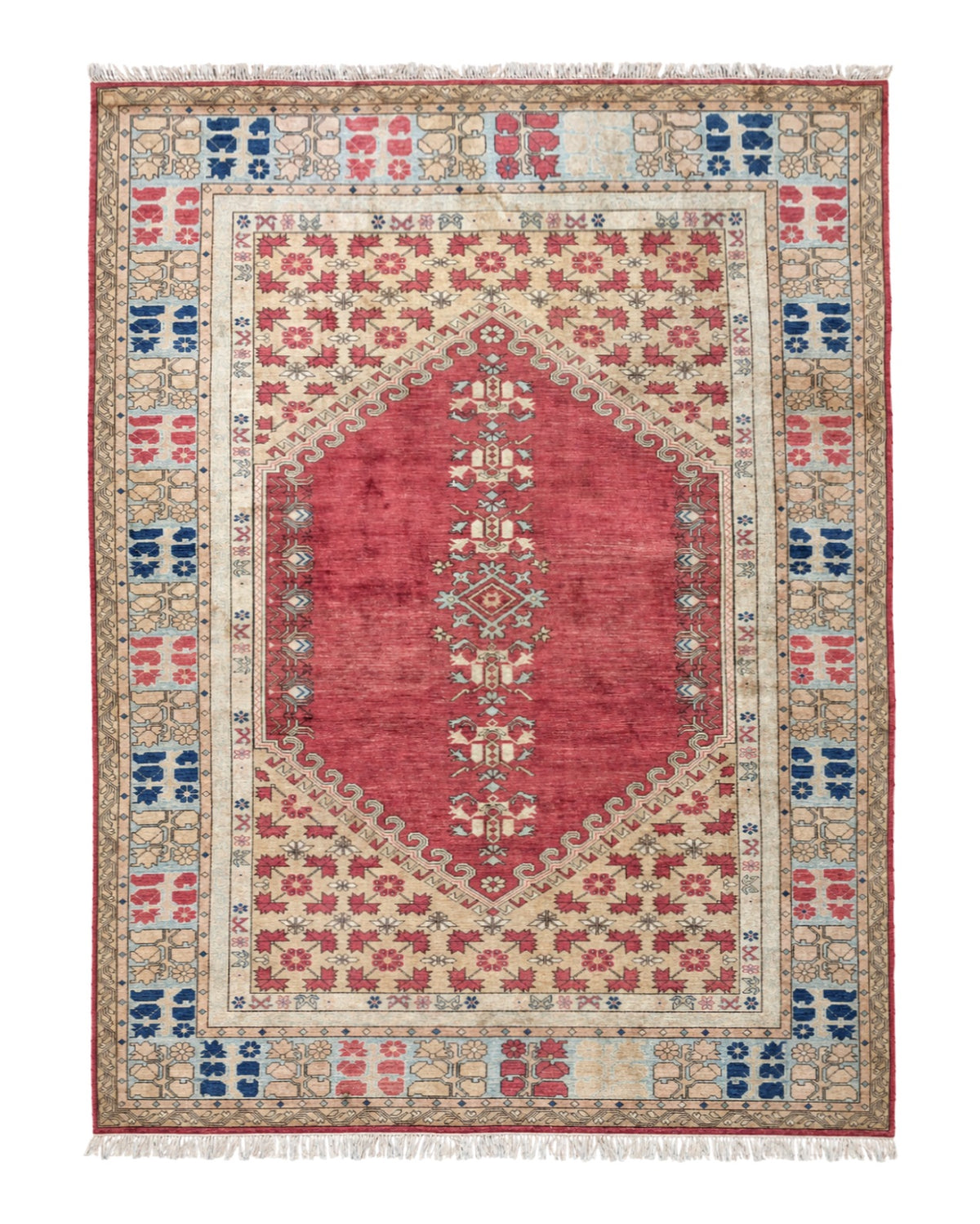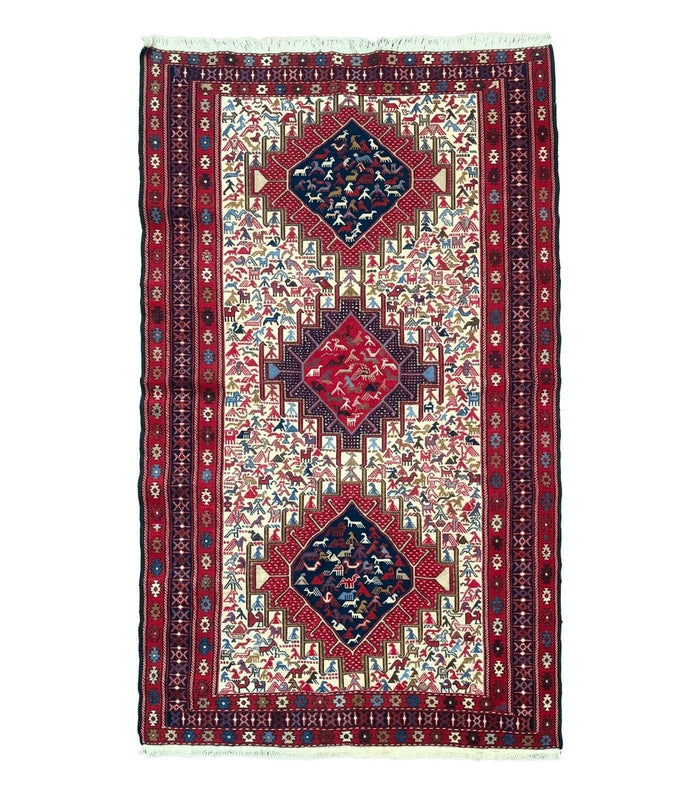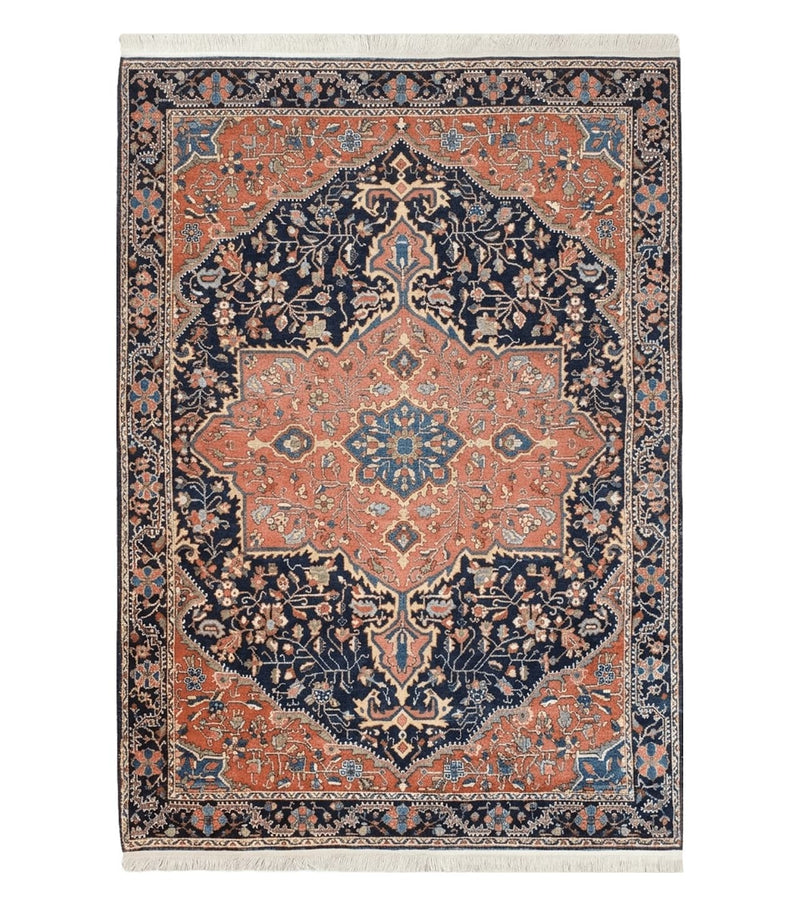


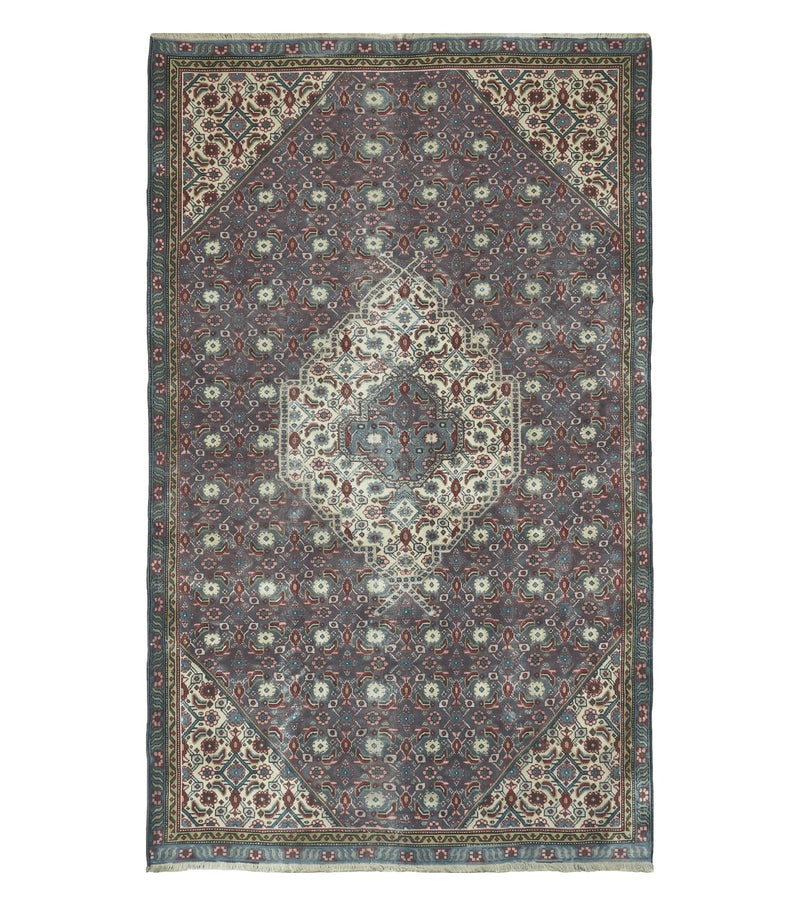


"Persian rug" and "Oriental rug" are often used as if they mean the same thing, but they don't. Oriental rug is the broad term for hand-woven rugs from a wide belt of countries stretching from Turkey to China. Persian rug means a rug woven in one of those countries: Iran. So every Persian rug is an Oriental rug, but most Oriental rugs are not Persian.
| Oriental rug | A hand-knotted or flatwoven rug from the traditional rug-weaving belt of Asia, from Turkey to China |
|---|---|
| Persian rug | An Oriental rug woven in Iran (historically Persia) |
| Relationship | Persian rugs are one group within Oriental rugs |
| Other Oriental origins | Turkey, the Caucasus, Central Asia, Afghanistan, Pakistan, India, China, Tibet and Nepal |
| Watch for | "Oriental-style" and "Persian-style" can describe machine-made rugs |
What "Oriental rug" means
In the rug trade, an Oriental rug is a rug woven by hand in the traditional weaving countries of Asia. Europeans once called this region "the Orient," and the name stuck to the rugs that came from it. The term covers knotted pile rugs and flatweaves such as kilims, and it covers rugs from very different traditions: Turkish village rugs, Caucasian tribal rugs, Turkmen rugs from Central Asia, Afghan, Pakistani, Indian, Chinese and Tibetan rugs, and of course Persian rugs.
The word is still the standard term in the rug business and in most reference books. Some people now prefer to call these rugs "hand-knotted rugs" or simply to name them by origin, such as "Turkish" or "Afghan," which is often more precise anyway.
What "Persian rug" means
A Persian rug is an Oriental rug woven in Iran. Iran has the largest and most varied weaving tradition in the rug belt, with hundreds of named types from cities, villages and tribes. Because Persian rugs are so well known, "Persian" is sometimes used loosely for any rug with a traditional design. Strictly, though, it describes where a rug was made, not what it looks like. What Is a Persian Rug? covers this in detail.
The main Oriental rug traditions
| Origin | Typical character |
|---|---|
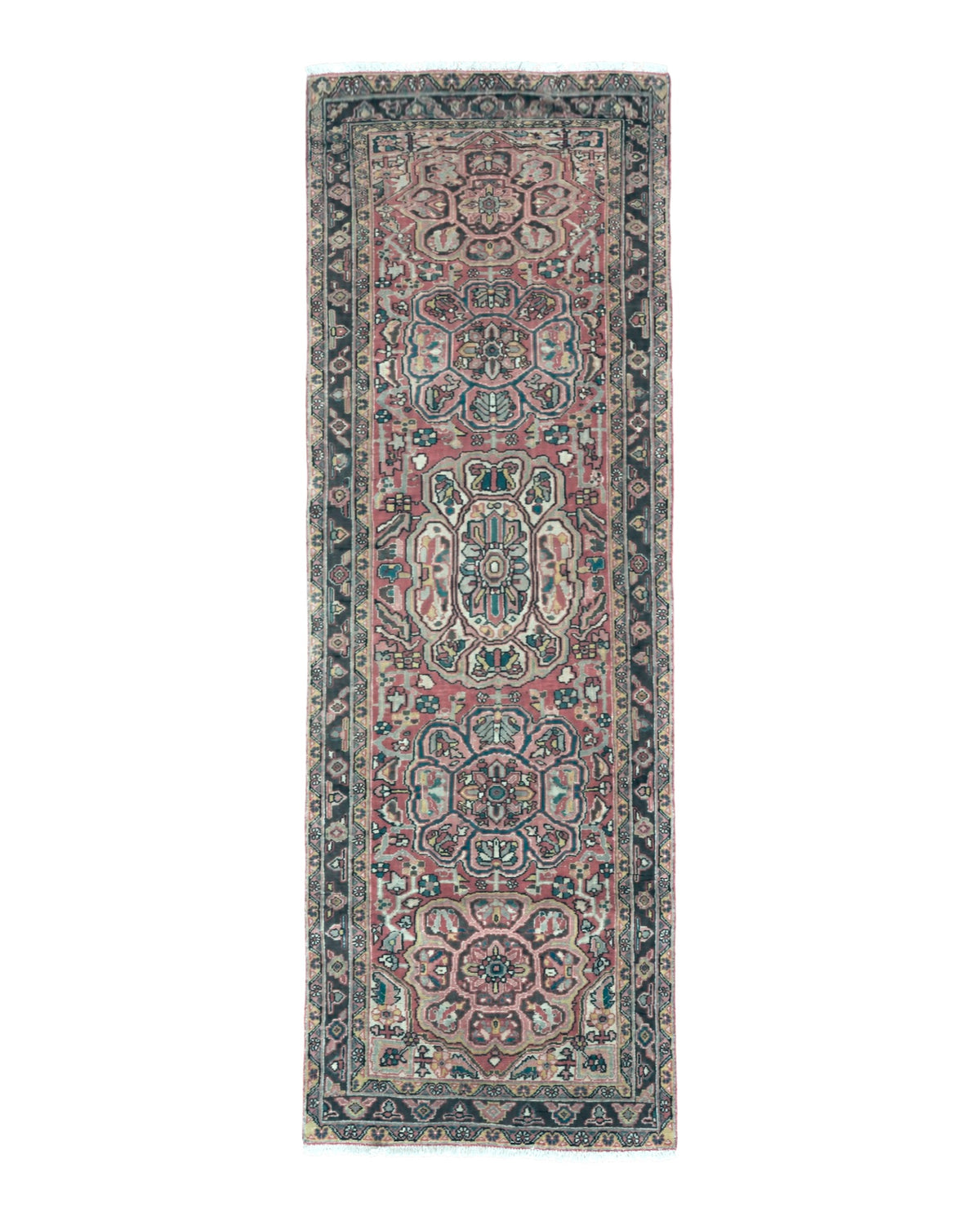
| Persian (Iran) | The widest range of all: fine curvilinear city rugs, bold village rugs and expressive tribal rugs |
| Turkish (Anatolian) | Geometric village designs, prayer rugs and soft, warm palettes such as Oushak; symmetric knot |
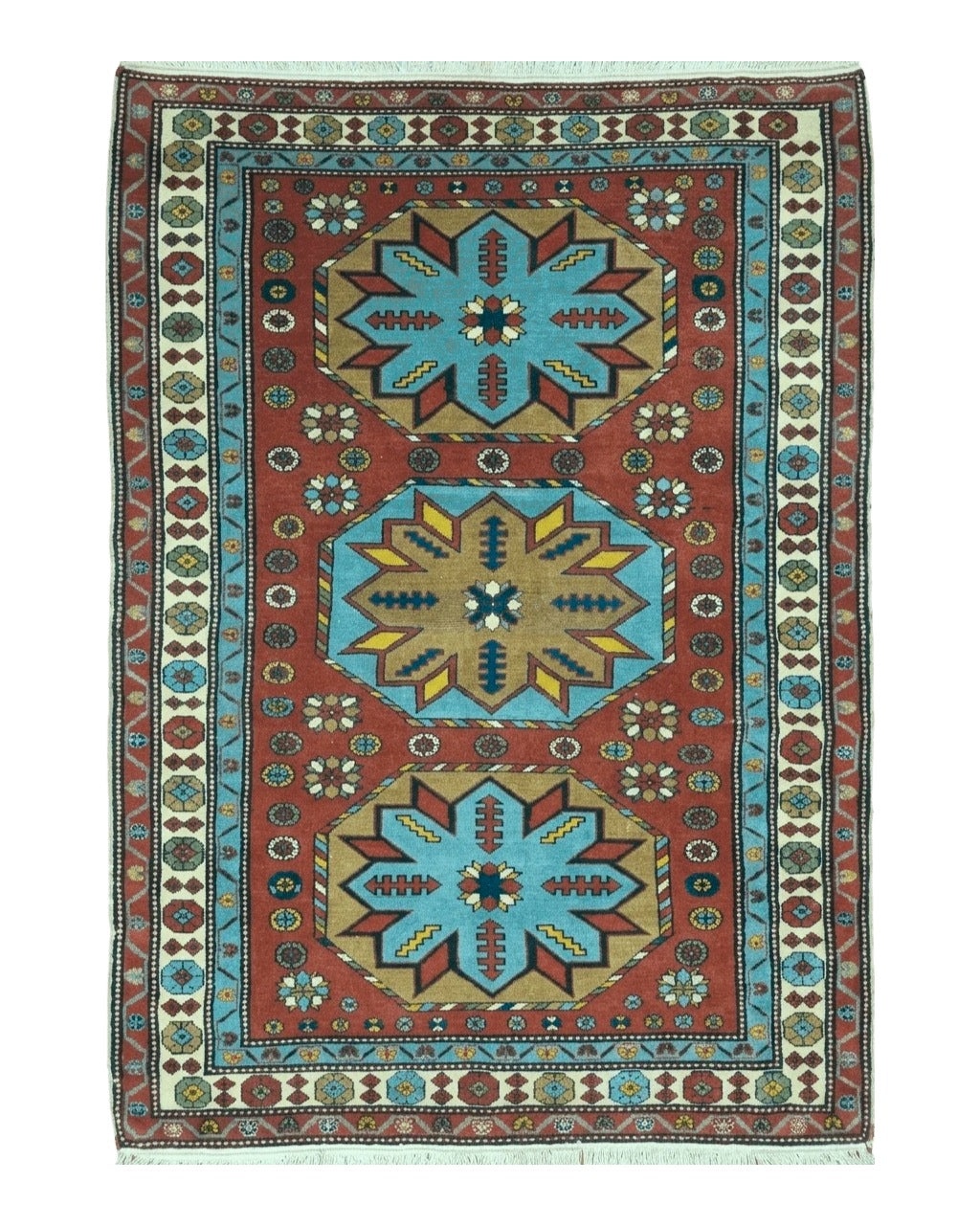
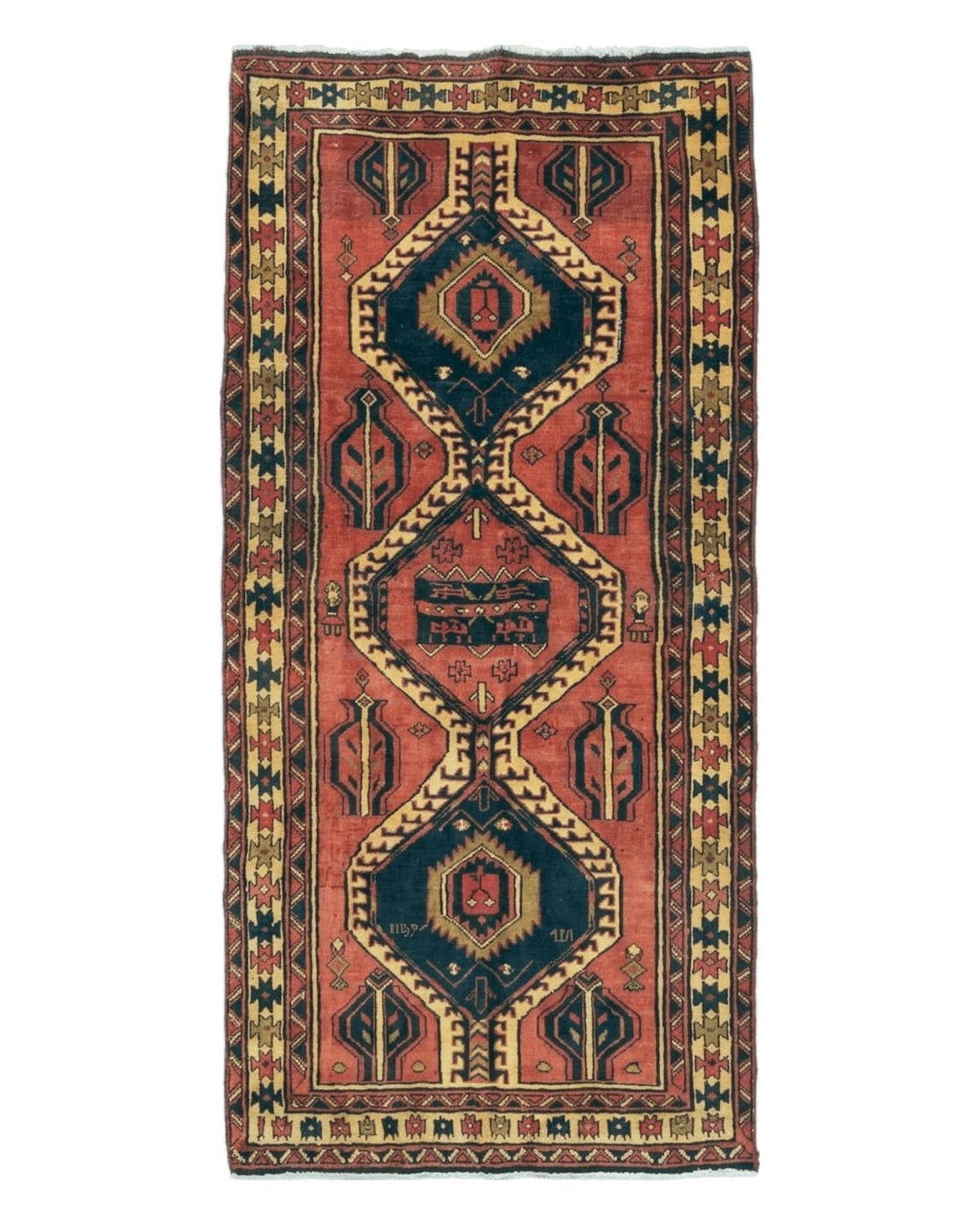
| Caucasian | Bold geometric medallions and bright colors, as in Kazak and Shirvan rugs |
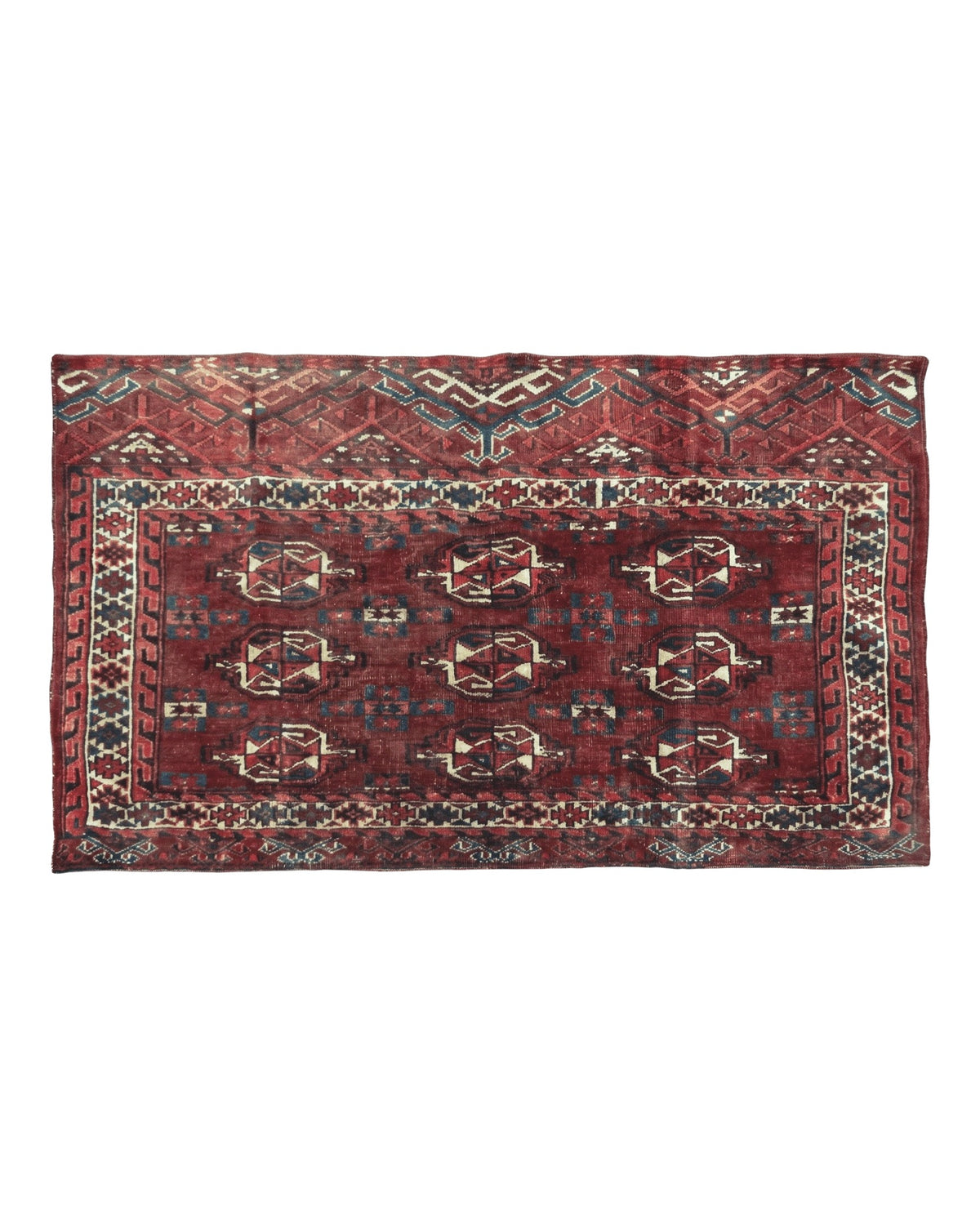
| Turkmen | Repeating gul motifs, usually on deep red grounds |
| Afghan | Turkmen-style gul rugs, deep reds, and the softer Chobi style |
| Pakistani | Bokhara (gul) designs and Persian designs, often with a soft, lustrous finish |
| Indian | Persian-inspired designs and a long tradition of fine workshop weaving |
| Chinese | Open fields, Chinese symbols and medallions, often with sculpted (carved) pile |
| Tibetan | Thick, soft rugs tied with the distinctive Tibetan knot |
How Persian rugs differ from other Oriental rugs
There is no single feature that marks a rug as Persian, because Iran's own weaving is so varied. Experts look at several clues together:
- Knot. Iran uses both the symmetric and the asymmetric knot, depending on the region. Turkish and Caucasian rugs almost always use the symmetric knot, and Tibetan rugs use a different technique altogether. See Knots and Knot Density.
- Design. Each region has its own designs and ways of drawing them. A Heriz medallion, a Caucasian Kazak and a Turkmen gul are easy to tell apart once you have seen a few.
- Construction. The foundation material, the number of wefts between rows of knots, and how the sides and ends are finished all vary by region.
- Color. Palettes differ from place to place, from the ivory and blue of Nain to the brick red of Heriz and the madder red of Turkmen rugs.
"Oriental-style" and "Persian-style"
When a rug is described as Oriental-style or Persian-style, the word "style" usually means the design is traditional but the rug was not hand-knotted in the rug belt. Many of these are machine-made or hand-tufted. Some, such as vintage Karastan rugs, are well-made and collectible in their own right, but they are a different thing from a hand-knotted Oriental rug. Hand-Knotted vs. Hand-Tufted vs. Machine-Made shows how to tell them apart.
Which term should you use?
Use the most specific term you can. If you know a rug was woven in Iran, call it Persian, and if you know the town or tribe, use that name too, such as a "Persian Tabriz" or a "Persian Qashqai." If it was woven elsewhere in the rug belt, name the country or region, such as Turkish, Caucasian or Afghan. Use "Oriental rug" when you mean the whole family of hand-woven rugs from these countries.
For a close look at two neighboring traditions, see our article Persian Rugs vs. Afghan Rugs: What's the Difference?