



Persian and Afghan rugs are neighbors, and their weaving traditions overlap at the border. Both are hand-knotted, mostly from wool, and both can last for generations. Yet they usually look and feel quite different. Persian rugs are best known for refined floral designs and a wide range of colors; Afghan rugs for bold geometric patterns, deep reds and a thick, lustrous wool. This entry explains the differences and how to tell the two apart.
| Persian | Woven in Iran; city, village and tribal traditions |
|---|---|
| Afghan | Woven in Afghanistan, and by Afghan weavers in Pakistan |
| Persian designs | Floral medallions, allover florals, garden and pictorial designs, plus geometric village and tribal rugs |
| Afghan designs | Turkmen guls, Baluch geometrics, and revival designs such as Chobi |
| Typical colors | Persian: wide palette. Afghan: deep reds, rust, navy and ivory; soft tones in Chobi rugs |
| Wool | Afghan wool is often thick and very lustrous |
Where they come from
Persian rugs are woven in Iran, which has one of the oldest and most varied rug traditions in the world, from the fine workshop rugs of cities such as Tabriz and Kashan to village and nomadic rugs. See What Is a Persian Rug?
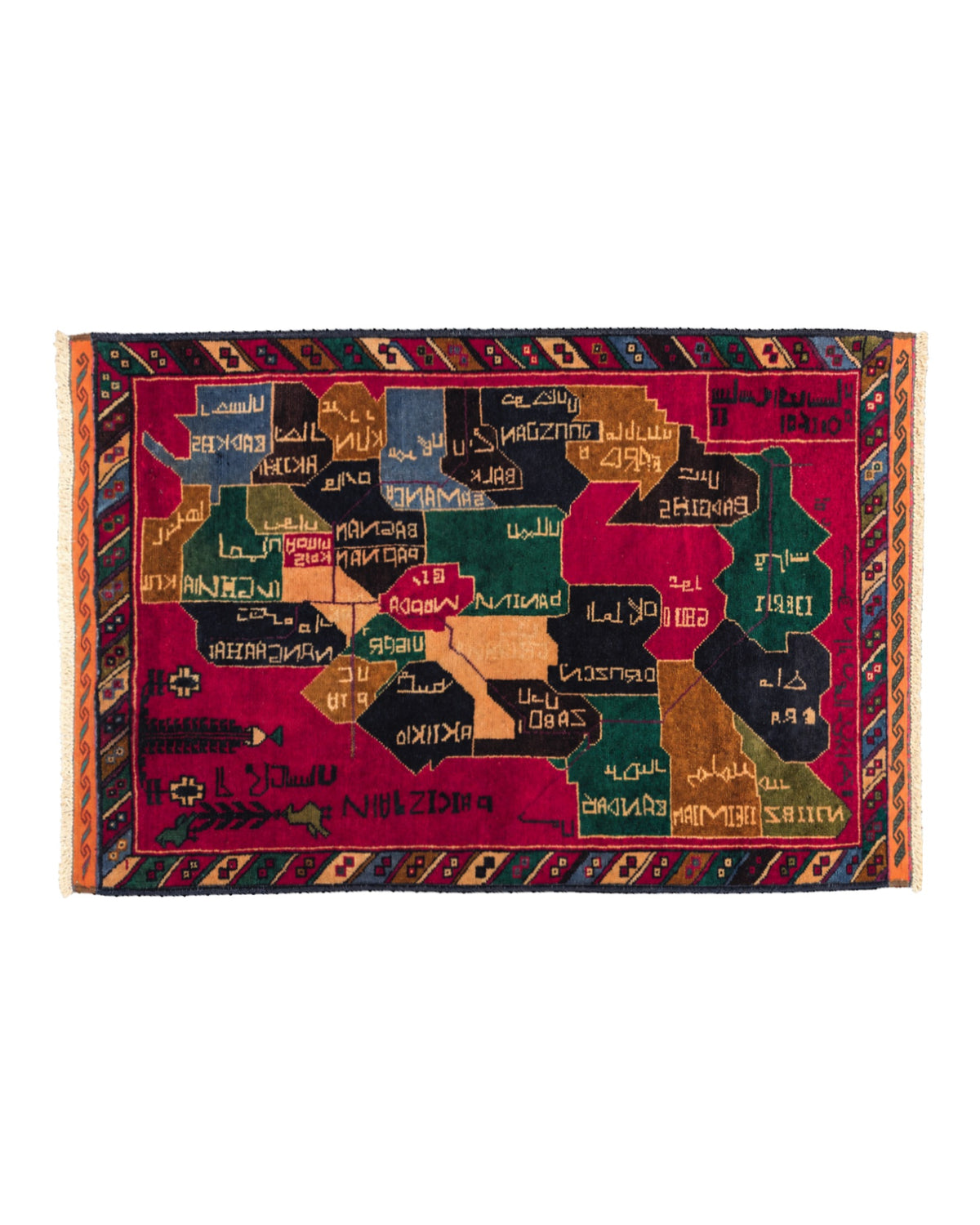
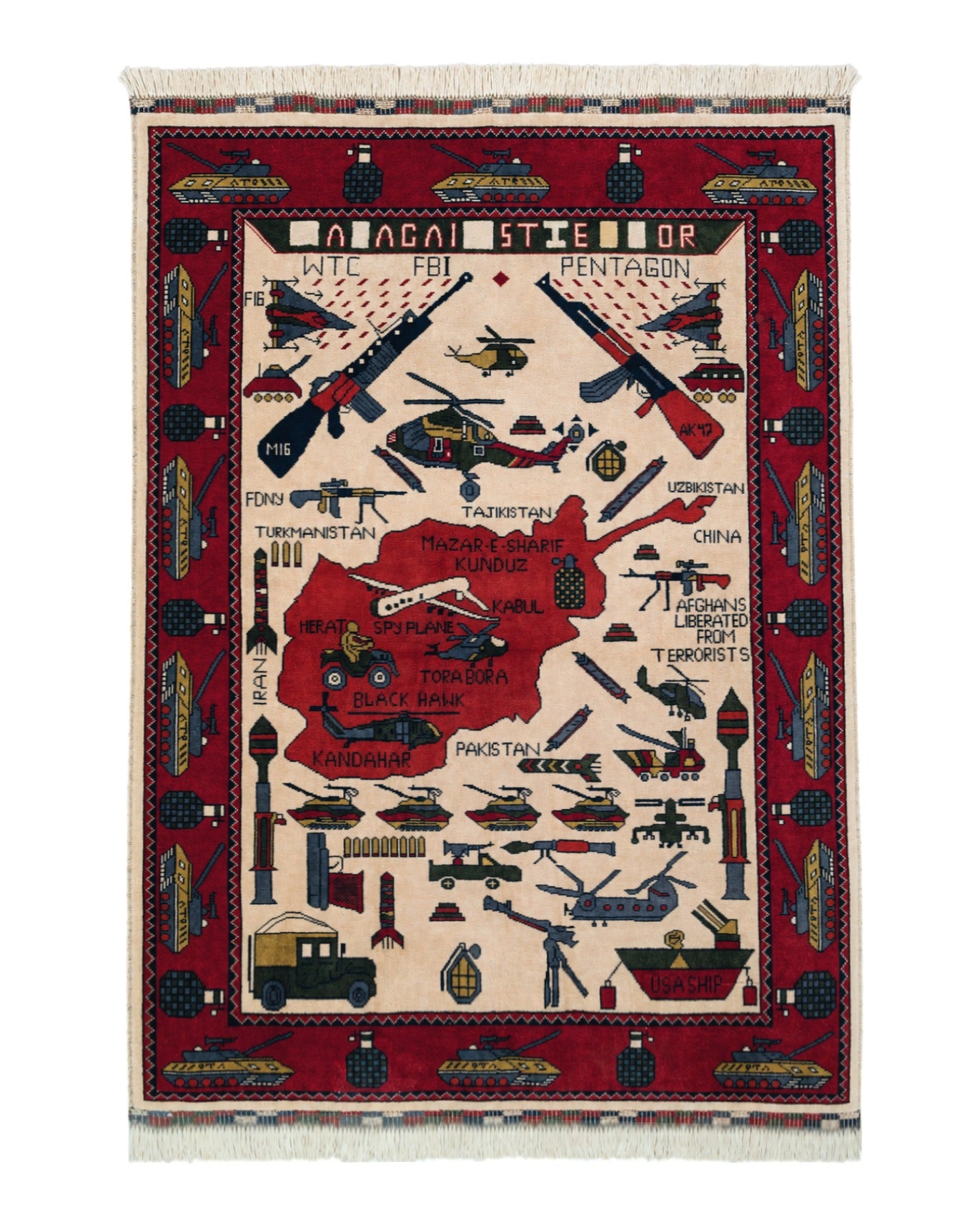
Afghan weaving grew from the traditions of the Turkmen, Baluch, Uzbek and other peoples of northern and western Afghanistan, on the old trade routes between Persia and Central Asia. Since the 1980s much Afghan weaving has also been done by Afghan refugees in Pakistan. See Afghan Rugs.
Design
The difference is easiest to see in the design:
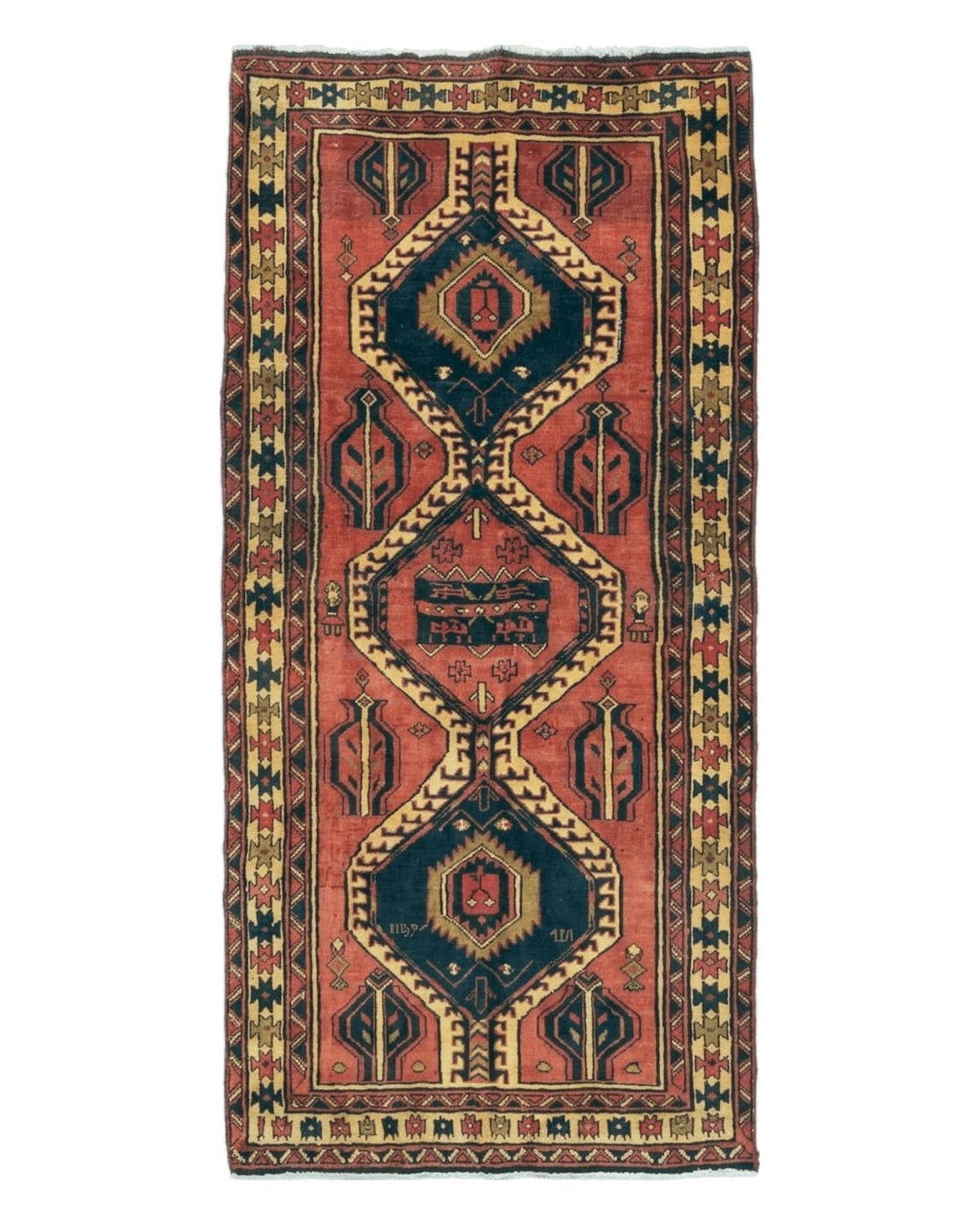
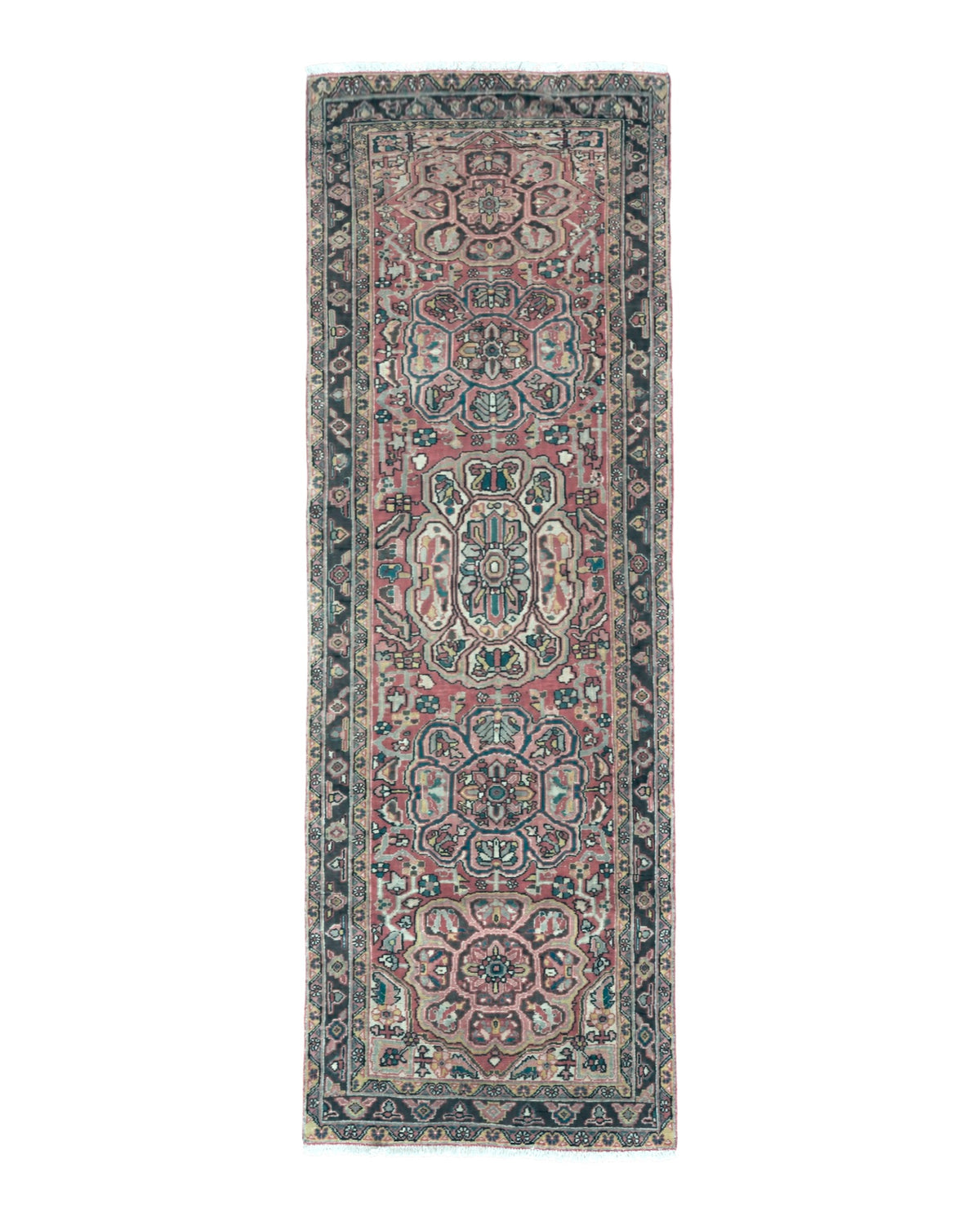
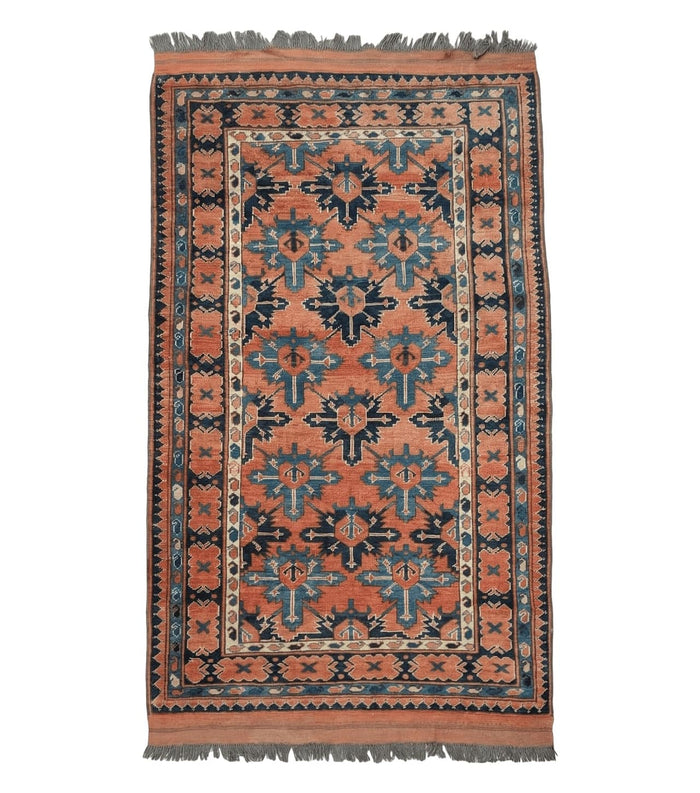
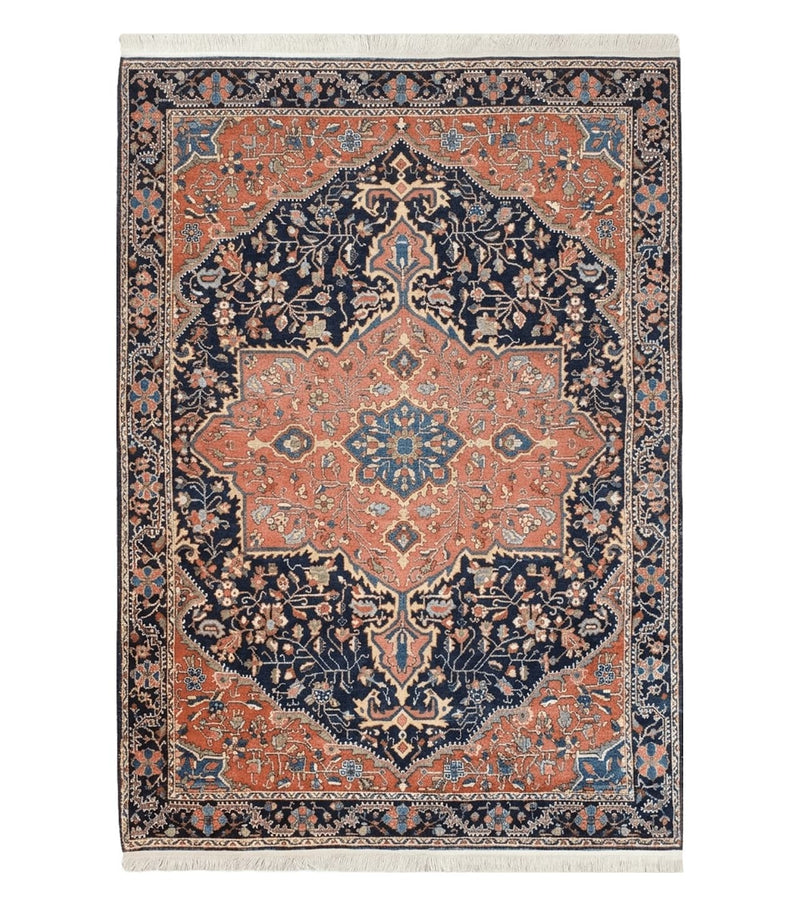
- Persian city rugs are curvilinear and detailed: central medallions, scrolling vines, palmettes and flowers, drawn from a designer's plan. Persian village and tribal rugs are bolder and more geometric.
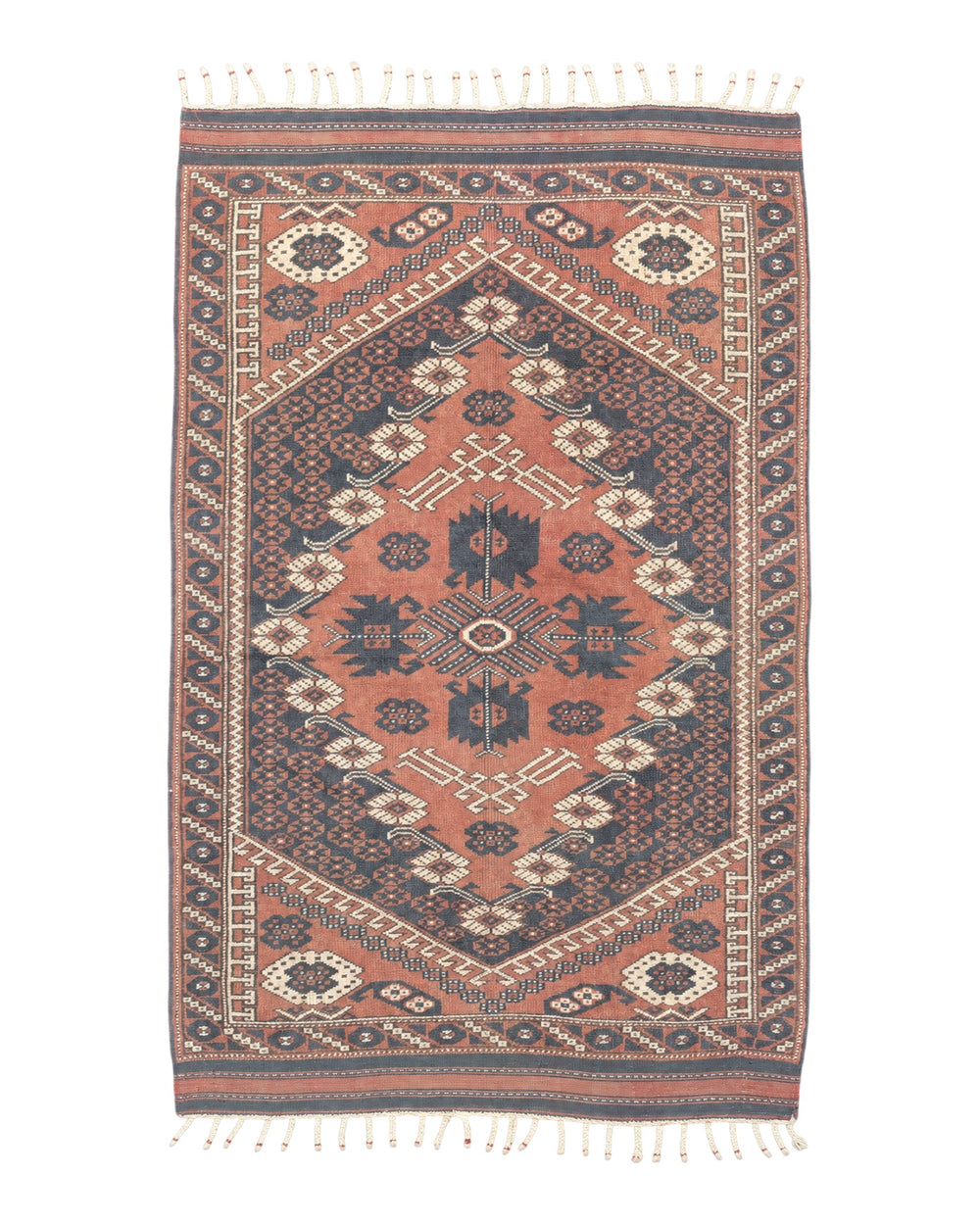
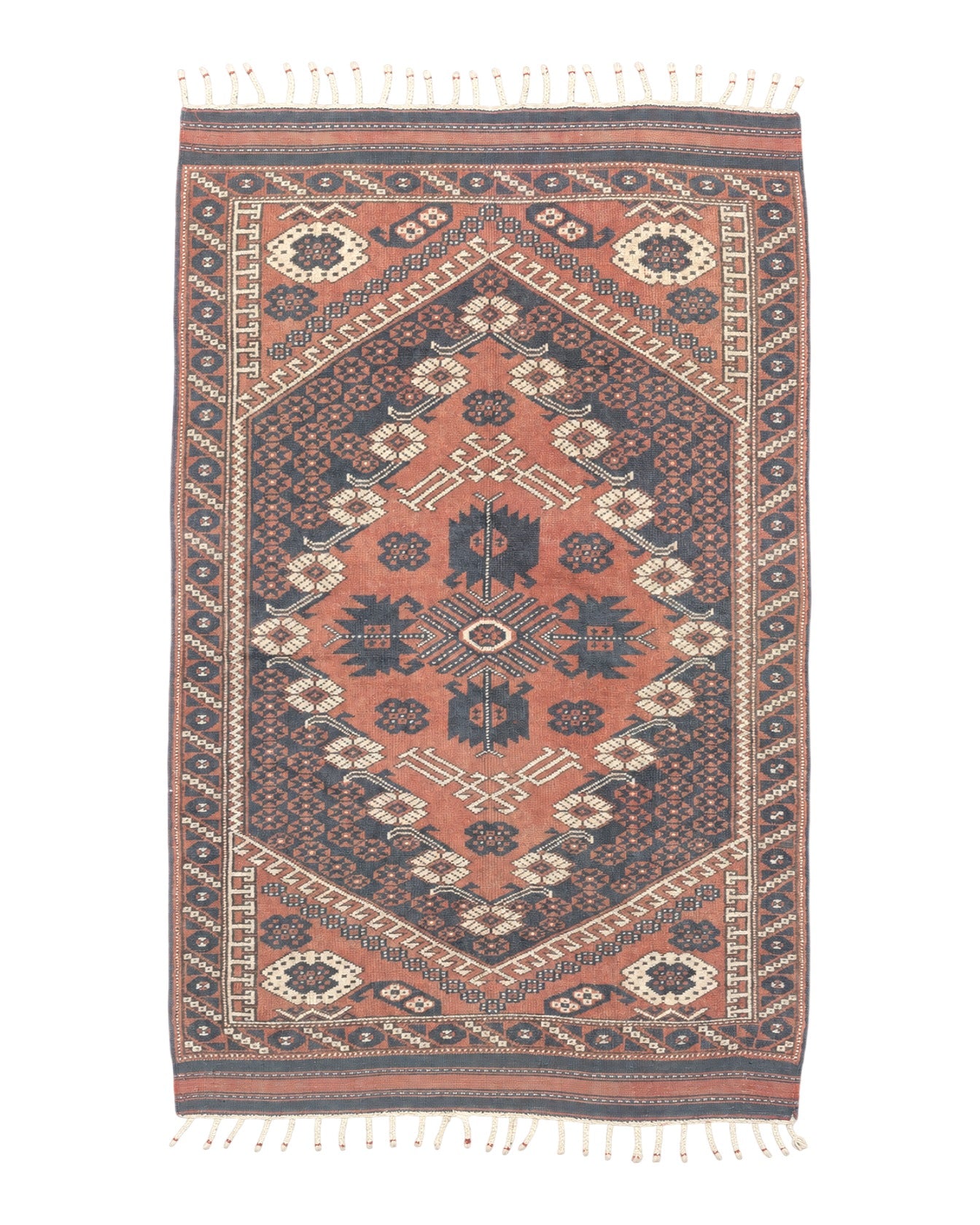
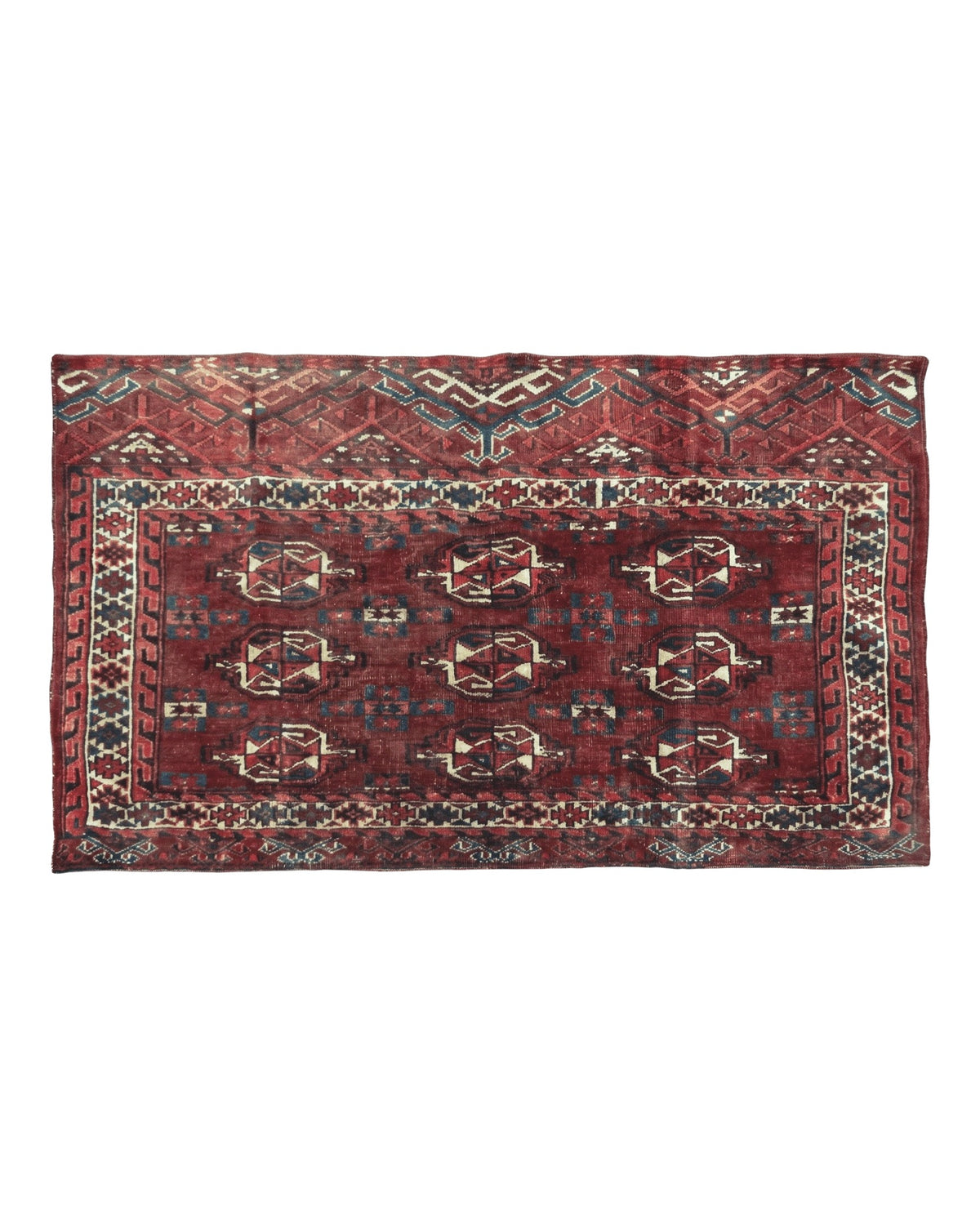
- Afghan Turkmen rugs are built from rows of repeated octagonal motifs called guls, on a red or rust ground. This is the look often sold as "Bokhara" or "elephant's foot." See Pakistani Rugs and Bokhara Designs.
- Baluch rugs, woven on both sides of the border, are small, dark and geometric, in deep blue, red and brown. See Baluch Rugs.
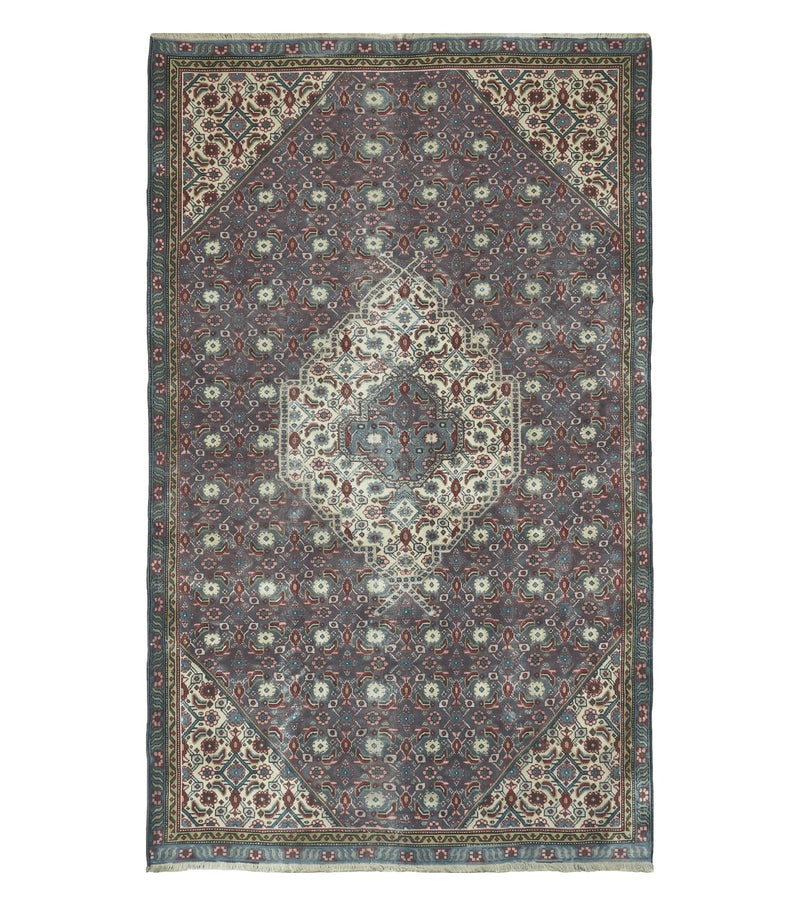
- Afghan revival rugs, such as Chobi and Ziegler-style rugs, adapt classic Persian and 19th-century designs in soft, vegetable-dyed tones. These can look surprisingly Persian. See Chobi and Ziegler-Style Rugs.
Color
Persian rugs use a very wide palette: reds and blues, but also ivory, gold, green, rose and soft pastels, depending on the region. Traditional Afghan rugs are narrower in range, dominated by deep red, madder, rust and dark blue, with touches of ivory and orange. Afghan Chobi rugs are the exception, with softened golds, rusts and creams.
Wool, weave and feel
Afghan rugs are known for thick, glossy hand-spun wool, which gives them a rich sheen and a soft, substantial feel. Persian rugs vary widely, from the short, fine pile of a Kashan or Nain to the thick, firm pile of a Heriz. Both traditions use the asymmetric (Persian) knot and the symmetric (Turkish) knot, depending on the group; knot density alone is not a reliable way to tell them apart. See Knots and Knot Density.
How to tell them apart
- Look at the design. Rows of guls on red suggest a Turkmen-style Afghan rug; flowing floral medallions suggest a Persian city rug.
- Look at the colors. A narrow palette of deep red and blue points toward Afghanistan; a broad palette with ivory, gold and green points toward Persia.
- Feel the wool. Very lustrous, slightly springy wool is typical of many Afghan rugs.
- Check the ends and sides. Afghan rugs often have long flatwoven ends (kilim ends) and goat-hair or wool side cords.
- Ask the dealer. Some revival rugs are hard to place without knowing their origin.
Value
Fine Persian city rugs and important antique Persian pieces generally command higher prices, reflecting their fineness, reputation and, since the sanctions on Iranian goods, their scarcity in the American market. Afghan rugs usually offer excellent handmade quality and durability at more approachable prices, and fine antique Turkmen pieces are prized by collectors. See What Determines a Rug's Value.
Which to choose
Choose a Persian rug if you love refined florals, a broad palette or a classic formal look. Choose an Afghan rug if you prefer bold geometric patterns, deep warm reds and a thick, lustrous pile that stands up well in busy rooms. Both are genuine handmade rugs with long traditions behind them.