





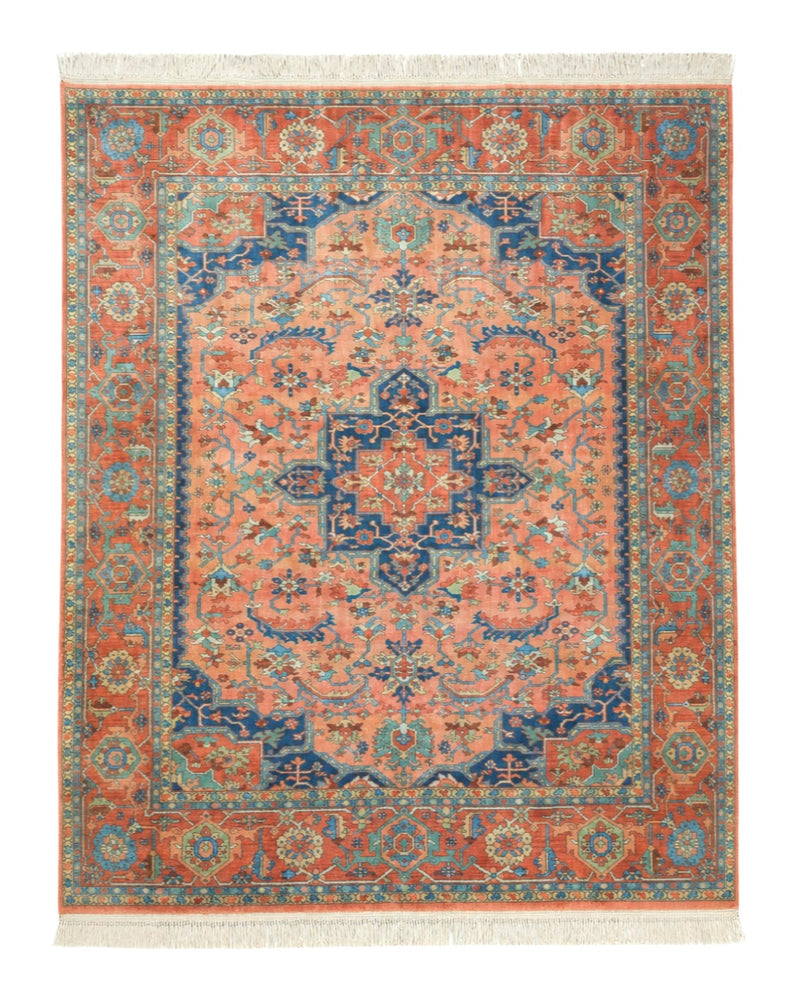


Sultanabad Rugs
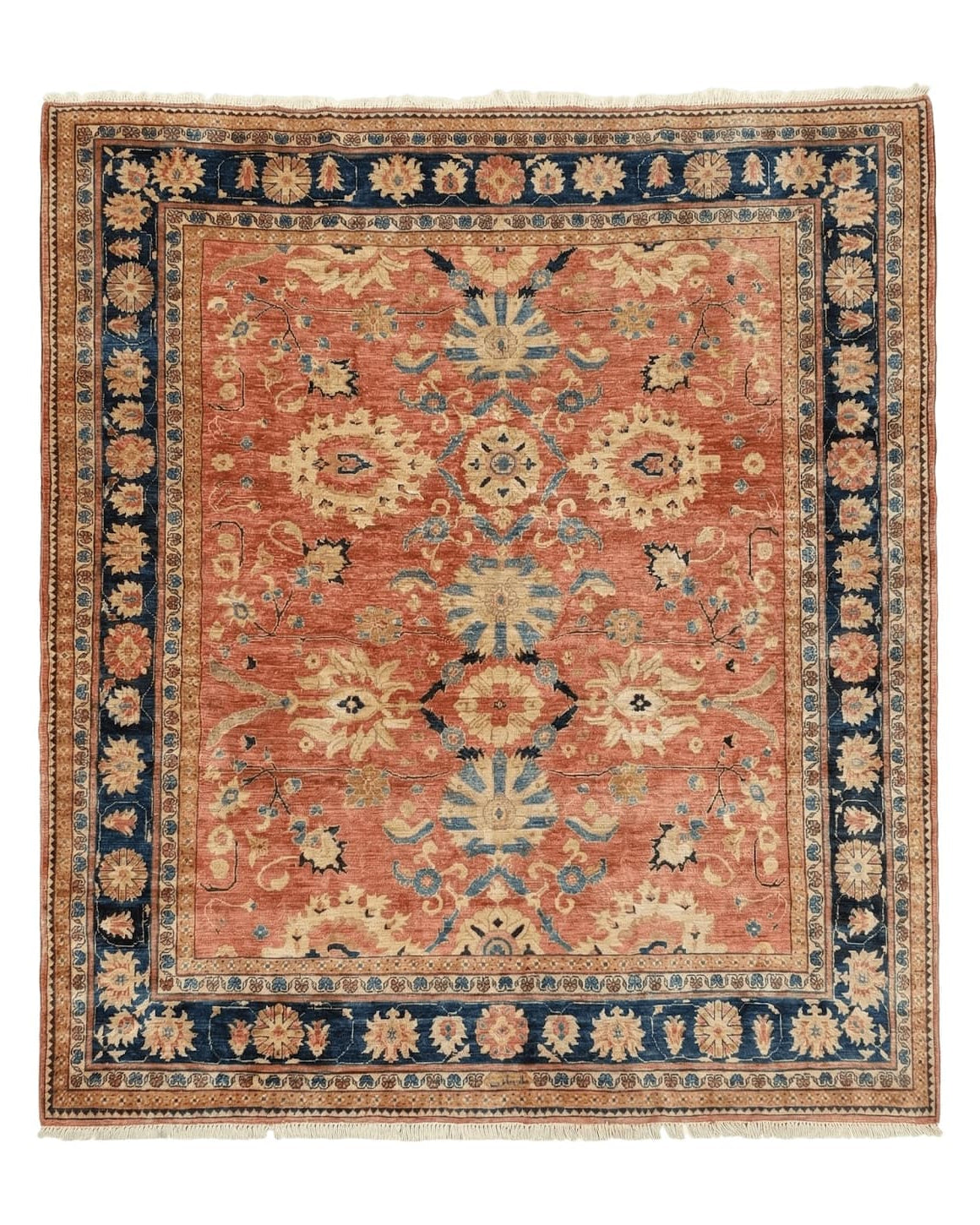
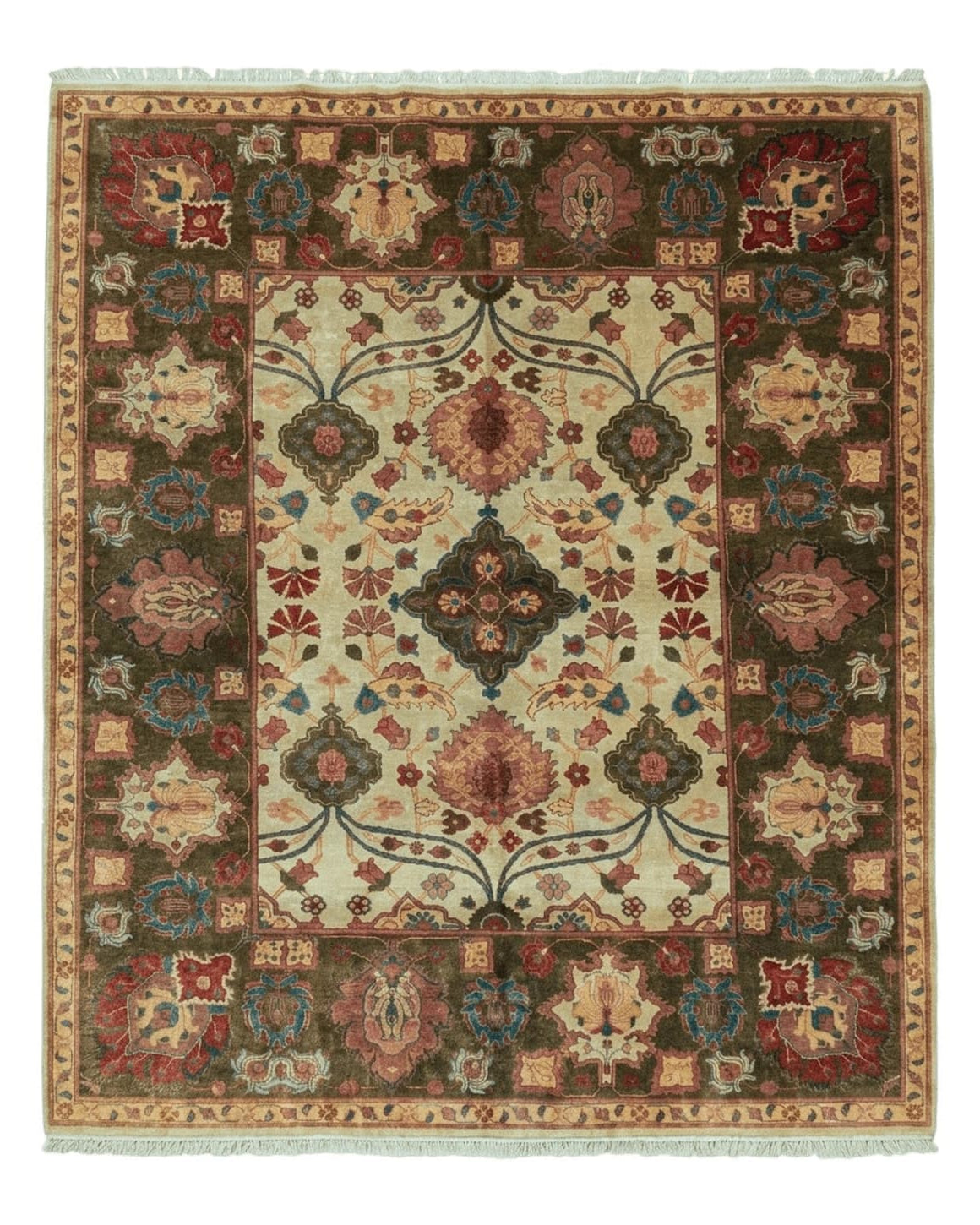
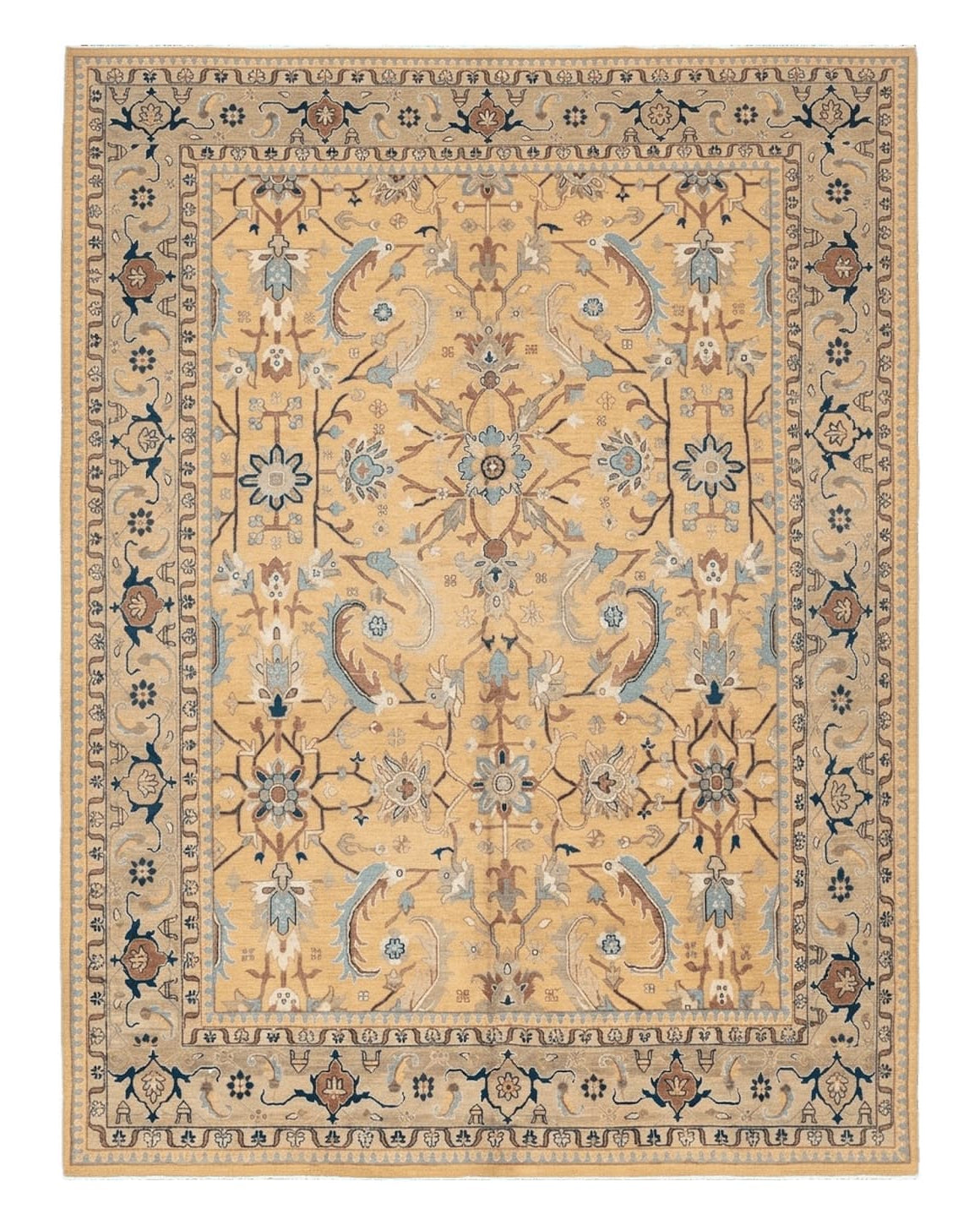
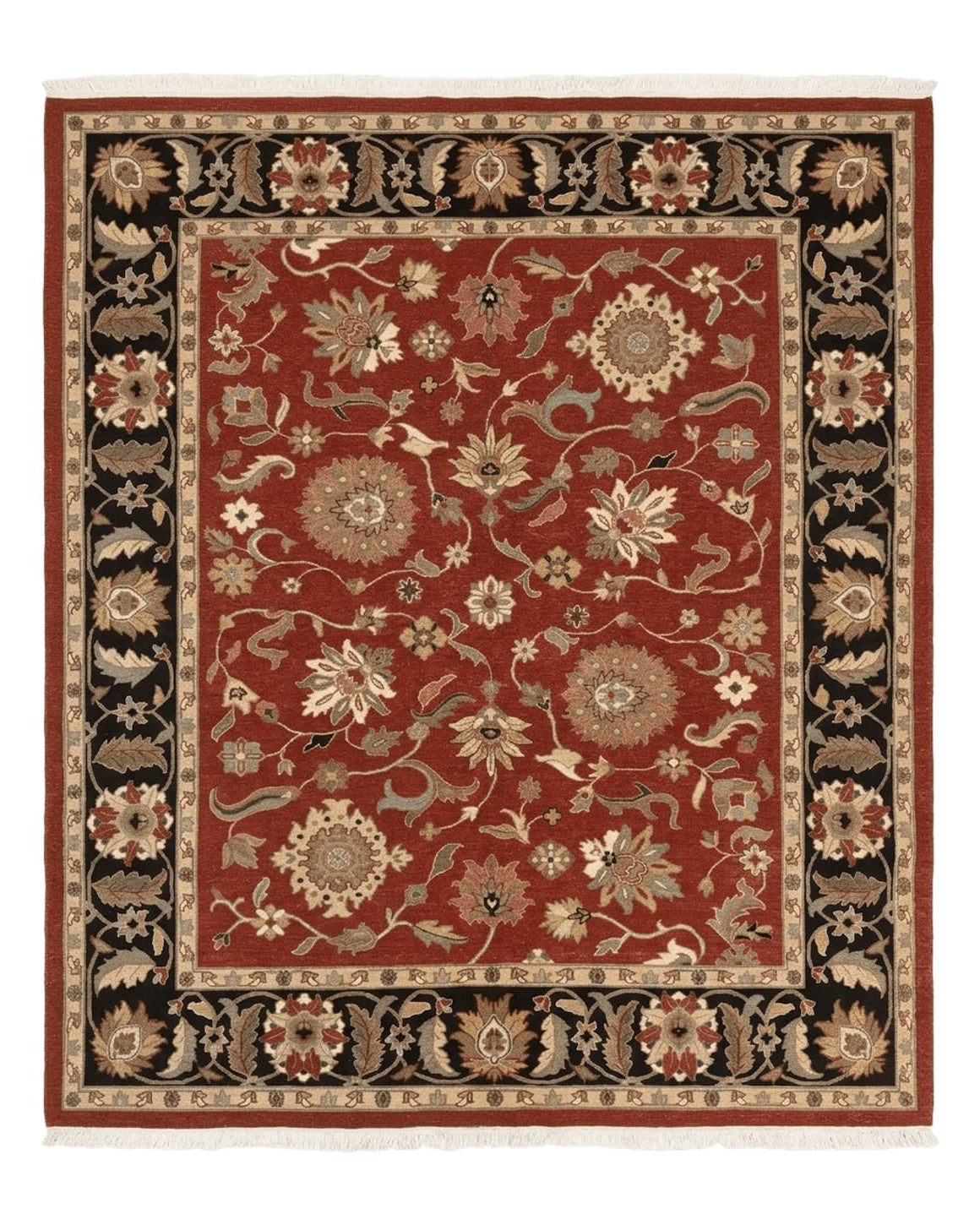
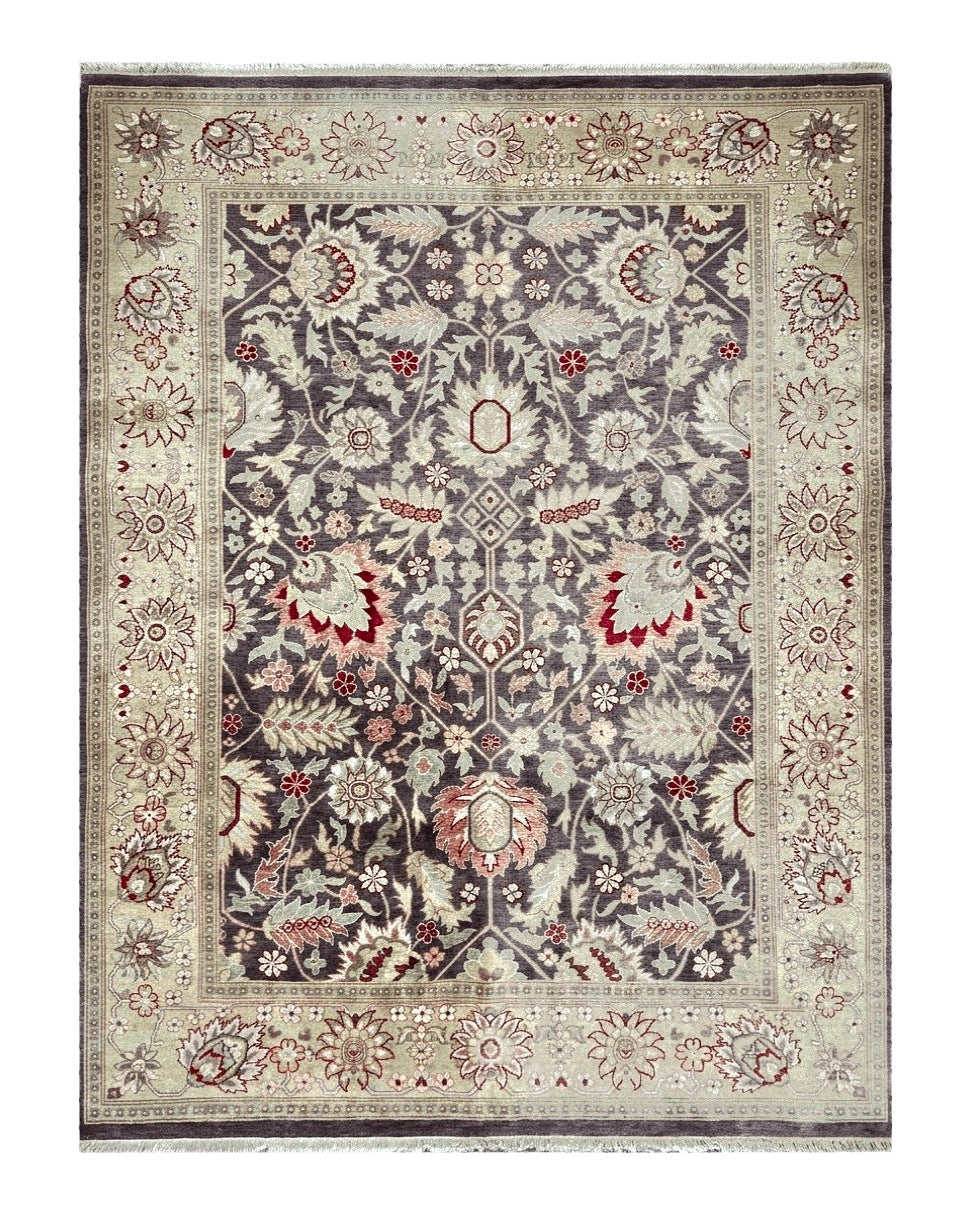
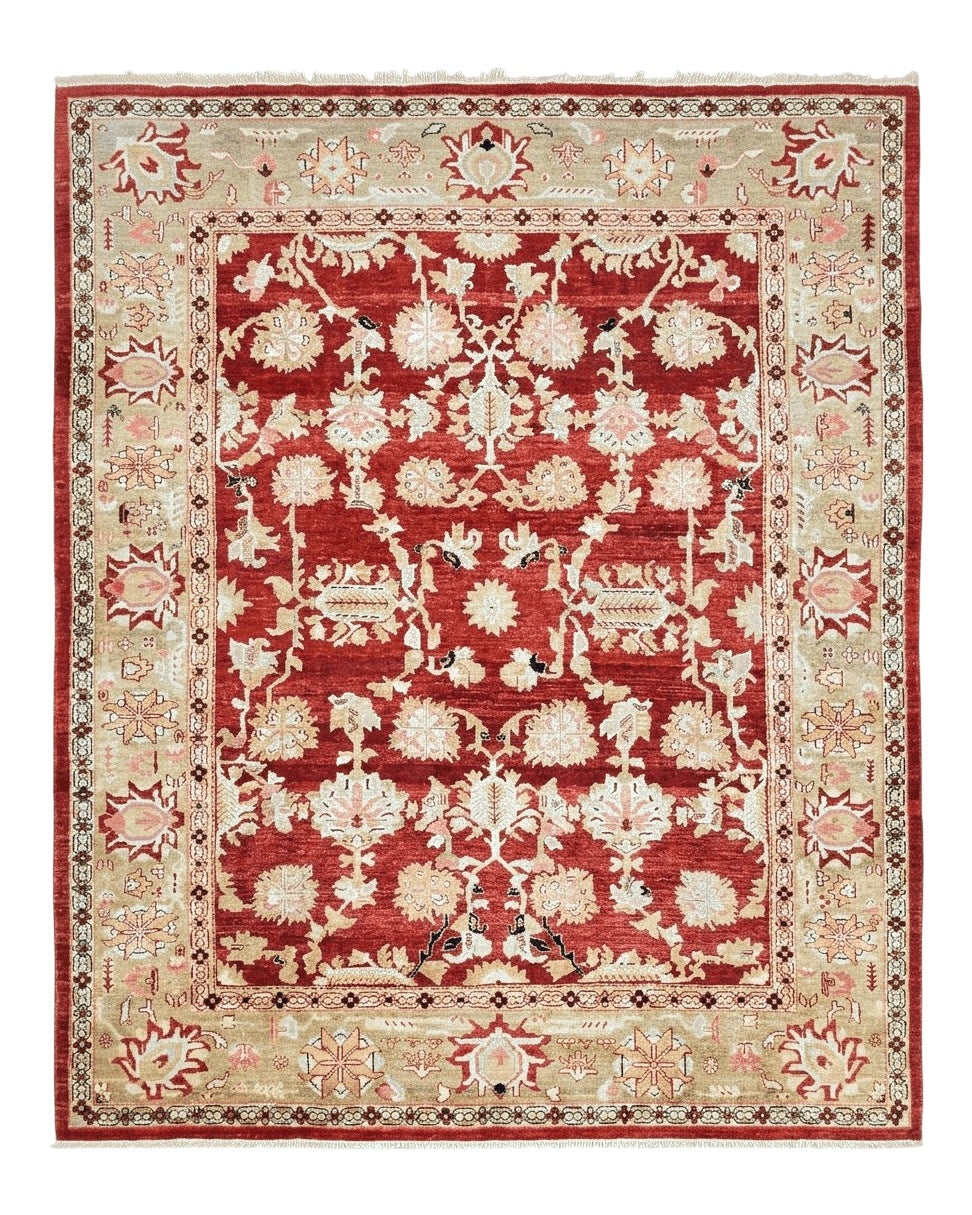
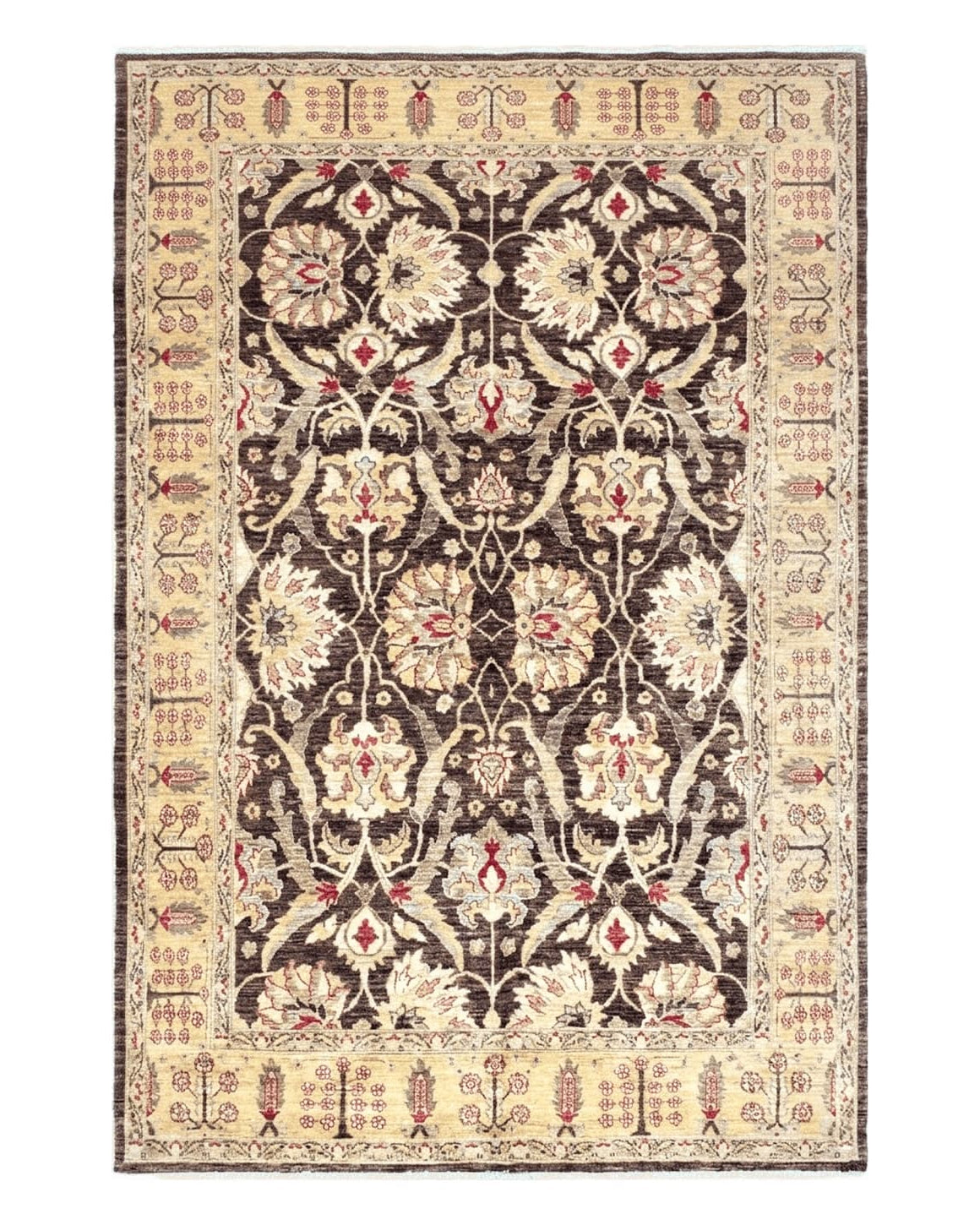
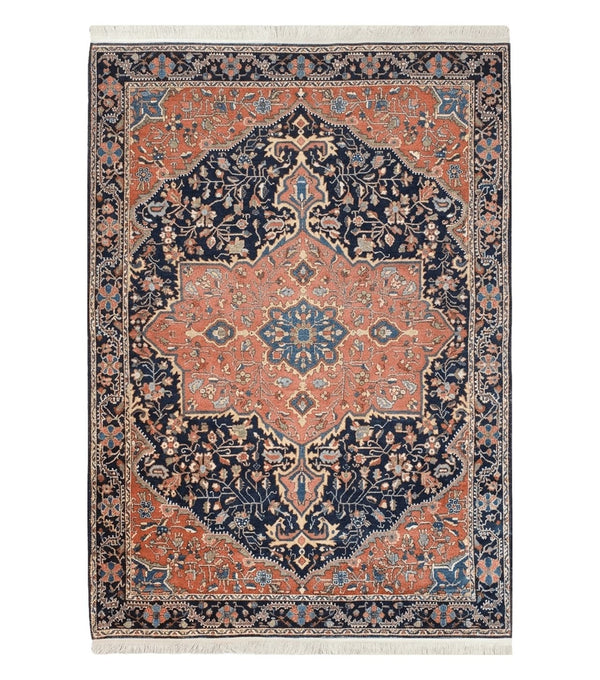
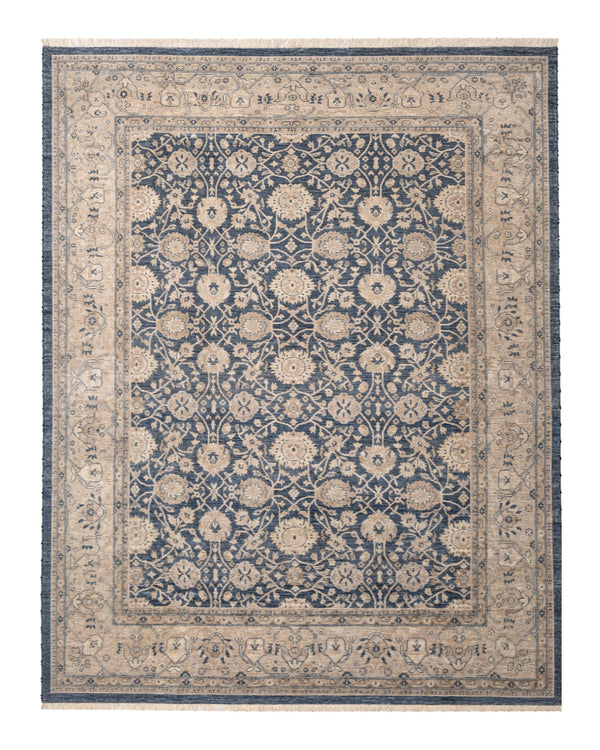
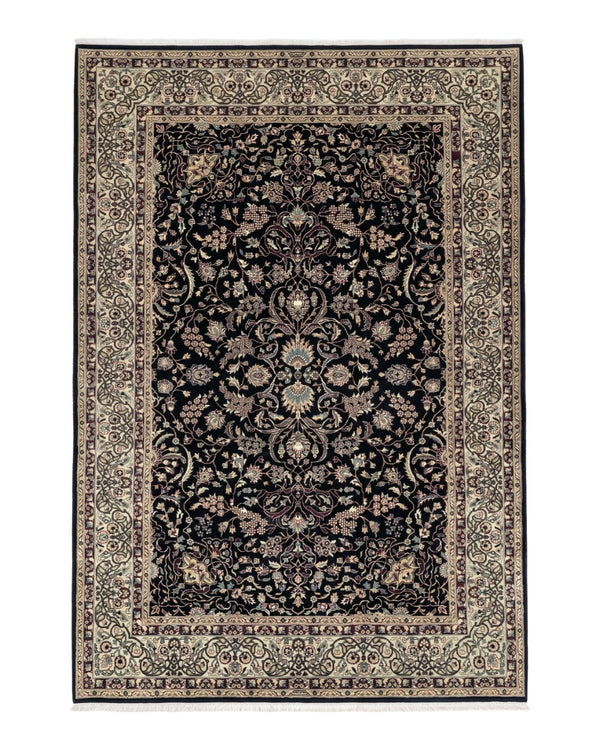
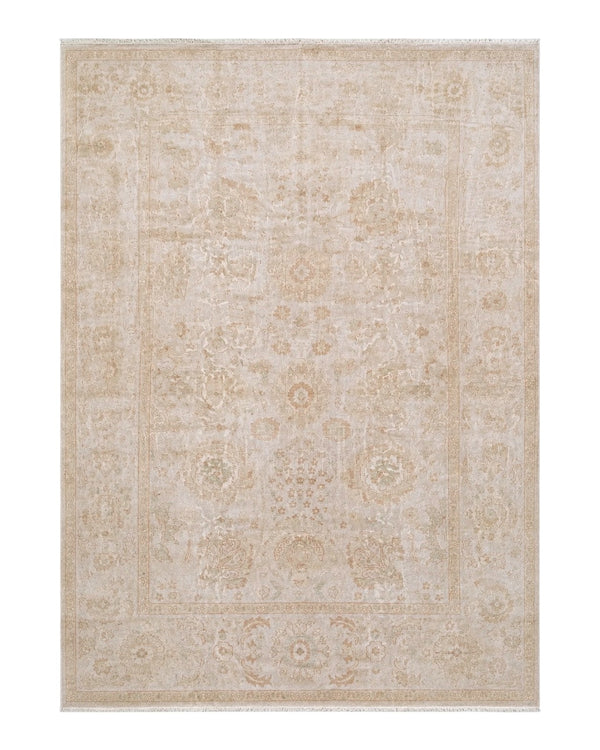
Sultanabad rugs take their name from the old name of Arak, the Iranian city whose surrounding villages wove large, decorative carpets for Western homes from the 1870s. Their hallmarks are big, widely spaced palmettes and vines, open all-over or medallion layouts and soft colors. Our collection brings together Sultanabad and Mahal designs, most of them hand-knotted room-size rugs, woven mainly in India and Pakistan, with some from Turkey and Egypt. See Mahal and Sultanabad Rugs in our Rug Encyclopedia.



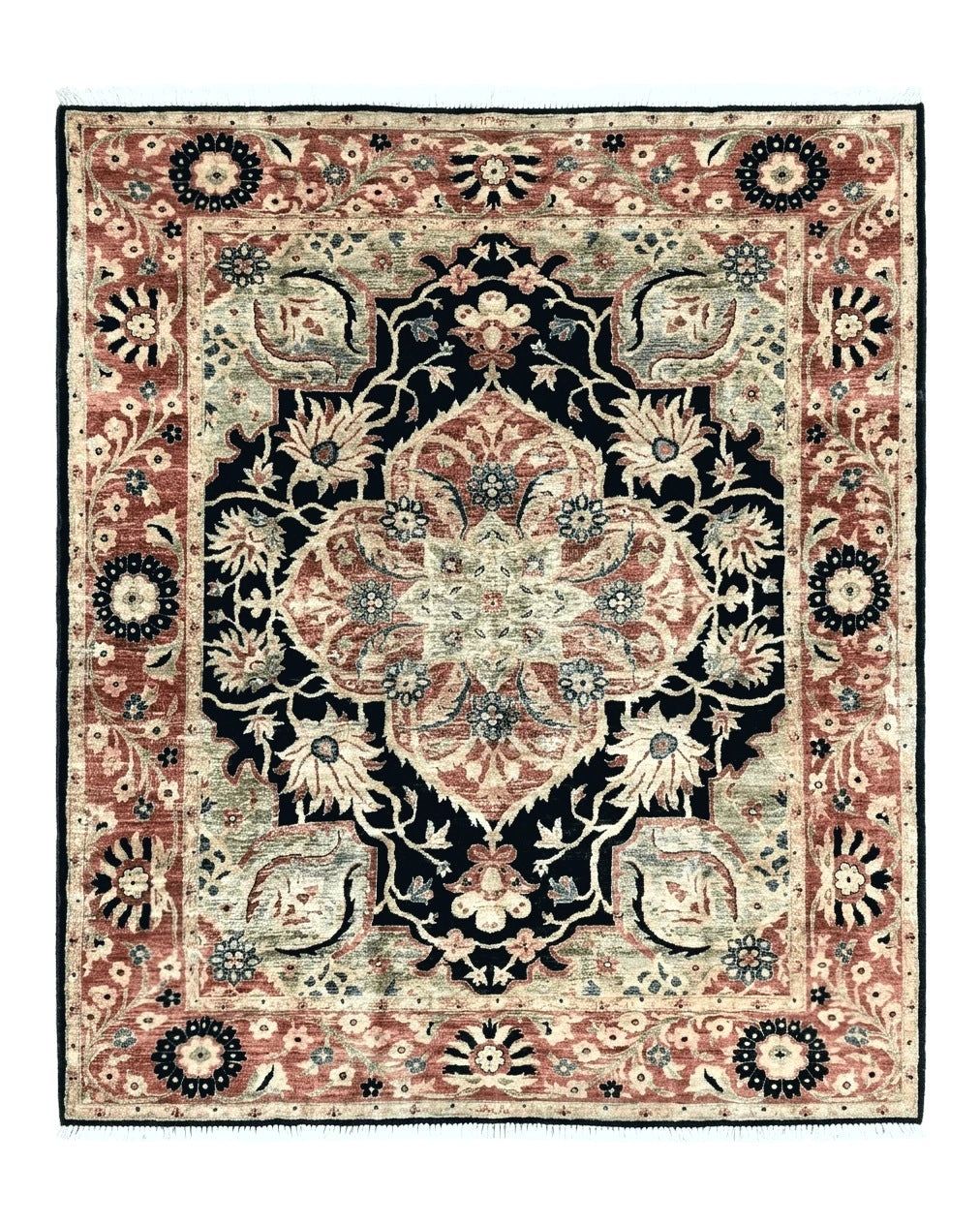
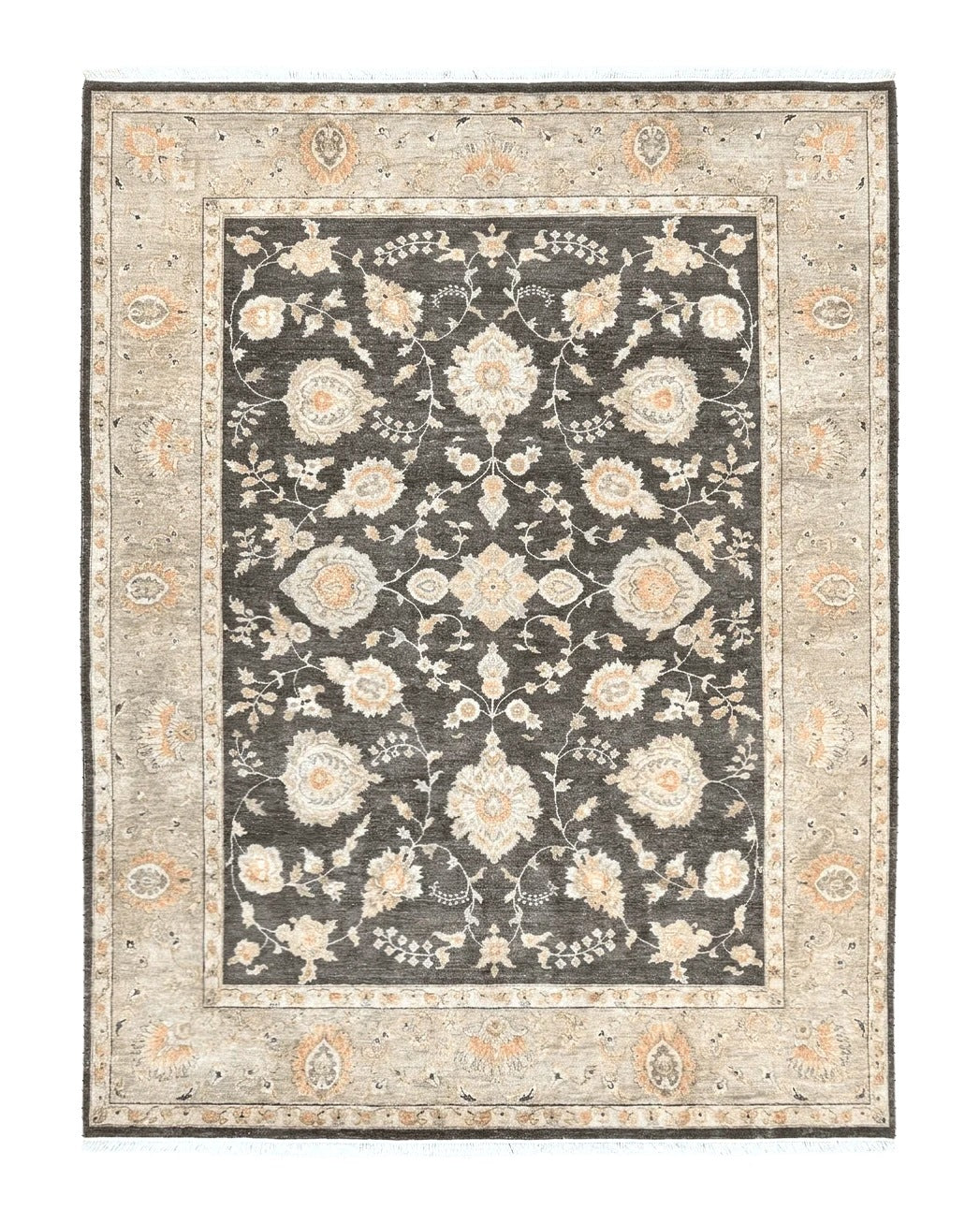
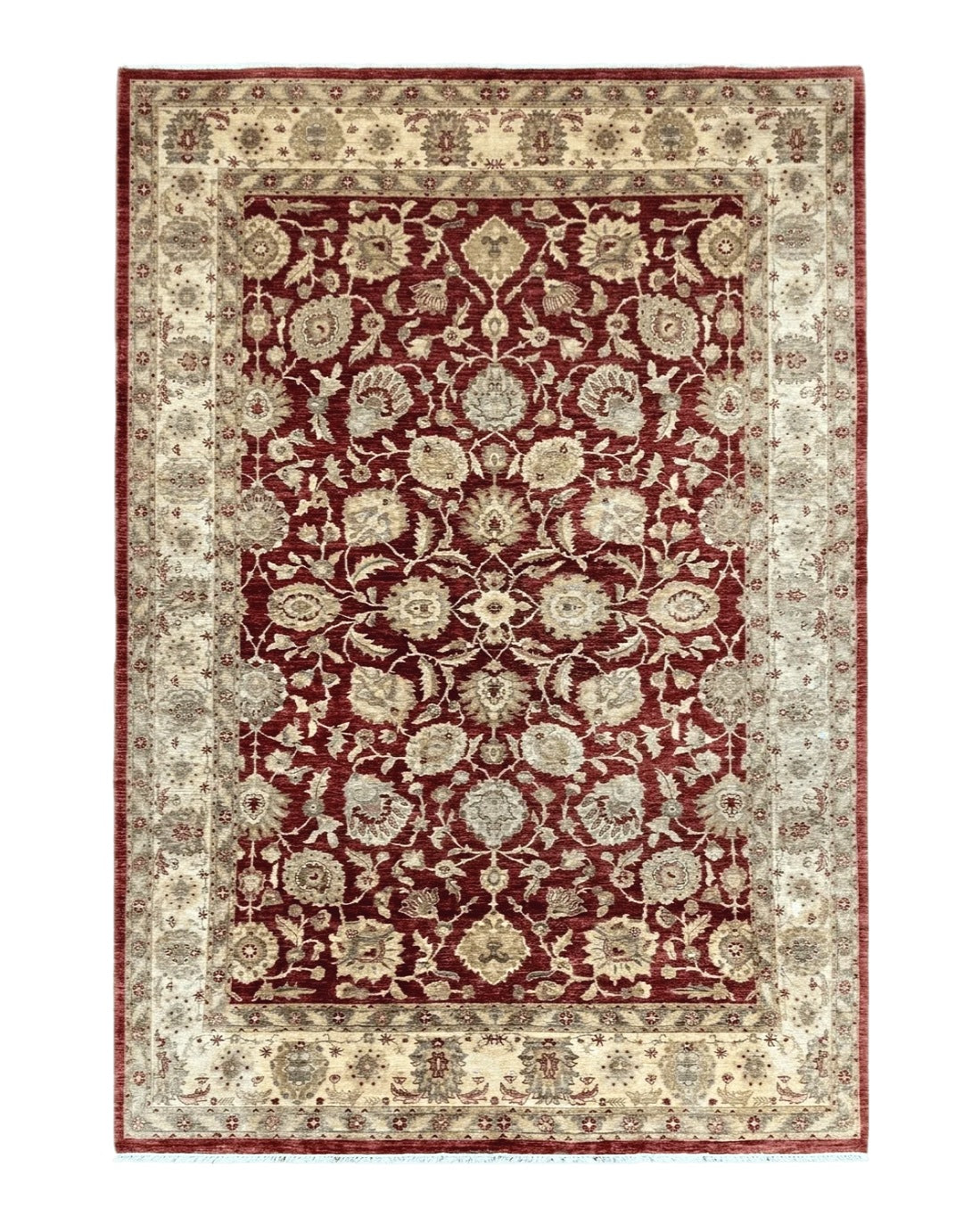
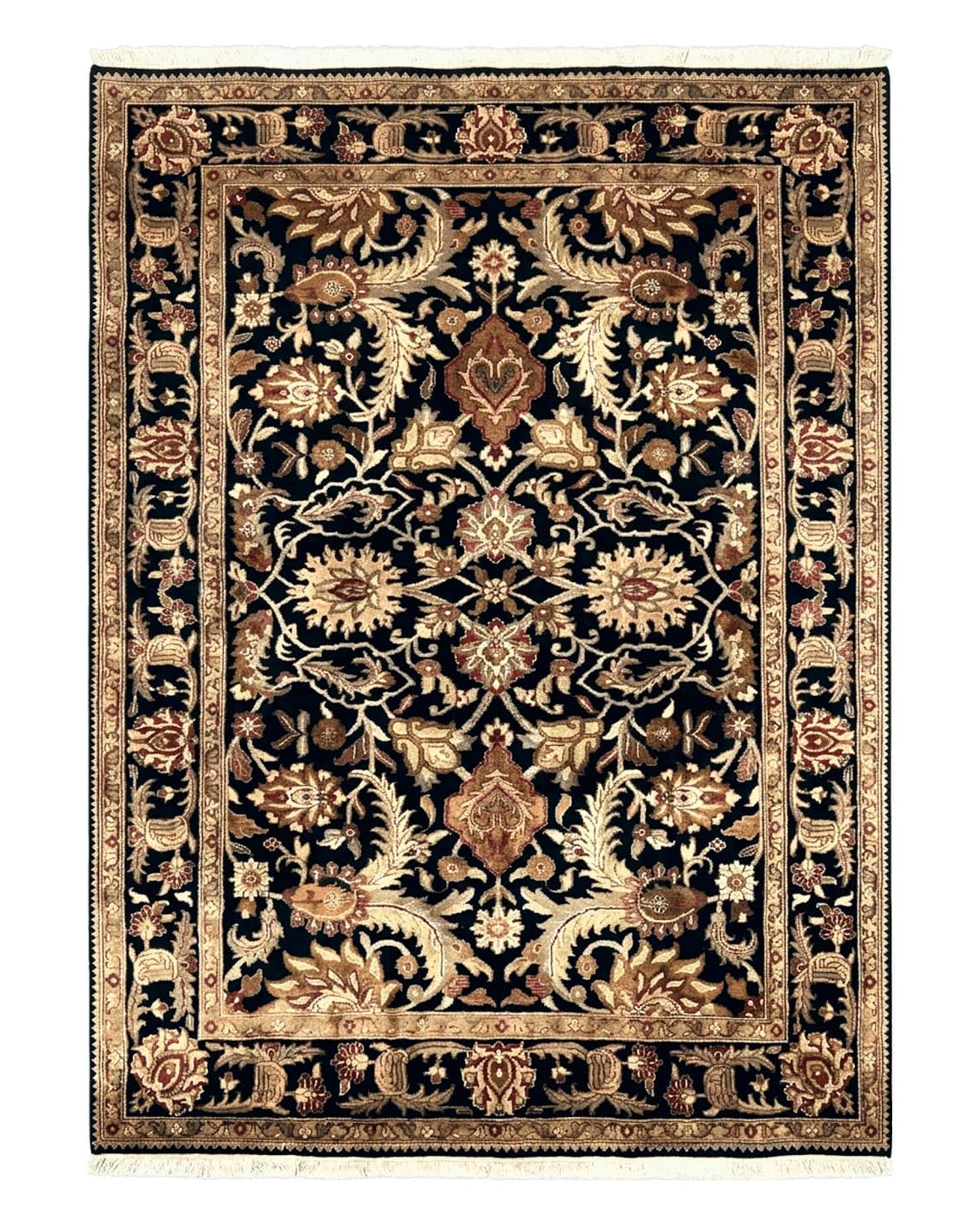


More Oriental Rugs
View all 1049 →


Shop Persian Mahal Rugs
View all 1 →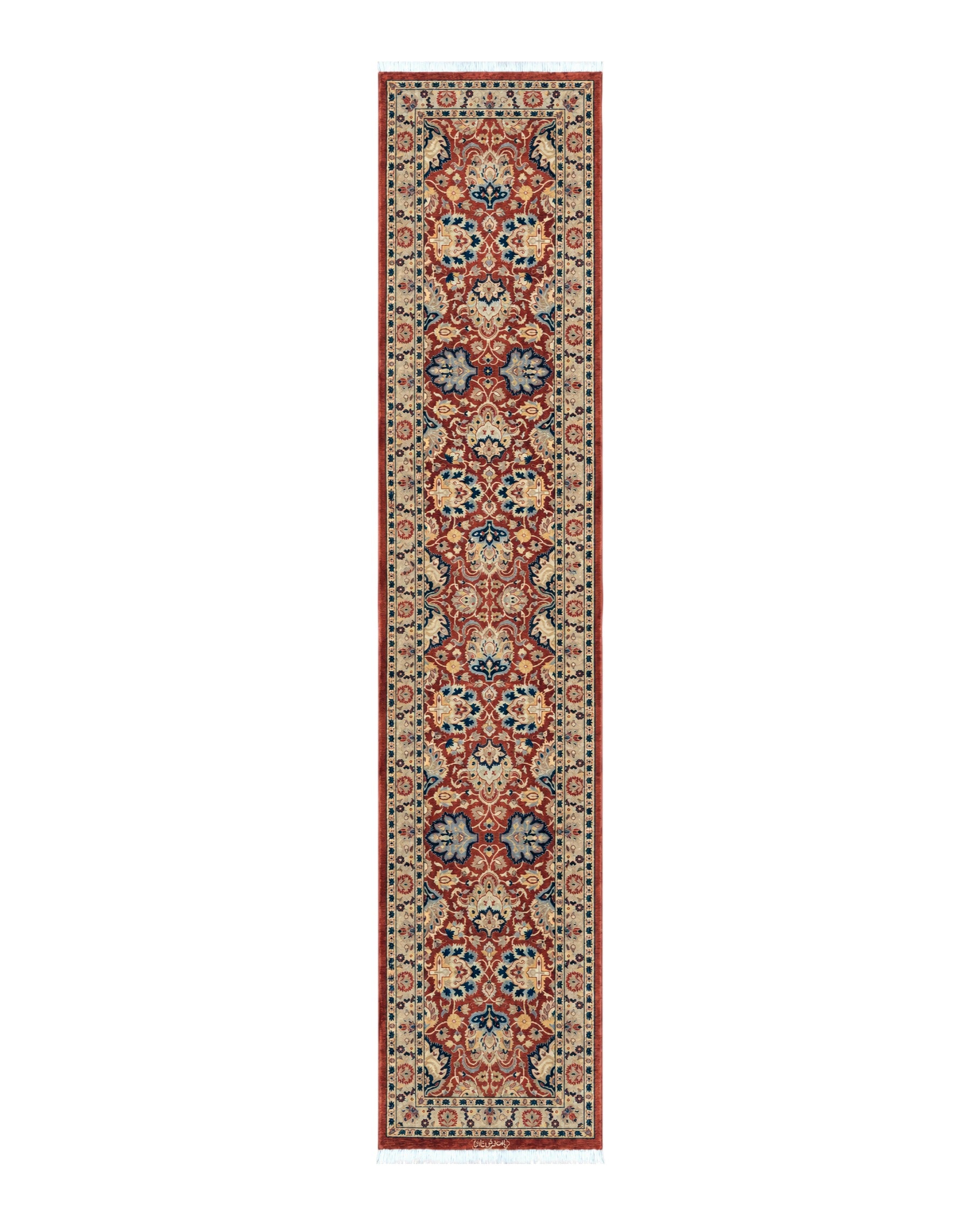
Learn more in the Rug Encyclopedia
Explore the Rug Encyclopedia →
Mahal and Sultanabad Rugs
Large decorative rugs from the Arak region of west-central Iran, with bold, open designs and soft colors, including the famous ...
Chobi and Ziegler-Style Rugs
Softly colored rugs woven in Afghanistan and Pakistan with hand-spun wool and natural dyes, in large-scale Ziegler, Oushak and ...
Indo-Persian, Sino-Persian and Pak-Persian Rugs
Hand-knotted rugs woven in India, China and Pakistan in traditional Persian designs. What the names mean, how the rugs differ f...Sultanabad Rugs FAQs
What is a Sultanabad rug?
A Sultanabad rug has the large-scale floral design first woven in the villages around Sultanabad, today the city of Arak in Iran, for Western buyers from the 1870s. It is known for big palmettes and vines, an open layout and soft colors. The design is now also woven in India, Pakistan, Turkey and Egypt. See Mahal and Sultanabad Rugs.
Where is Sultanabad?
Sultanabad is the former name of Arak, a city in west-central Iran. It was renamed in the 1930s. The region also gave its name to Mahal and Sarouk rugs.
What is the difference between Sultanabad and Mahal rugs?
Very little. Both come from the Arak region and share large, open floral designs. Mahal usually describes a slightly coarser grade, and many dealers use the names together, as in "Mahal Sultanabad." Sarouks from the same region are finer, with smaller, denser designs. See Persian Mahal rugs.
What is a Ziegler Sultanabad?
Ziegler & Co., a Manchester firm, commissioned rugs around Sultanabad in the late 19th century with designs adapted to Western rooms: oversized palmettes and vines in soft colors. These "Ziegler Sultanabads" are highly prized, and their designs are widely reproduced today, especially in Pakistani Chobi rugs. See Chobi and Ziegler-Style Rugs.
Where are Sultanabad rugs made today?
The design began in the villages around Arak in Iran. Today it is also woven in India, Pakistan, Turkey and Egypt, where weavers reproduce the large palmettes, vines and soft colors of the original rugs. See Indo-Persian, Sino-Persian and Pak-Persian Rugs.
What sizes do Sultanabad rugs come in?
Most are room sizes, from about 8 × 10 to 10 × 14 feet, with some oversized and smaller pieces. Their large-scale designs need space to show well, which is why they are rarely woven very small. See large rugs and oversized rugs.
Have another question? Contact us or call (856) 345-9444.