





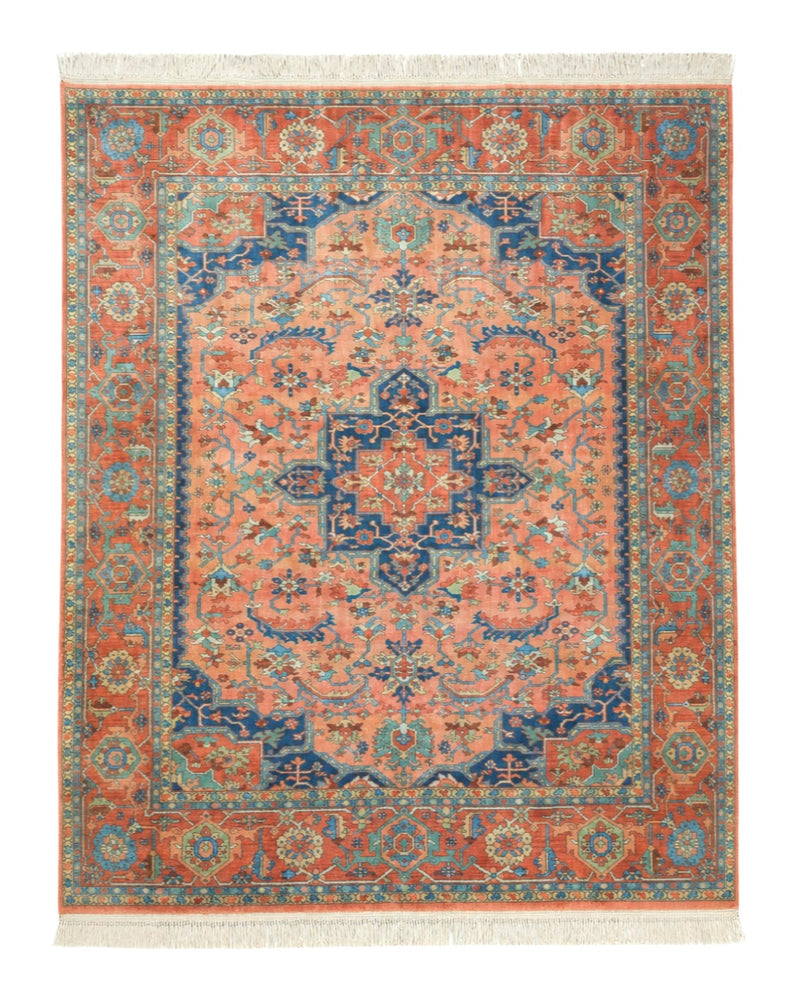


Kazak Rugs
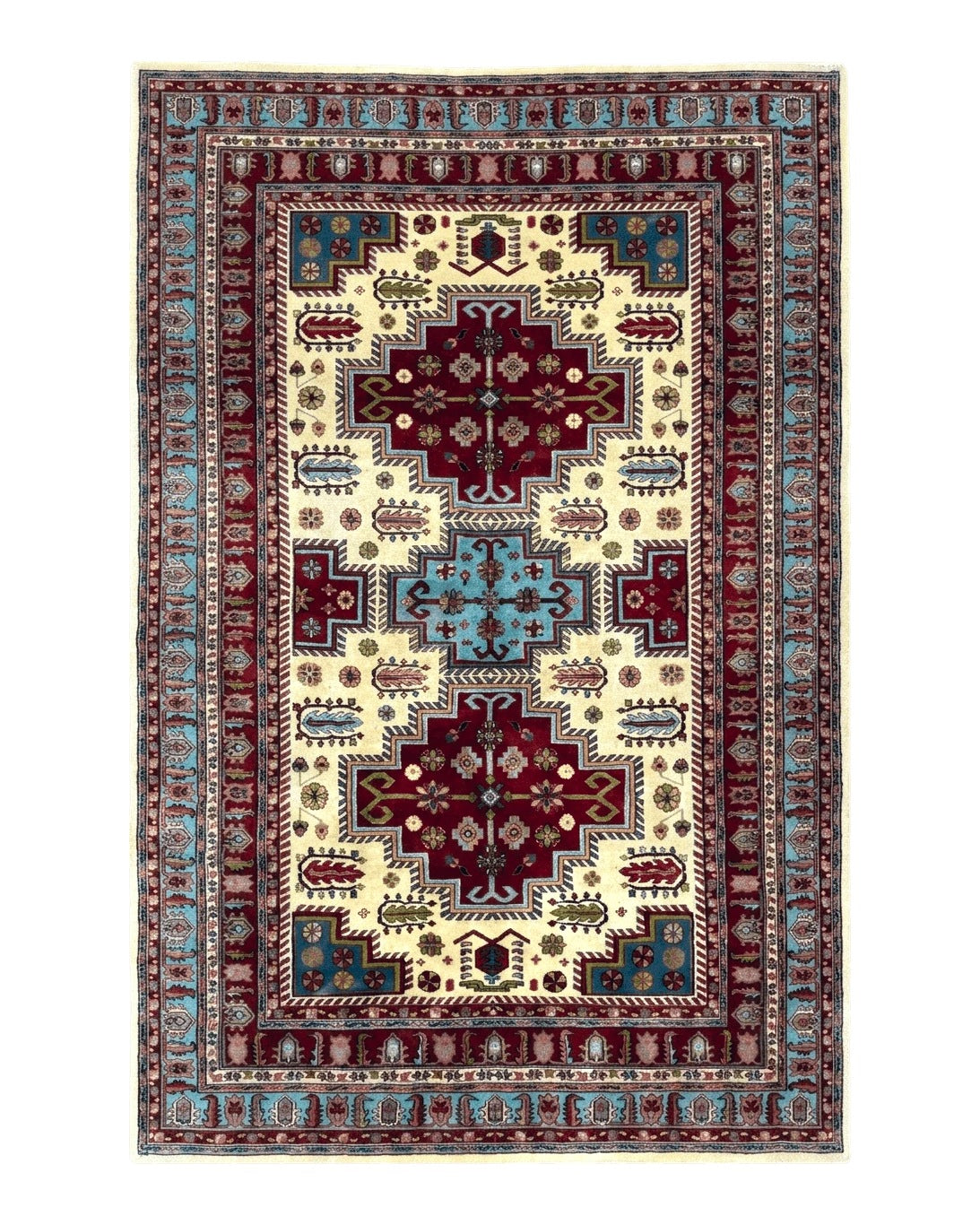
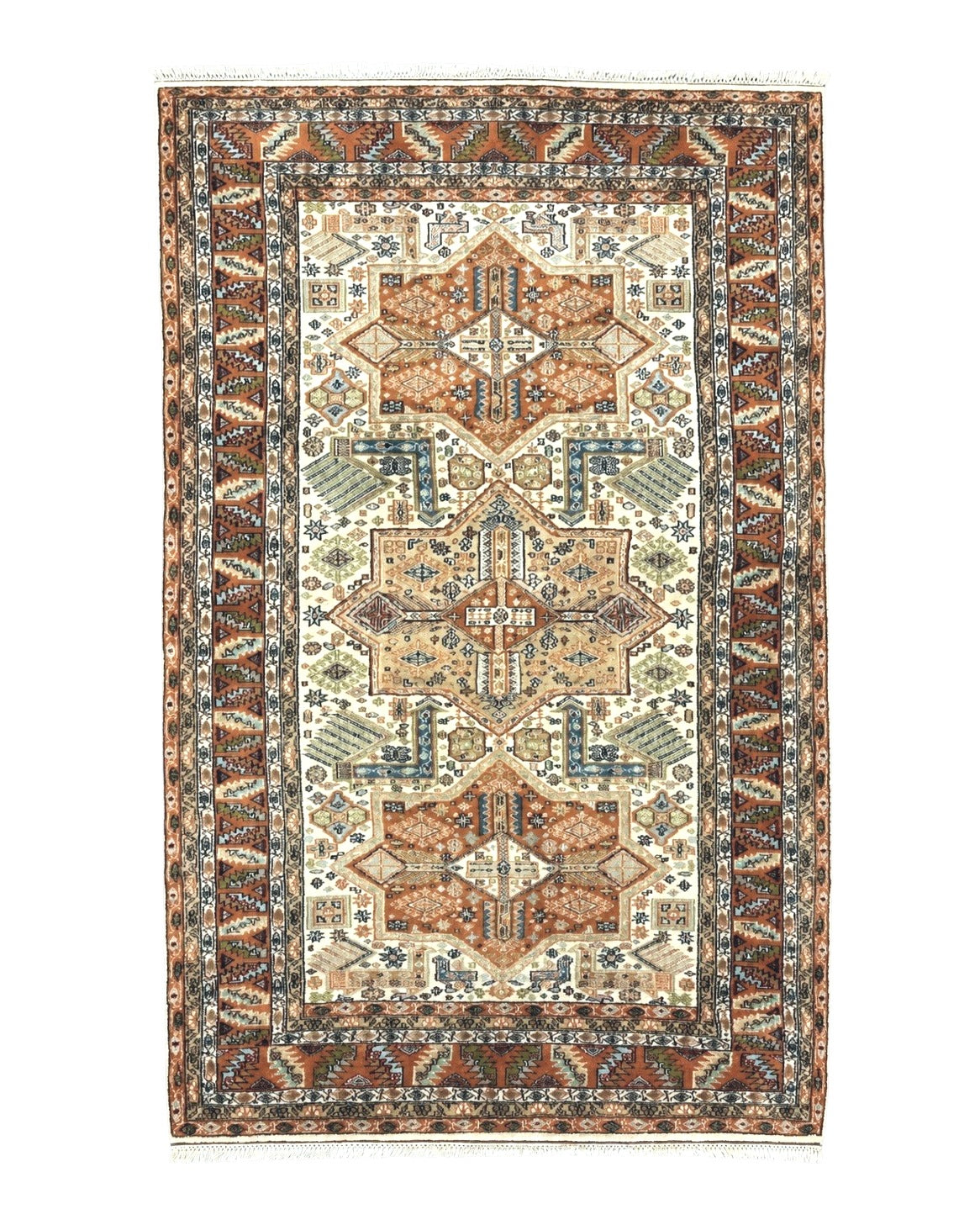
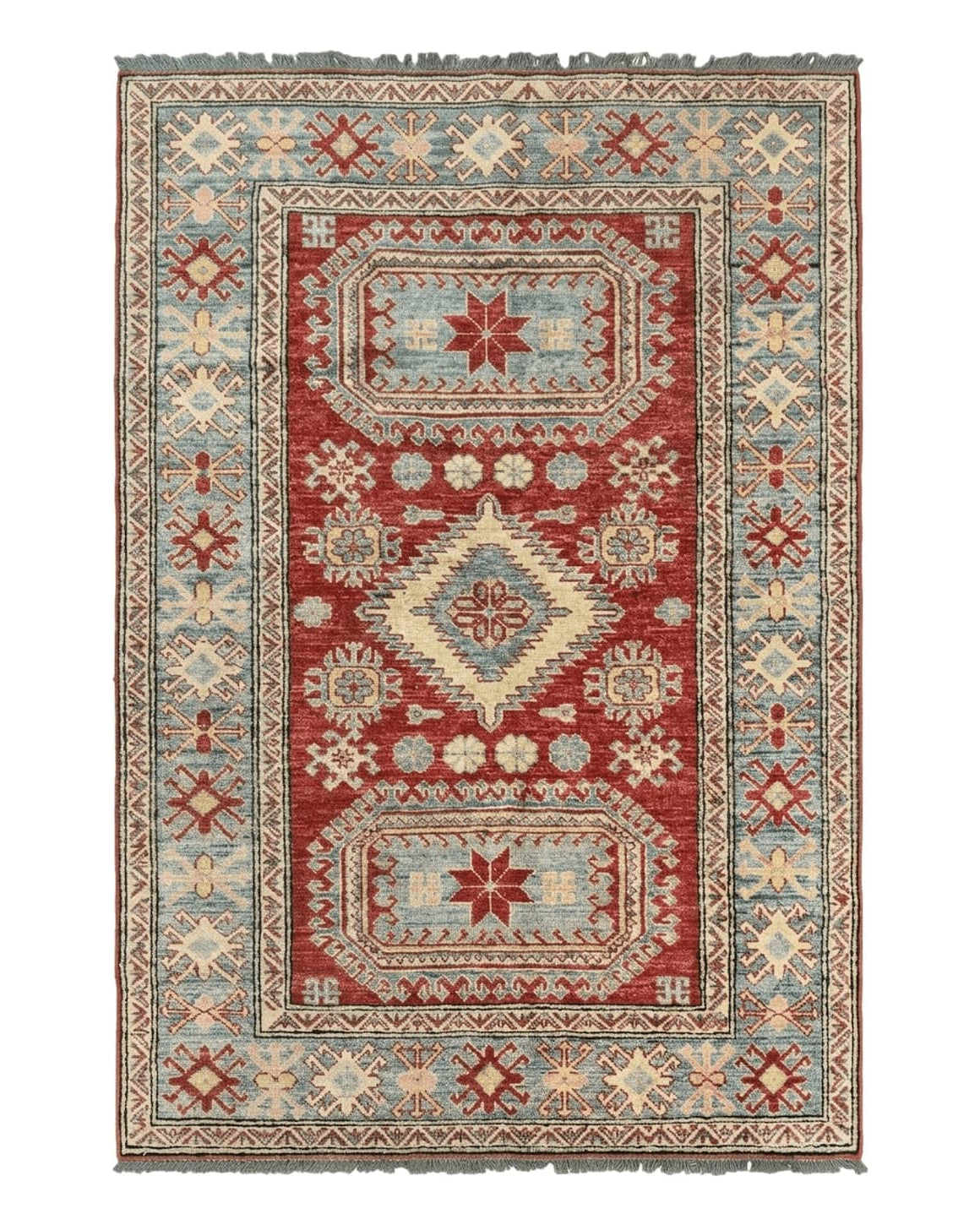
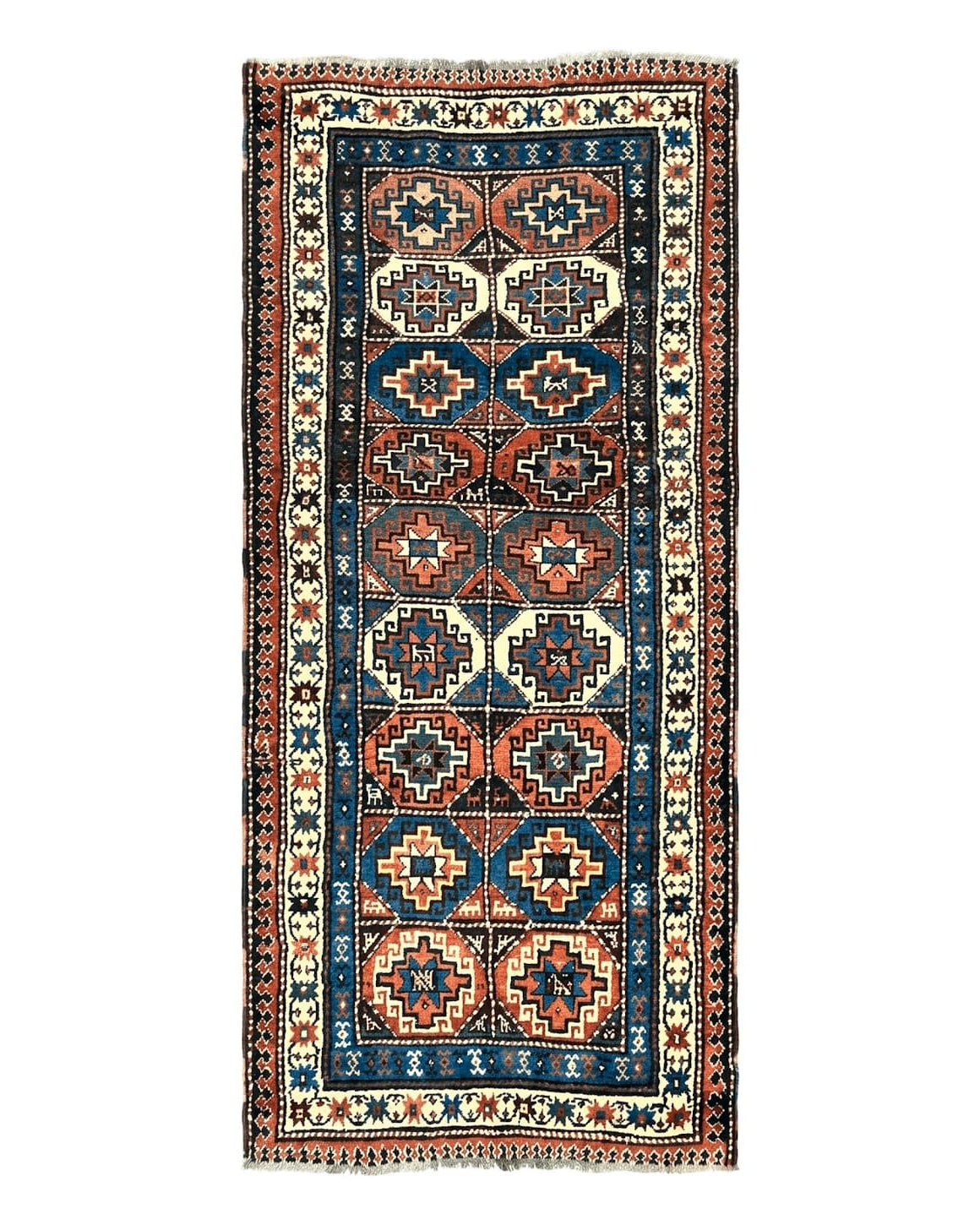
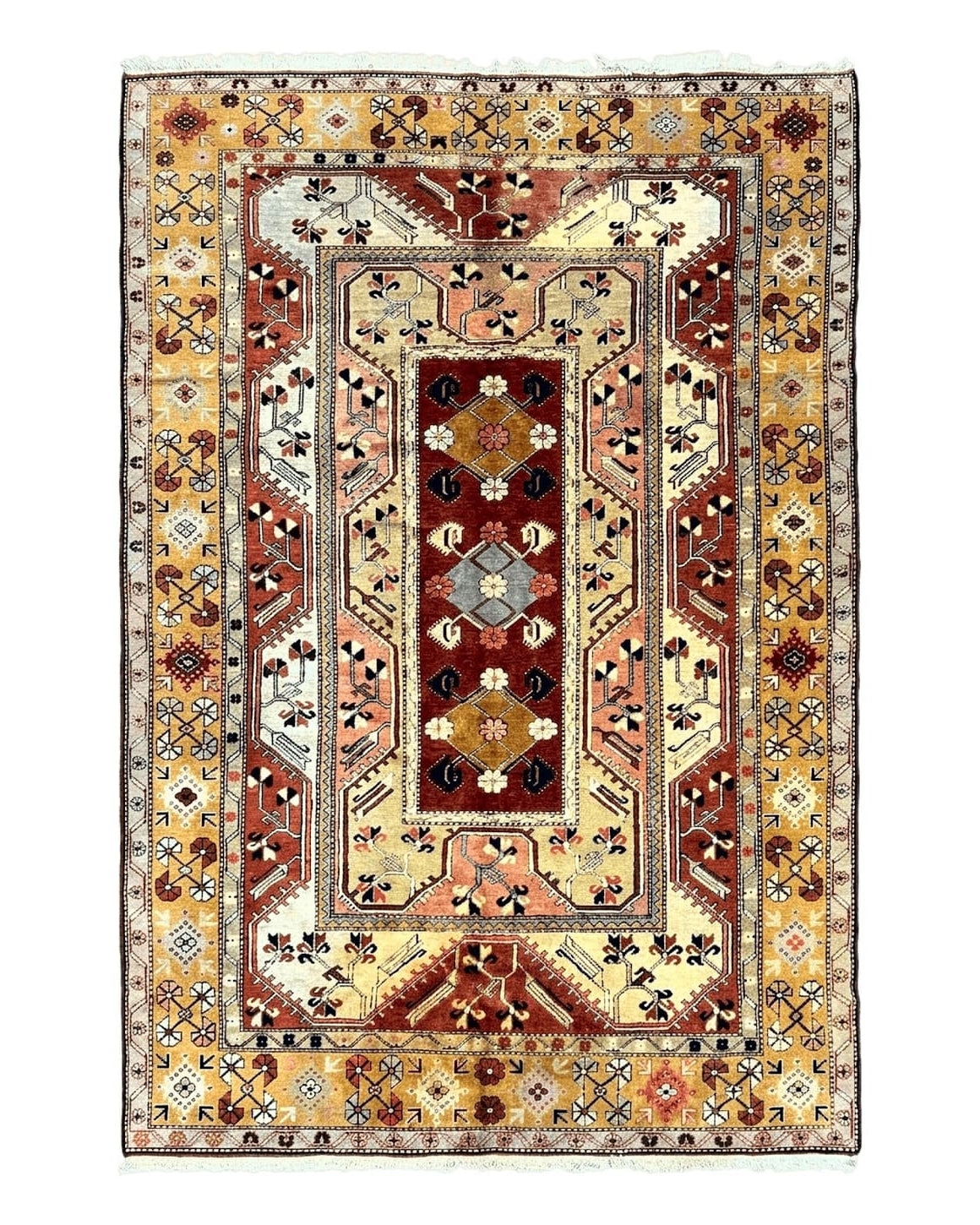
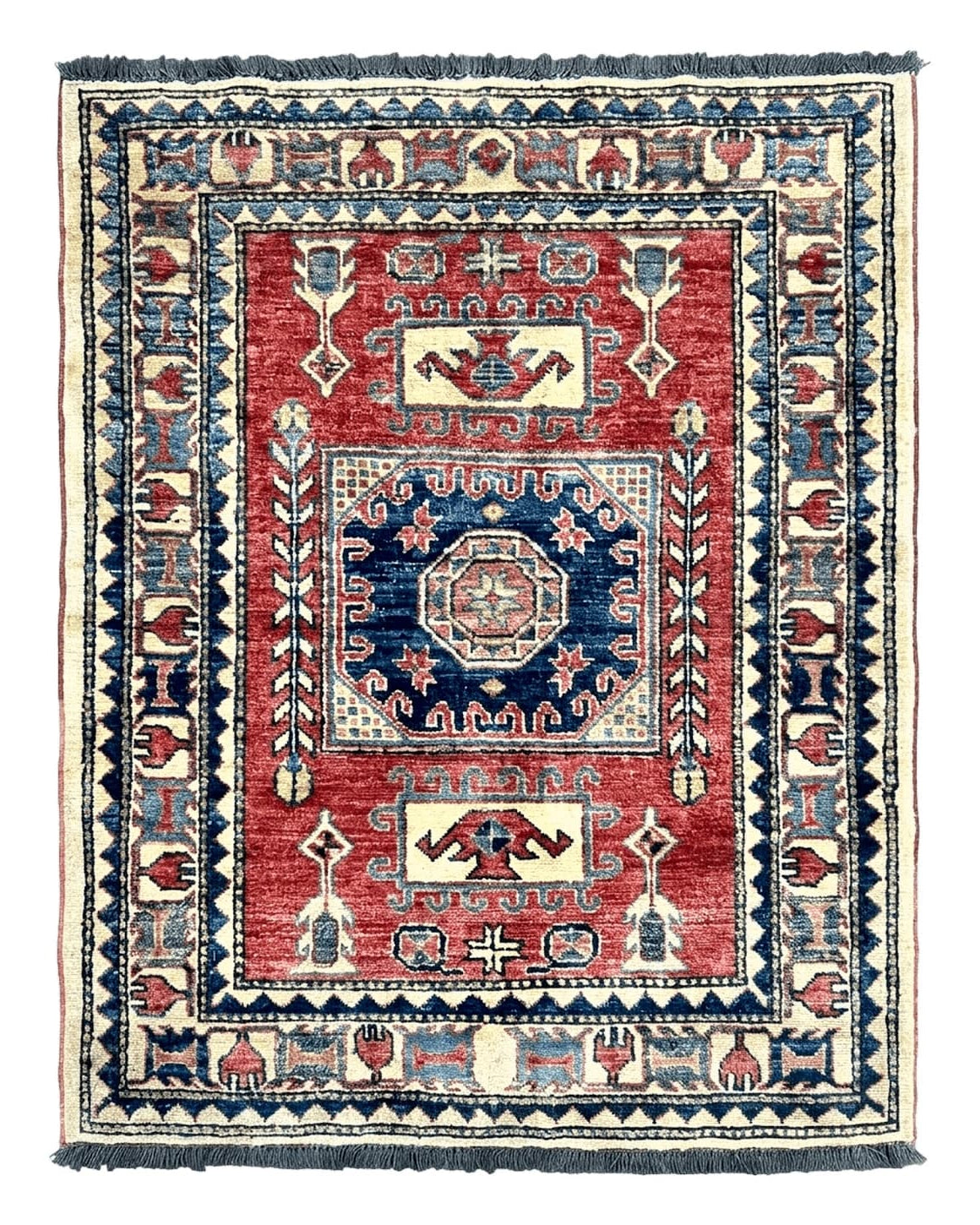
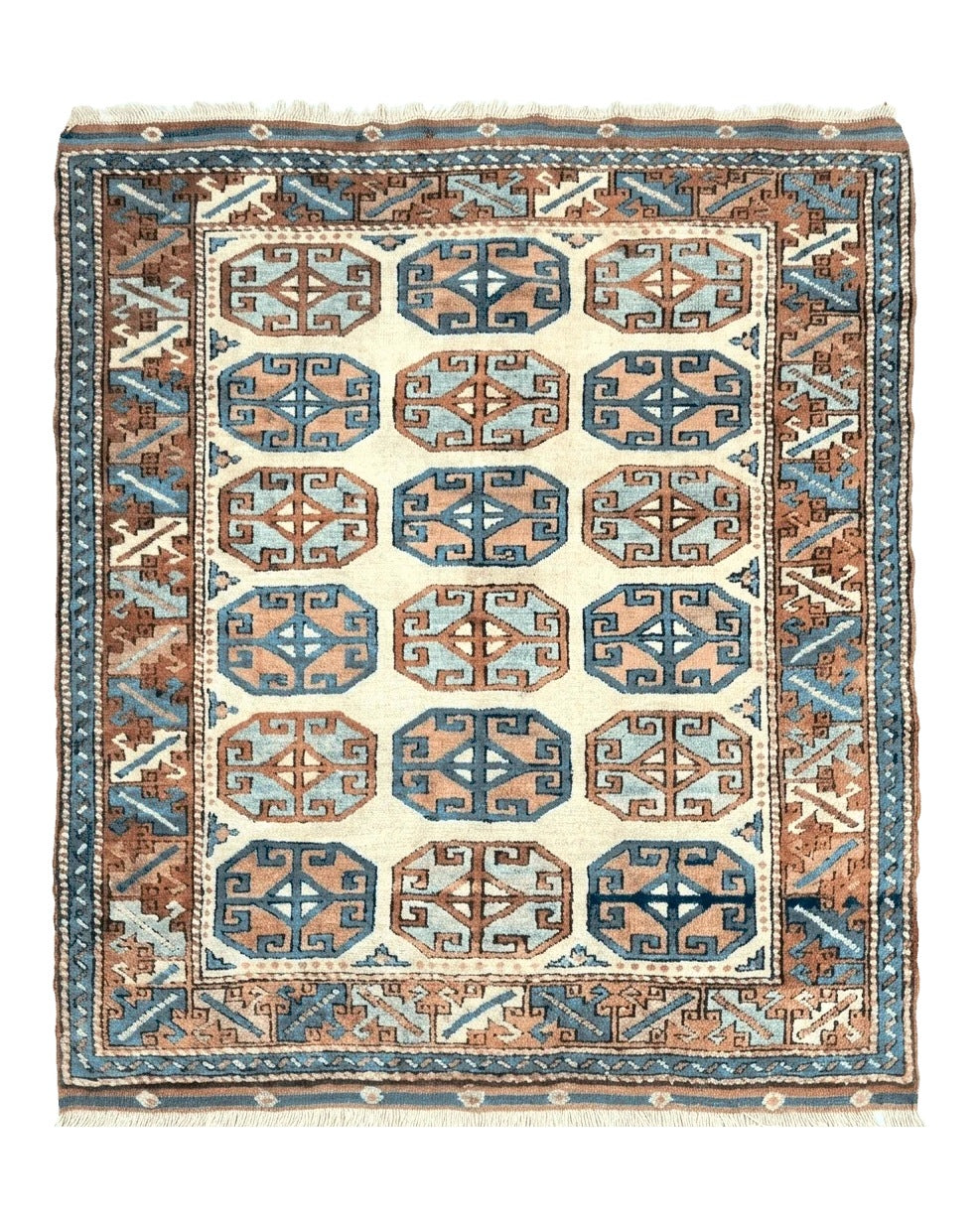
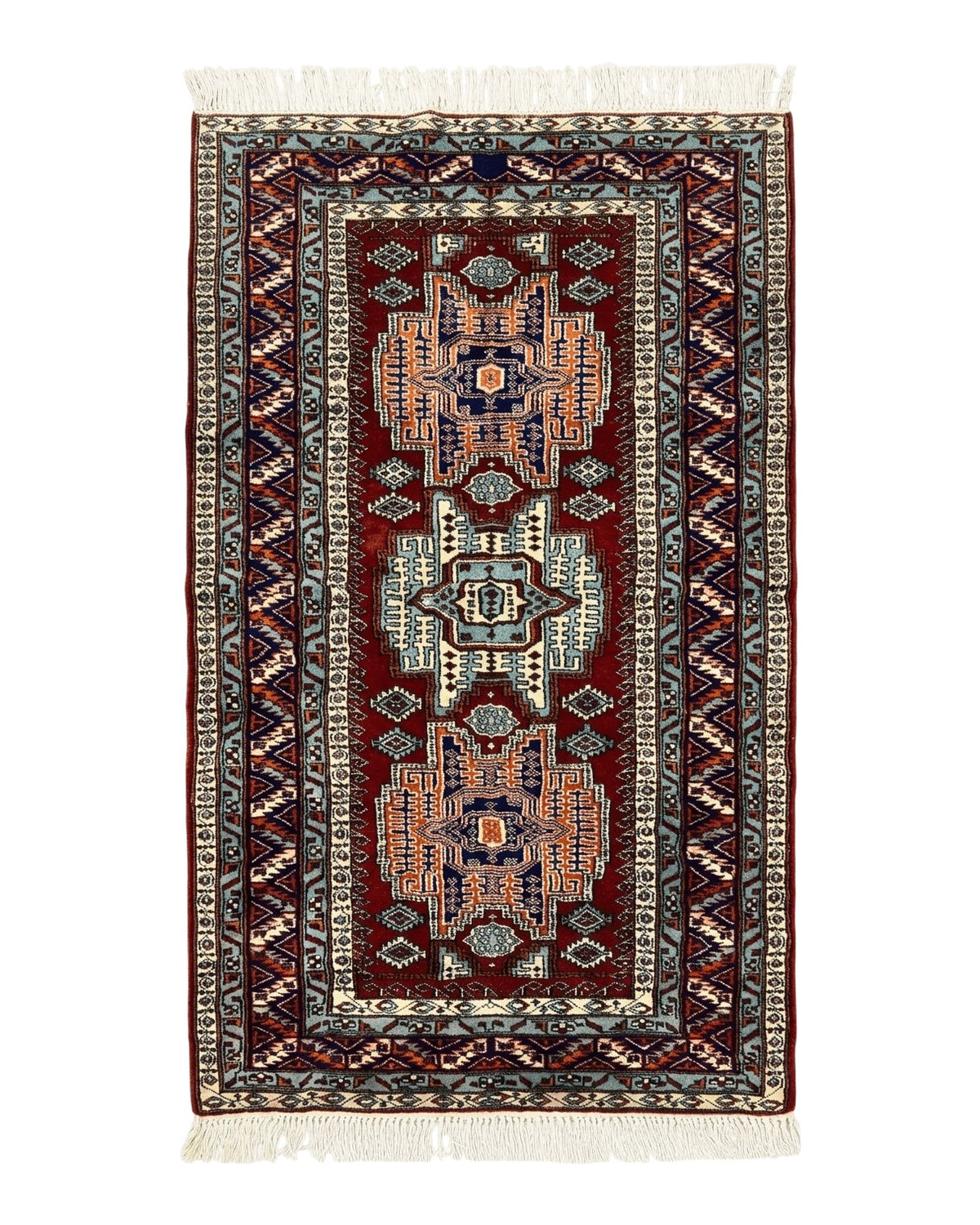
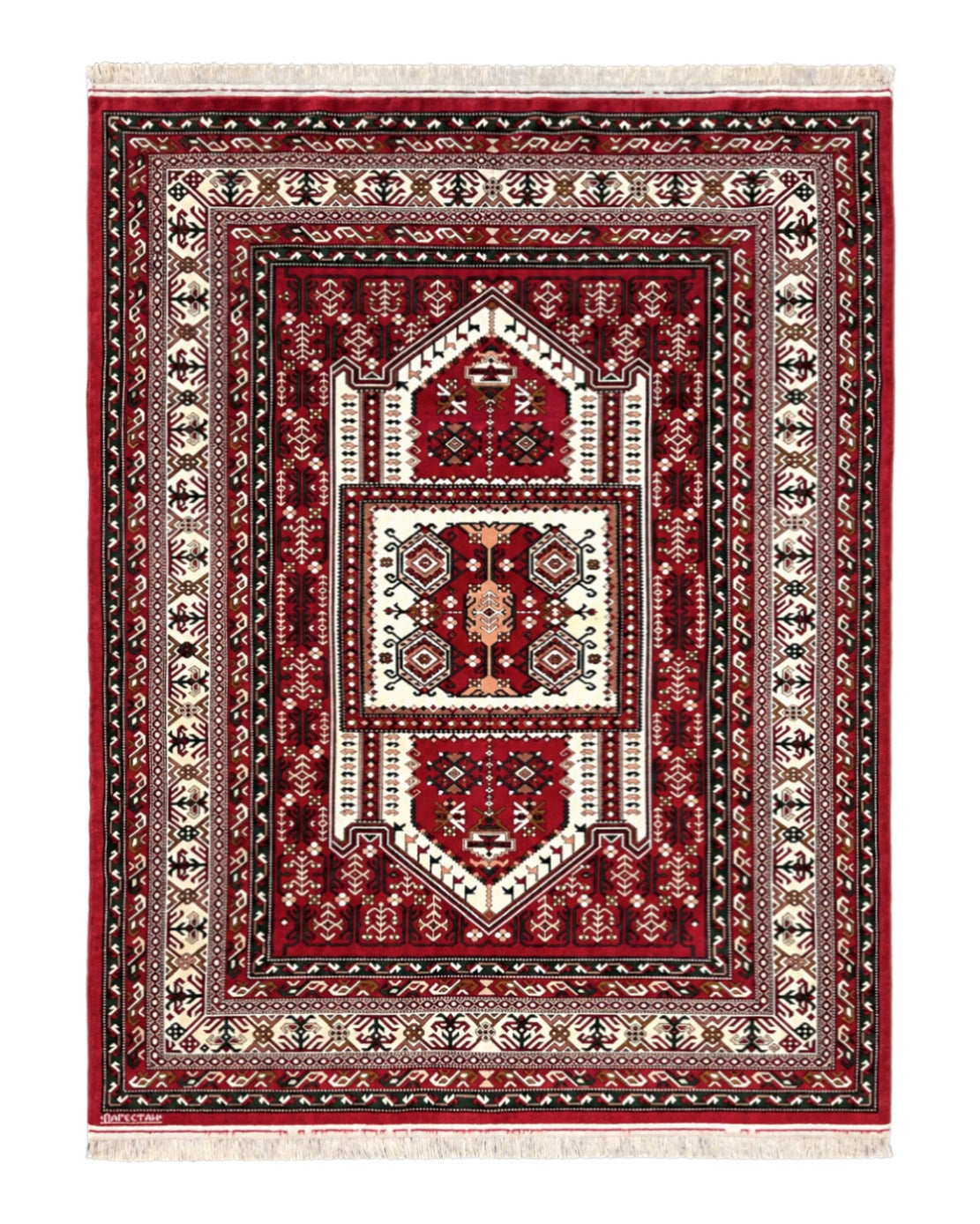
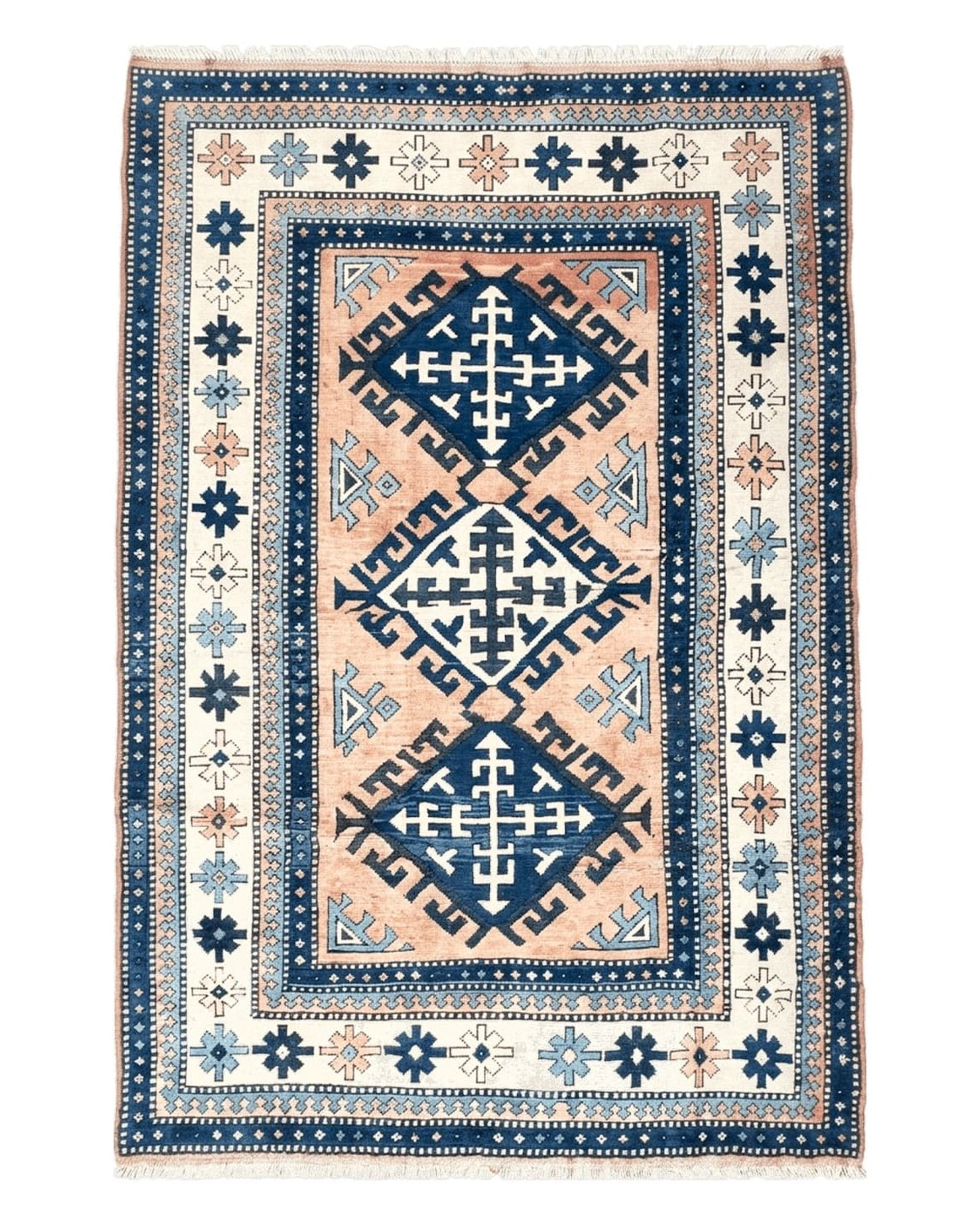
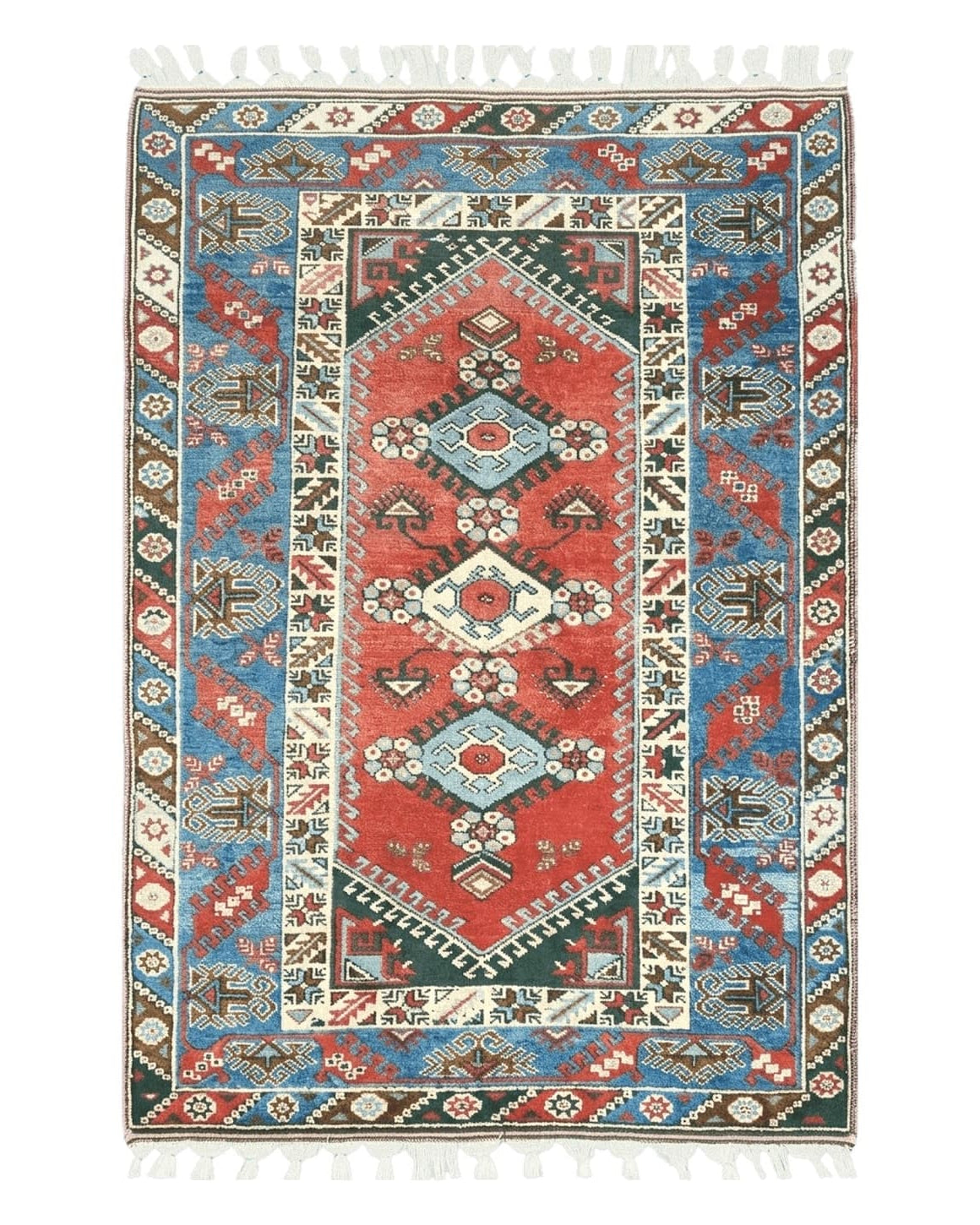
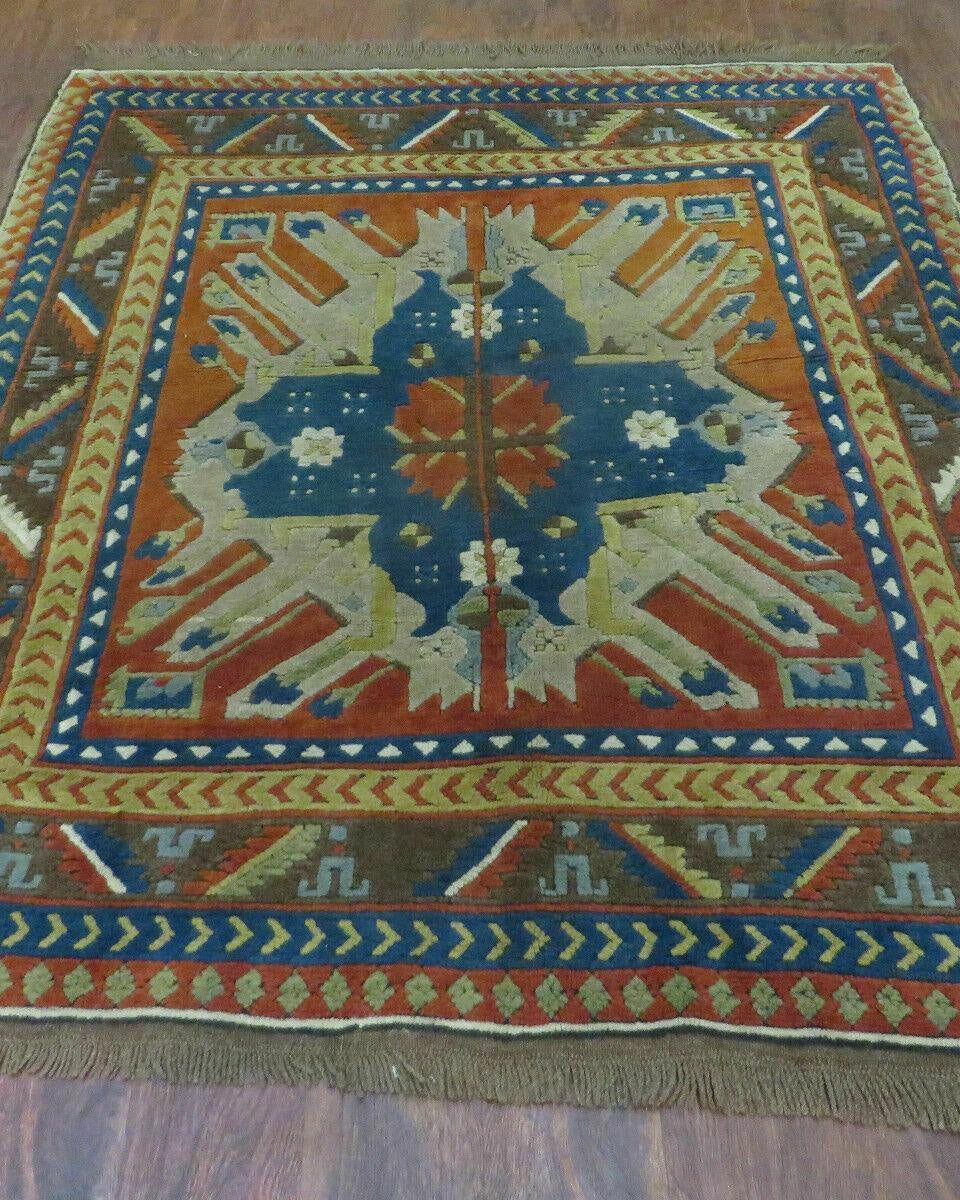
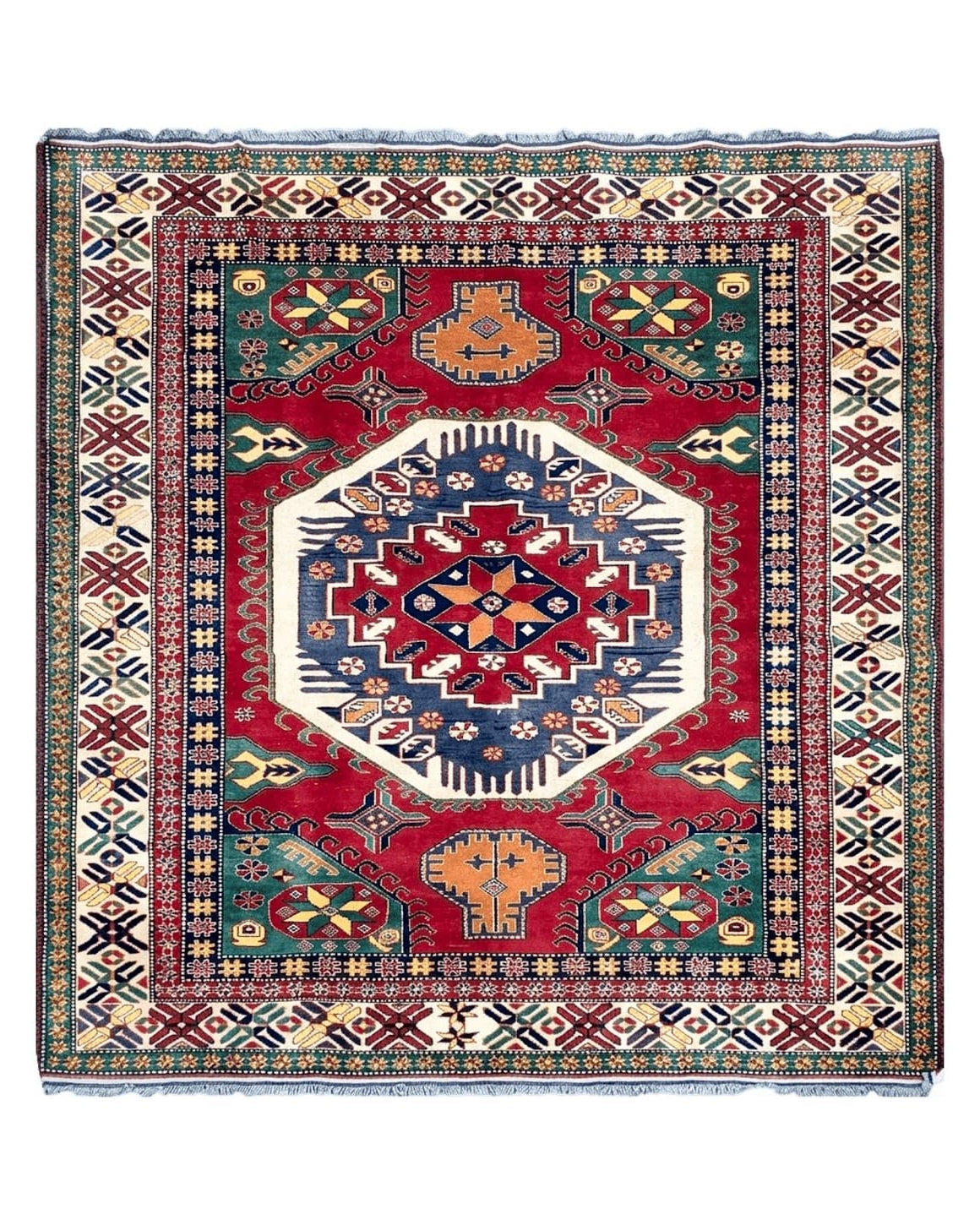
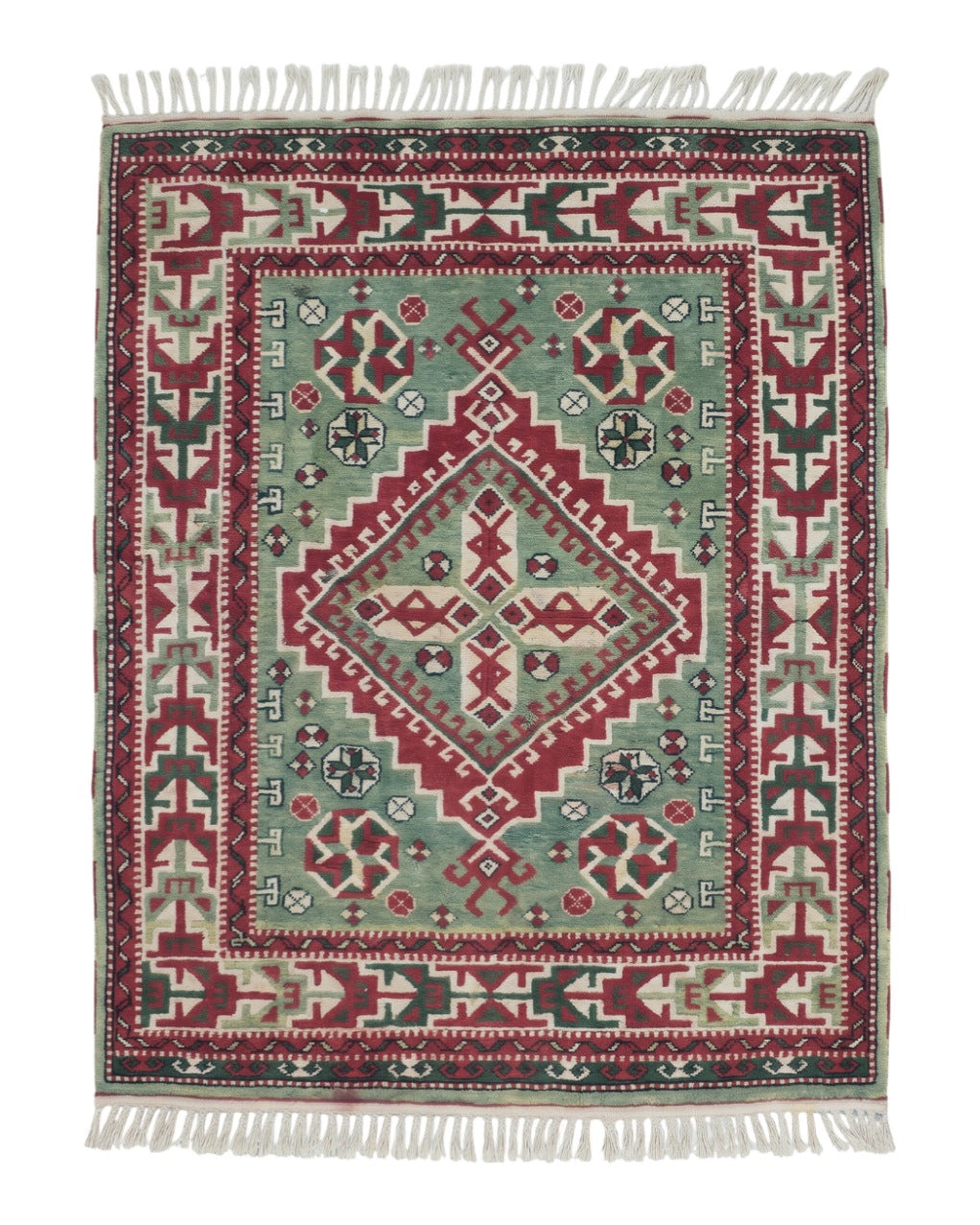
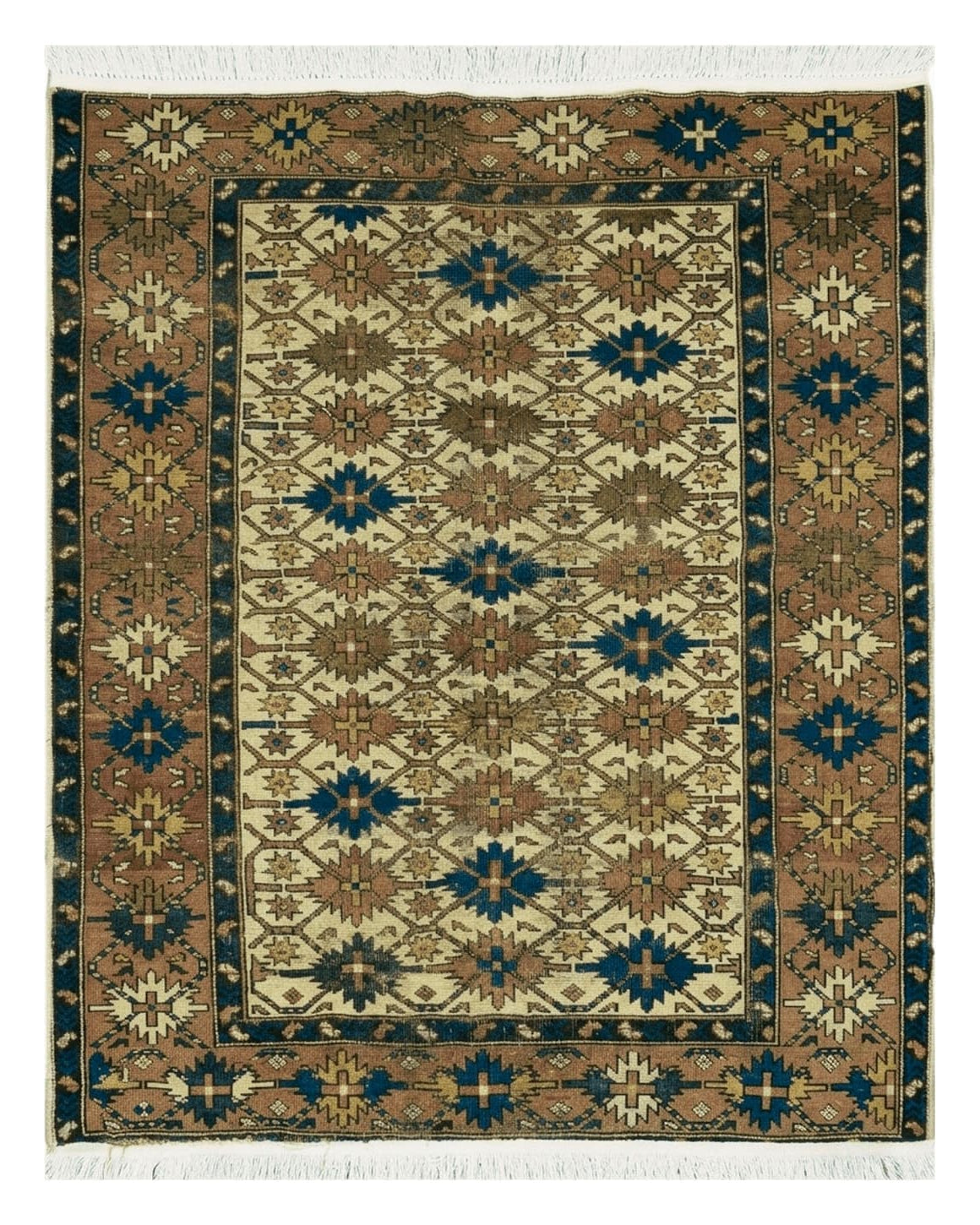
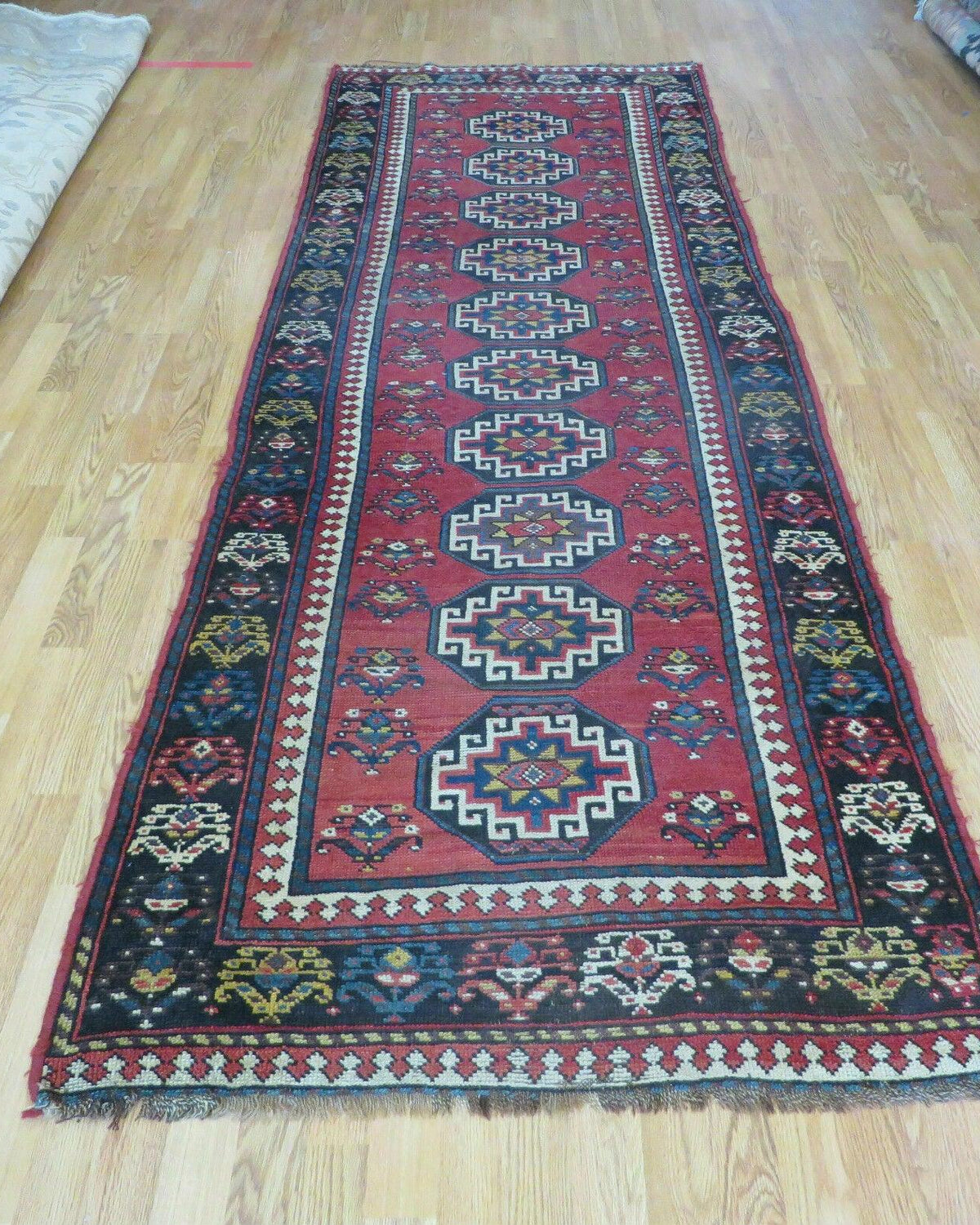
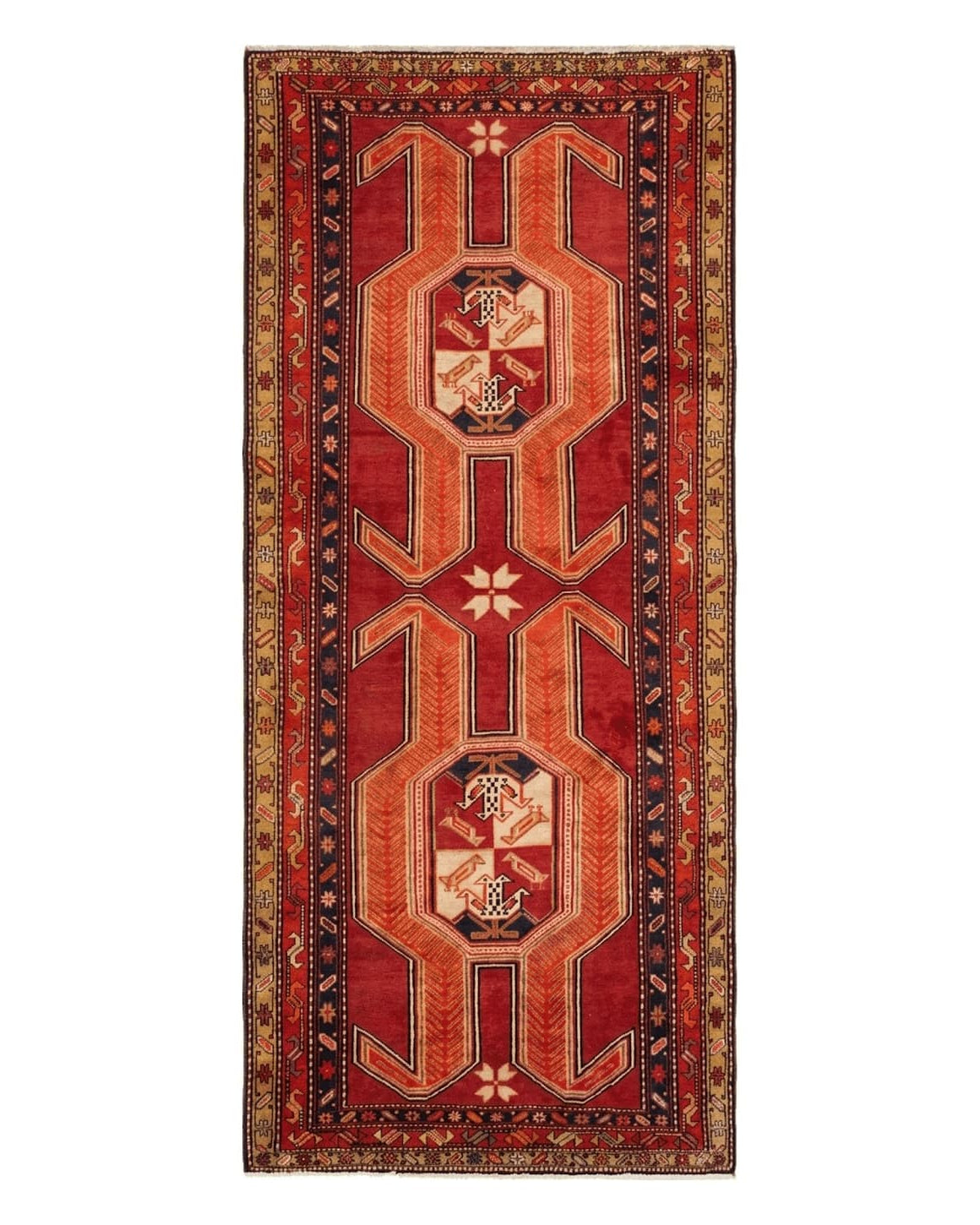
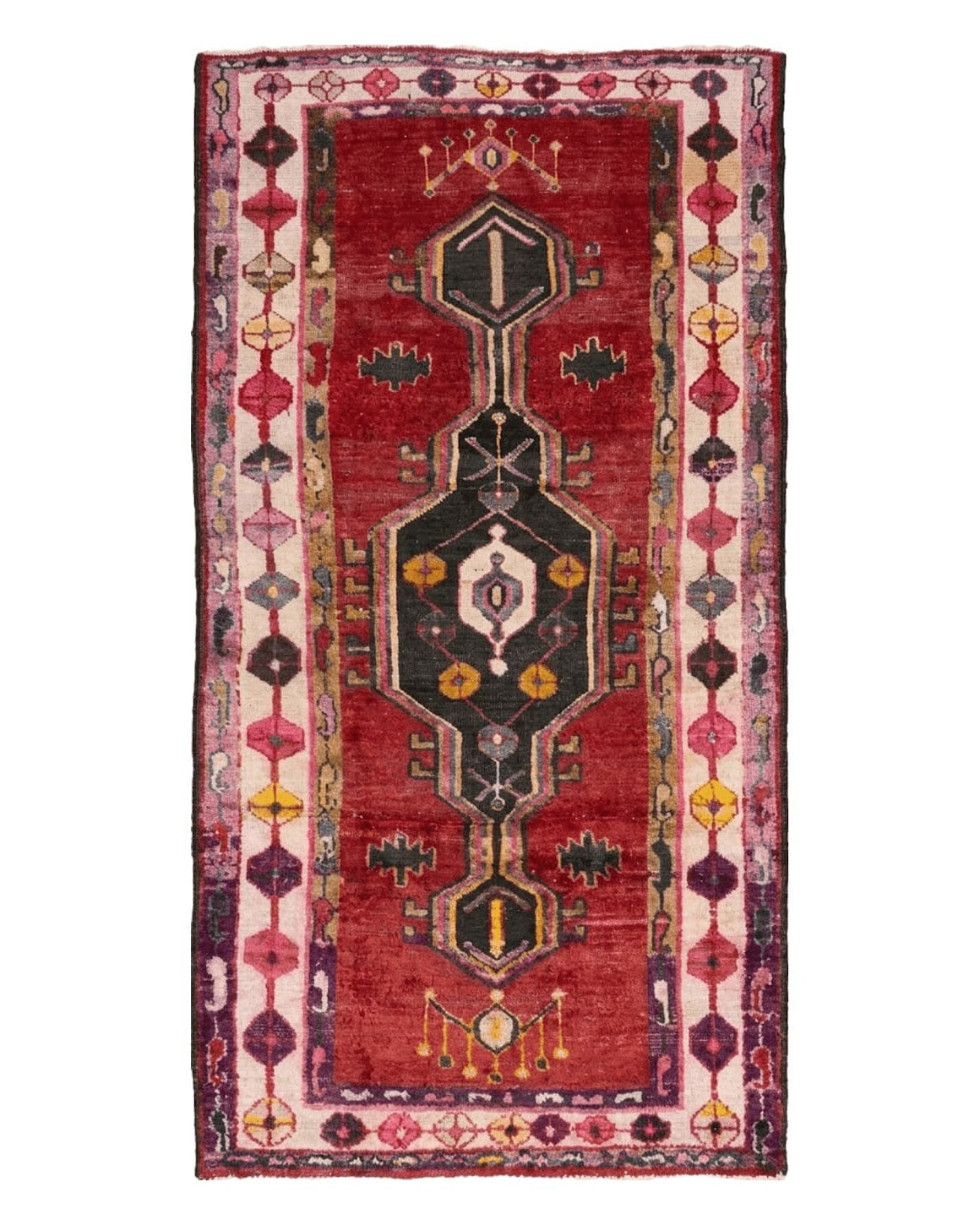
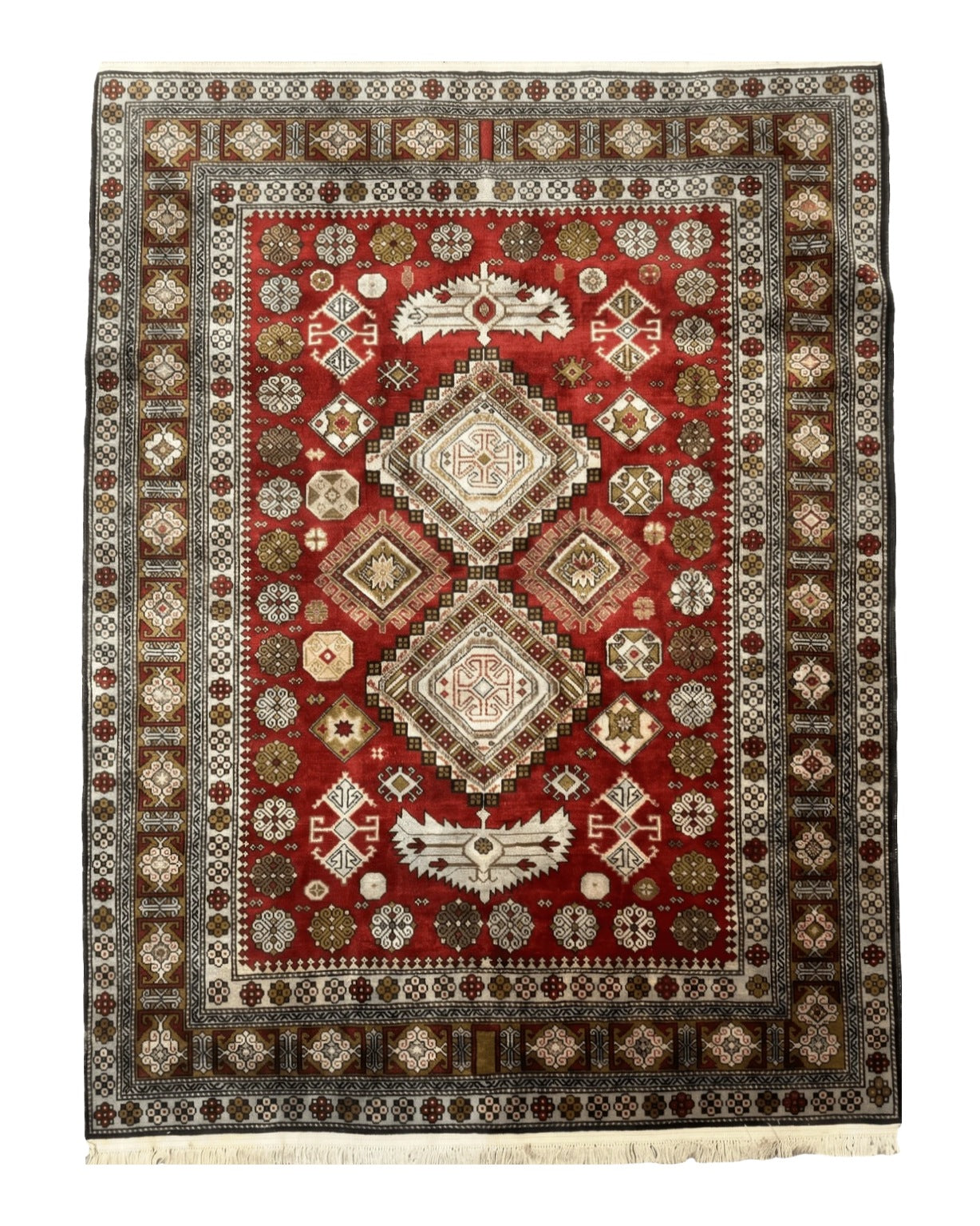
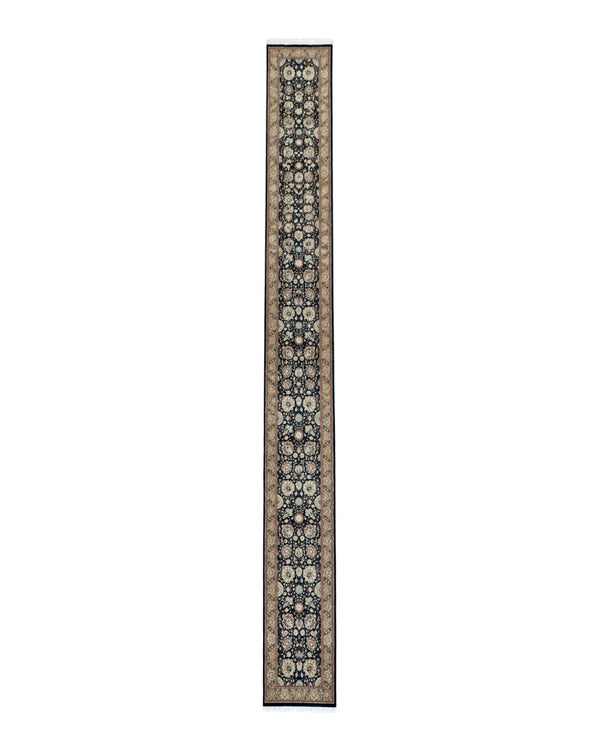
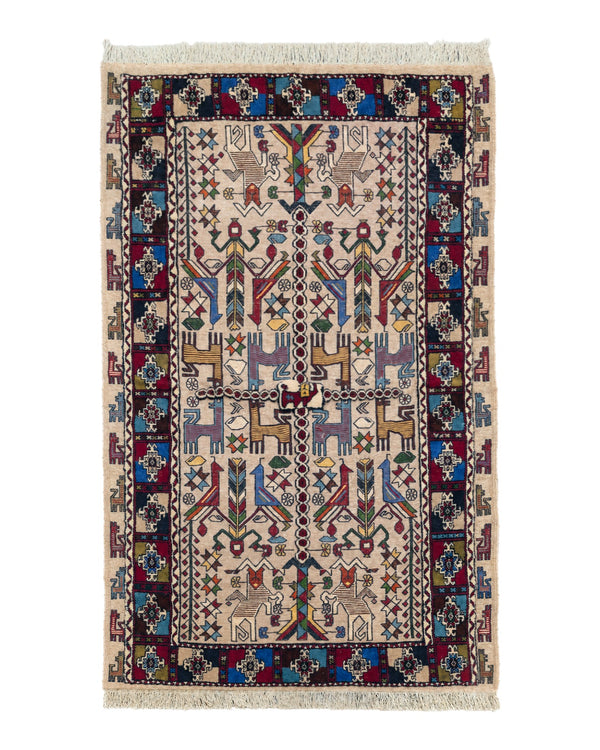
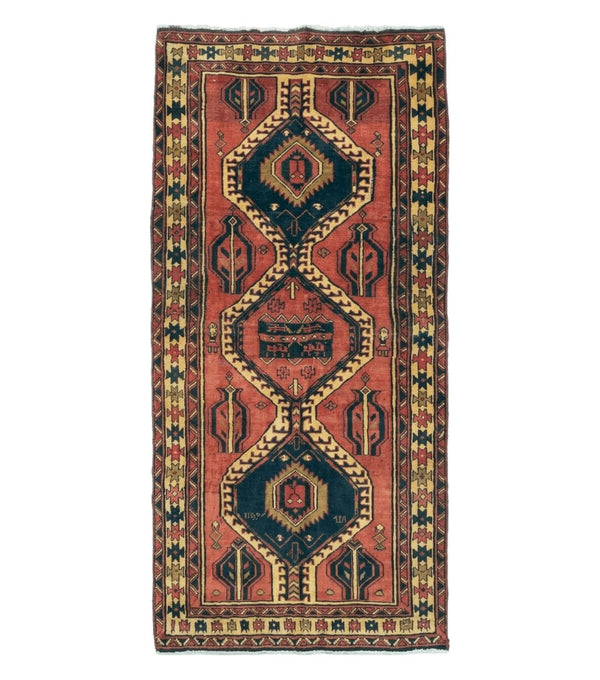
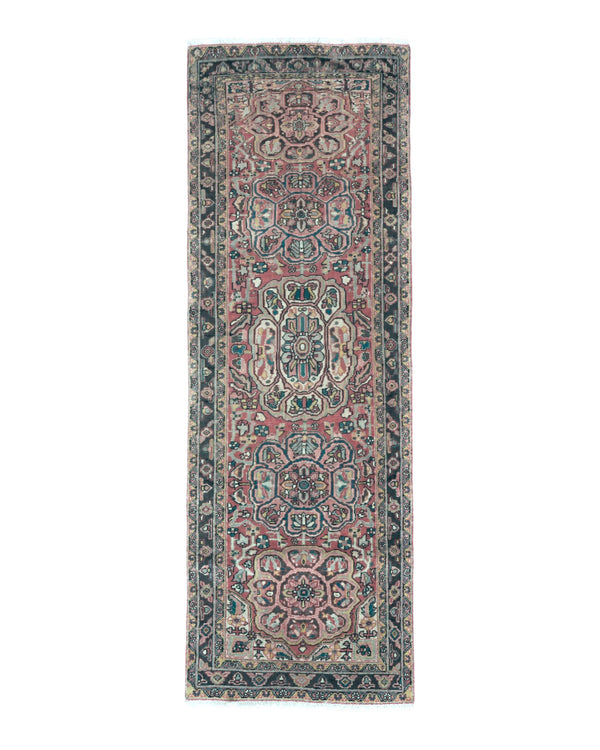
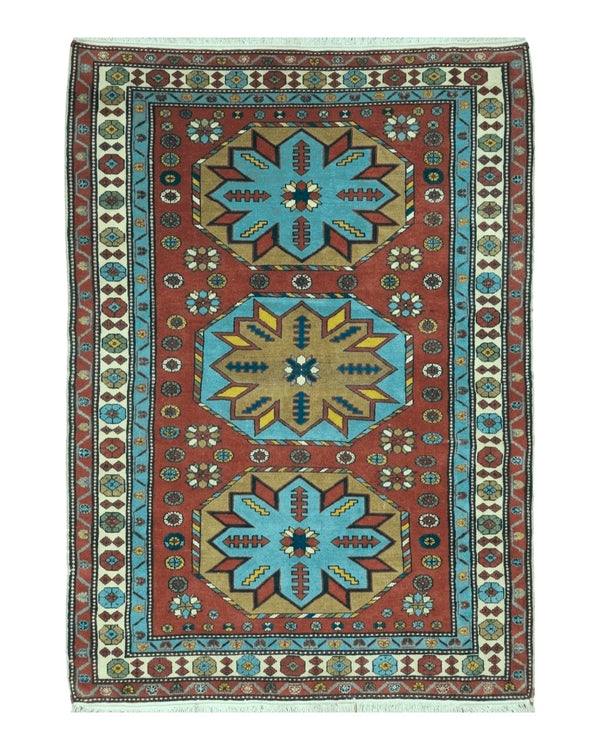
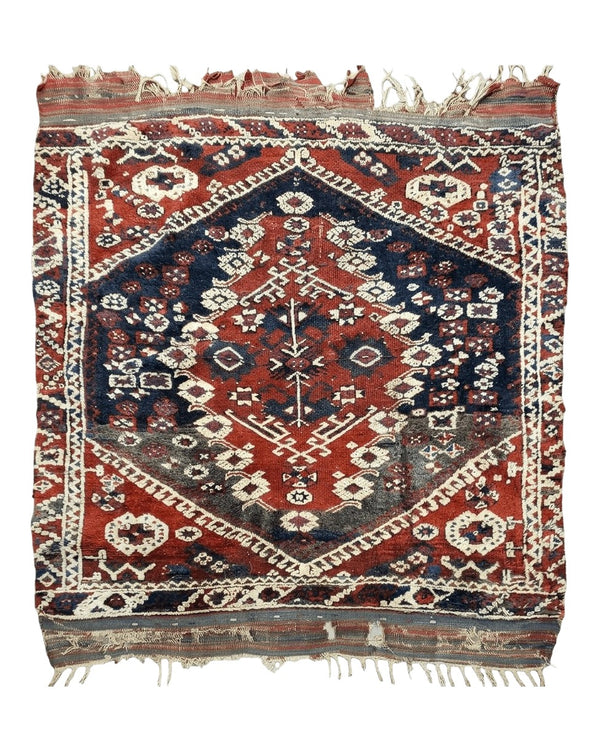
Kazak rugs are known for bold, oversized geometric medallions, a few strong colors and a thick, glossy wool pile. The style comes from the south-west Caucasus, around the town of Gazakh, and is now also woven in Turkey and Pakistan. Our collection includes antique Caucasian Kazaks and vintage Turkish Kazak rugs, mostly in small and medium sizes. See Kazak Rugs in our Rug Encyclopedia.

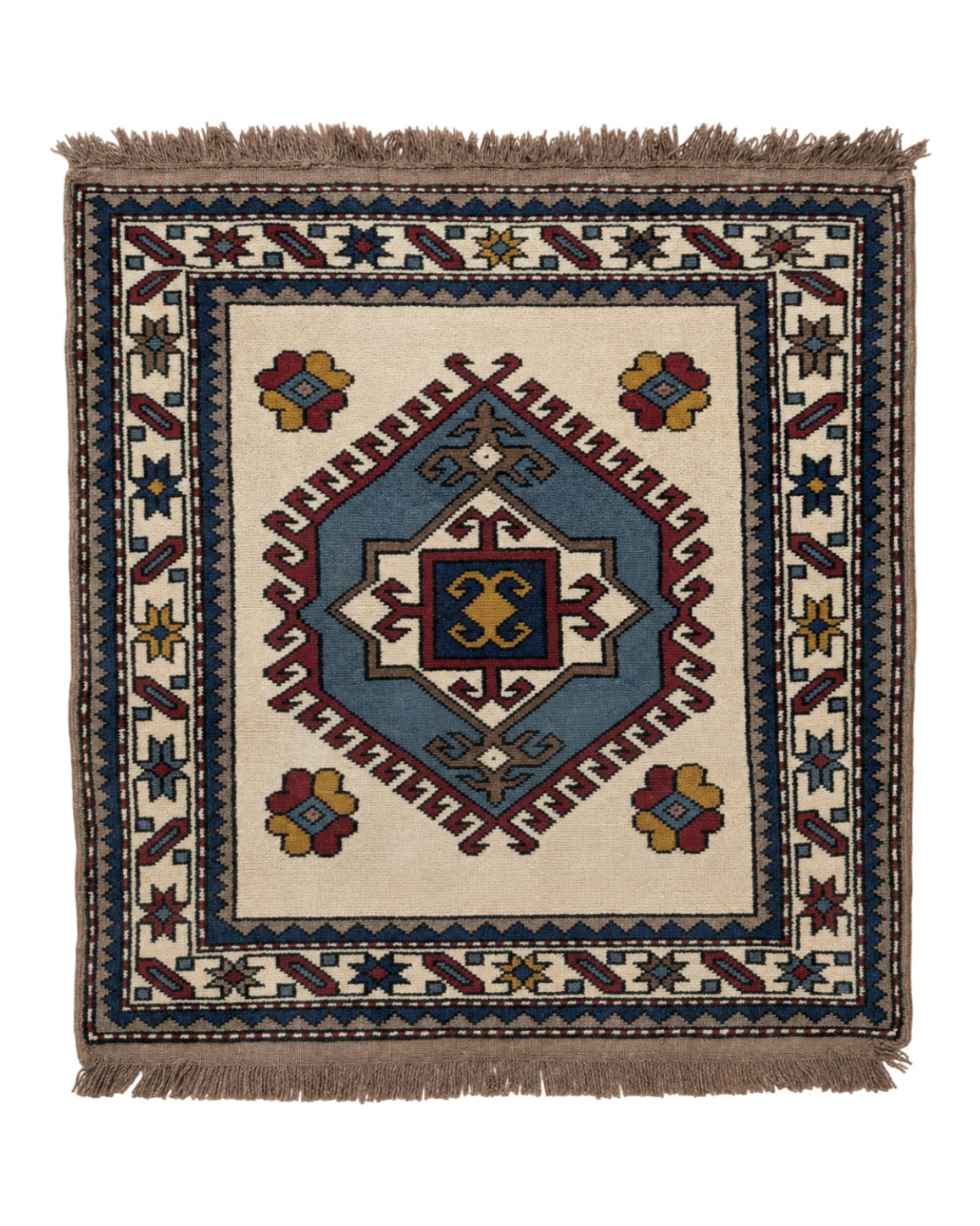

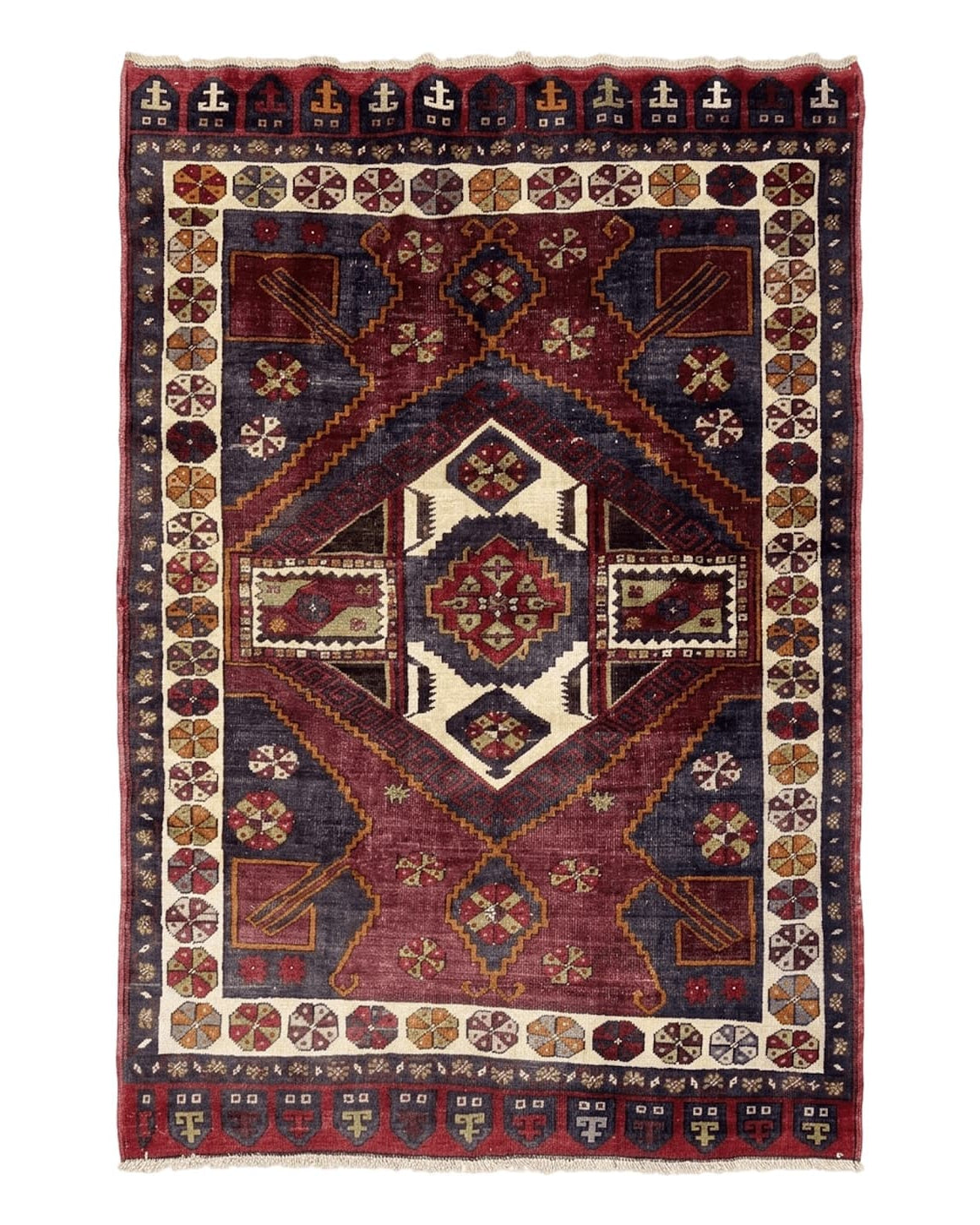
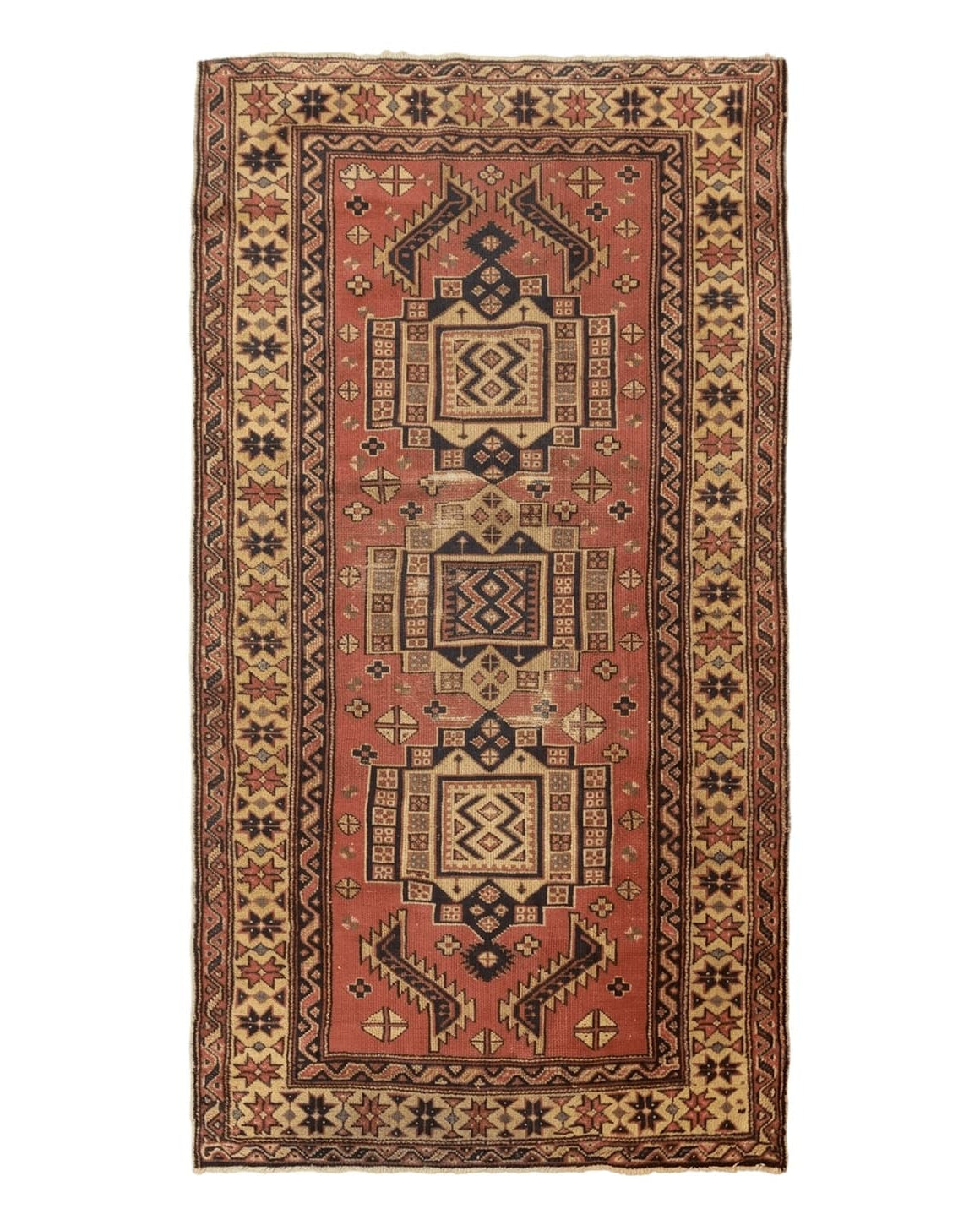


More Caucasian Rugs
View all 44 →


Shop Turkish Rugs
View all 211 →


Learn more in the Rug Encyclopedia
Explore the Rug Encyclopedia →
Kazak Rugs
The boldest of Caucasian rugs: thick, long-piled rugs with huge geometric medallions in a few strong colors, and the many Kazak...
Caucasian Rugs
Bold, brightly colored geometric rugs from the Caucasus mountains between the Black and Caspian seas: Kazak, Shirvan, Kuba, Kar...
Geometric vs. Curvilinear Designs
The two great families of rug design: straight-lined geometric patterns and flowing curvilinear florals. Why each looks the way...Kazak Rugs FAQs
What is a Kazak rug?
A Kazak rug is a hand-knotted wool rug in the style first woven in the south-west Caucasus, around the town of Gazakh. It has large geometric medallions, a few strong colors and a thick, glossy pile. See Kazak Rugs.
Where are Kazak rugs made?
Antique Kazaks were woven in villages of the south-west Caucasus. Since the late 20th century, Kazak designs have also been woven in Turkey, Pakistan and Afghanistan.
What is a Super Kazak rug?
"Super Kazak" is a trade name for modern Kazak-style rugs of higher quality, usually with hand-spun wool and natural dyes, woven mostly in Pakistan and Afghanistan.
How can I tell an antique Kazak?
Antique Caucasian Kazaks have a wool foundation, symmetric knots, natural dyes with gentle color changes (abrash) and signs of age such as an even, low pile. See Natural vs. Synthetic Dyes and Abrash.
What sizes do Kazak rugs come in?
Most Kazaks are small to medium, from about 3x4 to 6x9 feet, and many are nearly square. Room-size Kazaks and runners are less common. See Choosing the Right Rug Size.
Have another question? Contact us or call (856) 345-9444.