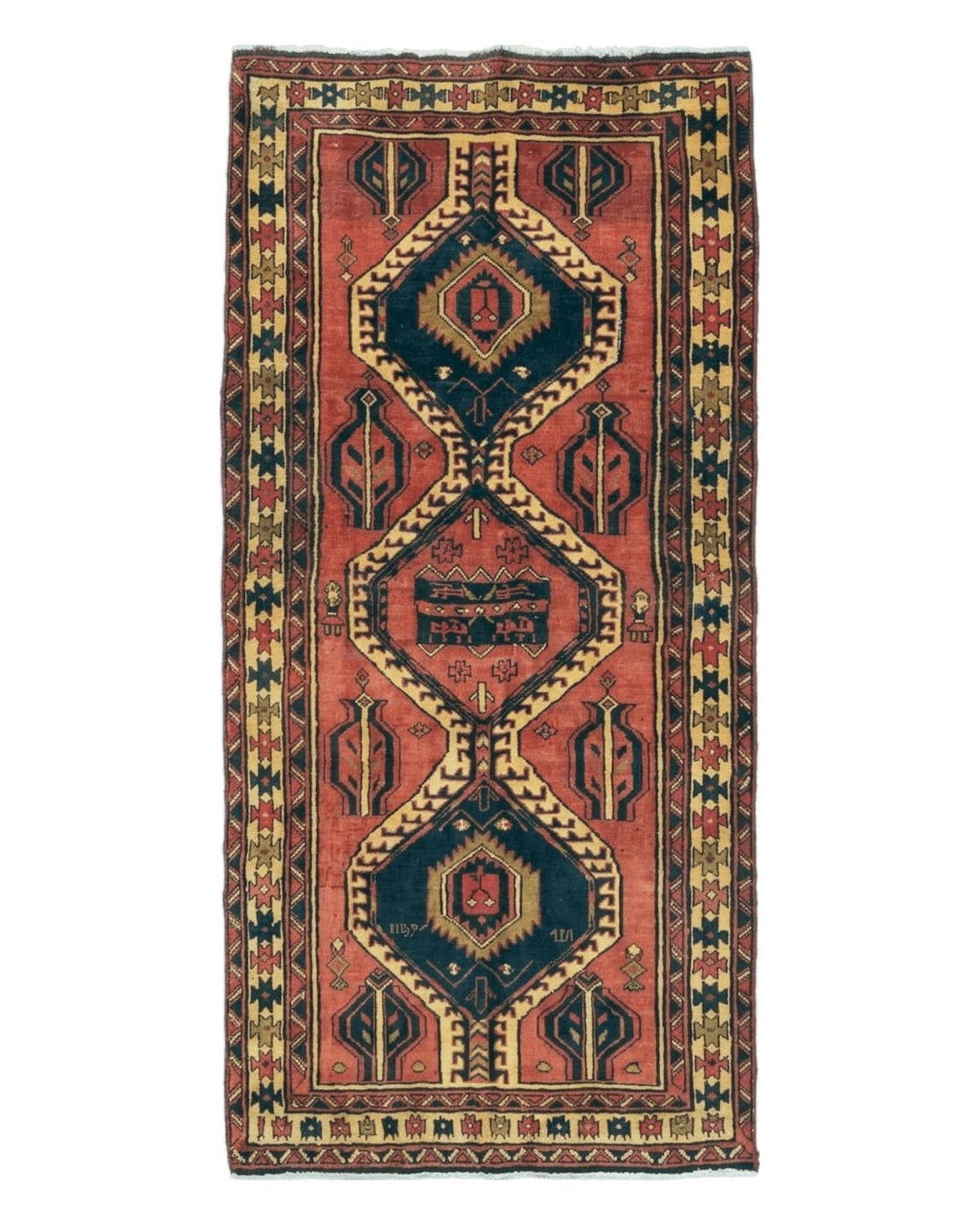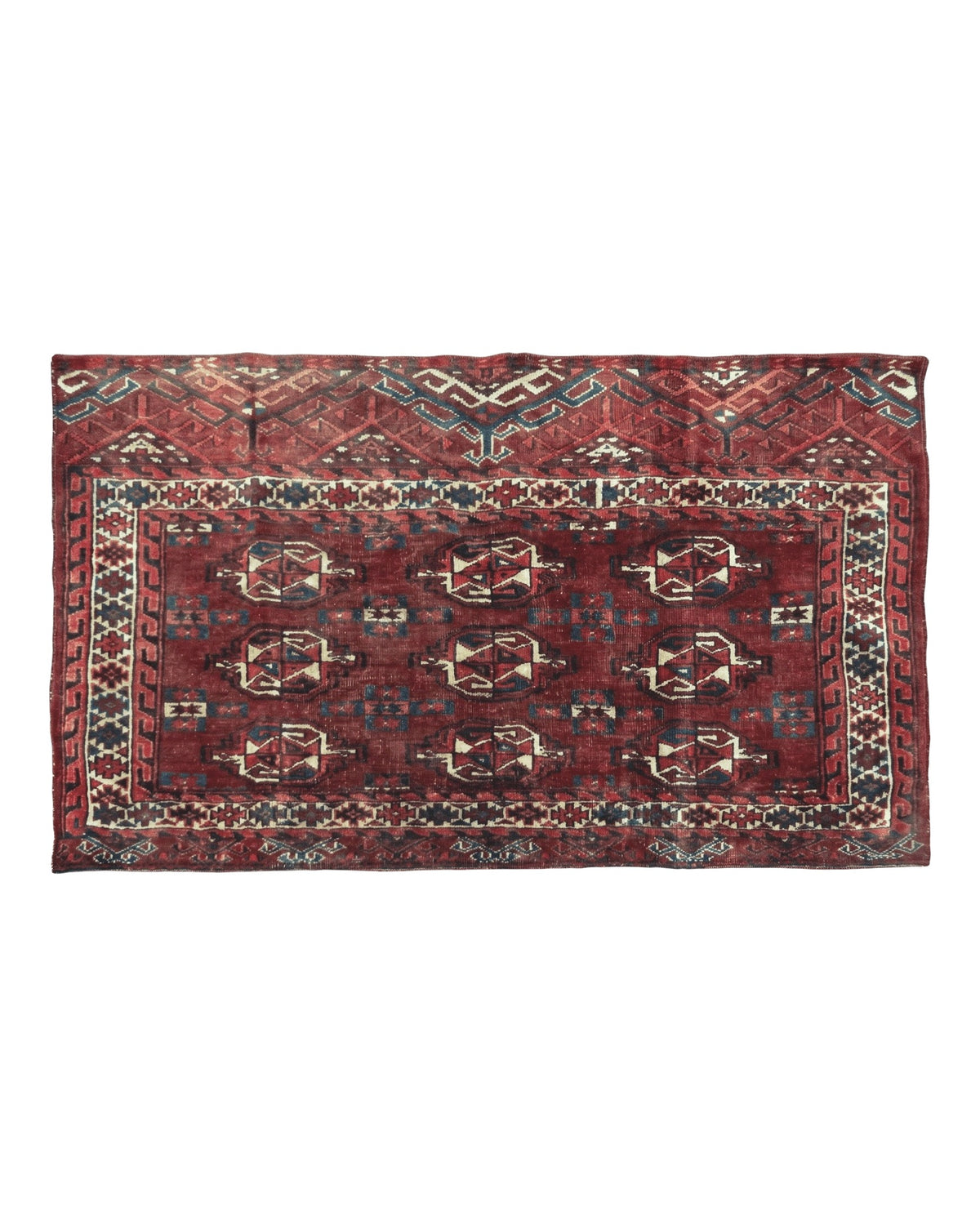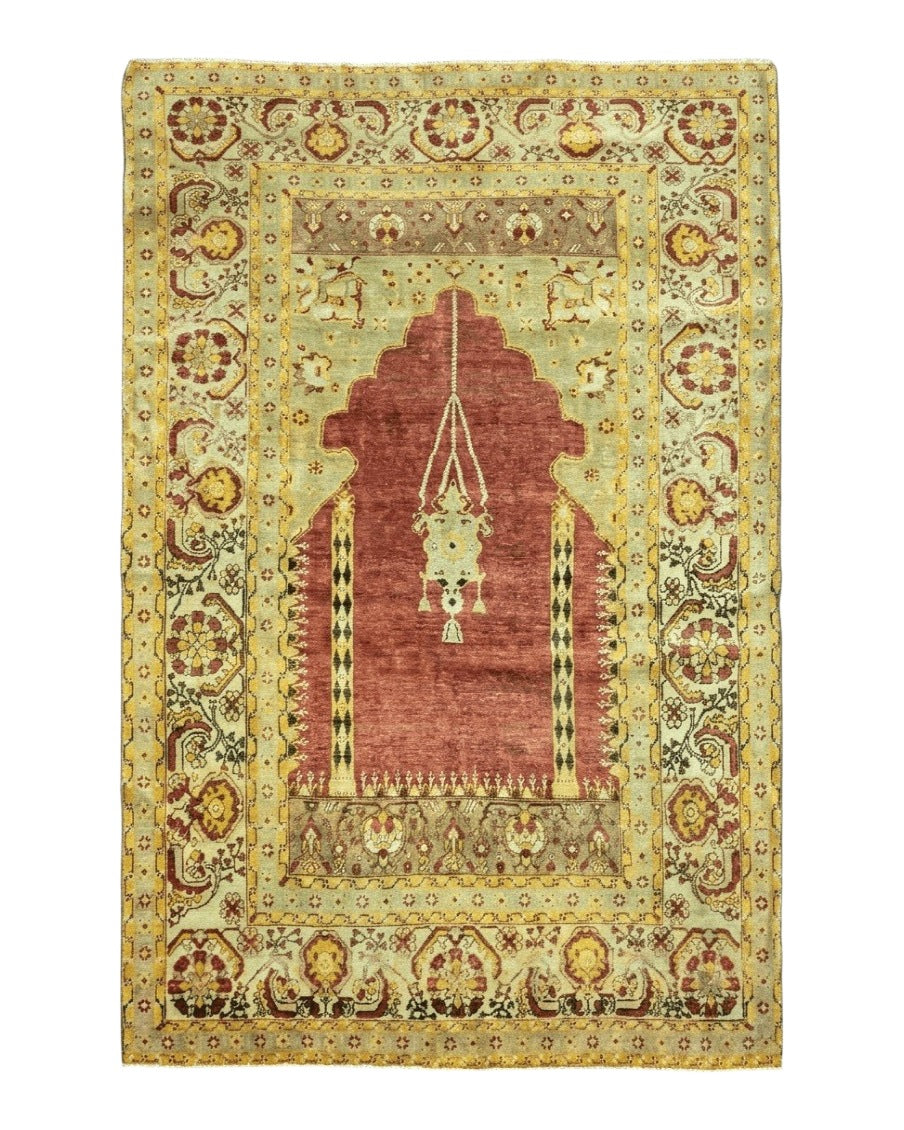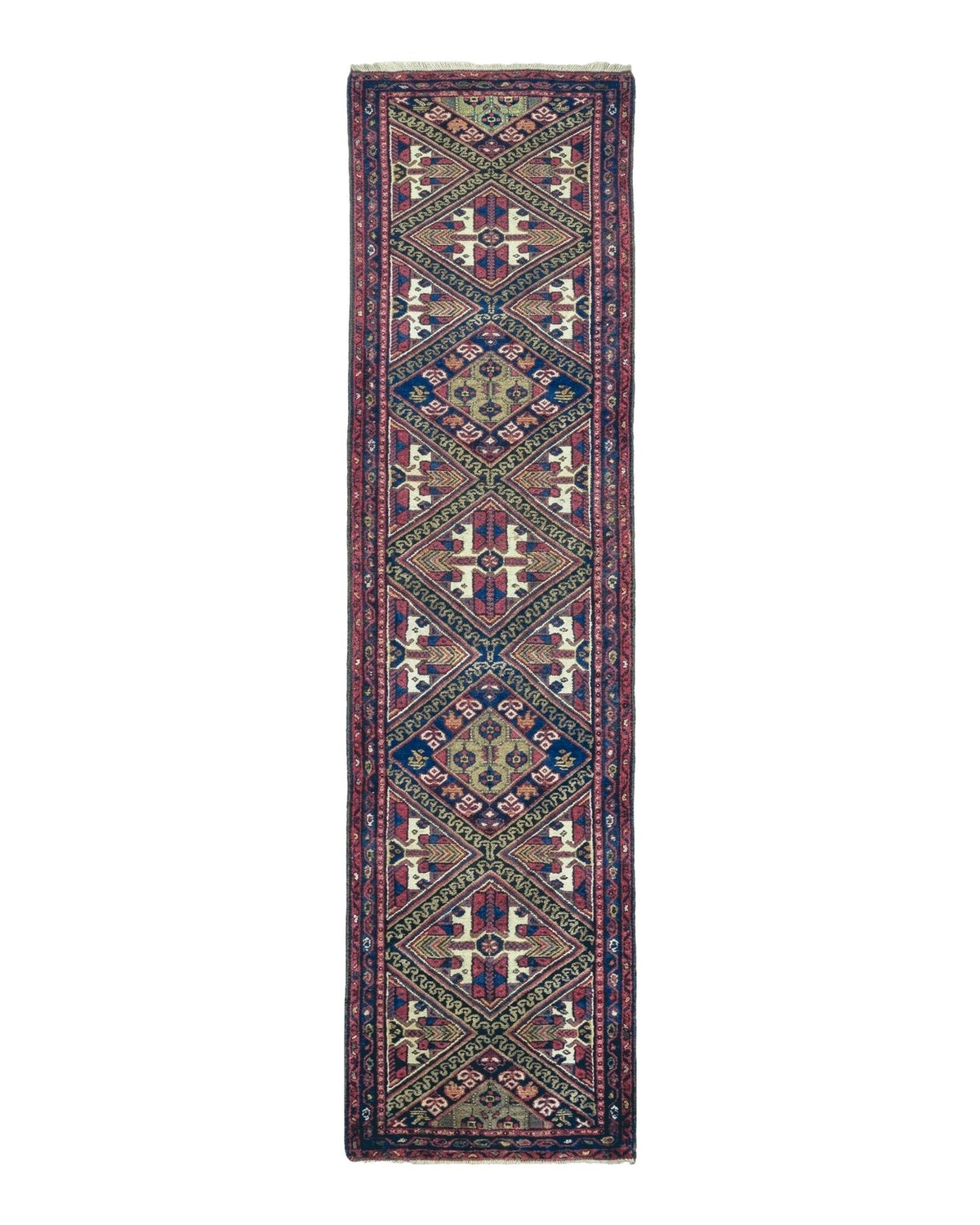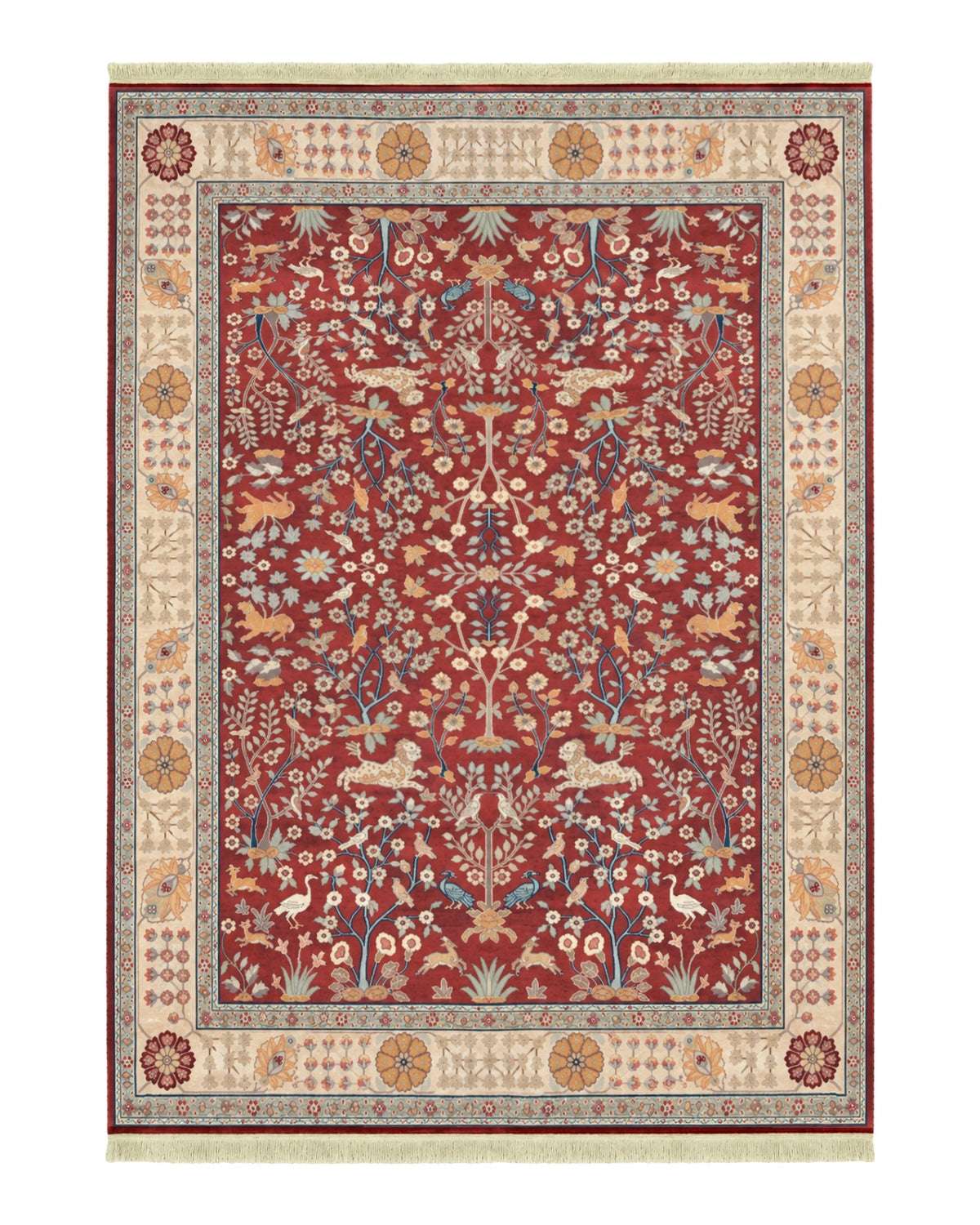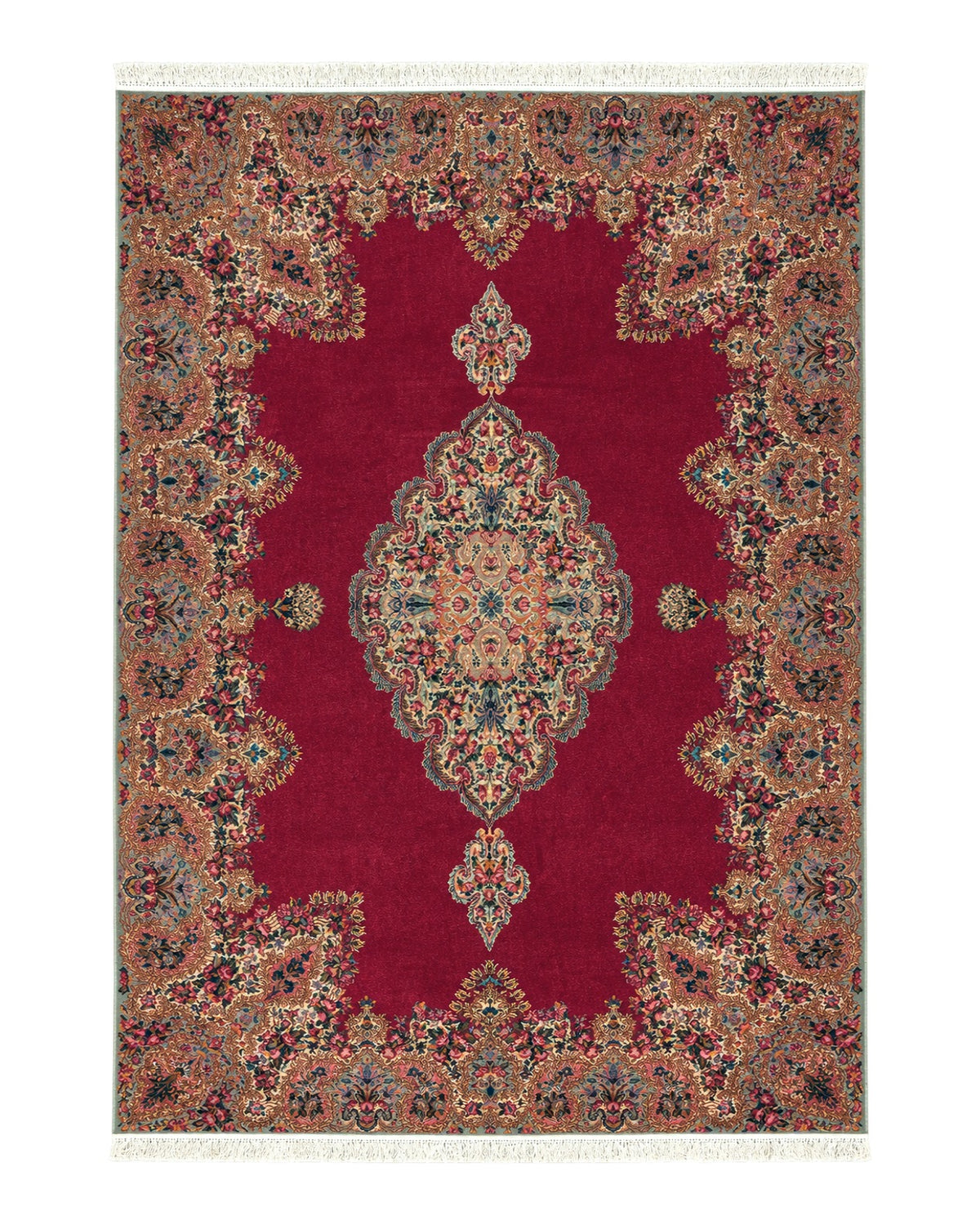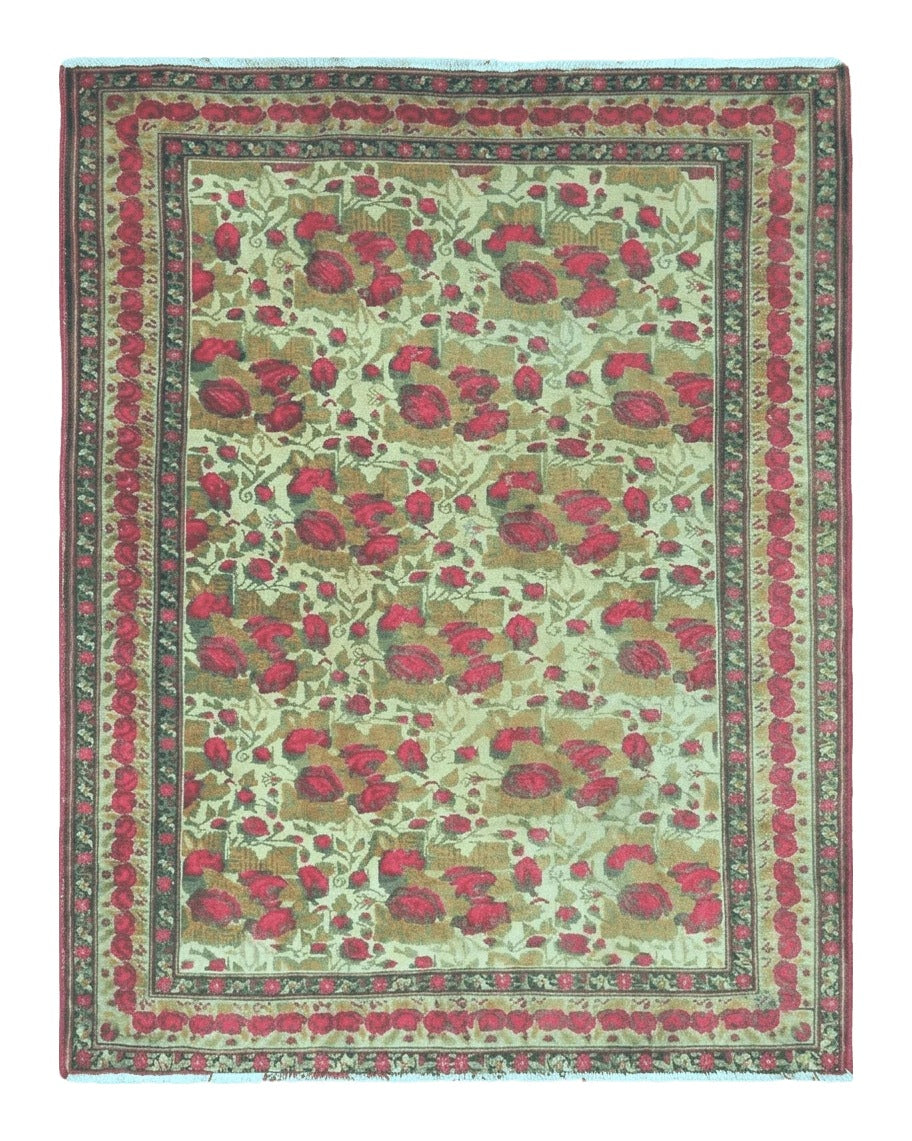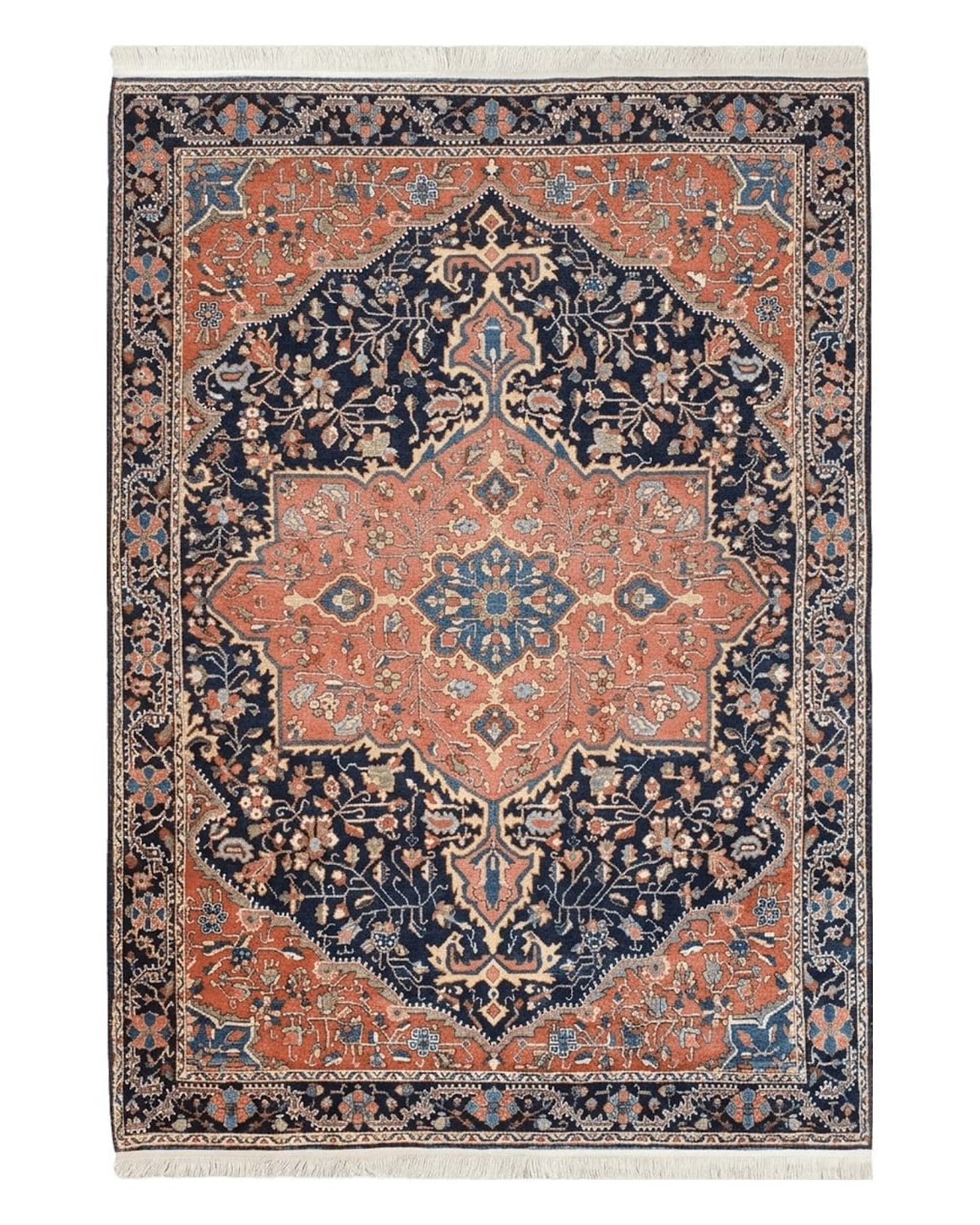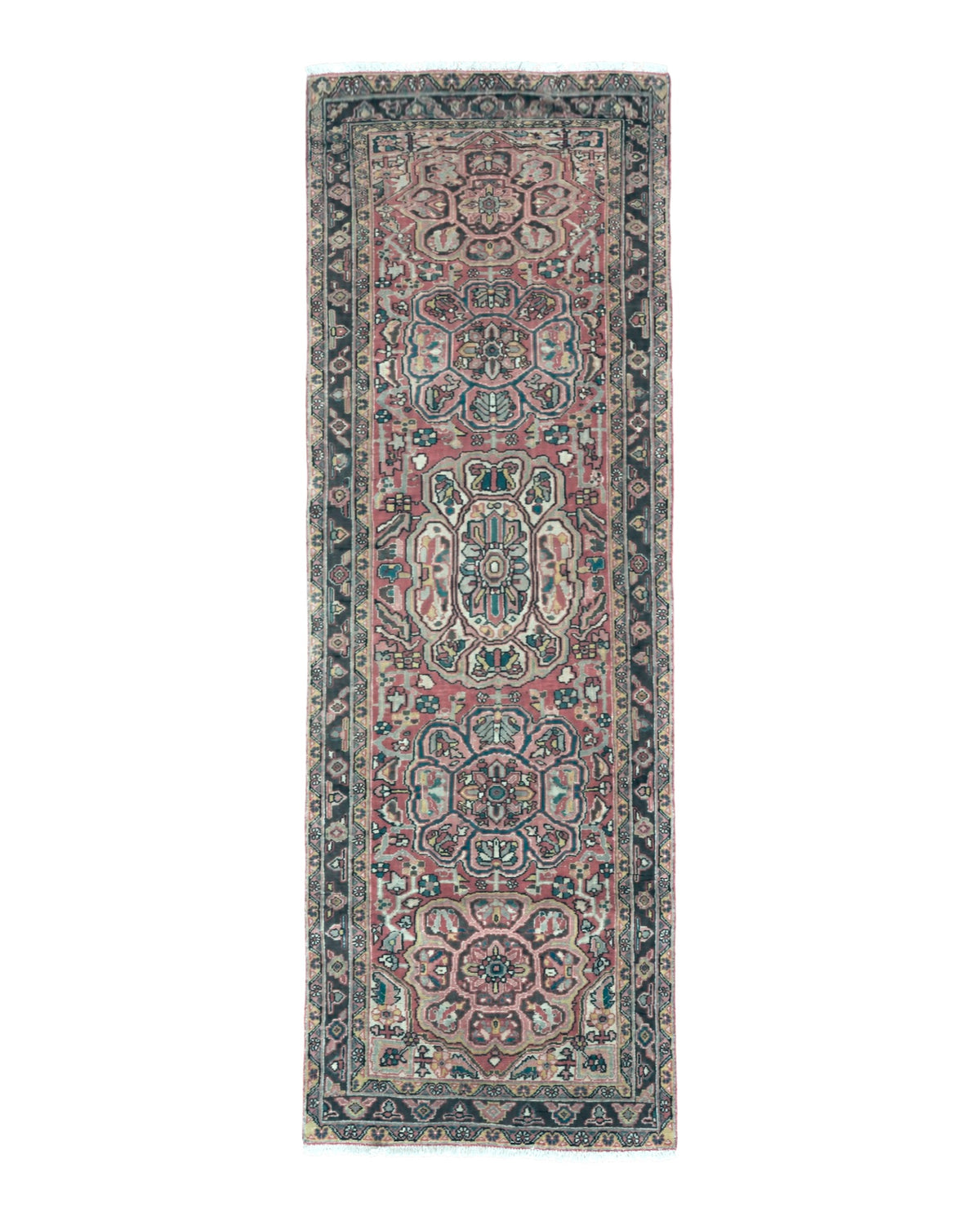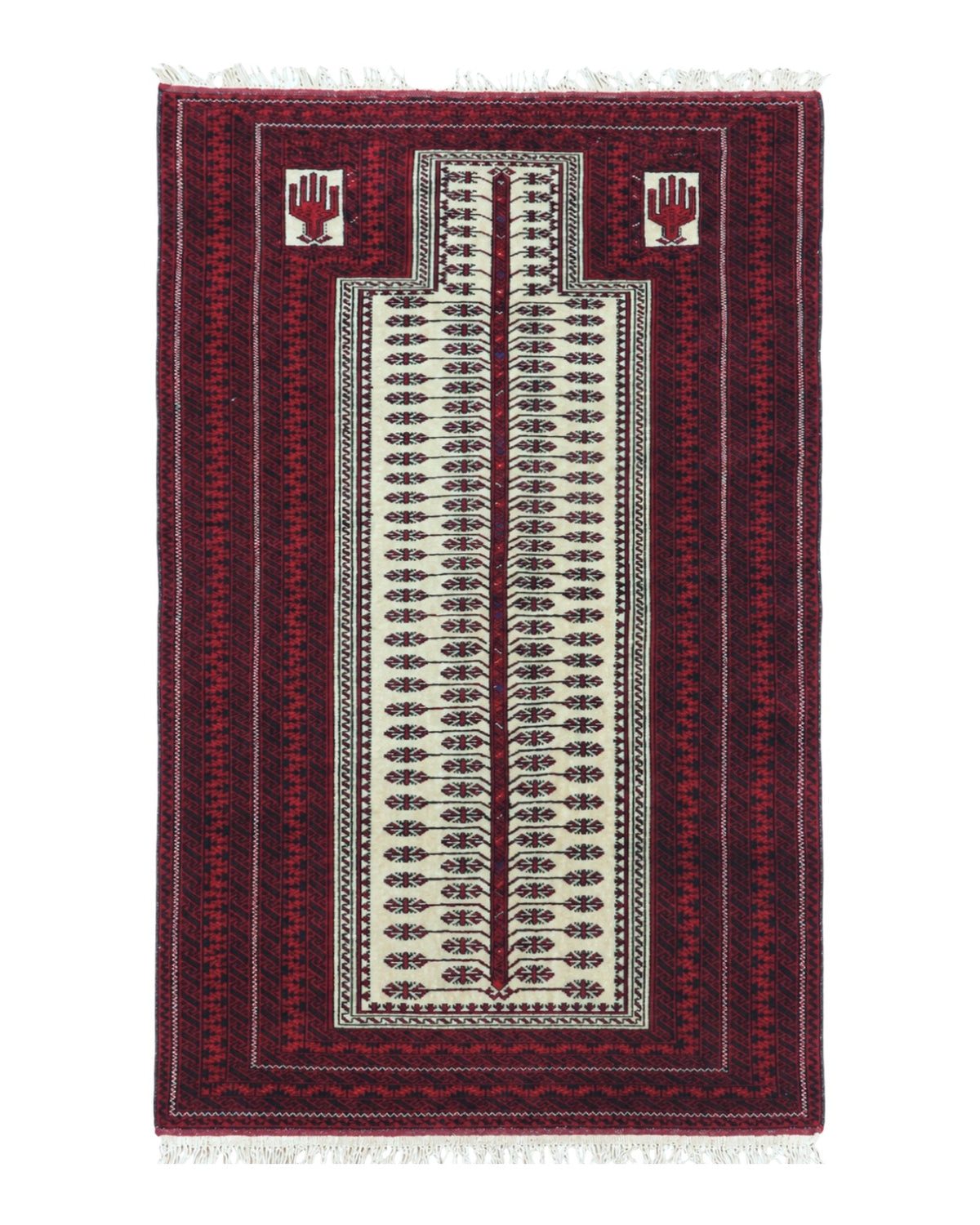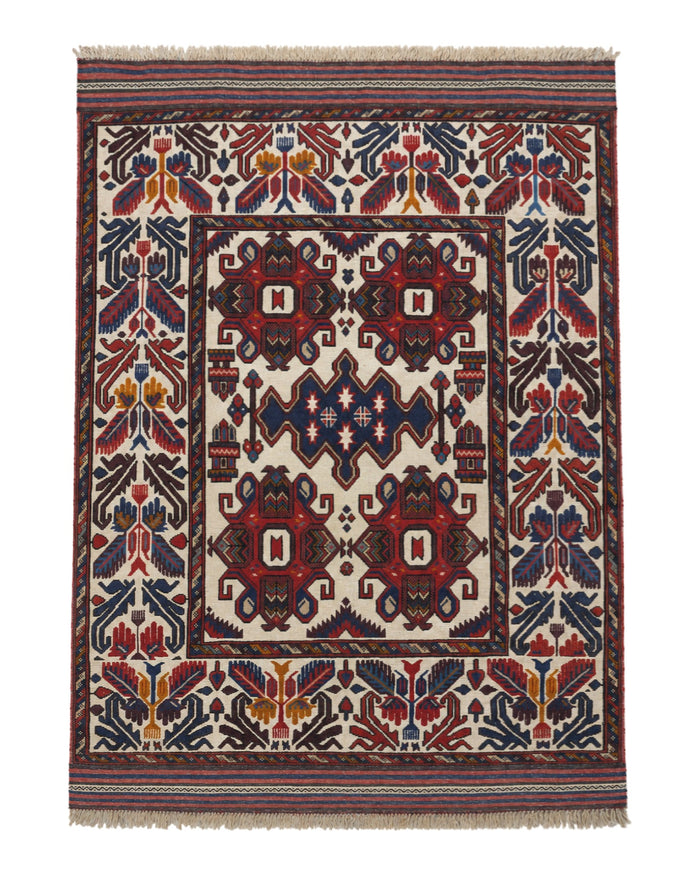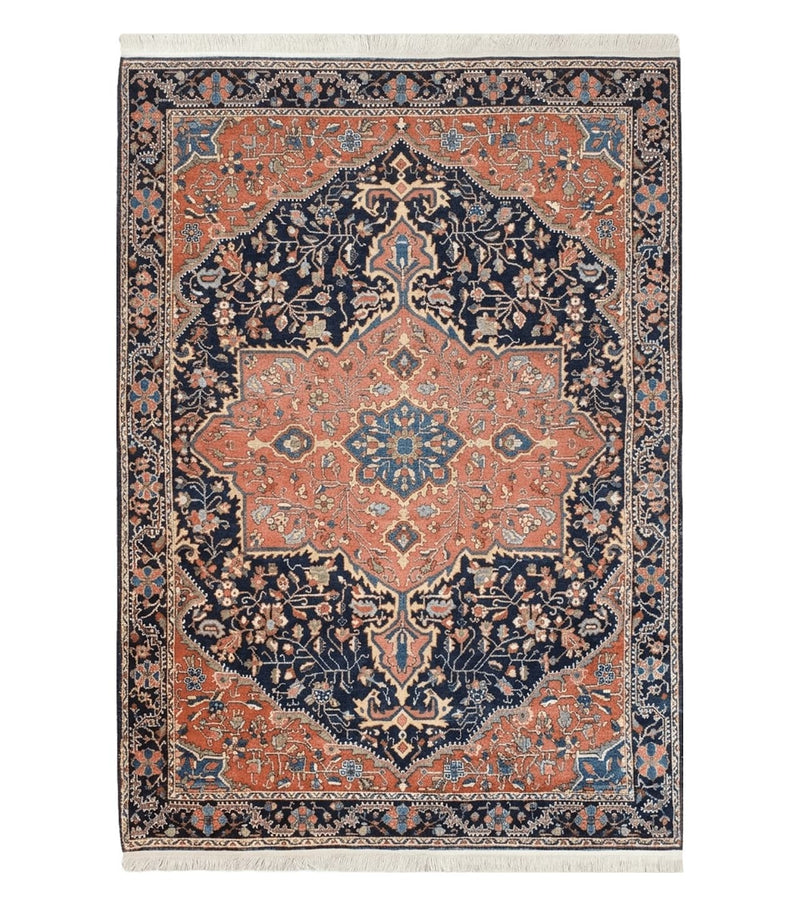


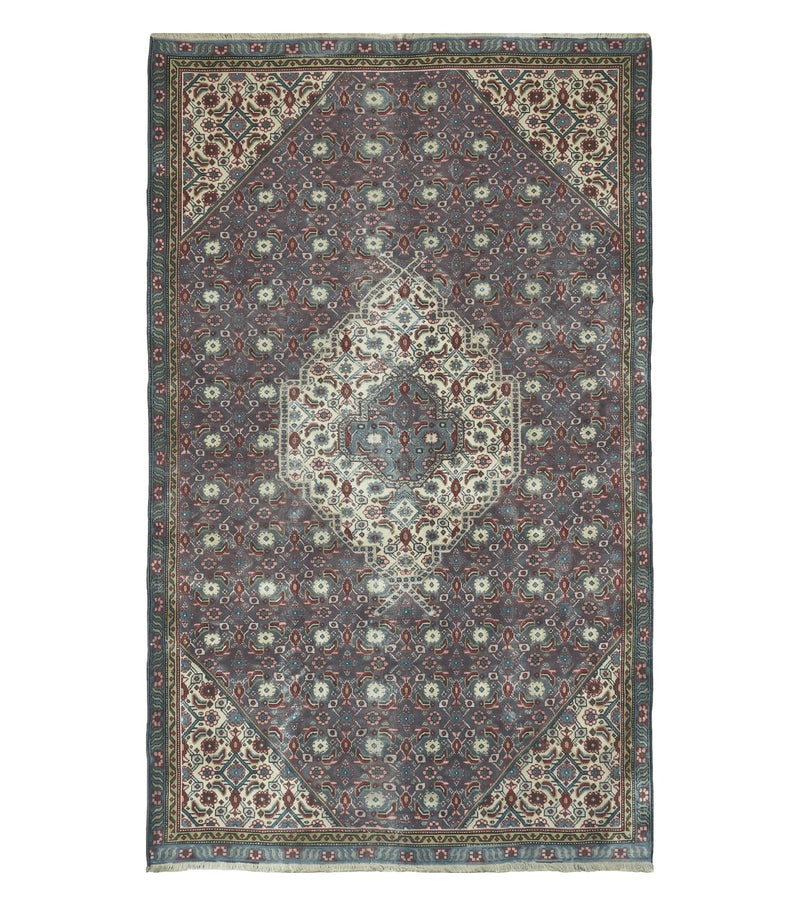


Color is often the first thing people notice in a rug, and how the wool was dyed has a large effect on how a rug looks and ages. For most of history, rug wool was colored with dyes from plants and insects. From the late 19th century, synthetic dyes became available, and today most rugs use them. Both can produce beautiful rugs, and the gentle color variation called abrash is part of the character of many handmade pieces.
| Natural reds | Madder root; also cochineal and lac (insect dyes) |
|---|---|
| Natural blues | Indigo |
| Natural yellows | Weld, saffron, pomegranate rind, vine leaves |
| Early synthetics | Aniline dyes from about the 1870s; some faded or ran |
| Modern synthetics | Chrome dyes, in wide use from the mid-20th century; stable and lightfast |
| Abrash | Bands of slightly different shade from batches of dyed wool |
Natural dyes
Traditional dyers built a full palette from a small number of sources. Madder, the root of a plant grown across the rug belt, gives reds from pale pink to deep brick and, with different mordants, purples and browns. Indigo gives blues from sky blue to near black. Yellows came from plants such as weld, saffron, and pomegranate rind. Greens and oranges were made by dyeing wool twice, for example indigo over a yellow.
Natural dyes tend to fade gracefully. The colors mellow and soften over the years rather than changing hue, which is part of why antique rugs have such warm, harmonious palettes. See Rug Colors and Their Meanings.
The arrival of synthetic dyes
The first synthetic dyes, known as aniline dyes, reached the weaving regions from Europe in the later 19th century. They were cheap and easy to use, but some early colors were unstable: certain reds and oranges ran when washed, and some purples and pinks faded to gray or brown. Iran restricted their use for a time to protect the reputation of Persian rugs.
From the early 20th century, more reliable dyes were developed, and the chrome dyes that came into wide use by the mid-20th century are colorfast and resistant to light. Most rugs woven since then use synthetic dyes, and well-dyed modern wool keeps its color very well.
Abrash
Abrash is the name for visible changes of shade within one color, usually seen as horizontal bands across the rug. It happens because wool is dyed in batches, and each batch comes out slightly different, especially with natural dyes and hand-spun wool. When a weaver runs out of one batch and starts another, the color shifts a little.
Abrash is most common in village and tribal rugs, where wool was dyed in small quantities, and it is usually seen as a sign of handwork and authenticity. Collectors often value strong, attractive abrash because it gives a rug depth and movement. In fine city rugs, where dyers worked to match colors exactly, abrash is usually slight.
Telling natural from synthetic dyes
There is no simple test, and even experienced dealers sometimes rely on laboratory analysis for certainty. Some clues:
- Color at the base of the pile. Part the pile and compare the tips with the base. Natural dyes usually fade evenly; some early synthetics faded at the tips but stayed bright at the base, or changed hue.
- Range of tones. Naturally dyed rugs often show several closely related shades of each color, and abrash is common.
- Very bright or flat colors. Hot pinks, harsh oranges and colors with no variation at all suggest synthetic dyes, though skilled modern dyers can produce subtle colors too.
- Age. A rug made before the 1870s will have natural dyes. Rugs from the early 20th century may have either, or both.
Color and value
Good, harmonious color is one of the most important things in a rug's value, whatever the dye. Natural dyes add value in antique and collectible rugs, especially tribal and village pieces. Faded, run or uneven colors caused by poor dyes or careless washing lower it. See What Determines a Rug's Value and How Rugs Are Dated.