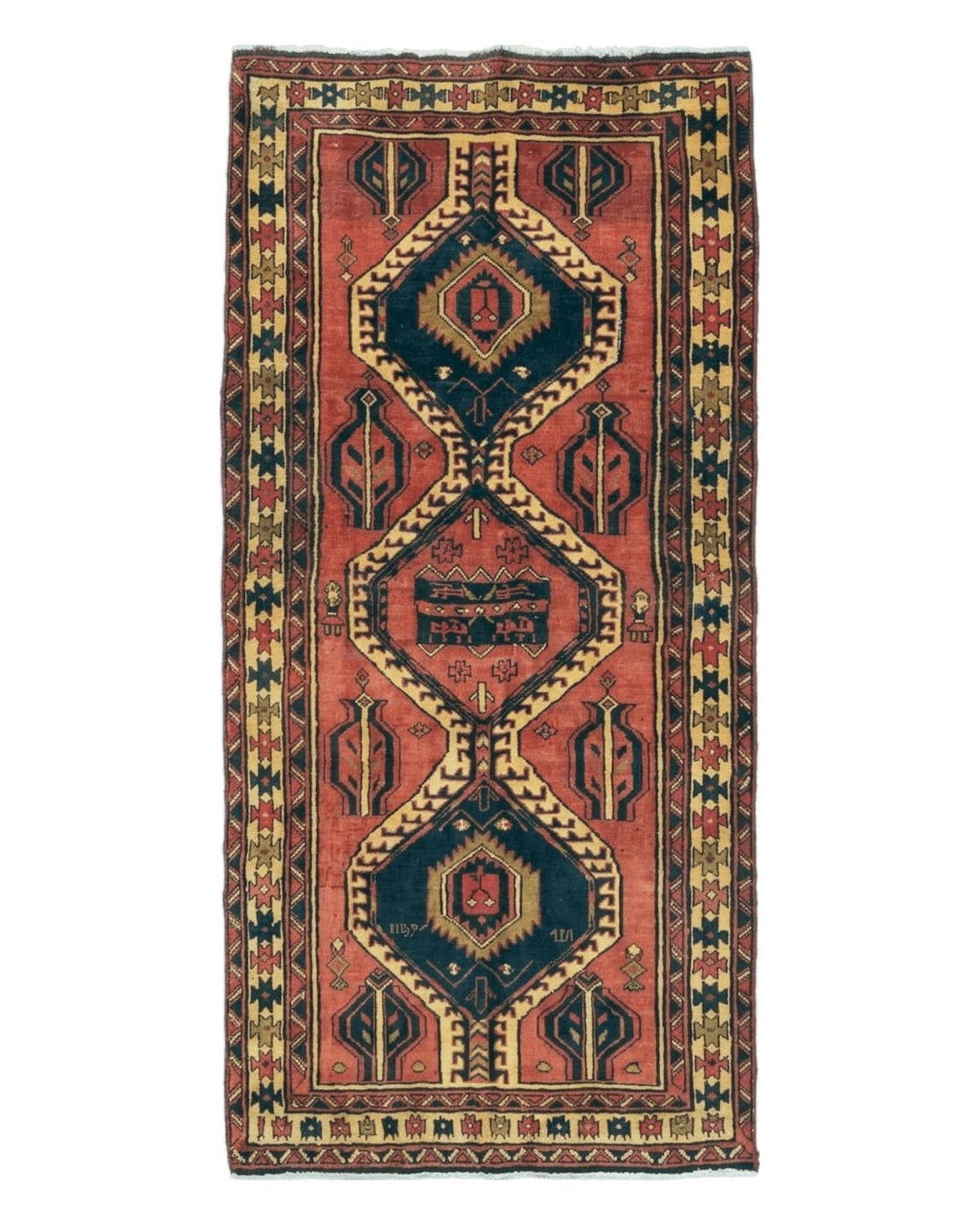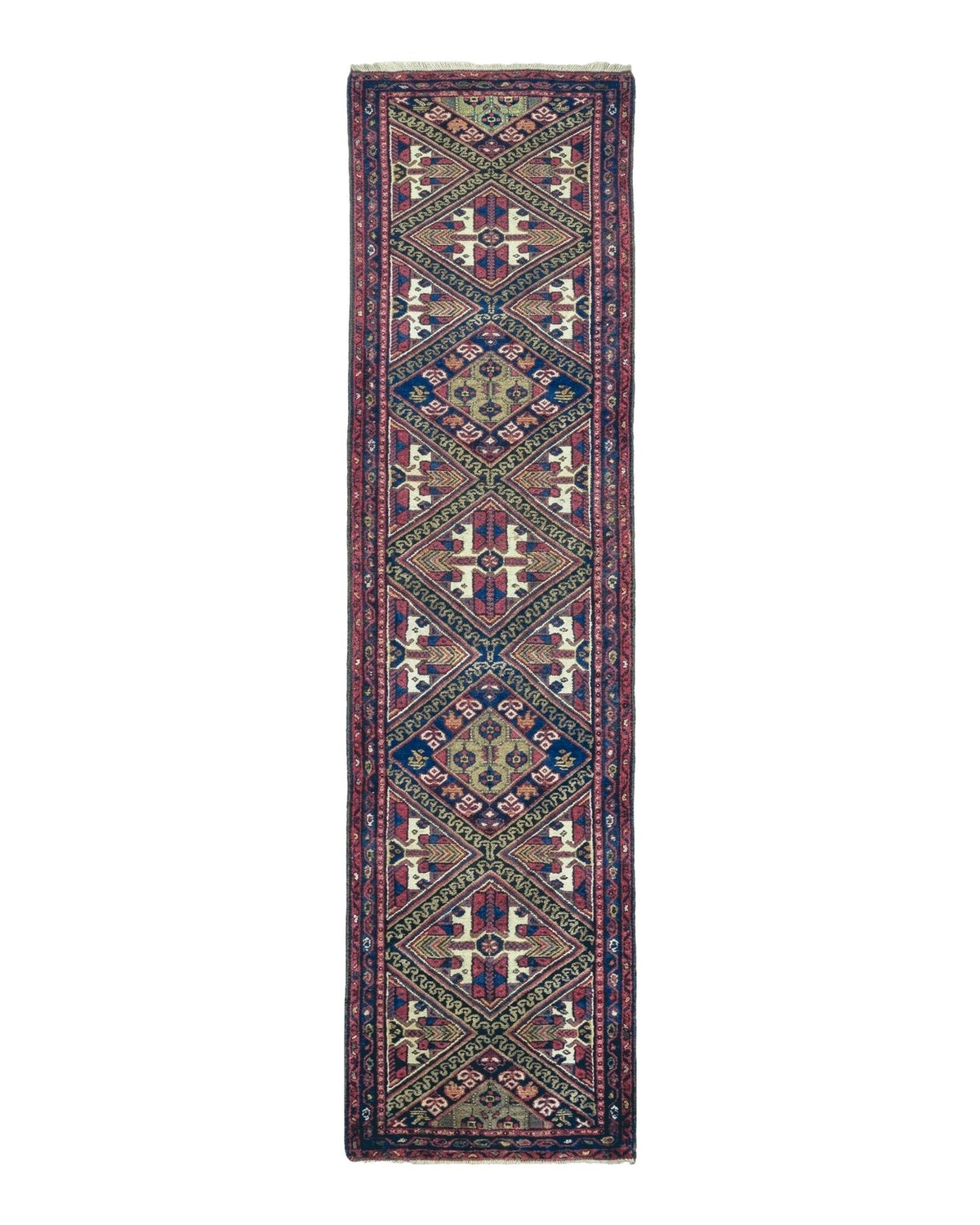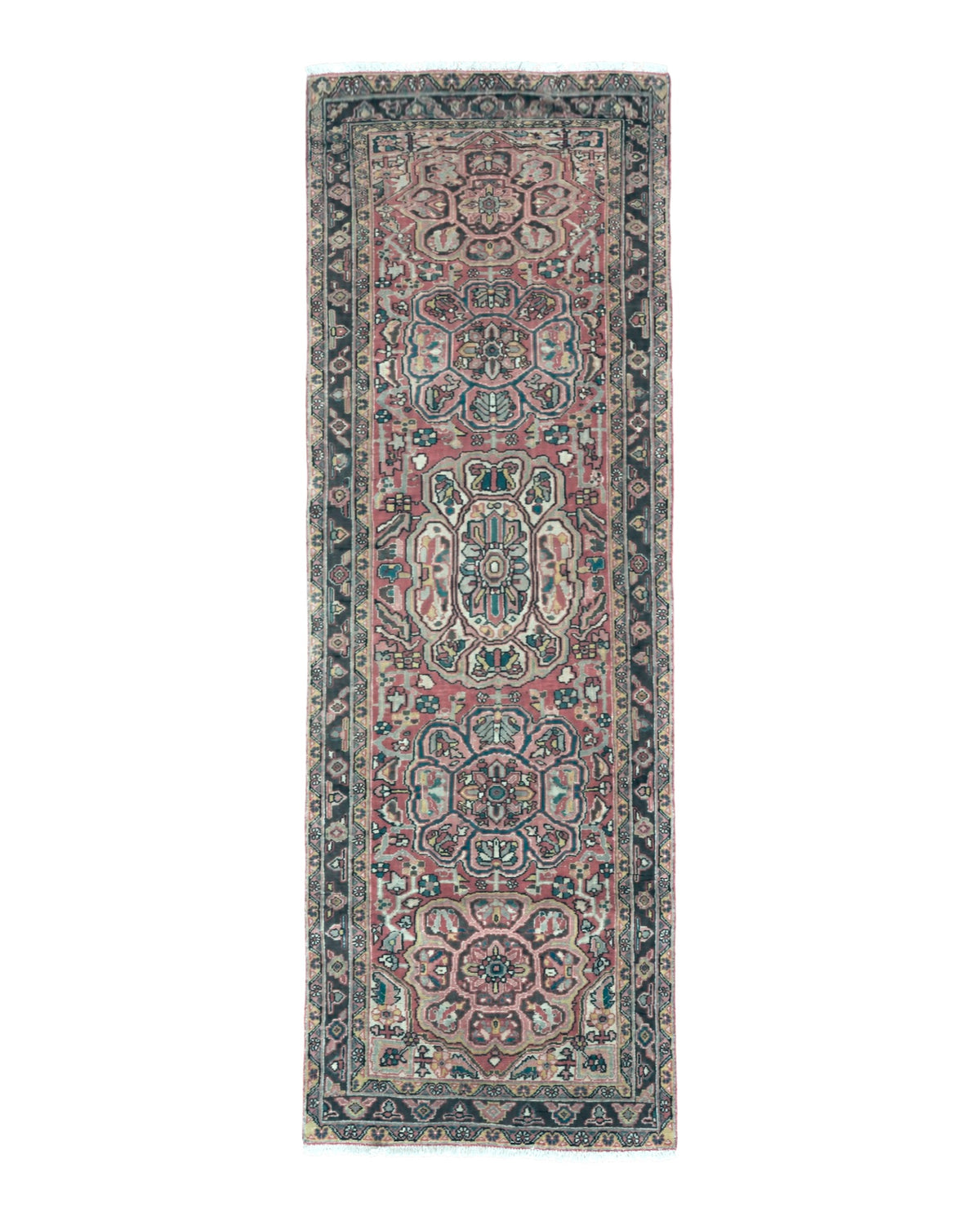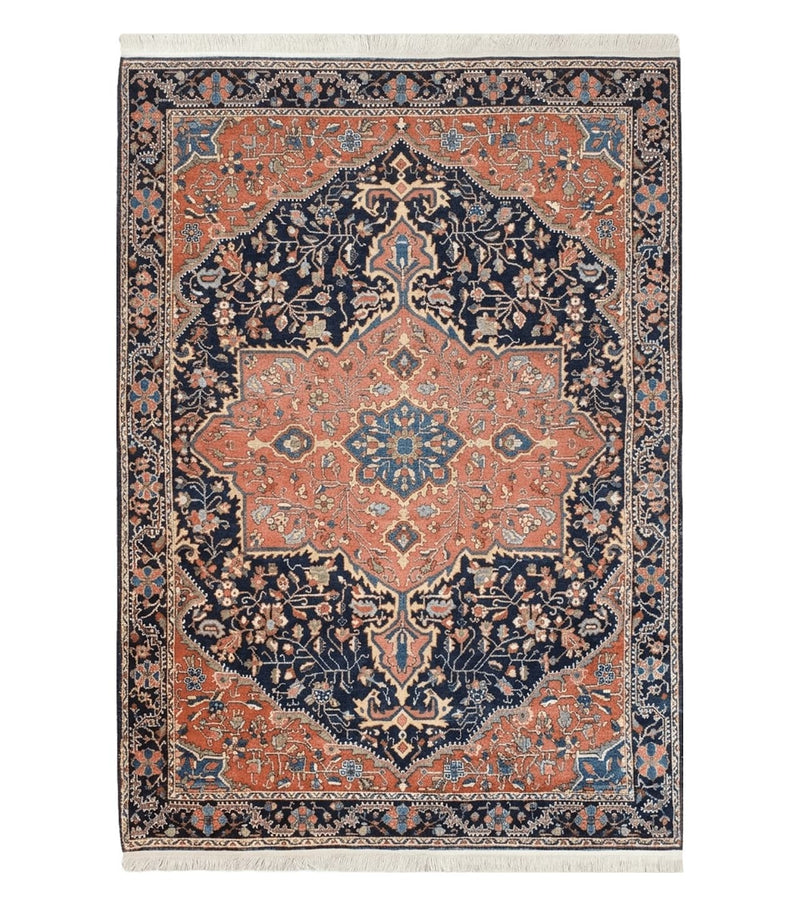


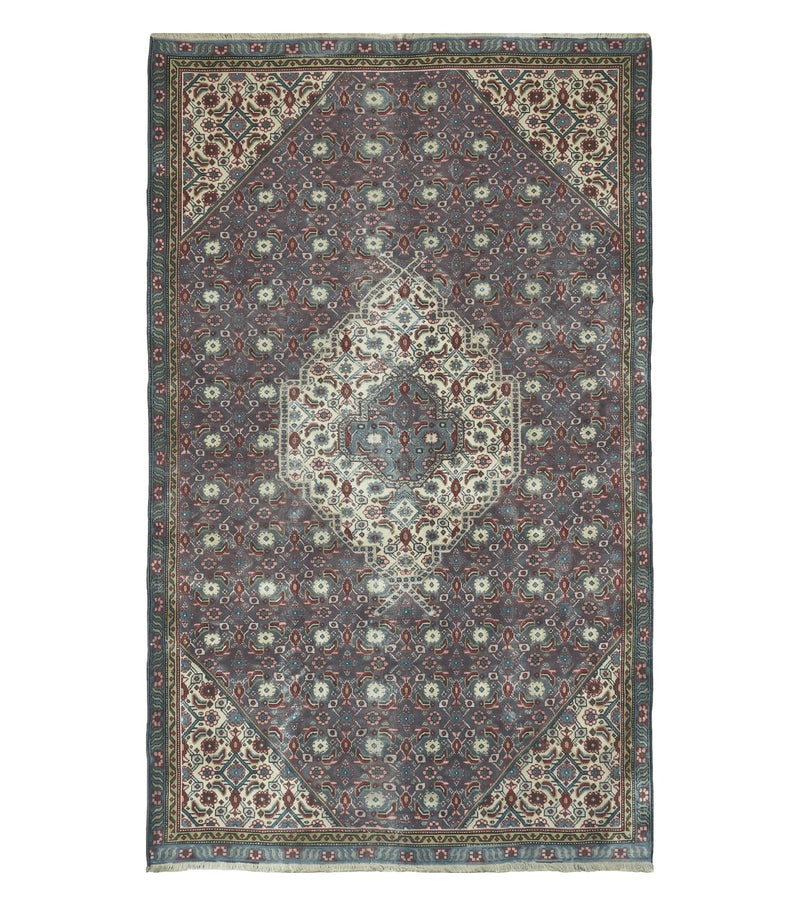


Hamadan is one of the oldest cities in Iran, in the west of the country, and the market town for one of the largest rug-weaving regions in the world. Hundreds of villages around it weave rugs, which are sold under the Hamadan name or under the names of individual villages. Hamadan rugs are village rugs: sturdy, practical, often geometric, and good value. They are among the most common Persian rugs found in American homes, and many have given decades of service.
| Origin | Hundreds of villages around Hamadan, western Iran |
|---|---|
| Tradition | Village rugs |
| Knot | Symmetric (Turkish) |
| Construction | Usually a single weft between rows of knots |
| Materials | Sturdy wool pile on a cotton foundation |
| Typical designs | Geometric medallions, Herati and boteh patterns |
| Village names | Dargazin, Ingeles, Mazlaghan, Hosseinabad, Borchalu and many more |
A region of villages
The Hamadan region is home to Persian, Kurdish and Turkic-speaking villages, and each has its own designs and colors. Some village names are well known in the trade:
- Dargazin: sturdy rugs, often with Herati or medallion designs; double-wefted, unlike most Hamadans.
- Ingeles (Injelas): fine village rugs with small all-over Herati or boteh patterns, often on a red ground.
- Mazlaghan: rugs with a distinctive jagged "lightning" medallion.
- Hosseinabad: all-over Herati designs, often in runners.
- Borchalu: curvilinear floral medallion designs, closer to city styles.
Rugs that cannot be traced to a particular village are simply sold as Hamadan.
The single weft
The best way to identify most Hamadan rugs is on the back. Most Hamadan villages pass only a single weft between each row of knots. On the back, this makes every knot show as a slightly offset, staggered pattern, and you can often see the weft crossing over and under alternate warps. Most other Persian rugs have two wefts per row. See Knots and Knot Density.
Designs and colors
Hamadan designs are usually geometric: a central diamond or hooked medallion, often with an open field around it, or an all-over pattern of small Herati or boteh motifs. Some rugs have a field of natural camel color. Typical colors are red, navy, ivory and camel, with green and gold accents. The wool is sturdy and the pile medium to thick.
Sizes
Hamadan villages weave every size, but they are especially known for small rugs, dozars and runners, which are often excellent value. Long Hamadan runners are a popular choice for hallways and stairs.
How to recognize a Hamadan
- A single weft between rows of symmetric knots, visible on the back.
- Geometric designs and village colors.
- Sturdy wool and a medium-to-thick pile.
- Often small sizes and runners.
Nearby Malayer weaves finer village rugs in a related style. See also Persian Village Rugs.