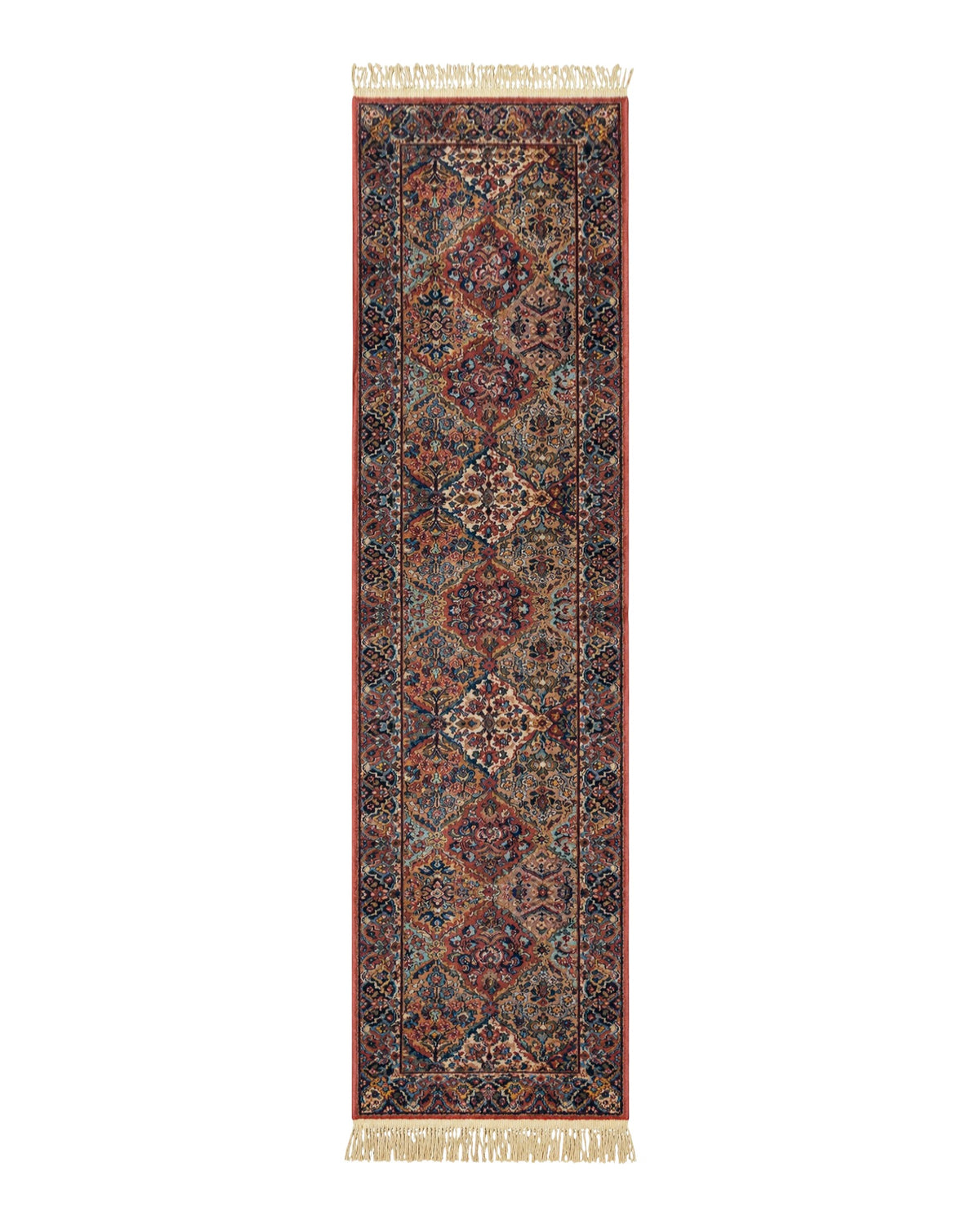
Besides its best-known collections, Karastan produced many smaller lines over the years, especially in its later decades. They range from tribal geometric designs to Indian-style florals and contemporary takes on traditional patterns. This entry gives a short note on each of the lines most often seen.
| Classic Traditions | 800 series; e.g. 800/803 Black Antique Sarouk |
|---|---|
| Persian Renaissance | 3000 series; floral designs |
| Yuruk | 530; tribal geometric designs |
| Traditions | 510; Indian designs such as Agra and Amritsar |
| Ravenna, Mahira, Euphoria | Later lines |
Classic Traditions
The Classic Traditions collection, numbered in the 800s, revisited classic Persian types in new colorways. Its Black Antique Sarouk, 800/803, sets Sarouk florals on a dark ground. See Karastan Sarouk Rugs.
Persian Renaissance
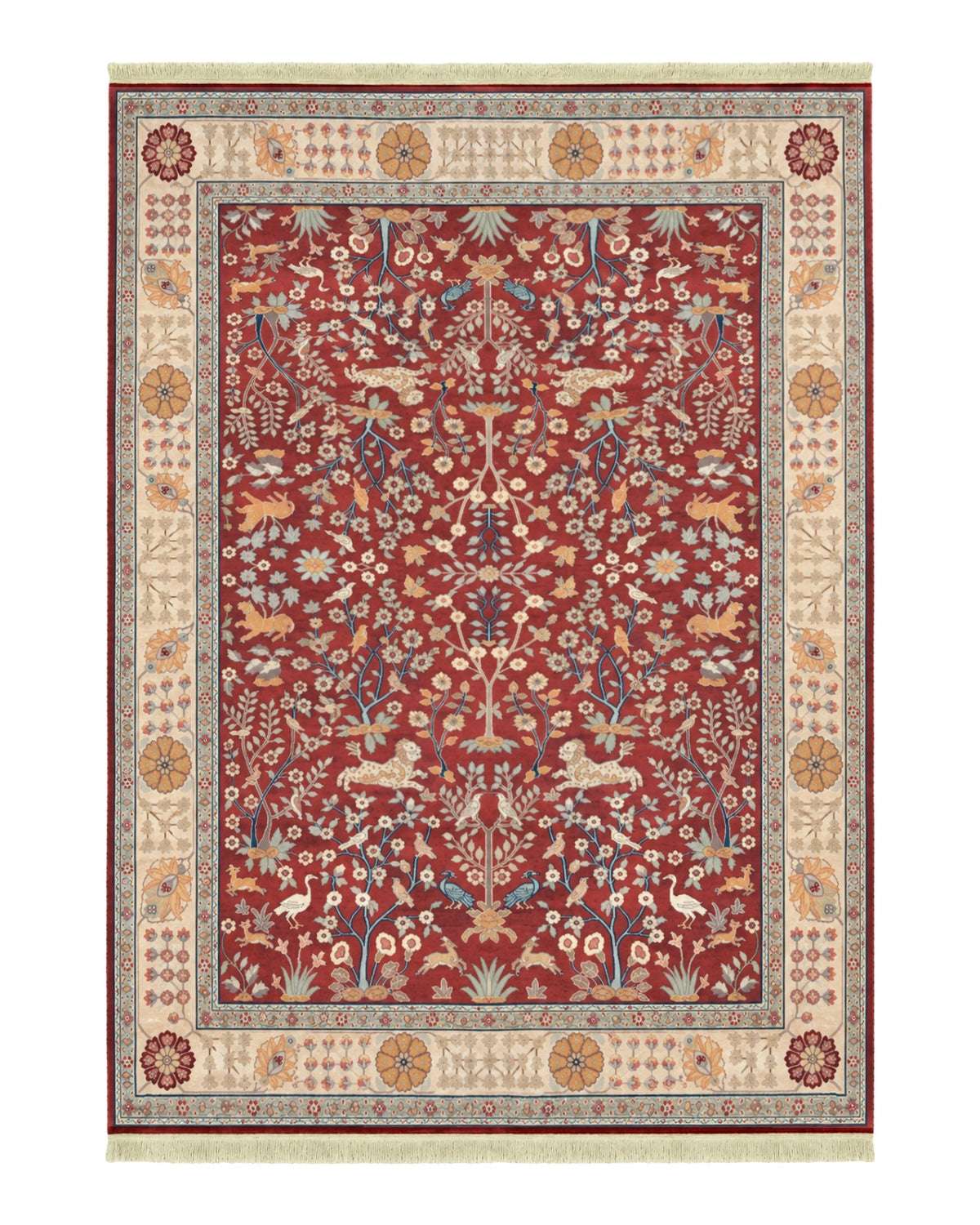
Persian Renaissance, numbered in the 3000s, includes allover floral designs, some on a black ground and some described as wool and silk.
Yuruk
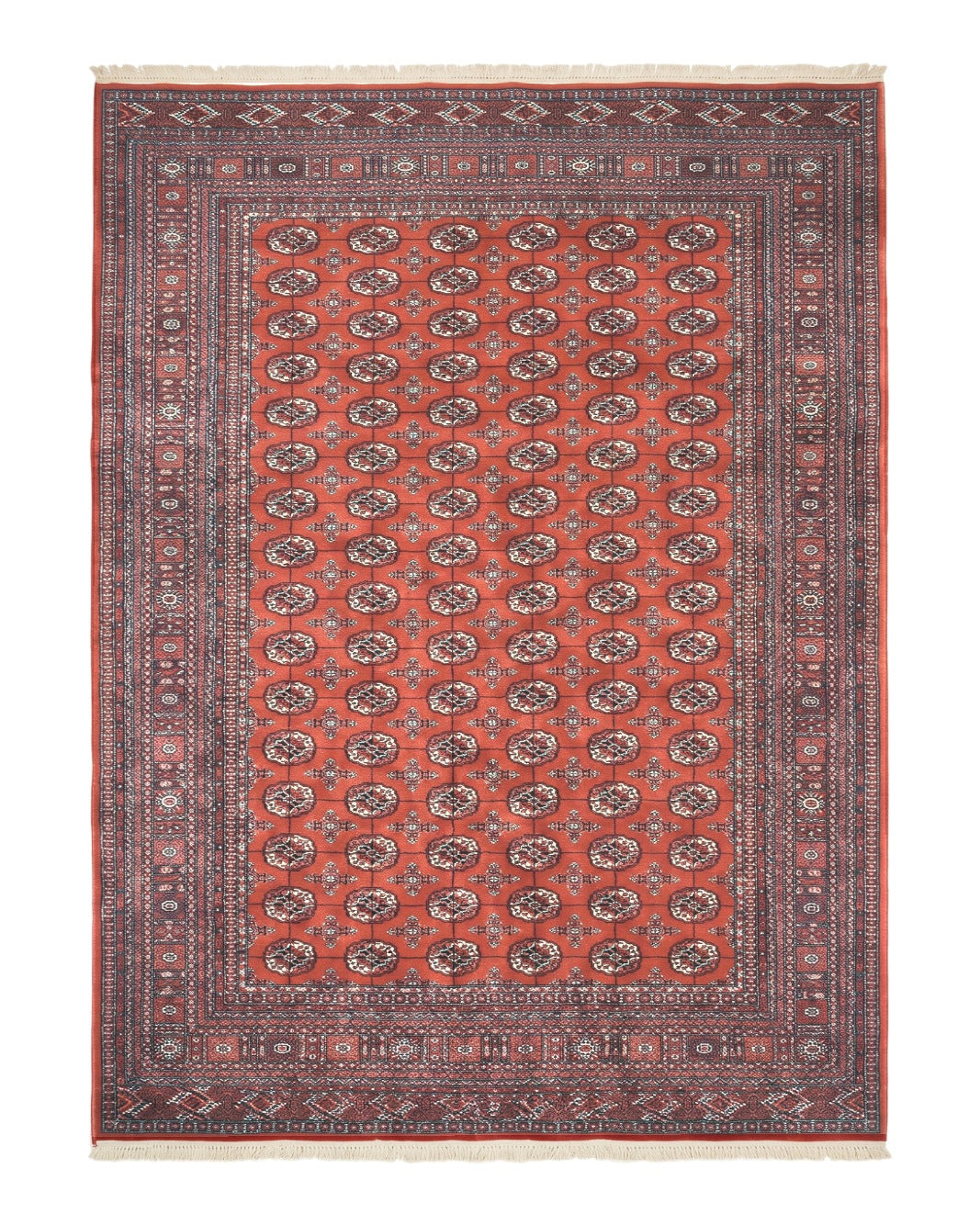
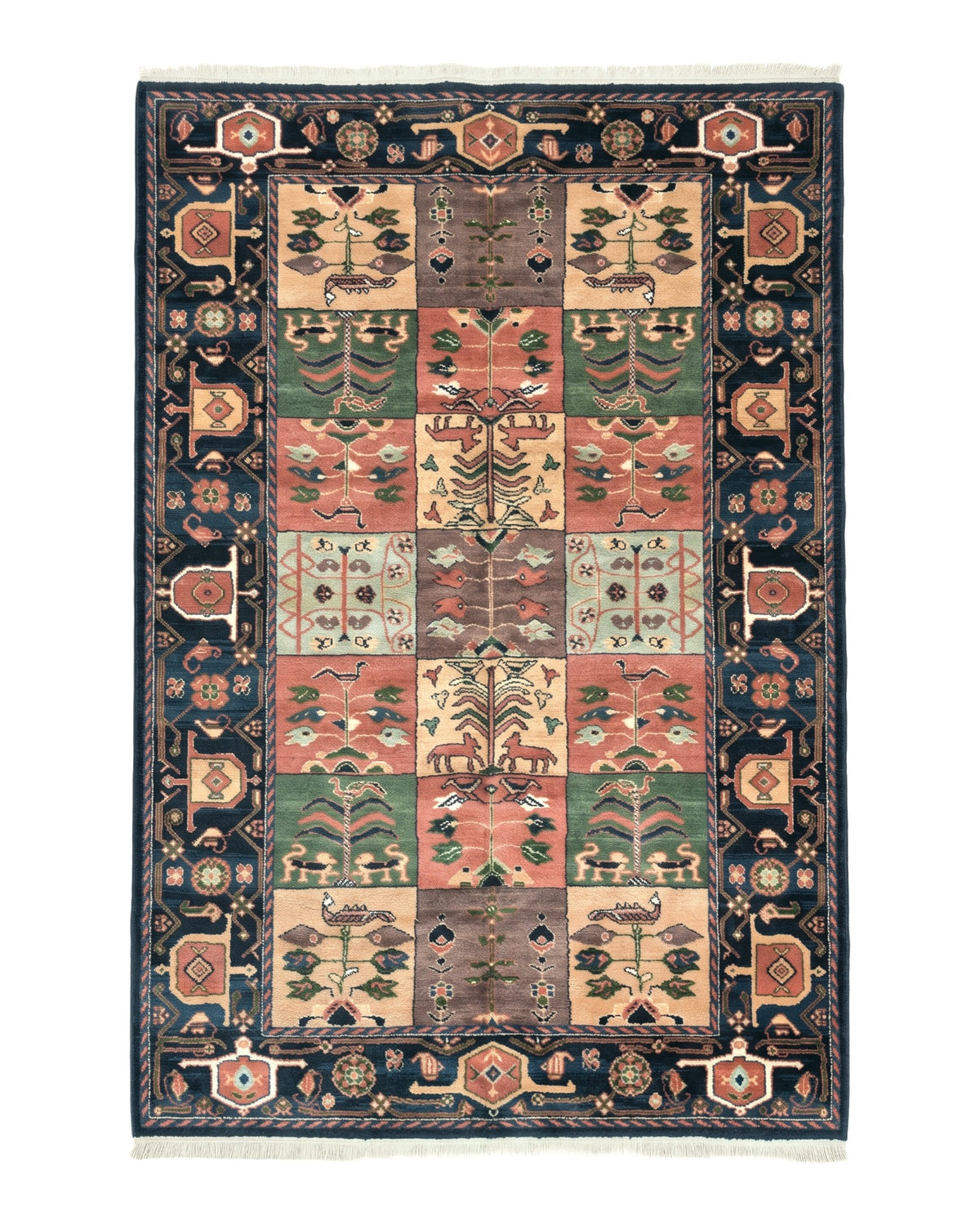
The Yuruk collection, 530, takes its name from the Yörük, the nomadic peoples of Anatolia. Its designs are tribal and geometric, often in navy and red, and are quite different from the floral Karastans most people know. See Turkish Rugs.
Traditions
The Traditions collection, 510, includes designs named after Indian weaving centers, such as Agra (510-66011) and Amritsar (510-66002). See Indian Rugs.
Ravenna, Mahira and Euphoria
- Ravenna (549) includes designs such as Ashara, in soft, muted tones.
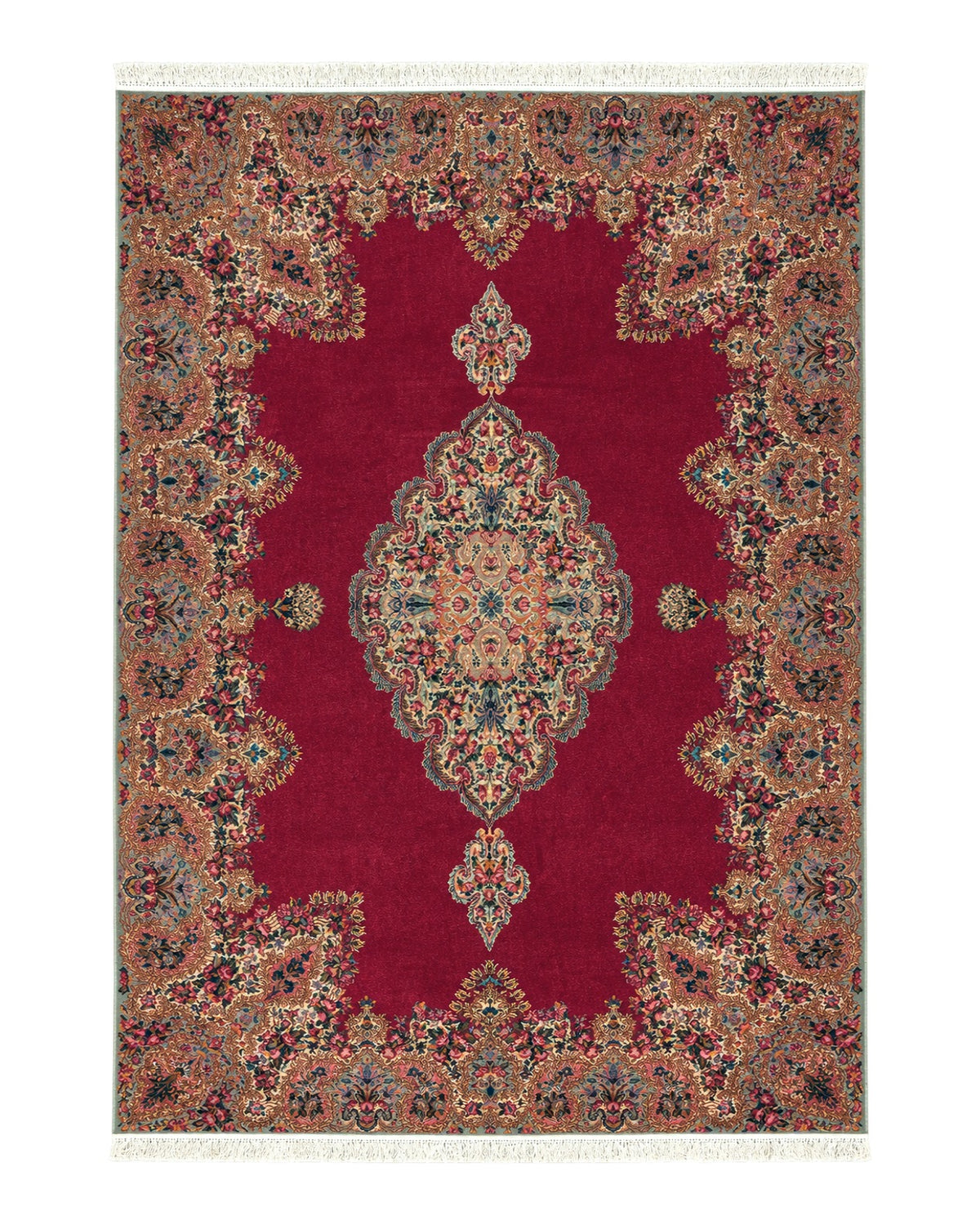
- Mahira (940) includes the Palace Kirman, 940-102.
- Euphoria includes designs such as New Bridge, in an Indian Mahal style, made in shapes such as rounds.
For how collection numbers work, see Karastan Pattern Numbers Explained.