







Tibetan rugs are woven with a technique of their own, the Tibetan knot, using the thick, lustrous wool of highland sheep. Traditionally they were made in Tibet for sitting and sleeping mats, saddle rugs and door hangings. Since the 1960s, Tibetan refugees in Nepal have built a major rug industry, and today most Tibetan rugs are woven in Nepal, in both traditional designs and the clean, modern designs that have made them popular in contemporary interiors.
| Origin | Tibet; today mainly Nepal, also India |
|---|---|
| Knot | The Tibetan (rod) knot |
| Materials | Himalayan highland wool on cotton; often with silk |
| Knot count | Usually given as knots per inch of width, e.g. 60, 80 or 100 knot |
| Pile | Thick and soft |
| Typical designs | Traditional symbols, tiger rugs, and modern abstract designs |
The Tibetan knot
Instead of tying a separate knot around each pair of warps, a Tibetan weaver loops a continuous strand of yarn around two warps and then around a rod laid across the front of the rug, repeating along the row. When the row is finished, the loops over the rod are cut, forming the pile. The method is fast and produces a dense, thick pile. On the back, Tibetan rugs show a distinctive, slightly ridged pattern. See Knots and Knot Density.
Wool
Highland Tibetan and Himalayan wool is long-fibered, lustrous and rich in lanolin, which makes it soft, resilient and naturally resistant to dirt. Many Nepalese Tibetan rugs combine this wool with silk, used to highlight parts of the design or to add sheen.
Traditional designs
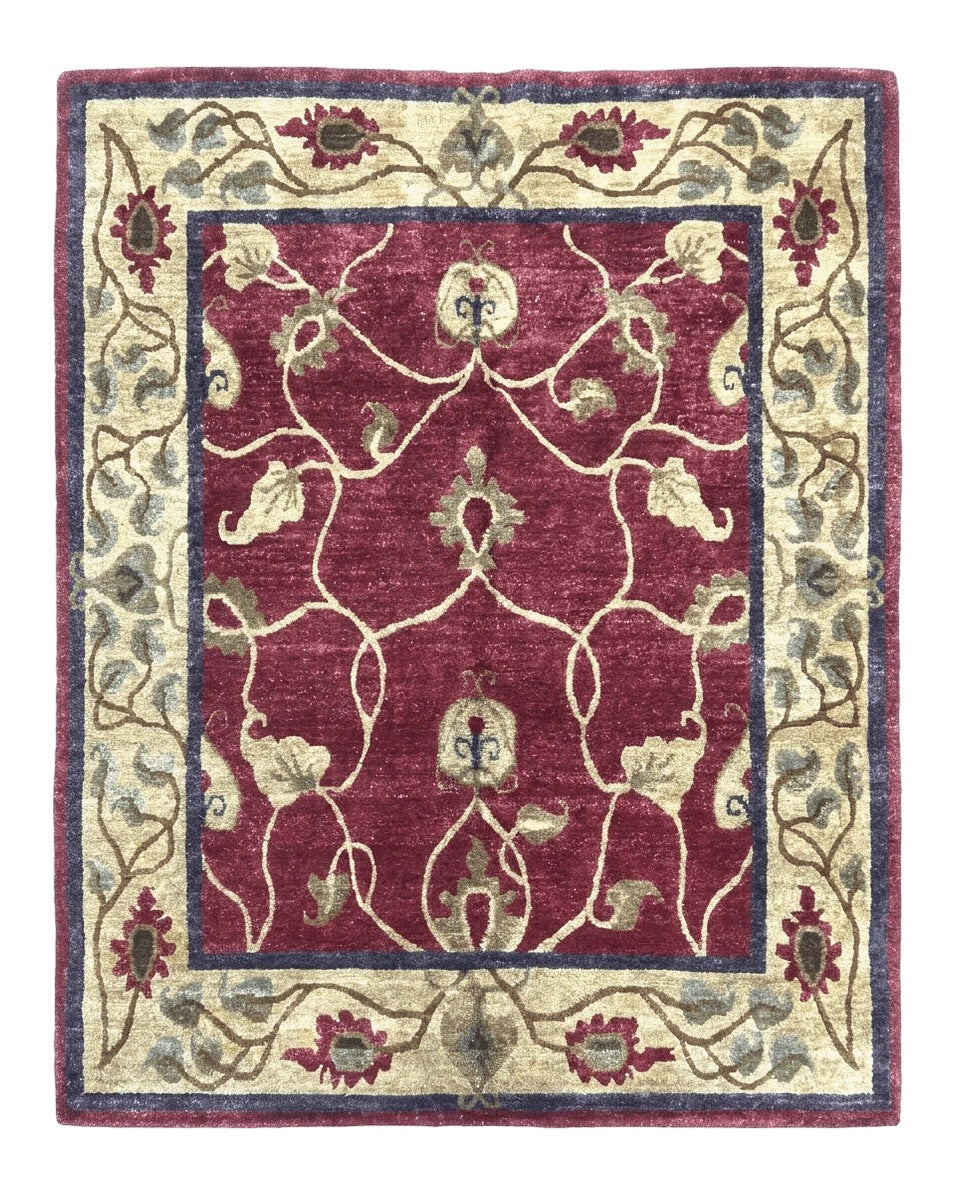
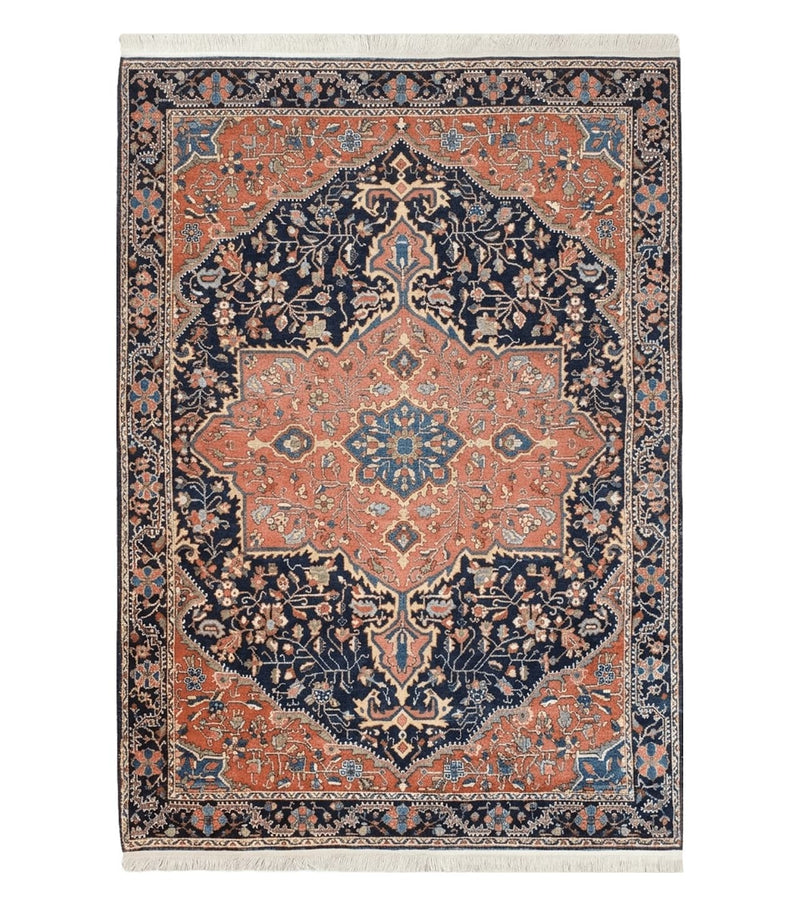
Traditional Tibetan rugs feature Buddhist symbols, lotus flowers, dragons, phoenixes, clouds, checkerboards and geometric medallions, often in bright colors. Tiger rugs, showing a stylized tiger skin, were used by lamas and important figures and are now collectible.
Contemporary designs
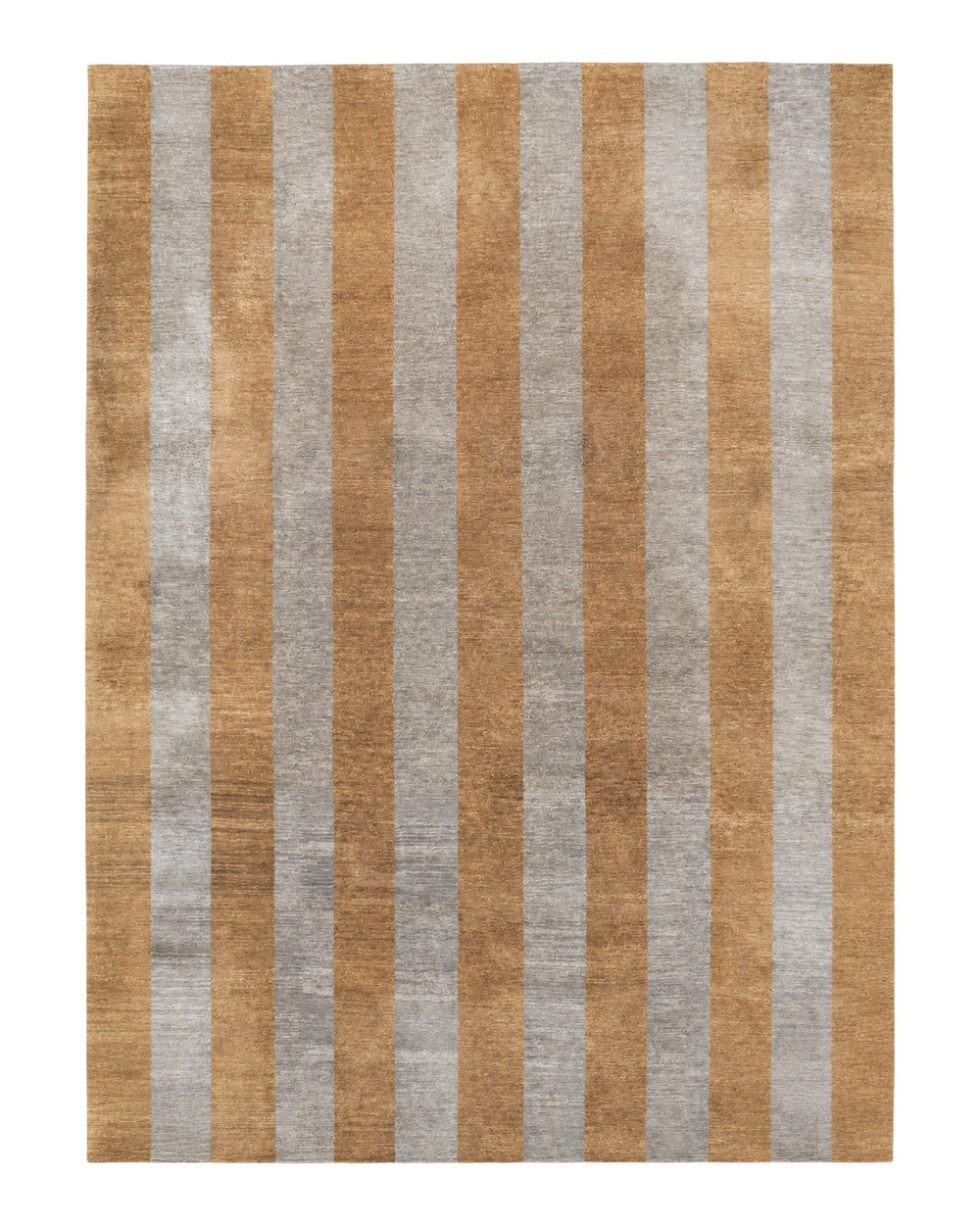
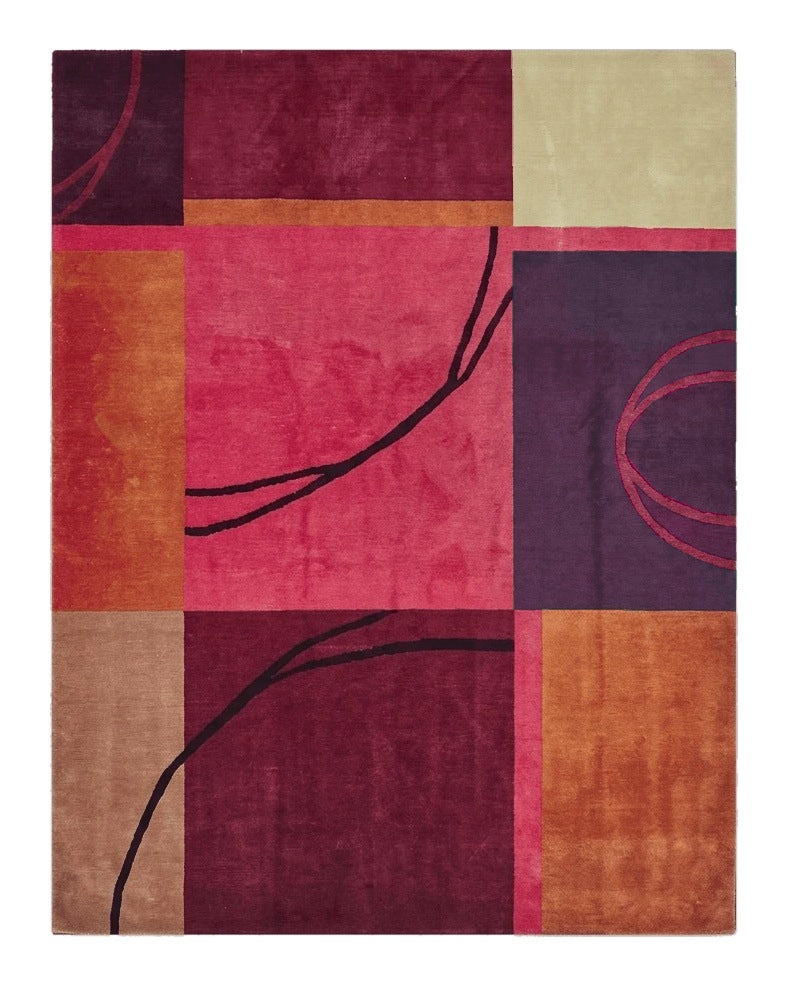
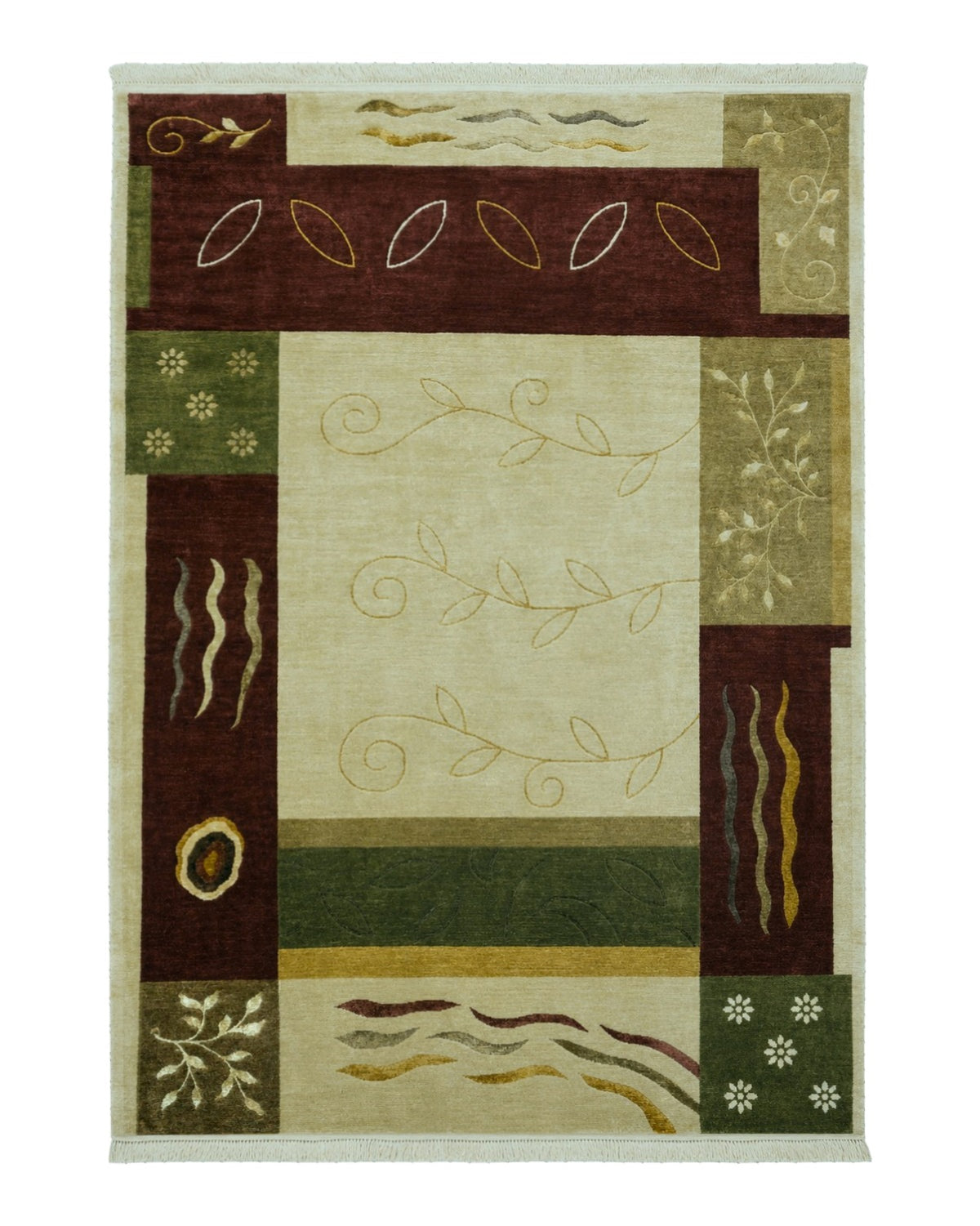
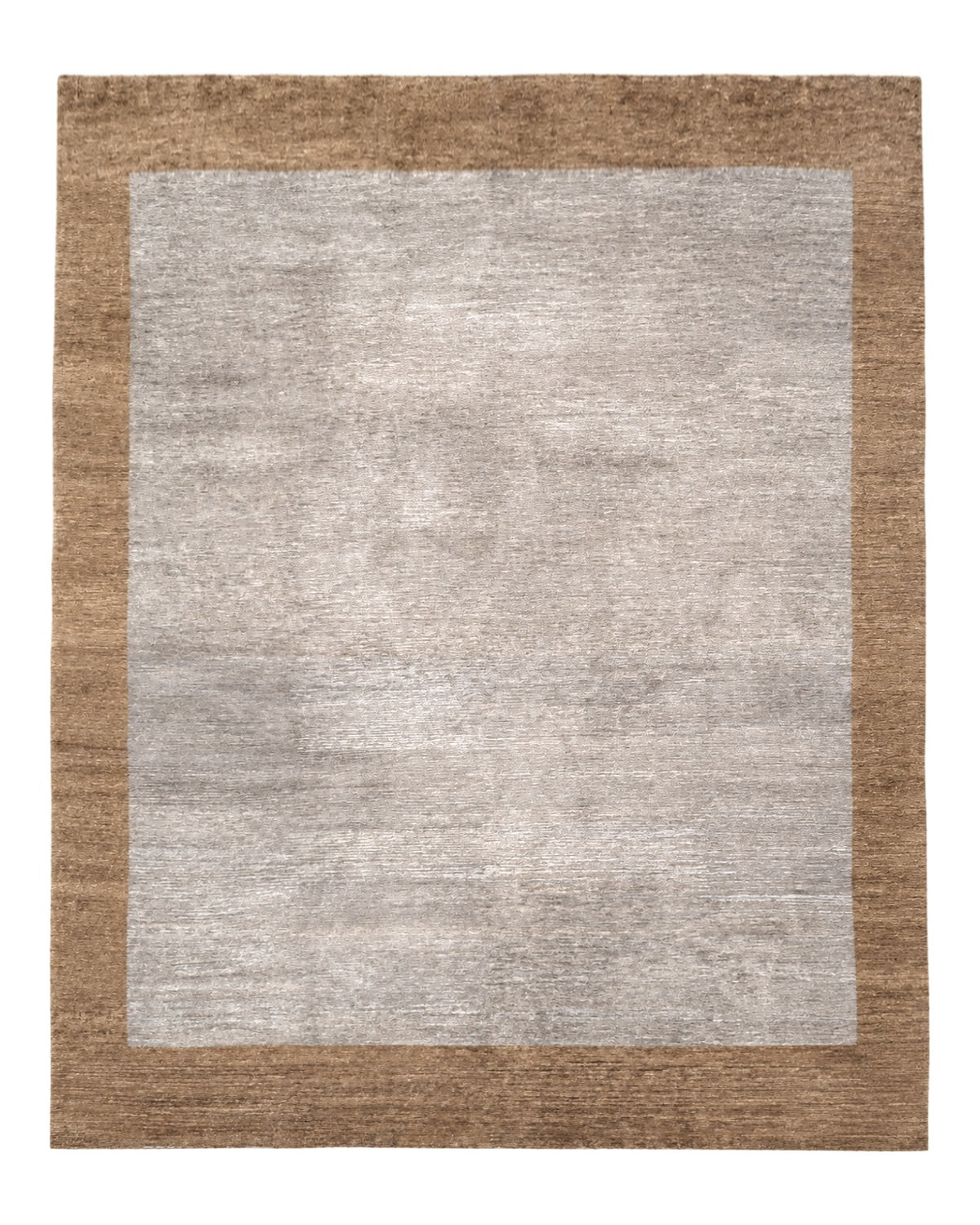
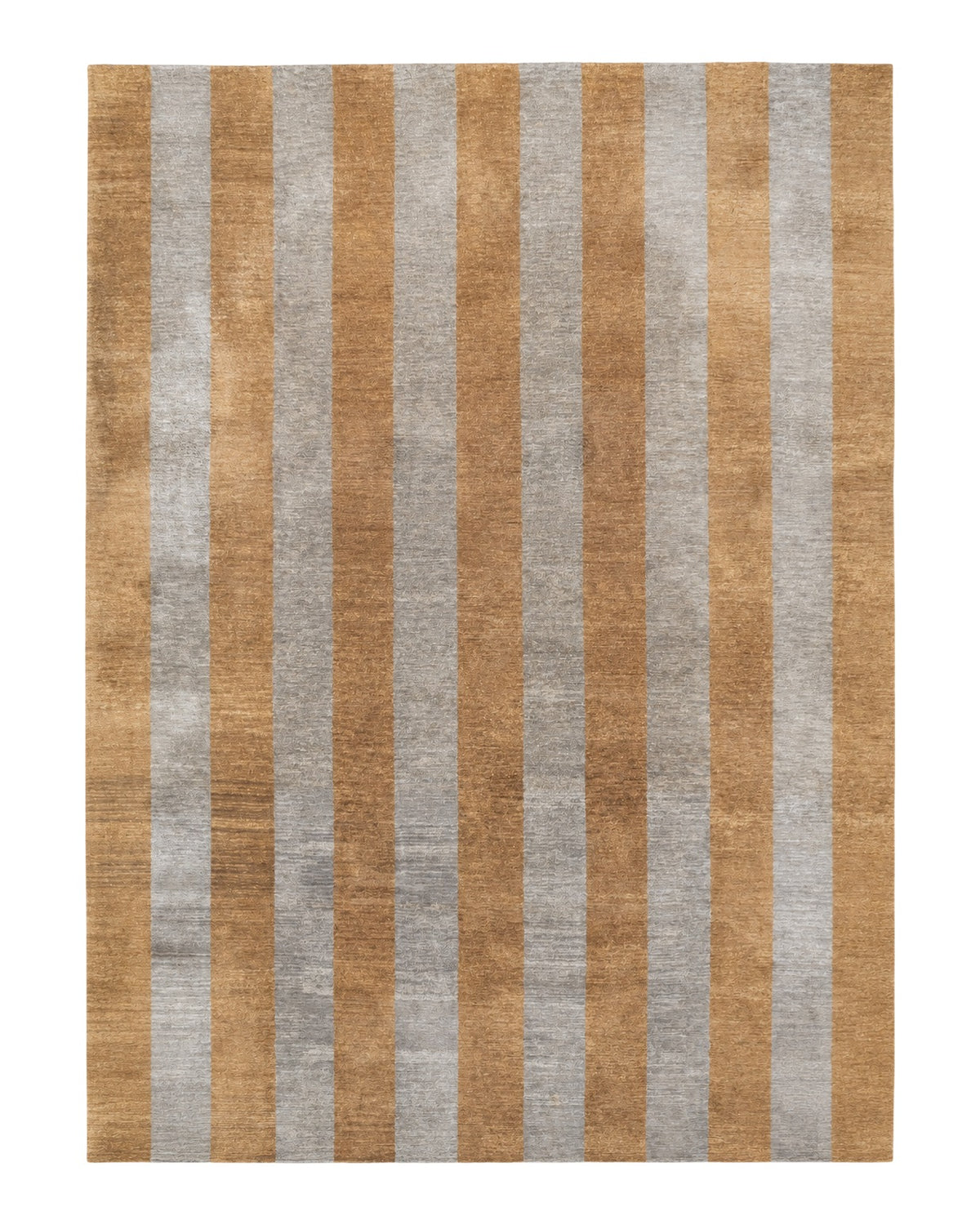
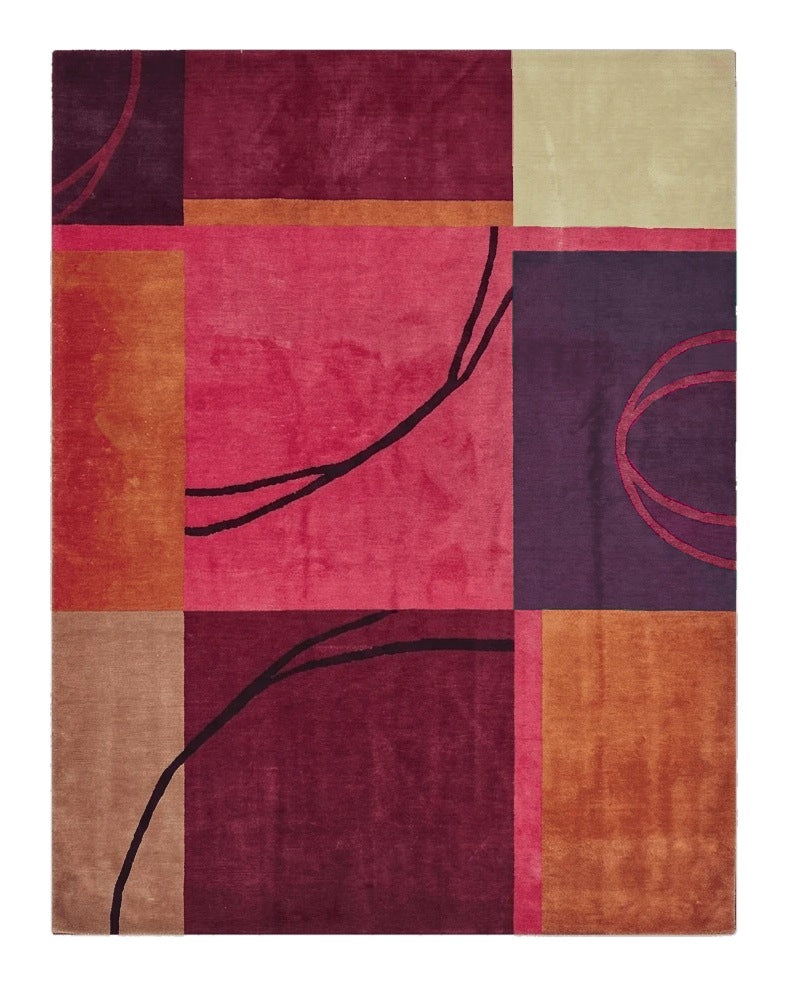
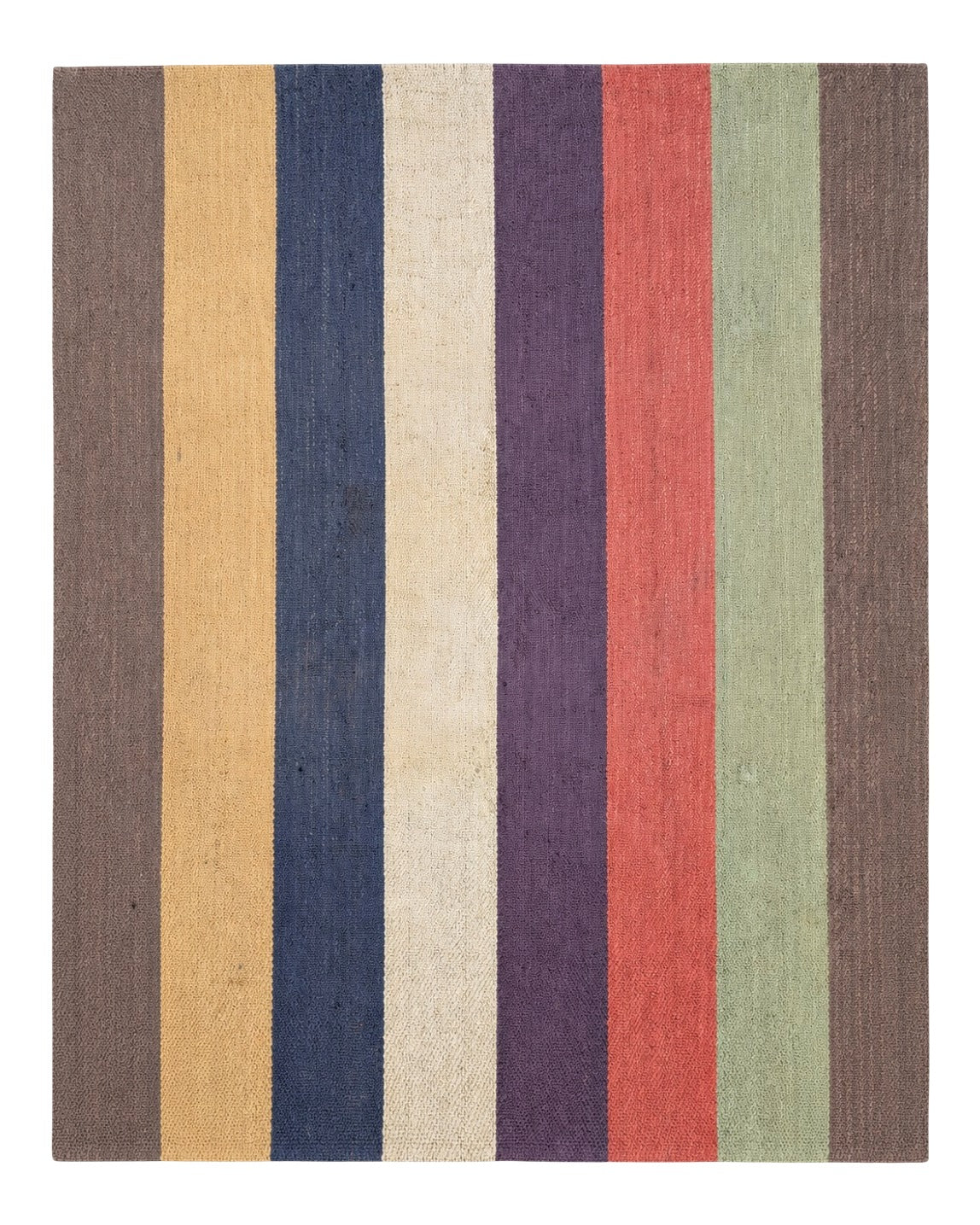
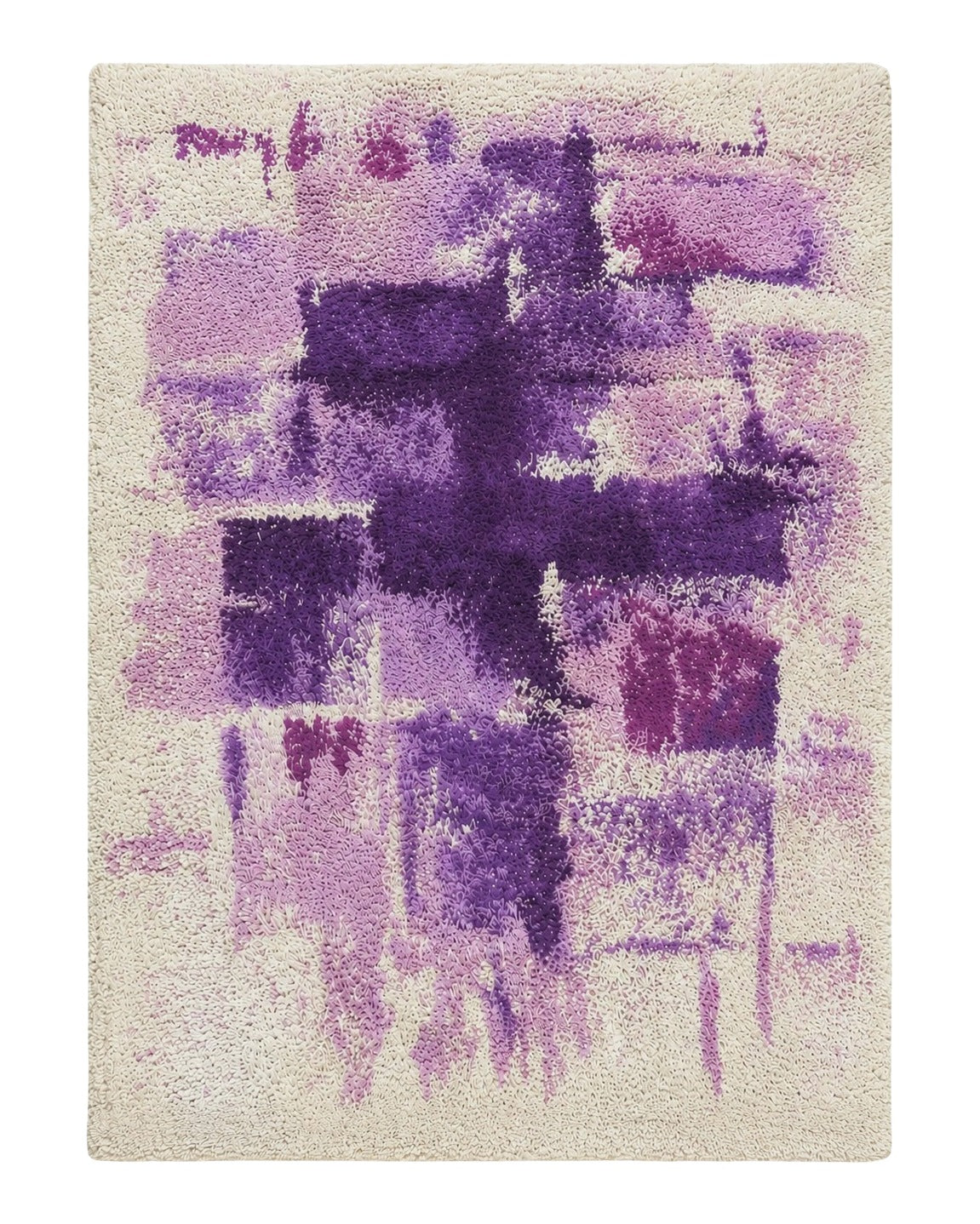
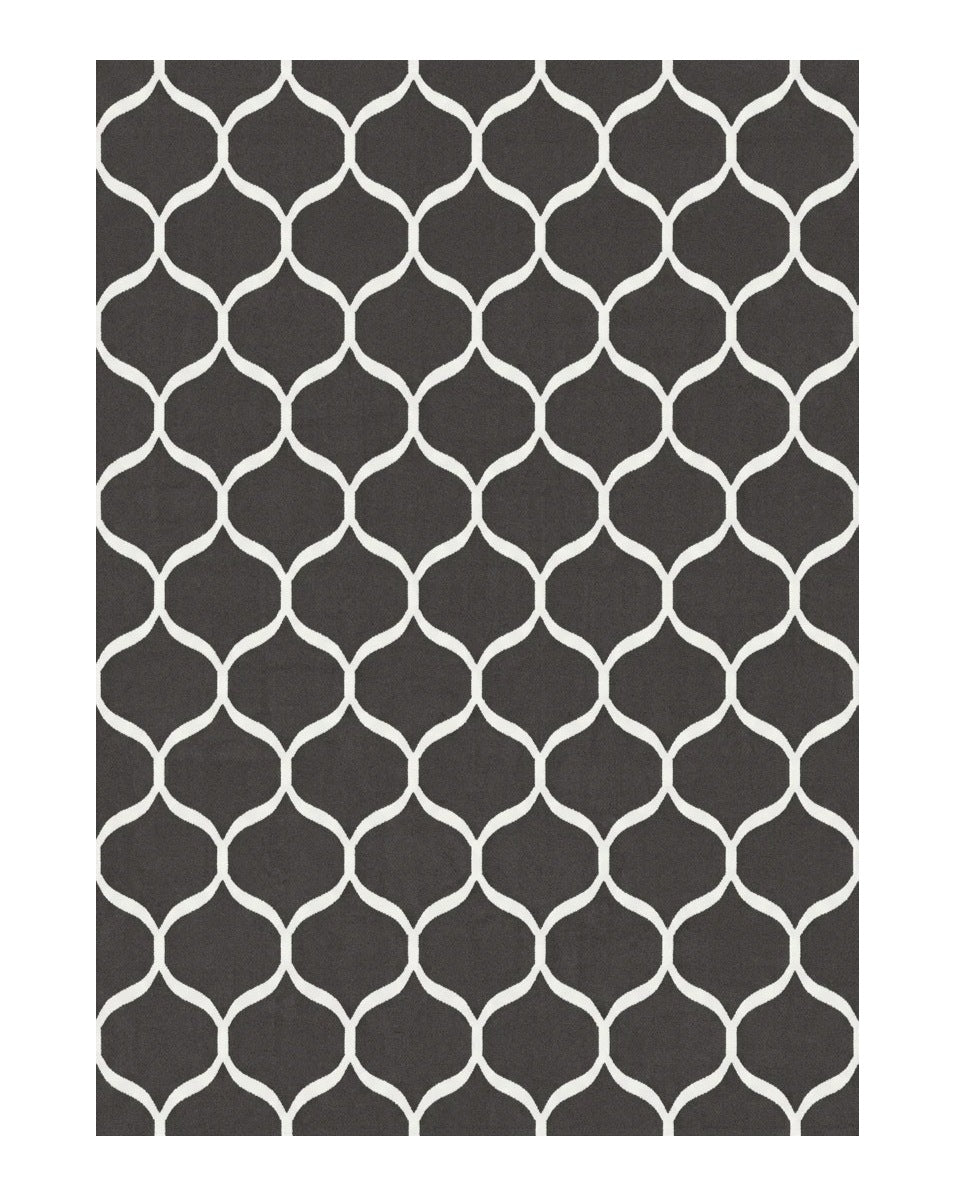
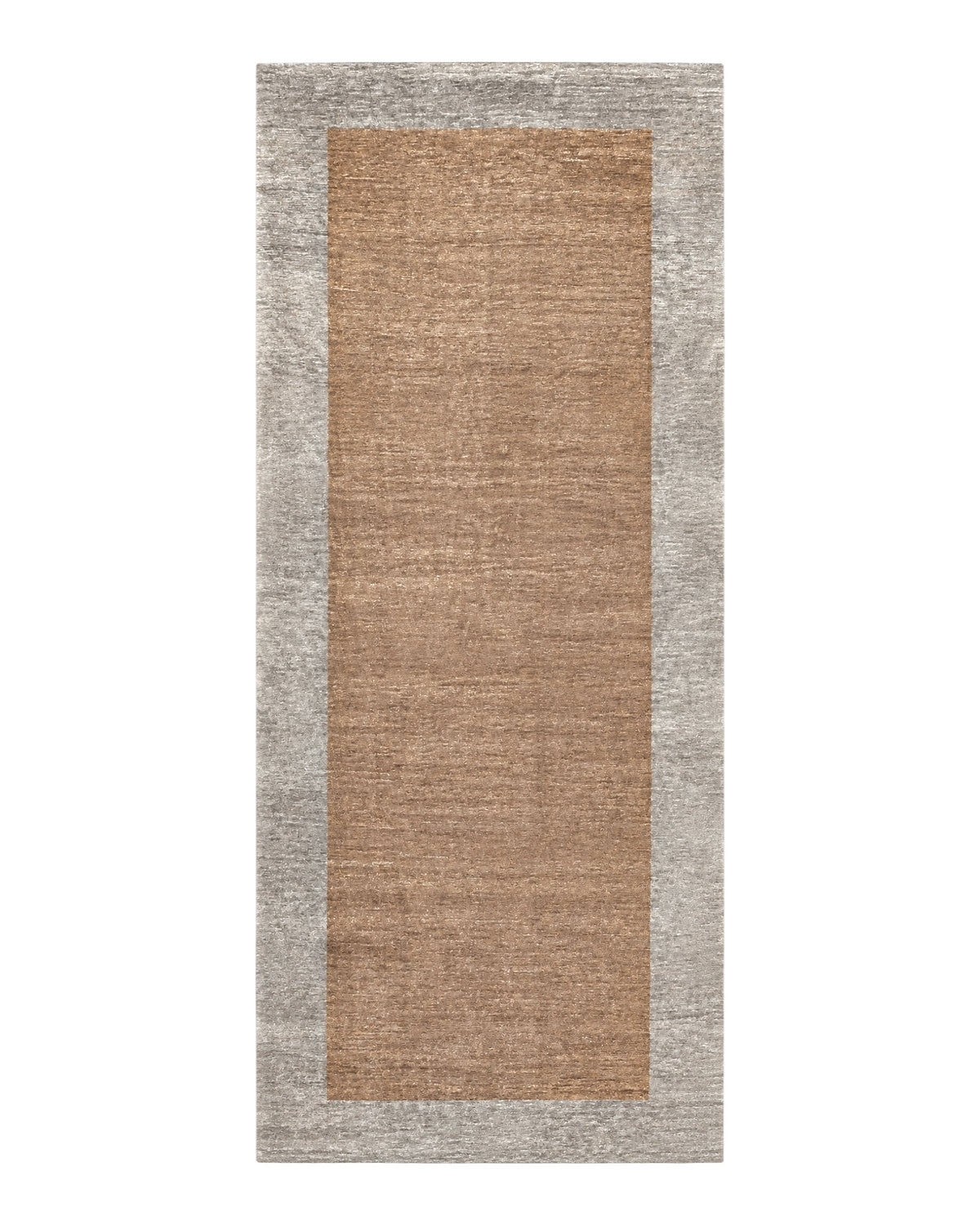
Many Tibetan rugs woven in Nepal today have contemporary designs: abstract shapes, stripes, gradients and soft, solid colors, often designed in collaboration with Western designers. Their thick, soft pile and modern look make them a popular choice for contemporary homes.
How to recognize a Tibetan rug
- A thick, soft pile with lustrous wool.
- A ridged back from the Tibetan knotting method.
- Traditional symbols or modern abstract designs.
- Often silk accents.
See also Chinese Rugs.