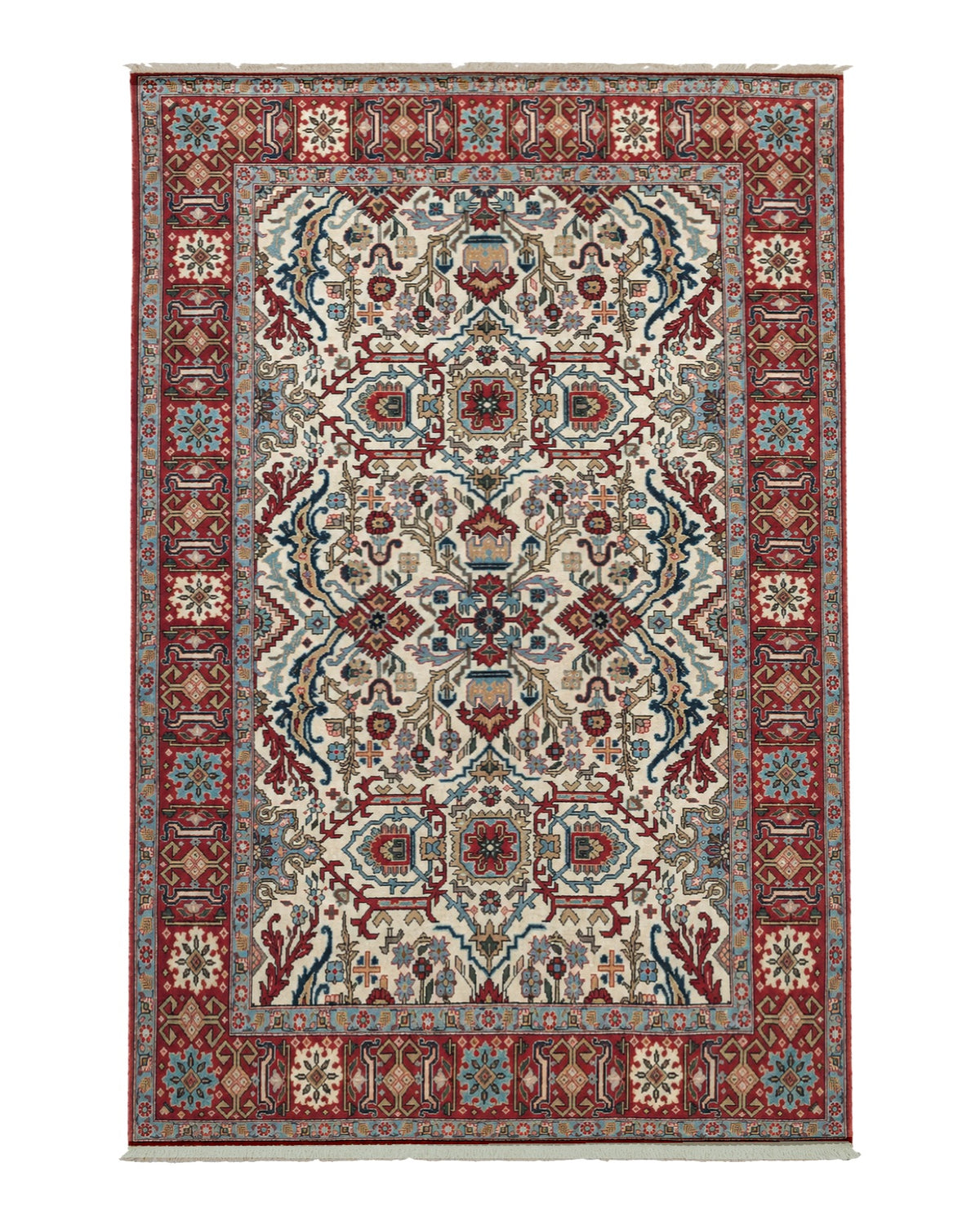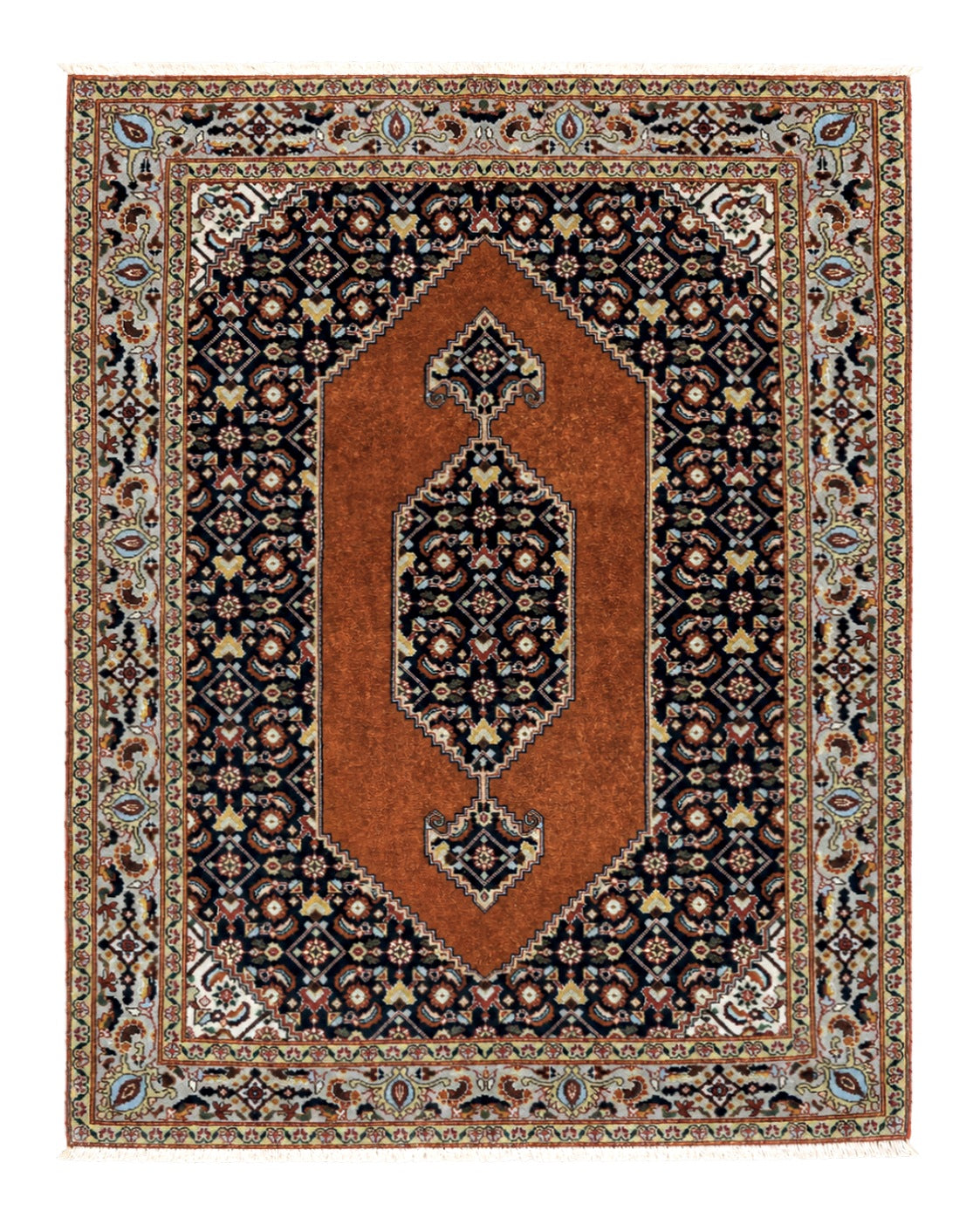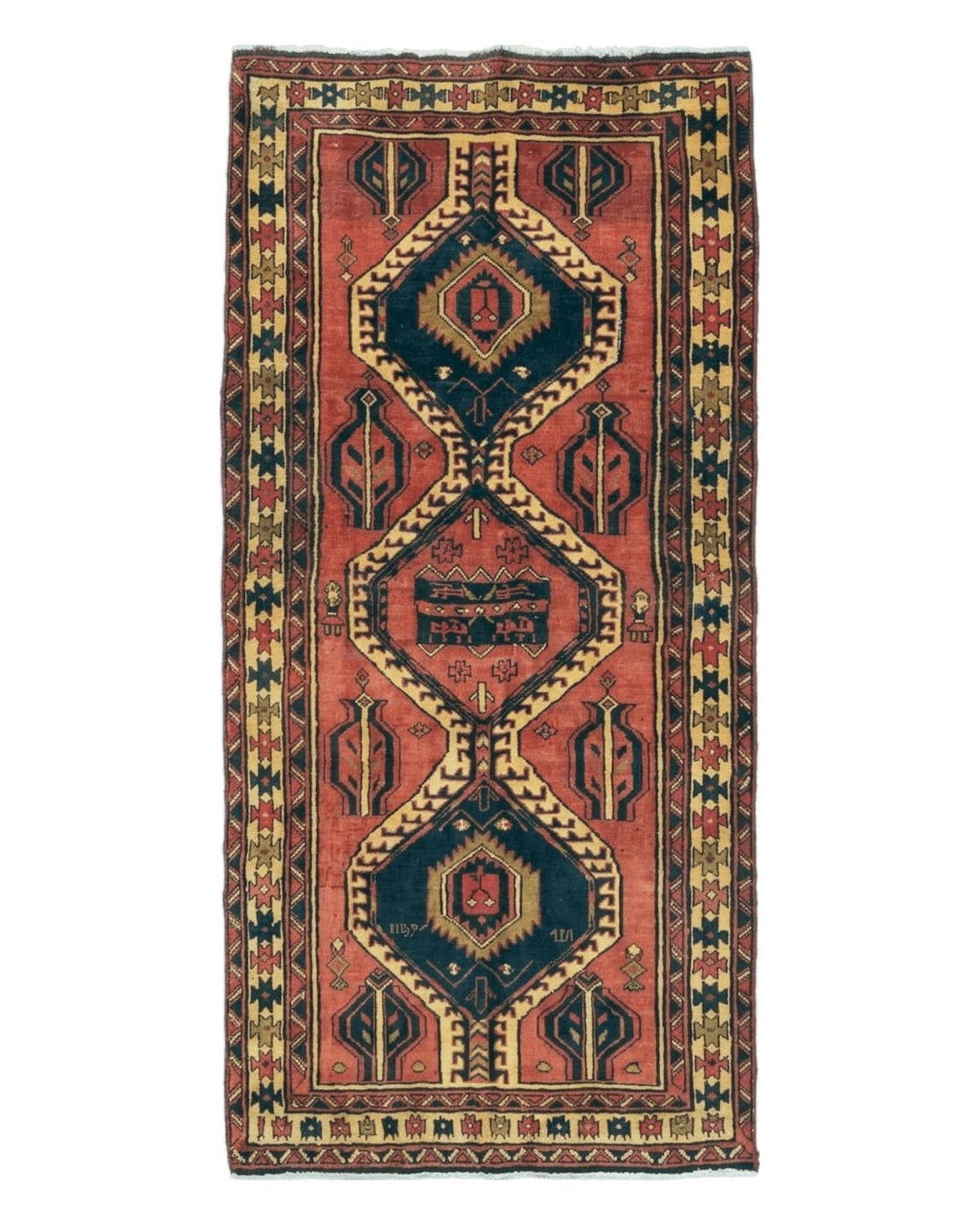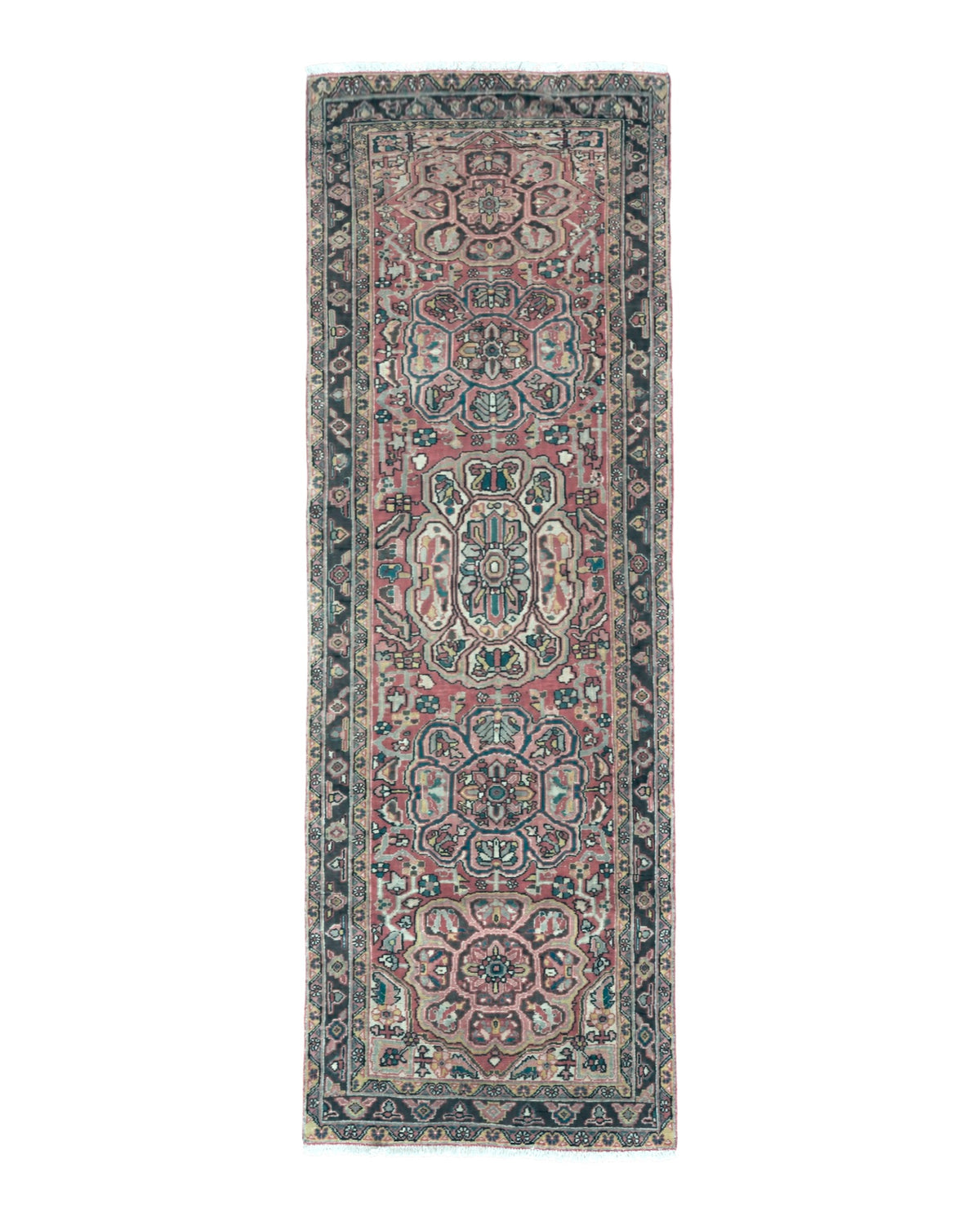


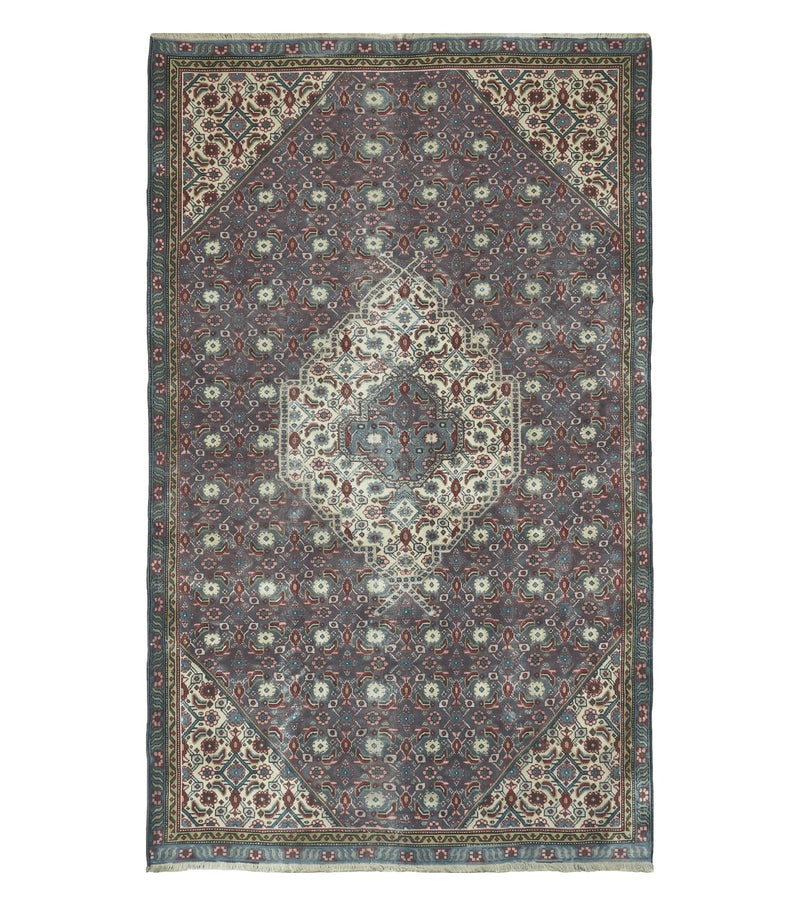


Qum, also written Qom, is a holy city south of Tehran and home to one of Iran's most important shrines. It is a young weaving center by Persian standards, having taken up rug-making only in the 1930s, but it quickly became famous for some of the finest rugs in Iran, especially rugs woven entirely in silk. Qum rugs are known for their fine knotting, bright, clear colors and a remarkably wide range of designs.
| Origin | Qum (Qom), north-central Iran |
|---|---|
| Tradition | City (workshop) rugs |
| Weaving began | About the 1930s |
| Knot | Asymmetric (Persian) |
| Materials | All silk; wool with silk highlights; fine wool |
| Knotting | Fine to extremely fine, especially in silk |
| Typical designs | Garden panels, medallions, all-over, prayer, pictorial, tree of life |
History
Qum's rug industry began in the 1930s, when weavers and merchants from nearby Kashan brought their skills to the city. Early Qum rugs drew heavily on Kashan designs. The city's workshops soon developed their own reputation, and from the 1960s onward Qum became the leading center for silk rugs in Iran. Many fine pieces carry the signature of the workshop that made them.
Silk Qum rugs
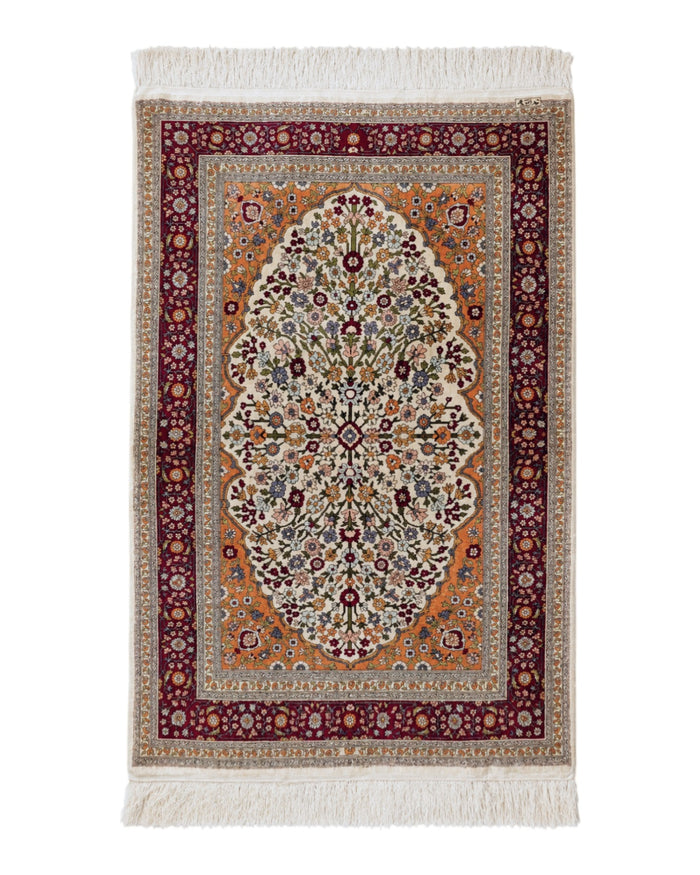
Qum is best known for rugs with silk pile on a silk foundation. Silk can be spun very thin, so silk Qums can be knotted extremely finely, sometimes with several hundred knots per square inch or more, and they show detail and a luster that wool cannot match. Most are small, from prayer-rug size to about 4 × 6 feet; large silk Qums are rare and costly. They are best used in low-traffic areas or hung on a wall. See Rug Materials.
Wool and wool-and-silk Qums
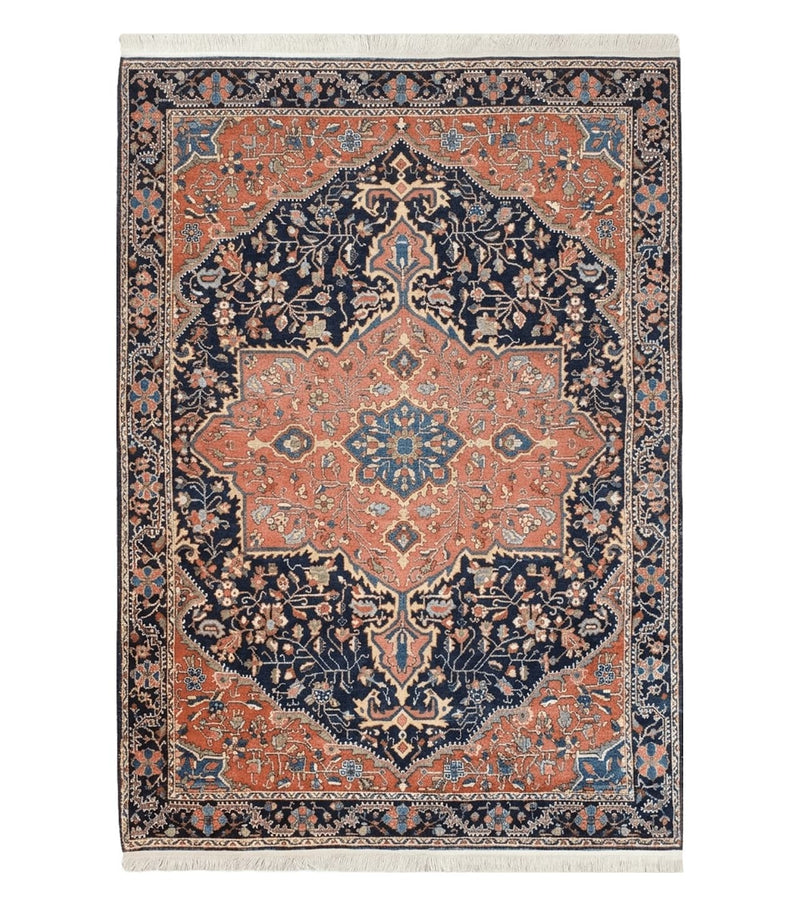
Qum also weaves fine wool rugs, often with silk highlights outlining the design, in sizes up to room size. These are more practical for floors and still show the fine drawing typical of the city.
Designs
Qum workshops weave an unusually wide range of designs, borrowing freely from other cities and periods:
- Garden and panel designs, with the field divided into compartments holding trees, flowers and vases. See Garden, Panel and Tree of Life Designs.
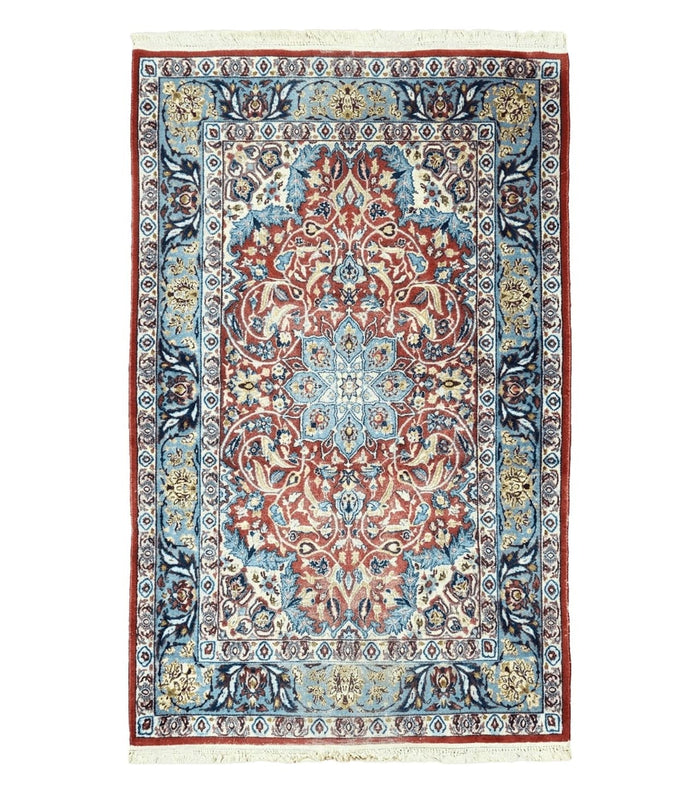
- Medallion designs in the Kashan and Isfahan traditions.
- All-over designs, including boteh and Herati patterns.
- Prayer rugs with an arch or mihrab.
- Pictorial rugs showing hunting scenes, scenes from poetry, and famous figures. See Pictorial and Hunting Rugs.
Colors are often brighter and clearer than in older city rugs, with light blues, greens, golds and ivory as well as traditional reds.
How to recognize a Qum
- Very fine, even knotting with crisp drawing.
- Silk pile or silk highlights, often with a silk fringe on all-silk rugs.
- Bright, clear colors and a wide range of designs.
- Mostly smaller sizes, especially in silk.
For the wider picture, see Persian City Rugs and Kashan Rugs.