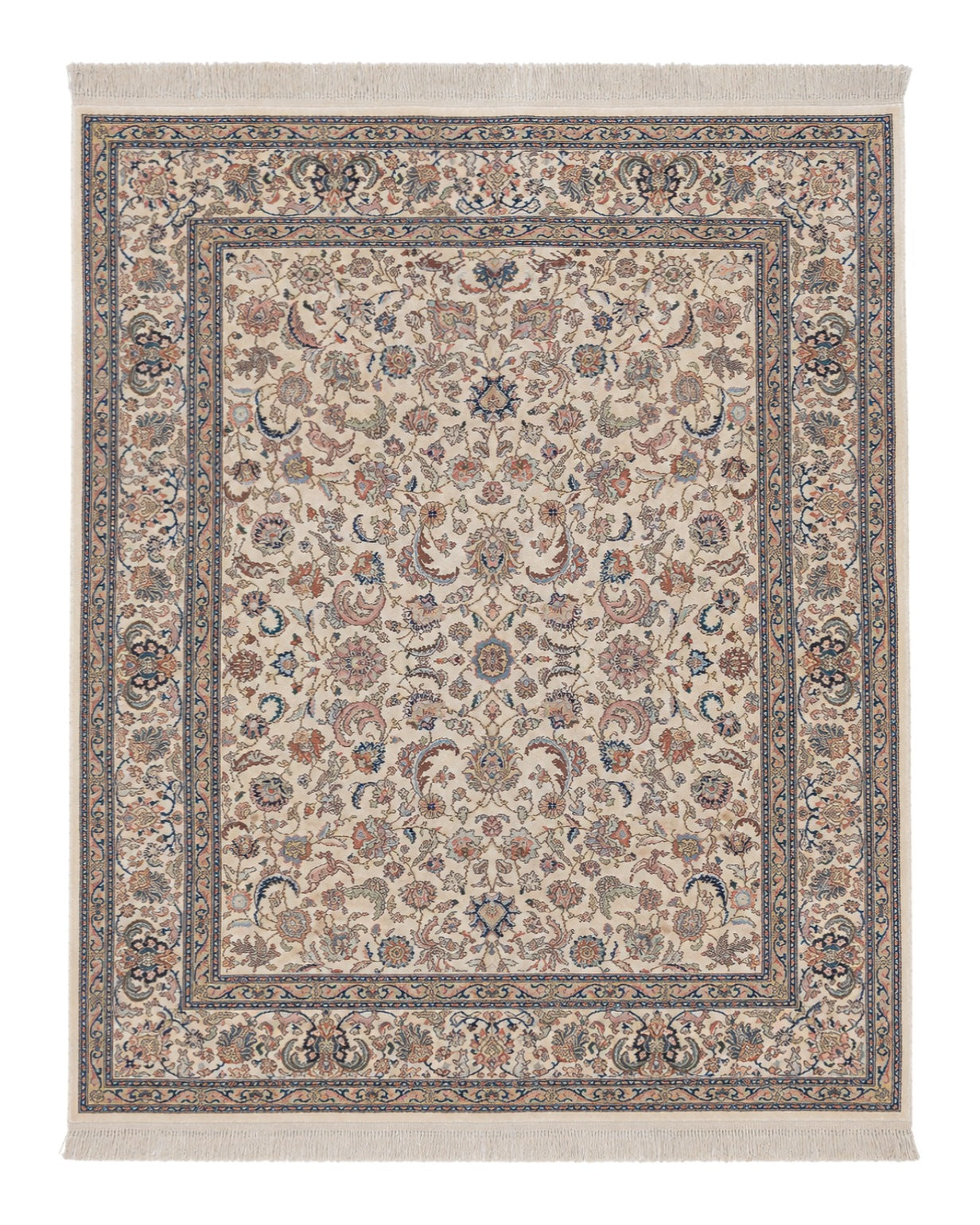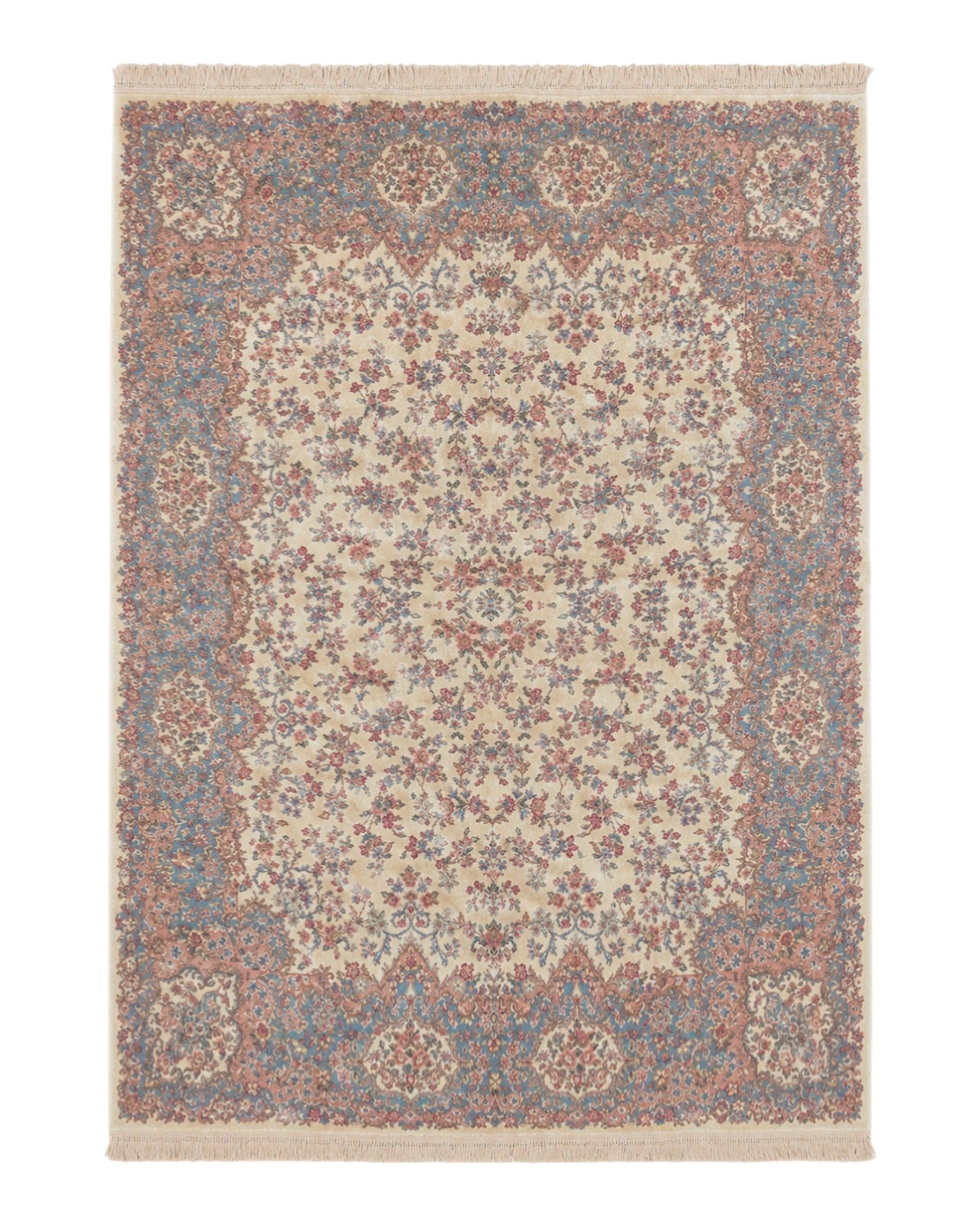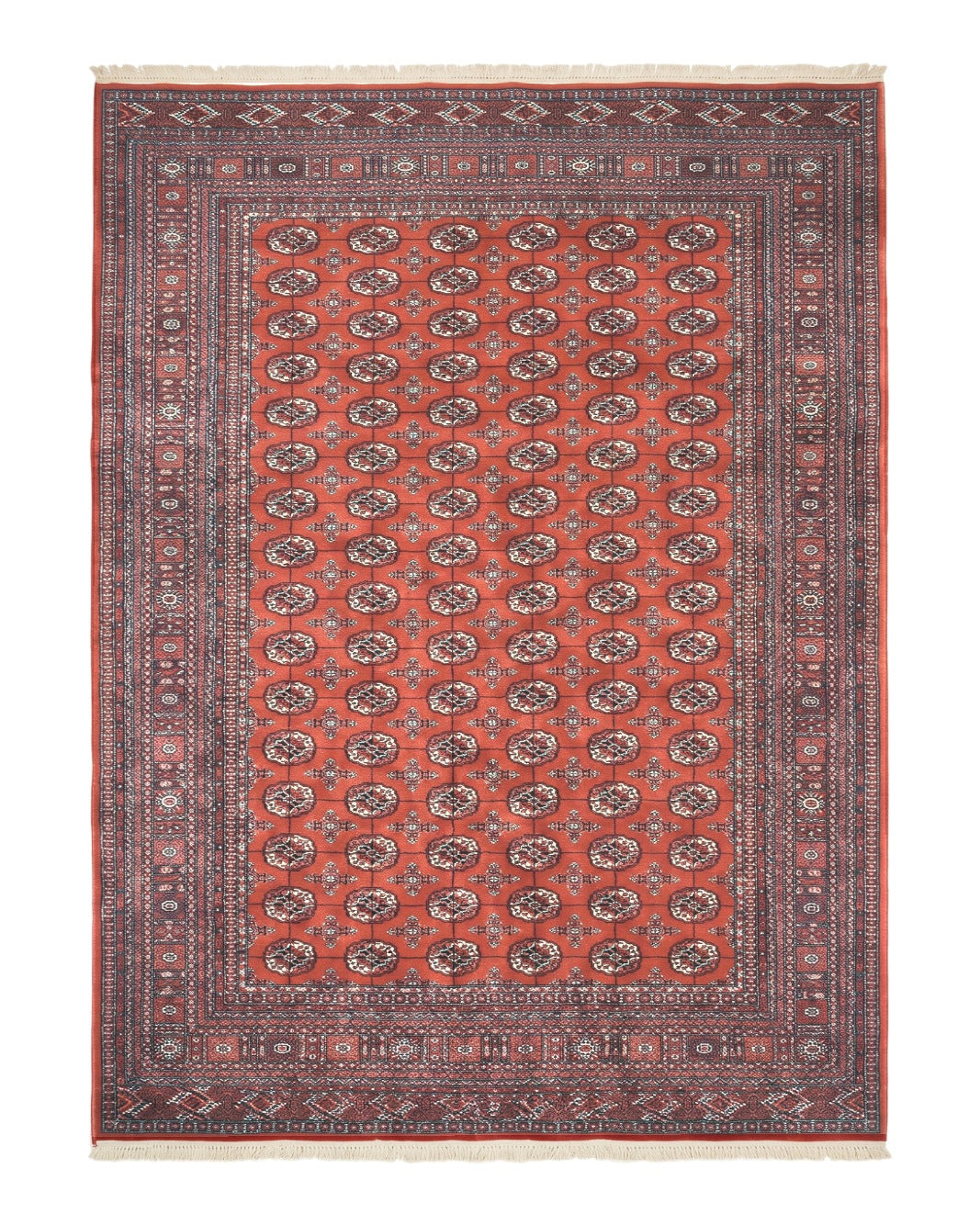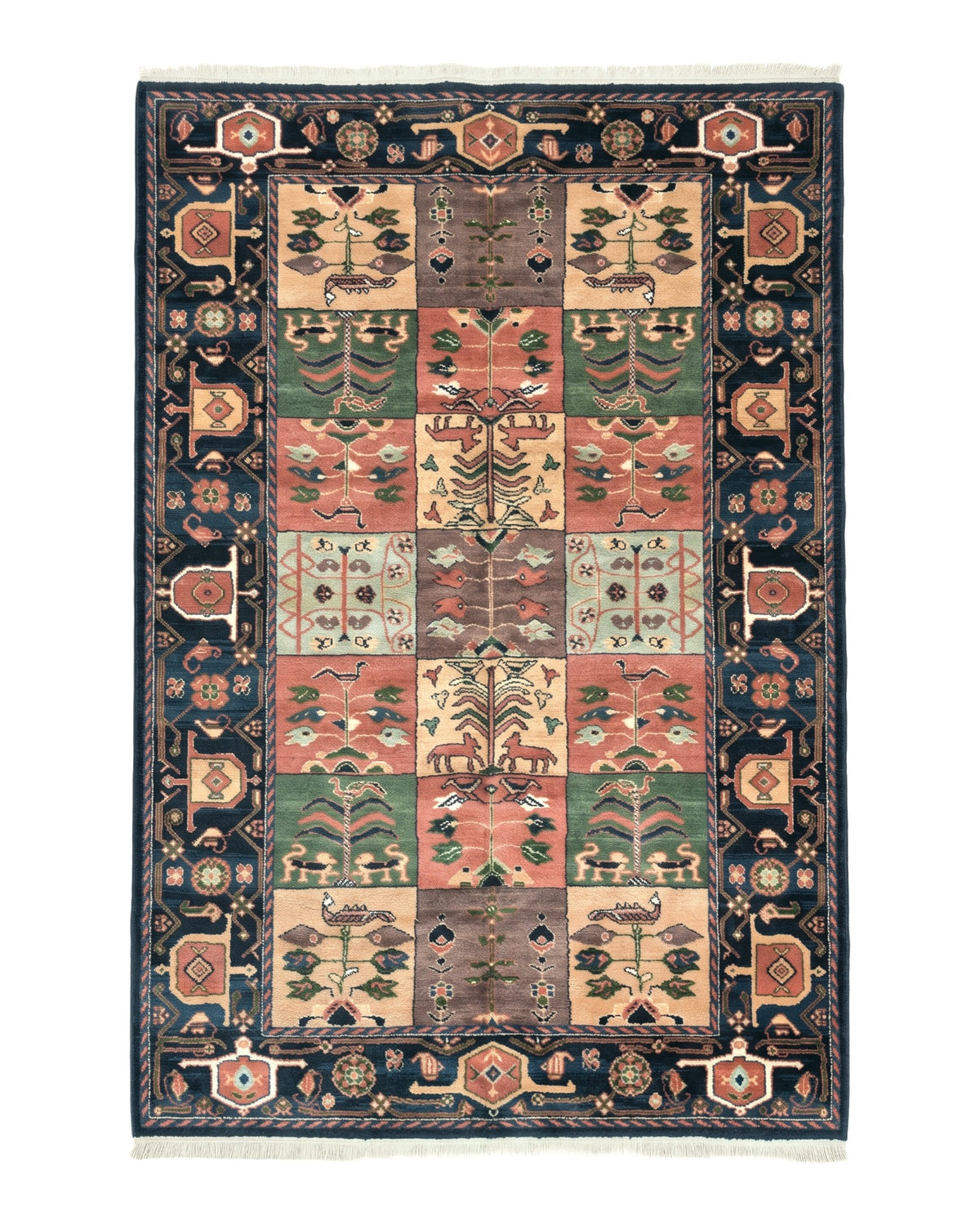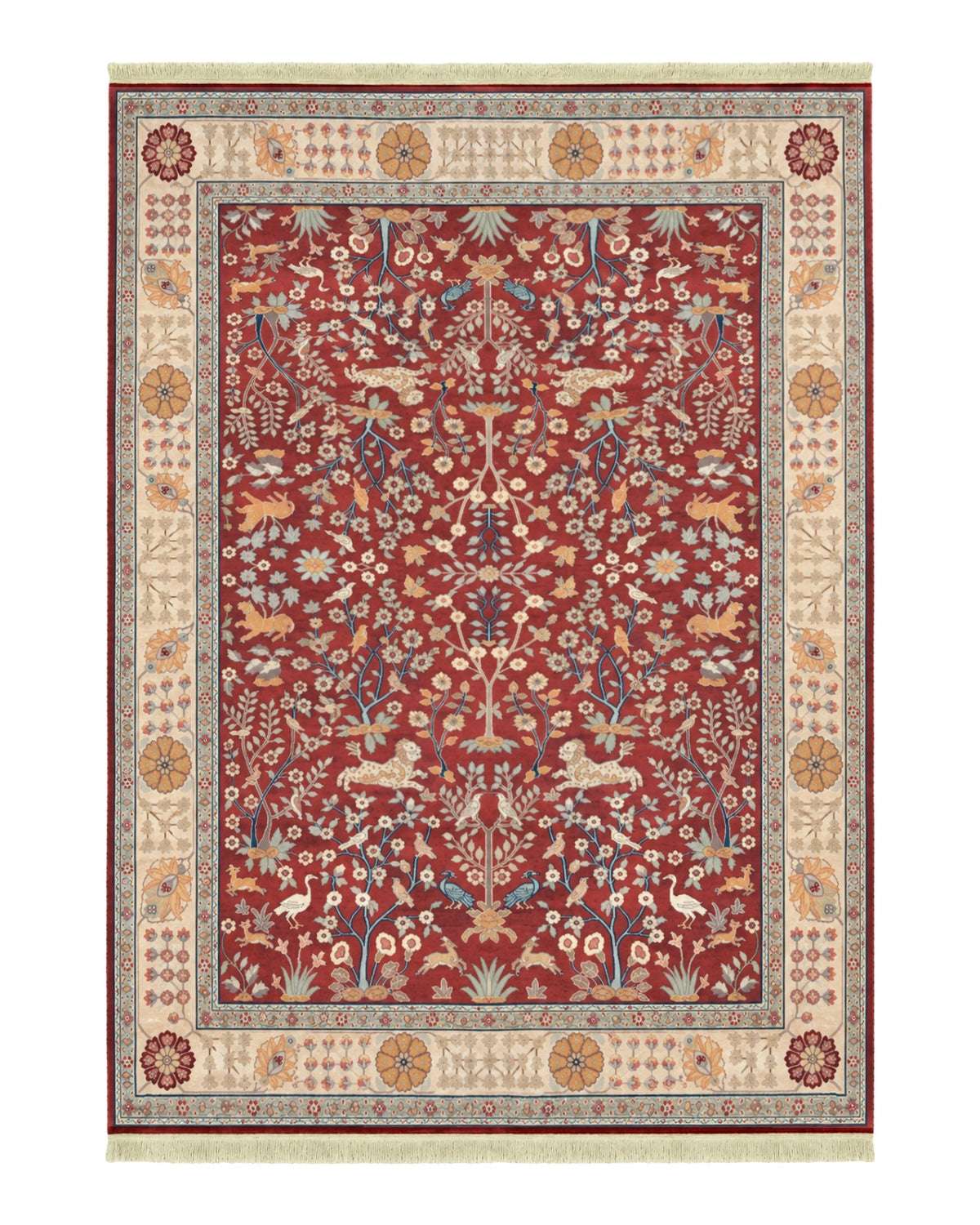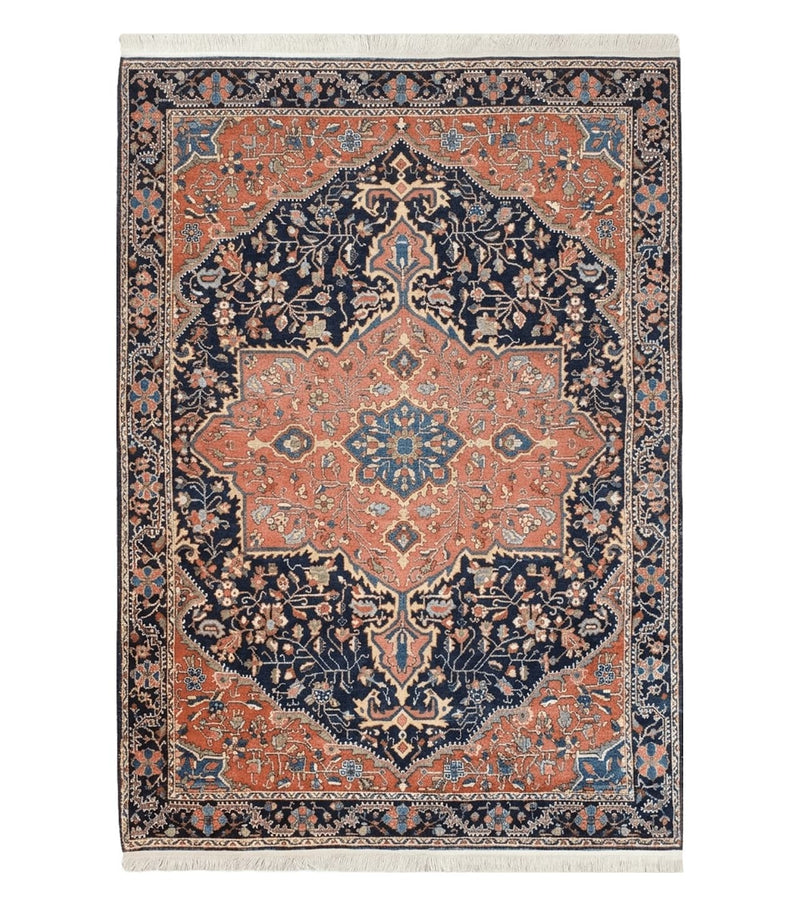


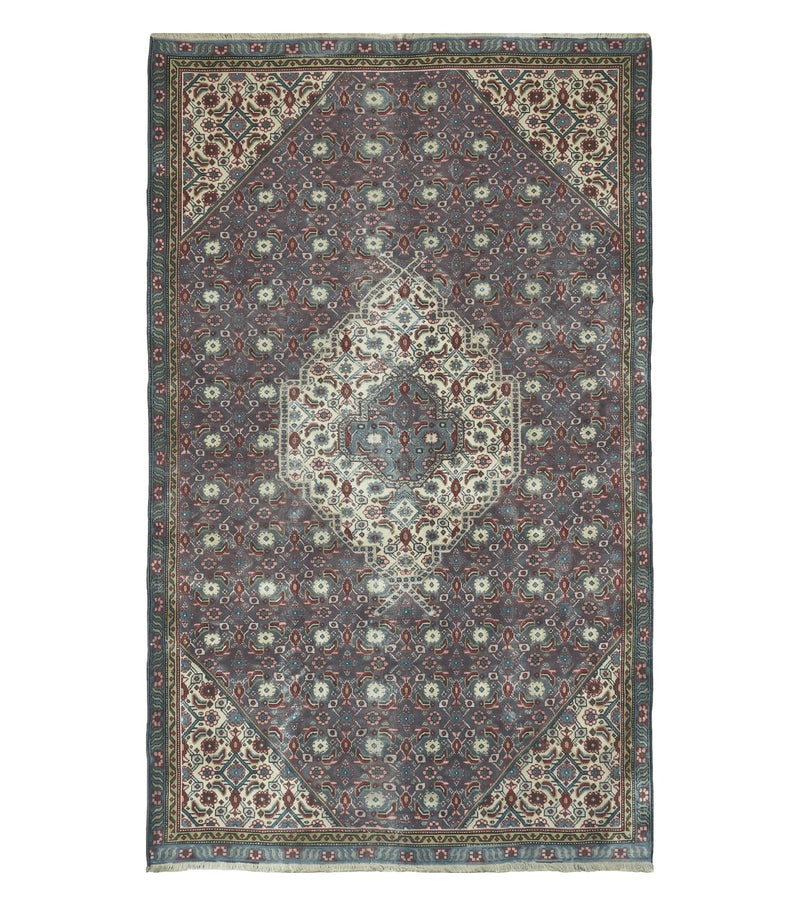


Karastan's story is a piece of American history. It began with a department store that wanted to make its own goods, grew through an engineering idea that let a power loom imitate a hand-knotted rug, and lasted more than ninety years in one small North Carolina town. Knowing the main dates also helps in placing a vintage Karastan in its era.
| 1928 | First Karastan rug woven at Leaksville, North Carolina |
|---|---|
| 1933–34 | The "Wonder Rug" walked on by millions at the Chicago World's Fair |
| 1935 | Marshall Field's textile mills combined as Fieldcrest |
| 1937 | #717 Multicolor Panel Kirman introduced |
| 1953 | Fieldcrest separated from Marshall Field & Company |
| 1993 | Karastan bought by Mohawk Industries |
| 2021 | Wool rug weaving at Eden ends |
A department store builds a mill
In the early 20th century, Marshall Field & Company of Chicago owned textile mills in North Carolina and Virginia, so that it could supply its own sheets, towels and rugs. One of these was a rug mill at Leaksville, North Carolina, a town that later joined with its neighbors to become Eden. In the 1920s, imported hand-knotted Oriental rugs were fashionable in America but expensive. The company set out to make a rug that looked like one but could be sold to ordinary households.
The first Karastan, 1928
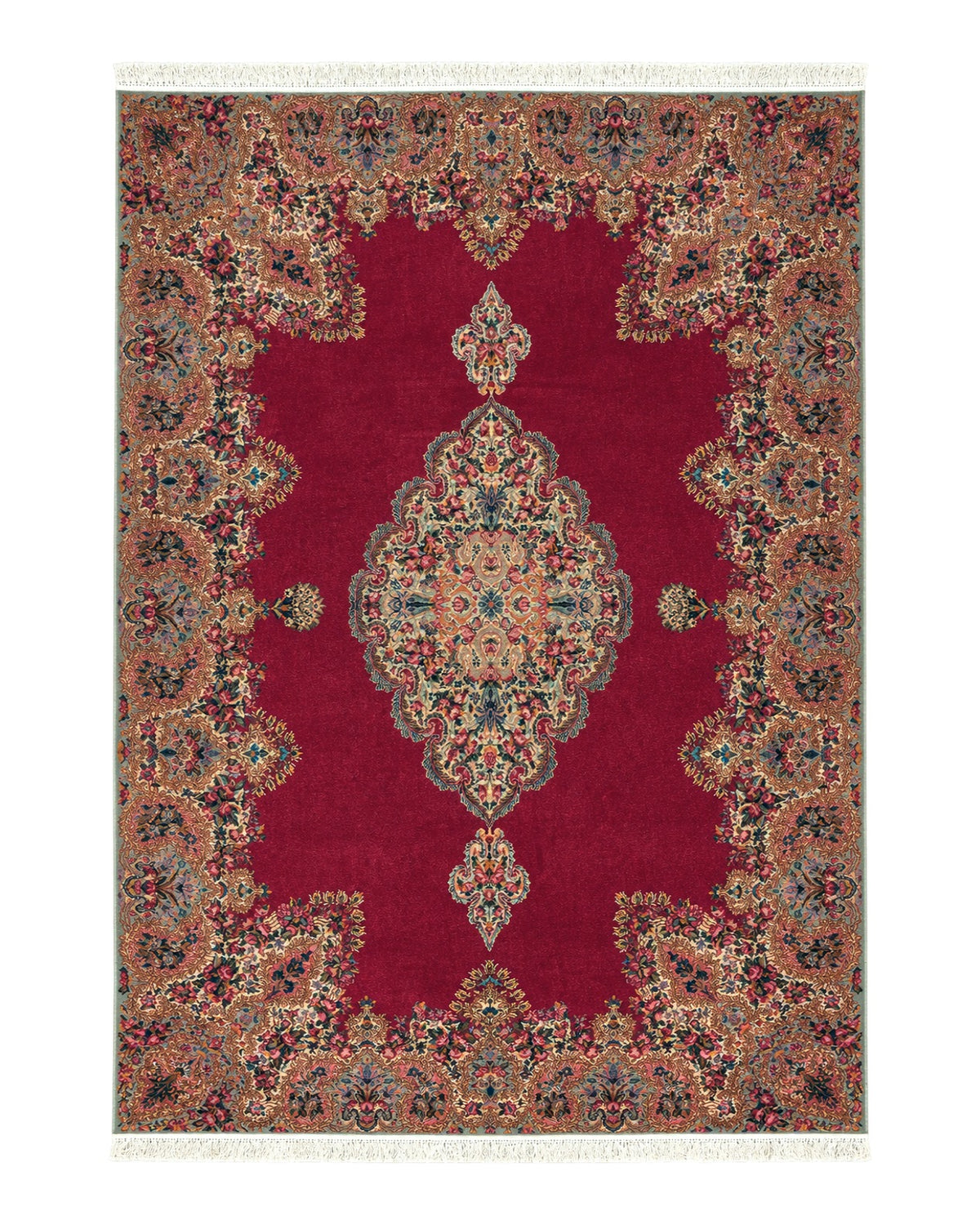
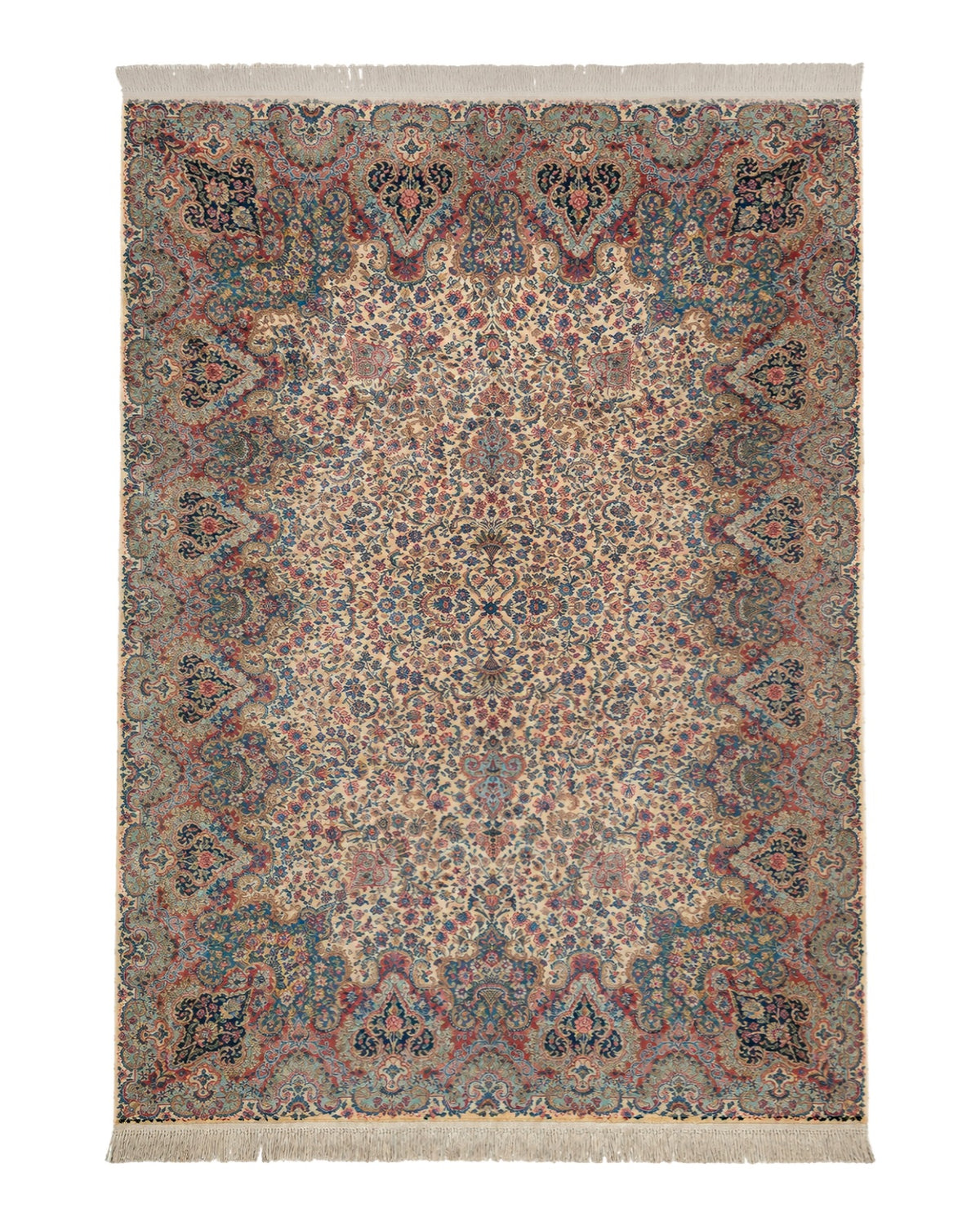
The mill bought Axminster looms from England, and its engineers, led by Eugene Clark, adapted them to weave dense wool pile in many colors, with the pattern carried through to the back like a hand-knotted rug. The first Karastan rug came off the loom in 1928. The name evokes the rug-weaving lands of Asia, and the early designs were named after famous Persian rug types such as Kirman, Sarouk and Ispahan. See How a Karastan Is Made.
The Wonder Rug
At the Century of Progress World's Fair in Chicago in 1933 and 1934, a Karastan was laid on the floor of an exhibit where millions of visitors walked across it. Afterward, part of the rug was cleaned to show that it could be restored after such heavy use. The demonstration made the company's name, and Karastan advertised its rugs as "the Wonder Rug of America."
The #717 and the Original Collection
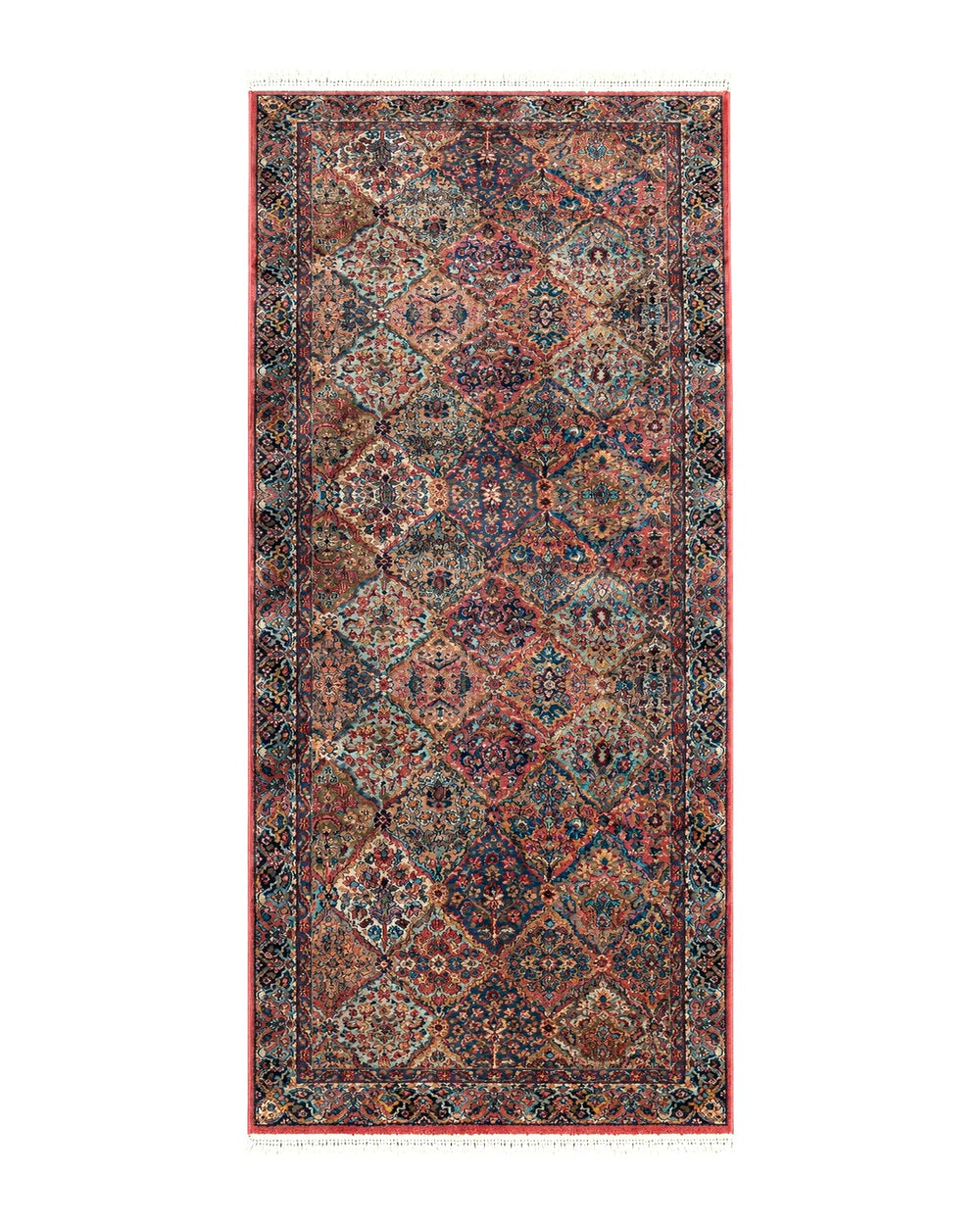
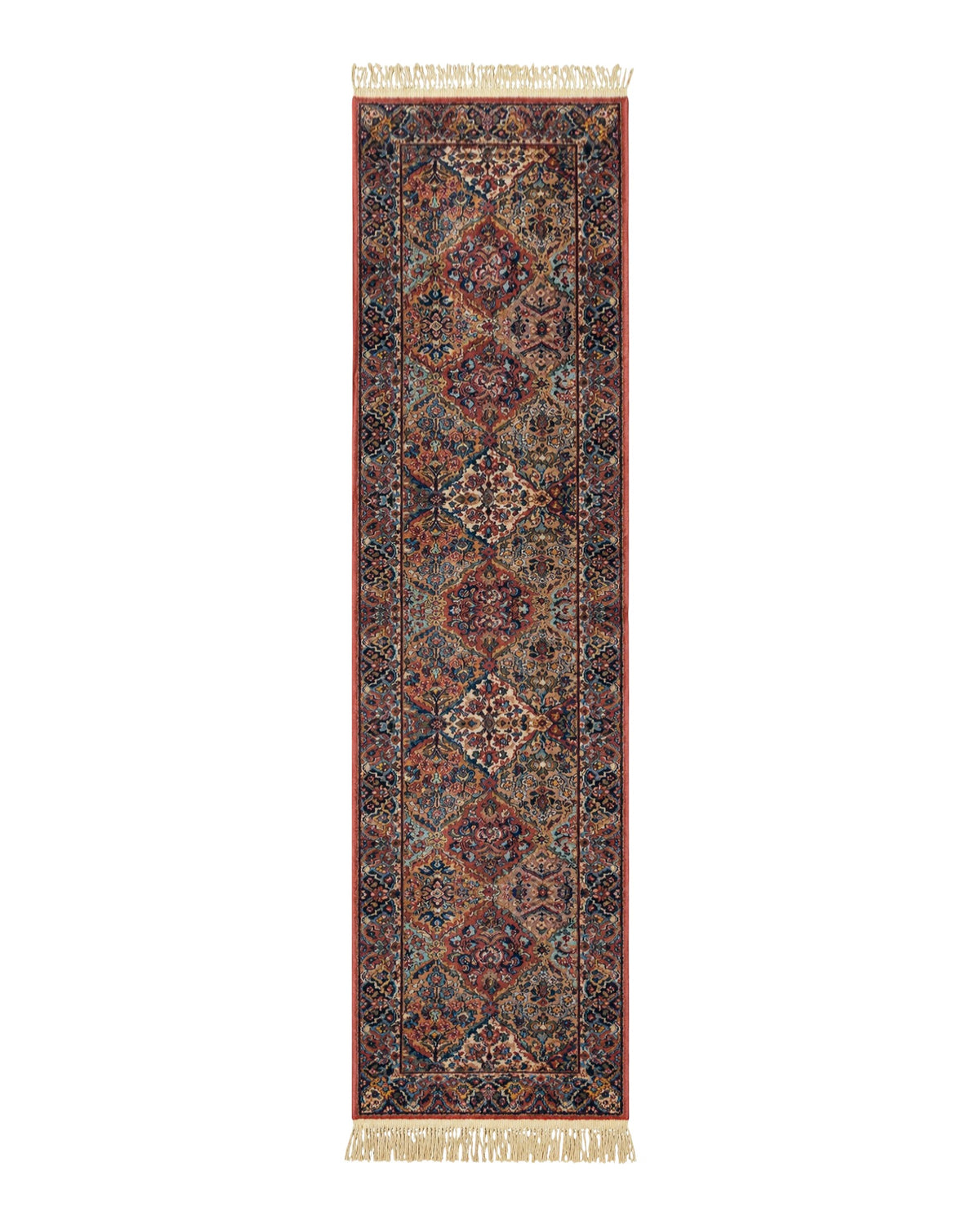
In 1935 Marshall Field combined its textile mills into one company, Fieldcrest. Two years later Karastan introduced pattern #717, the Multicolor Panel Kirman, woven in about fifty colors. It became the company's best seller for decades and is still the design most people picture when they think of a Karastan. It belonged to the Original Collection, the numbered 700 Series of Persian, Turkish, Turkoman and Chinese designs that defined Karastan through the mid-20th century. See Karastan #717 and The Karastan Original Collection.
The Fieldcrest years
In 1953 Fieldcrest became independent of Marshall Field & Company. Through the following decades Karastan remained one of the best-known names in American home furnishings. Alongside the Original Collection it introduced new rug lines, and from the 1960s it also made wall-to-wall carpet. In 1986 Fieldcrest merged with Cannon Mills, the towel maker, to form Fieldcrest Cannon.
Mohawk and the later collections
In 1993 Mohawk Industries bought Karastan, and the brand became part of America's largest flooring company. Weaving continued at Eden, with new editions of classic 700 Series designs alongside other named collections such as Williamsburg, Garden of Eden, Antique Legends and Samovar Teawash. See Other Karastan Collections.
The end of wool weaving at Eden
In 2021 Mohawk closed the Eden production facilities and ended Karastan's wool rug weaving there, after more than ninety years. The Karastan name continues on rugs and carpet made from synthetic fibers. The wool rugs woven at Eden from 1928 to 2021 are now a finite supply, which is part of the reason vintage Karastans are increasingly sought after. See Does Karastan Still Make Wool Rugs? and What a Vintage Karastan Is Worth.