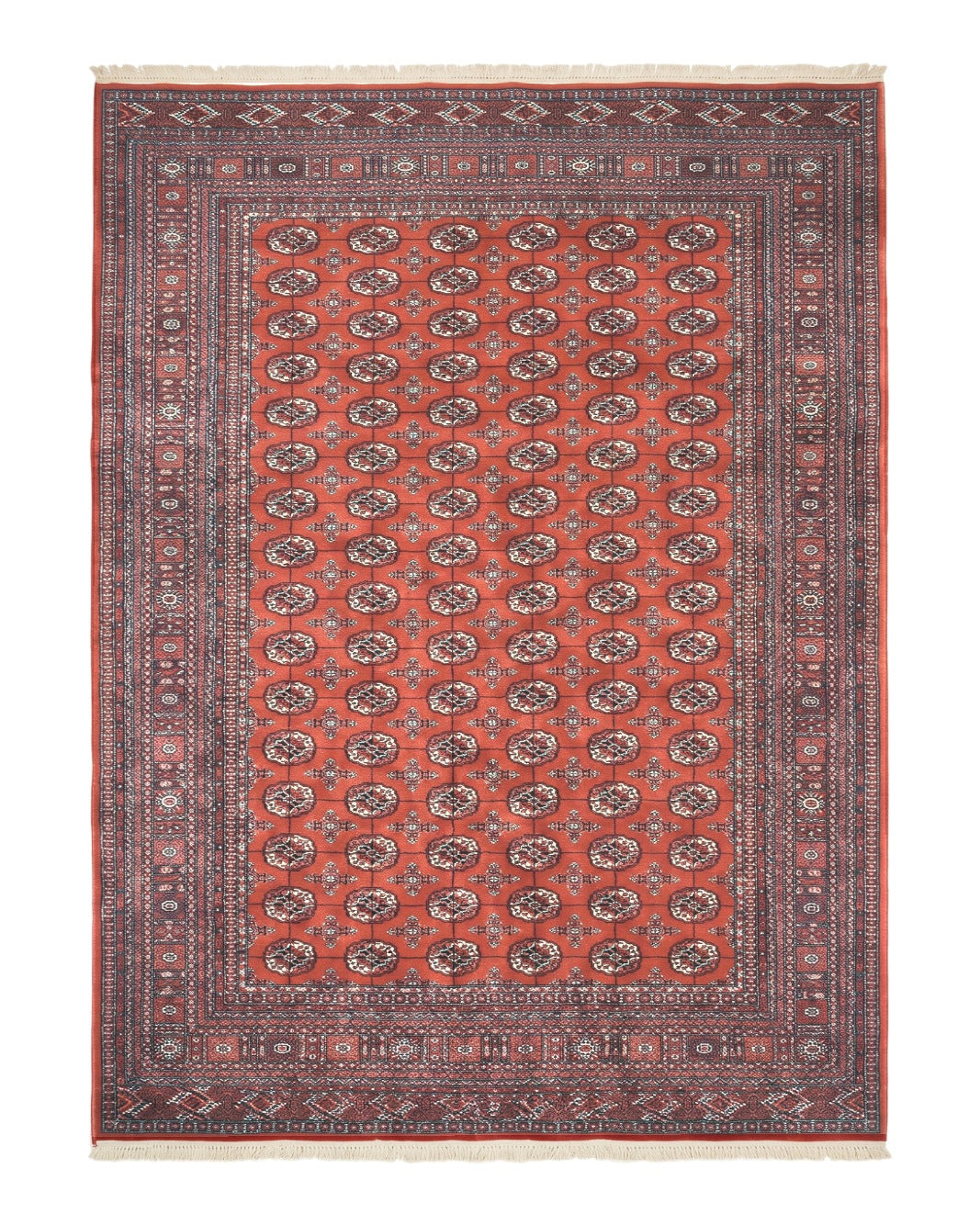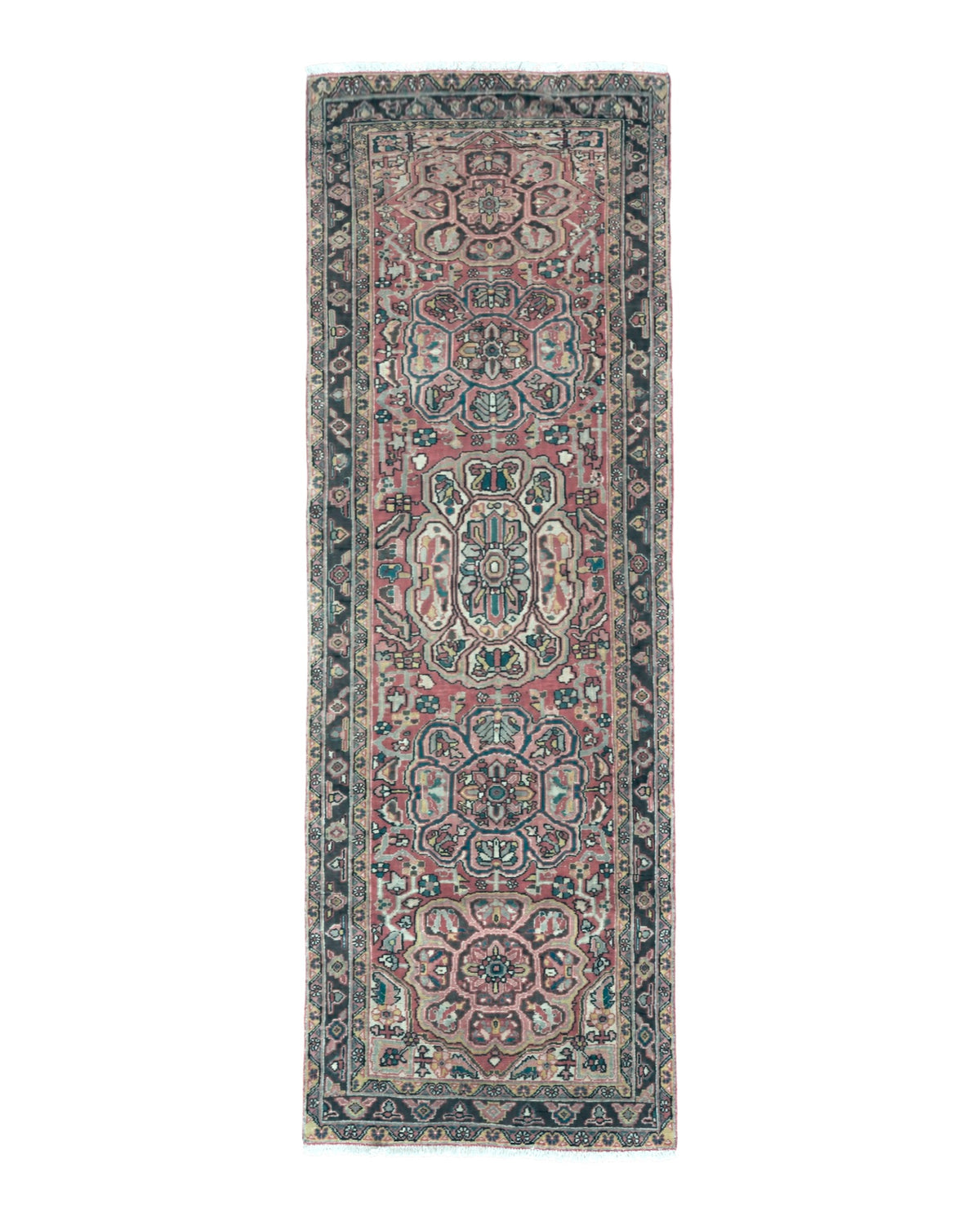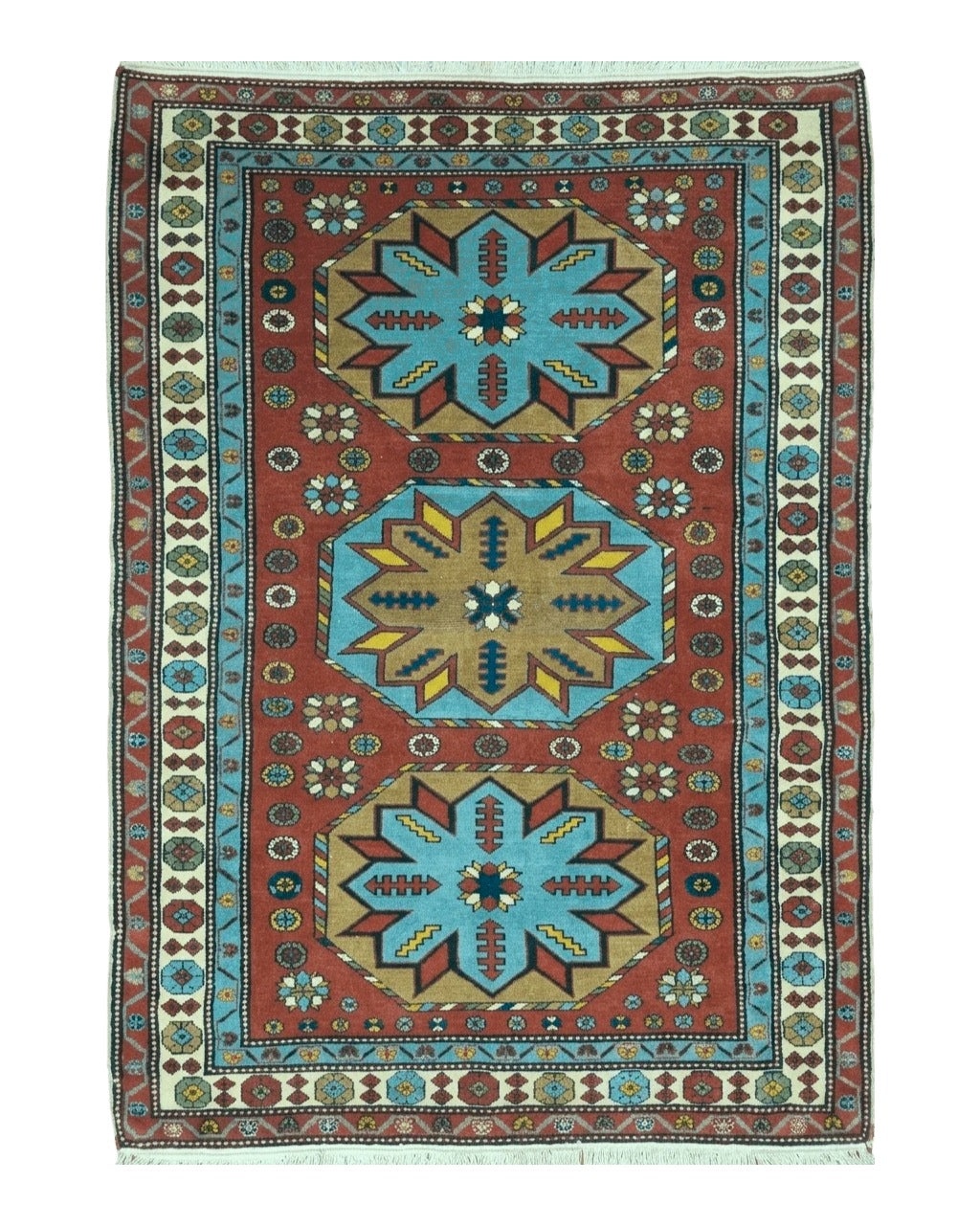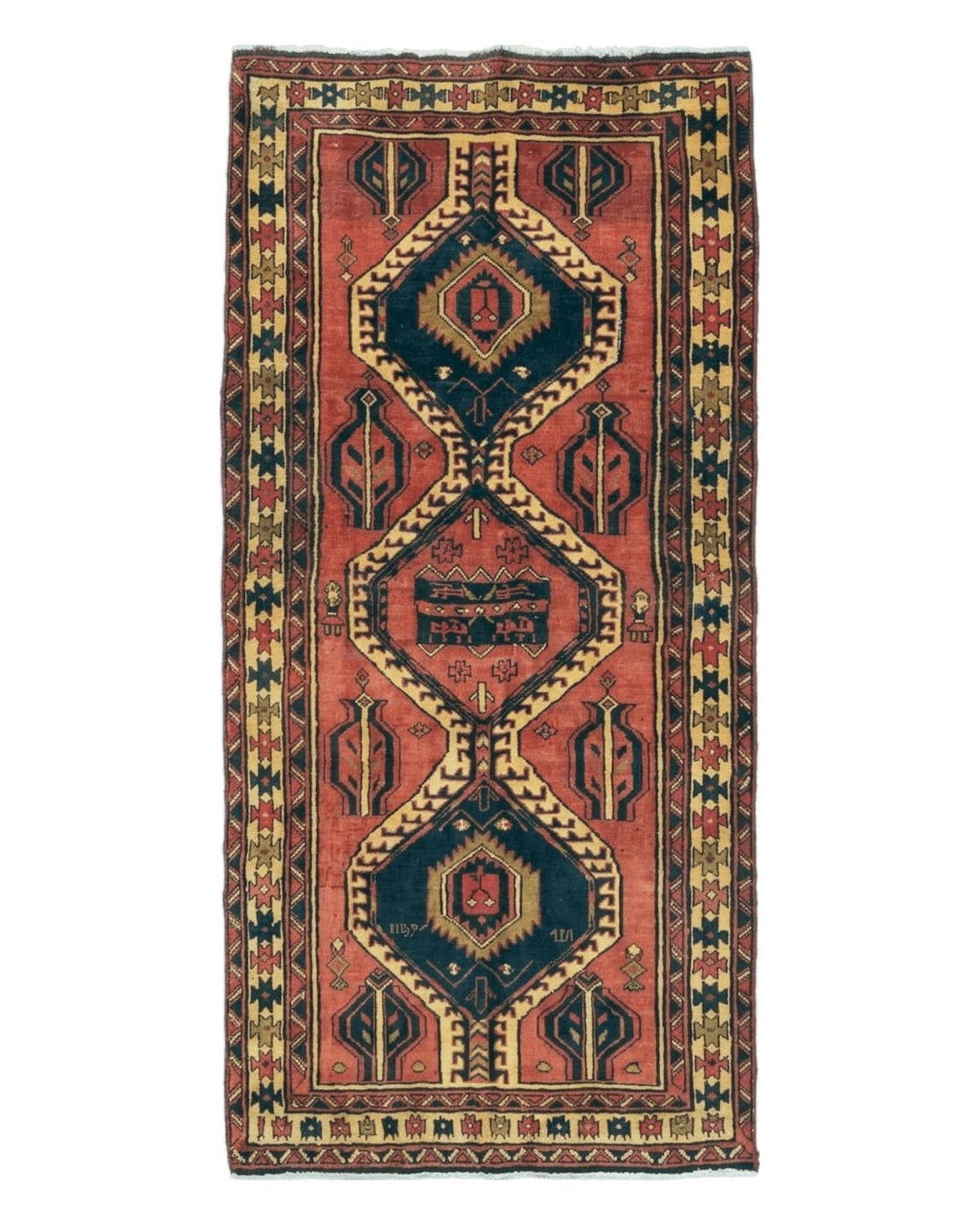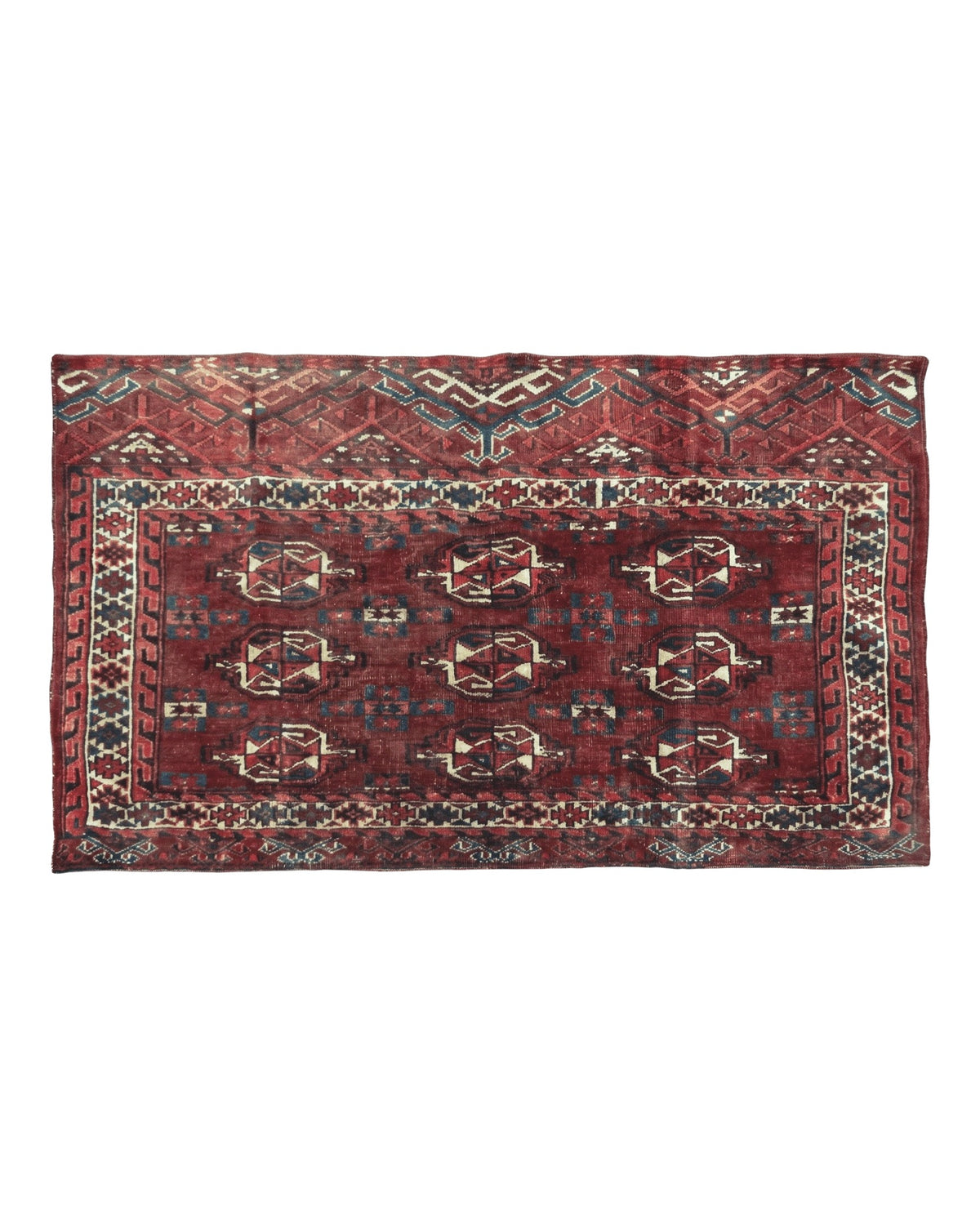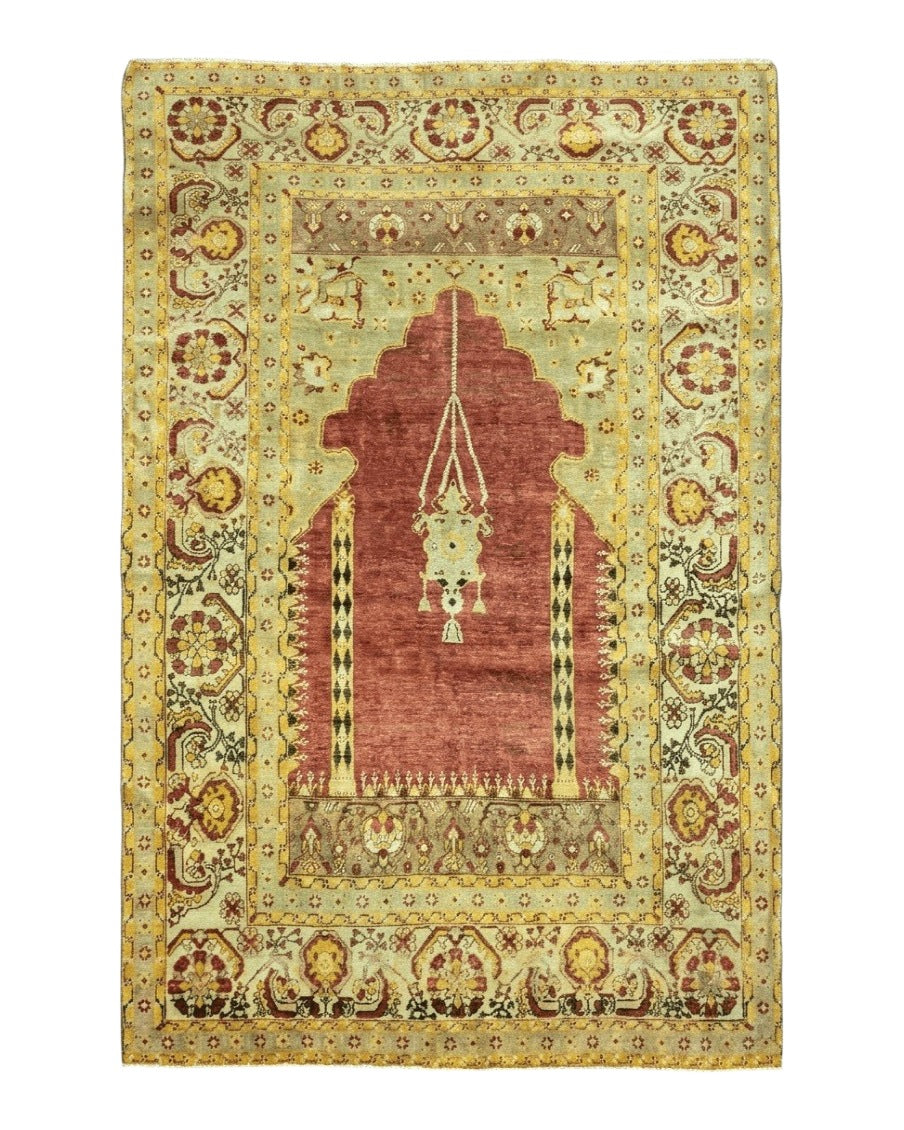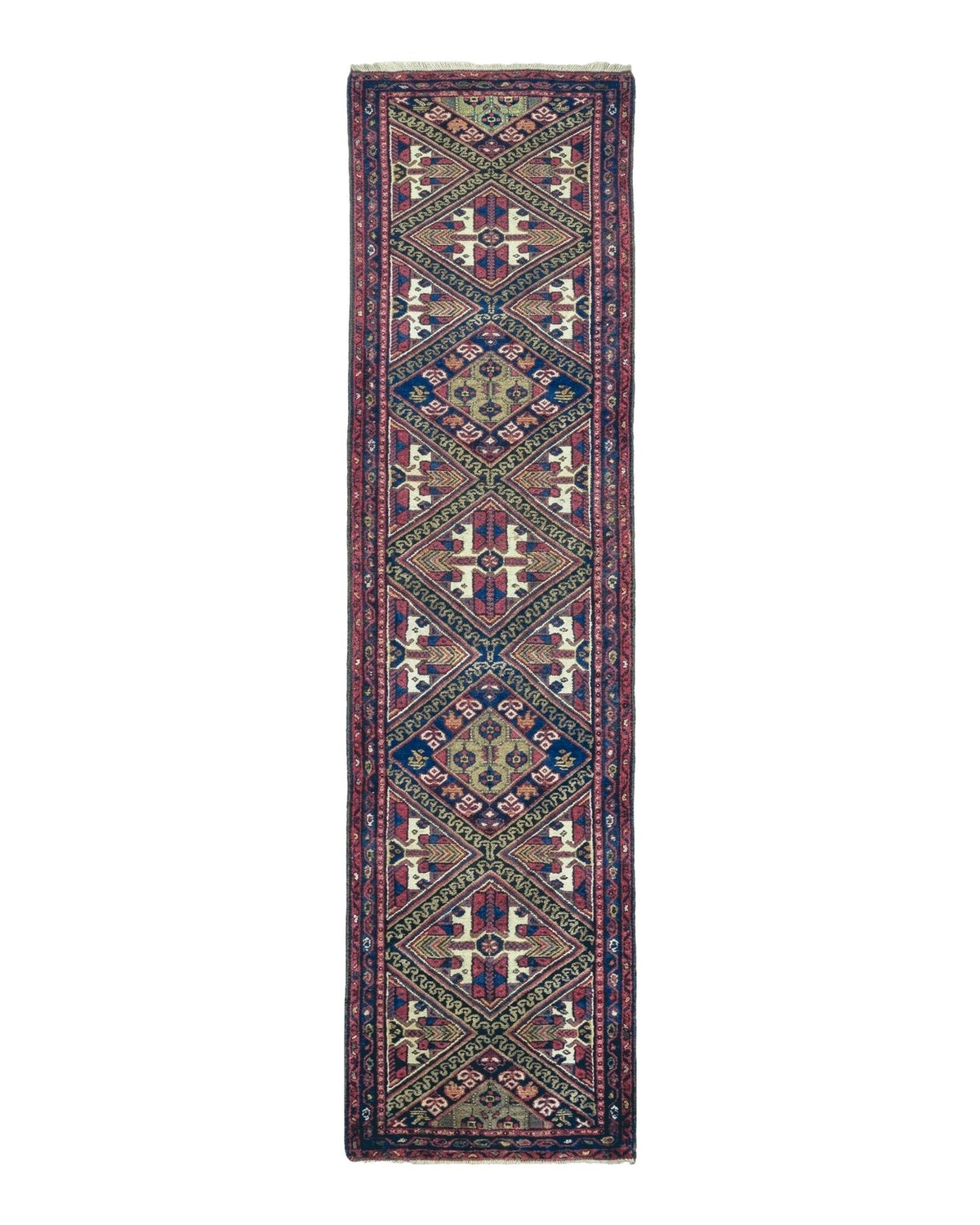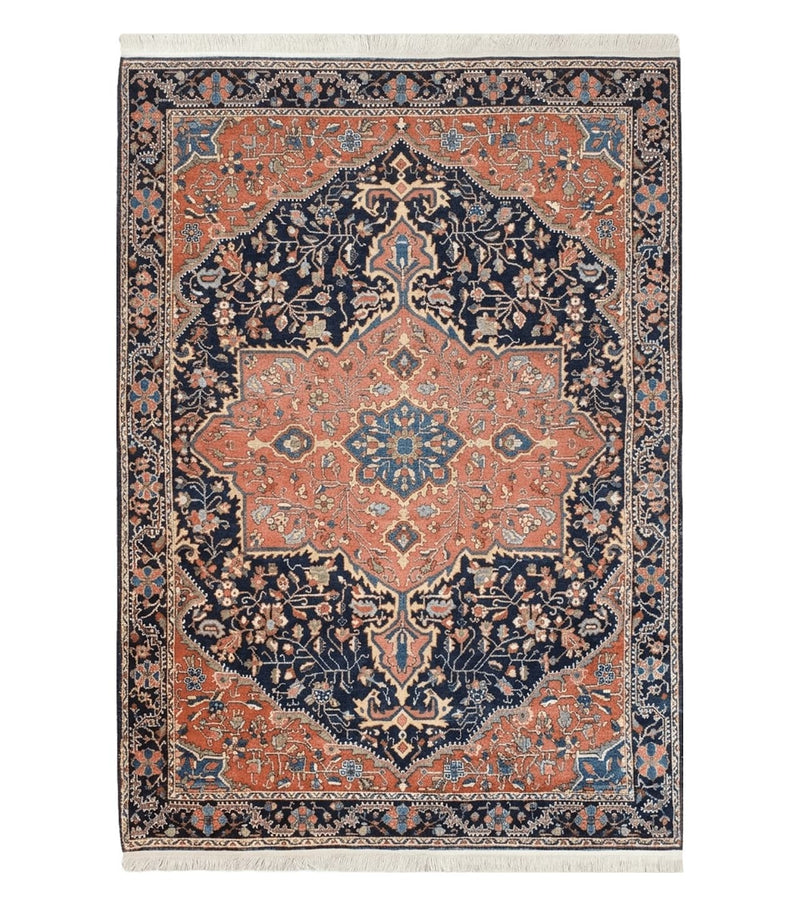


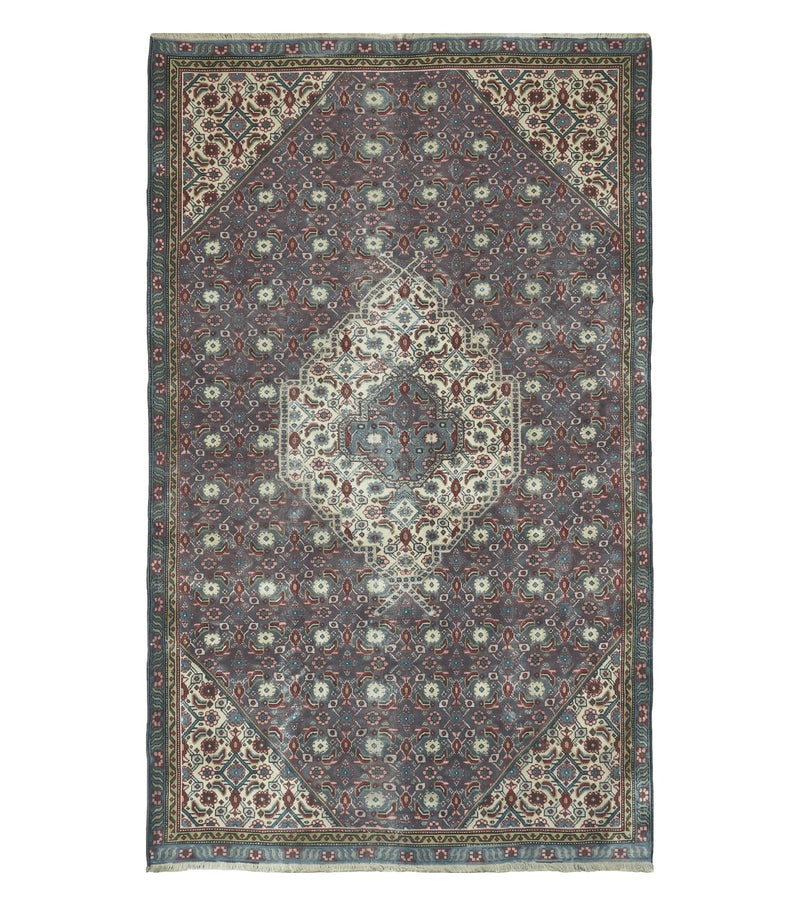


Two rugs that look alike in a photograph can differ greatly in price. A rug's value comes from many factors working together: where and how it was made, how finely it is woven, the quality of its materials and colors, its design, its age, its condition, its size and how rare it is. No single factor decides it. A finely knotted rug with poor colors or heavy damage can be worth less than a coarser rug that is beautiful and well preserved.
| Origin and type | Where it was woven and by whom |
|---|---|
| Construction | Hand-knotted, and how finely |
| Materials | Quality of wool and silk; natural or synthetic dyes |
| Design and color | Beauty, drawing and harmony |
| Age | Antique, semi-antique, vintage or new |
| Condition | Pile, ends, sides, repairs, stains |
| Size and rarity | Unusual sizes and rare types add value |
Origin and type
A rug's origin is one of the biggest factors. Persian rugs generally command more than rugs in Persian designs woven elsewhere, and within Iran some types are more sought after than others: antique Serapi and Heriz, Farahan, Lavar Kerman, Mohtasham Kashan, and signed Isfahan and Nain rugs are among the most valued. See Persian vs. Oriental Rugs.
Construction and fineness
A hand-knotted rug is worth far more than a tufted or machine-made rug of the same design. Among hand-knotted rugs, more knots per square inch mean more work and usually a higher price, but fineness should be compared within a type: a fine Heriz is still coarser than an average Nain, and that is how it should be. See Knots and Knot Density.
Materials and dyes
Lustrous, springy wool, kork wool, and genuine silk add value; dry, brittle or harsh wool reduces it. In older rugs, natural dyes and attractive abrash are valued highly, while colors that have run or faded unevenly lower the price. See Rug Materials and Natural vs. Synthetic Dyes and Abrash.
Design and color
Beauty matters. Well-drawn designs, harmonious colors and good proportions make a rug more desirable, and fashion plays a part: soft, decorative palettes and large-scale designs are especially in demand with designers today. A rug that is simply striking will always attract buyers.
Age
Age can add value, especially for antique rugs of sought-after types with natural dyes. But age alone does not make a rug valuable, and a worn antique of a common type may be worth less than a well-preserved semi-antique piece. See Antique, Semi-Antique and Vintage Rugs.
Condition
Condition has a large effect on value. Good, even pile, intact ends and sides, original colors and no significant repairs all support value. Holes, moth damage, dry rot, stains, color run and heavy, poorly done repairs reduce it, sometimes a great deal. See Normal Wear vs. Damage.
Size and rarity
Some sizes are rarer than others. Large antique rugs in good condition, wide runners, square rugs and oversized palace rugs often command a premium. Rare types, unusual designs and documented provenance add value too.
See also How to Buy a Persian Rug.