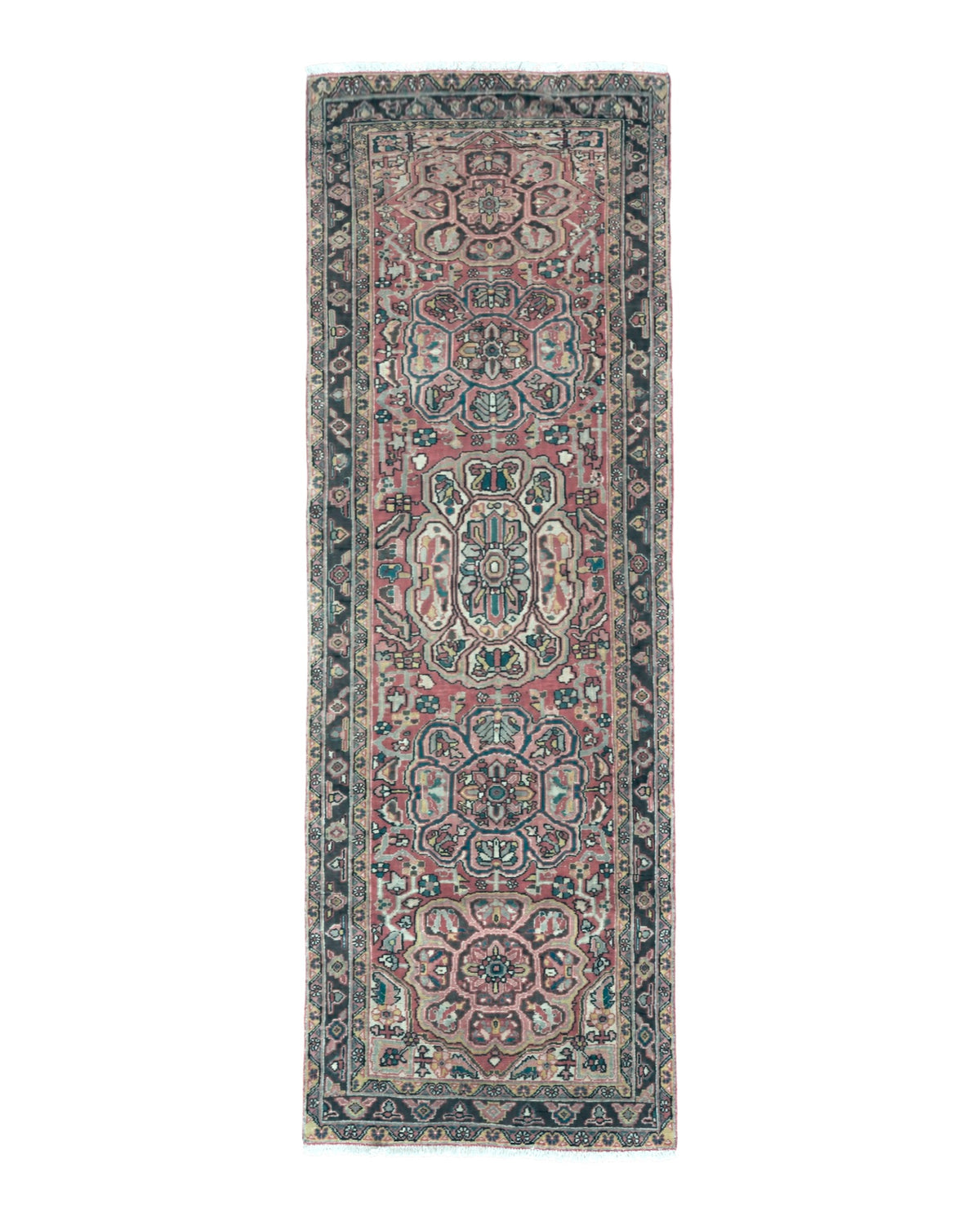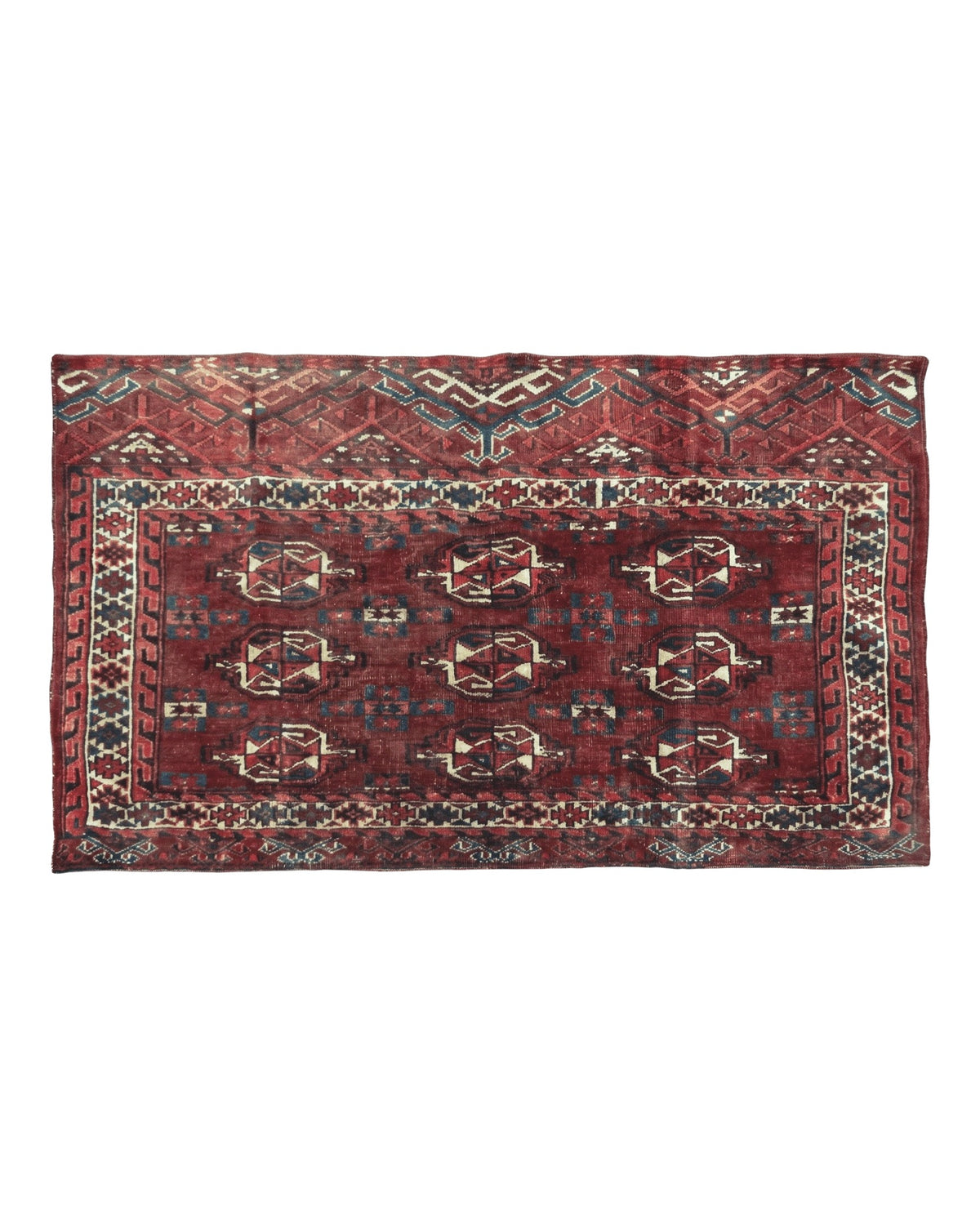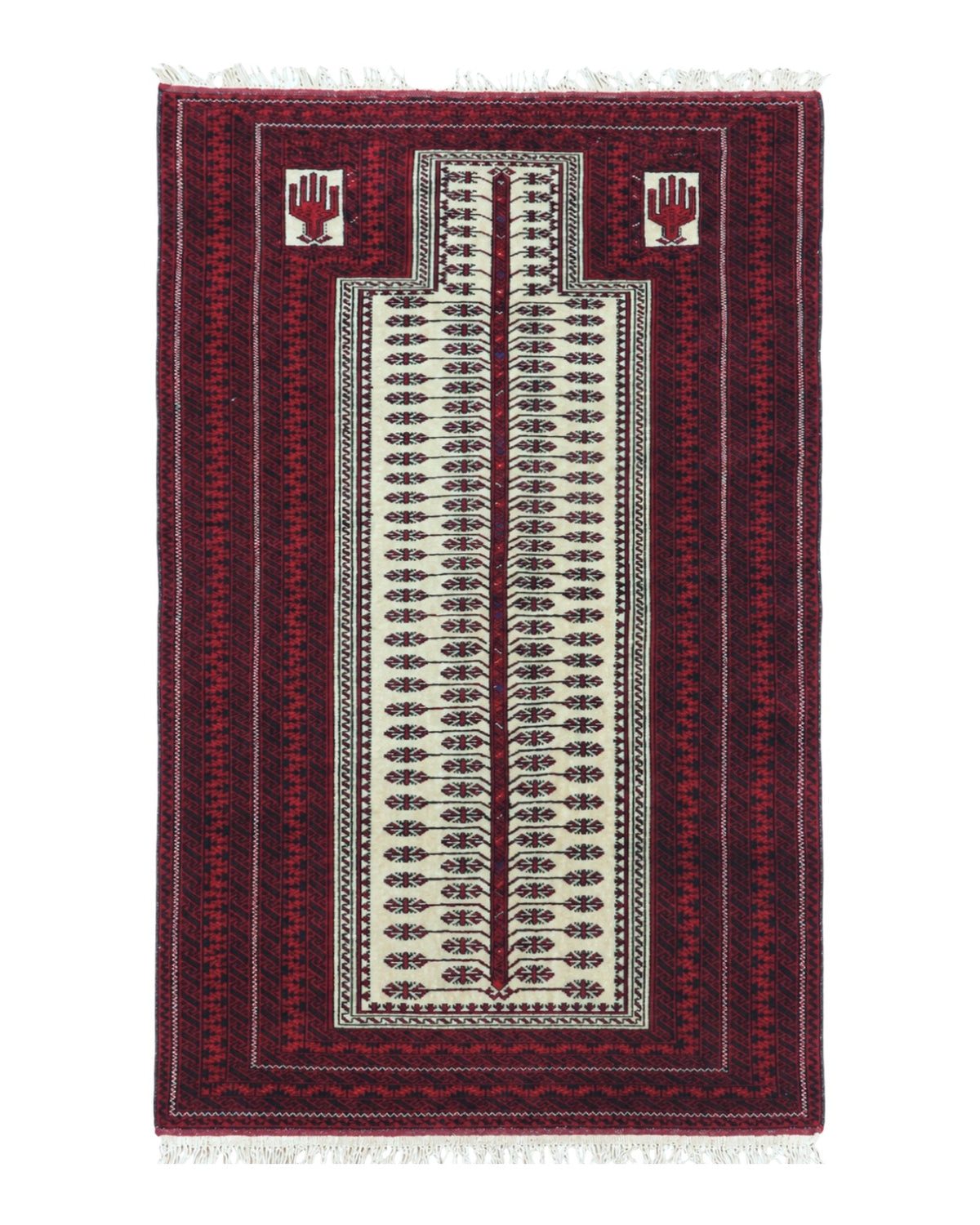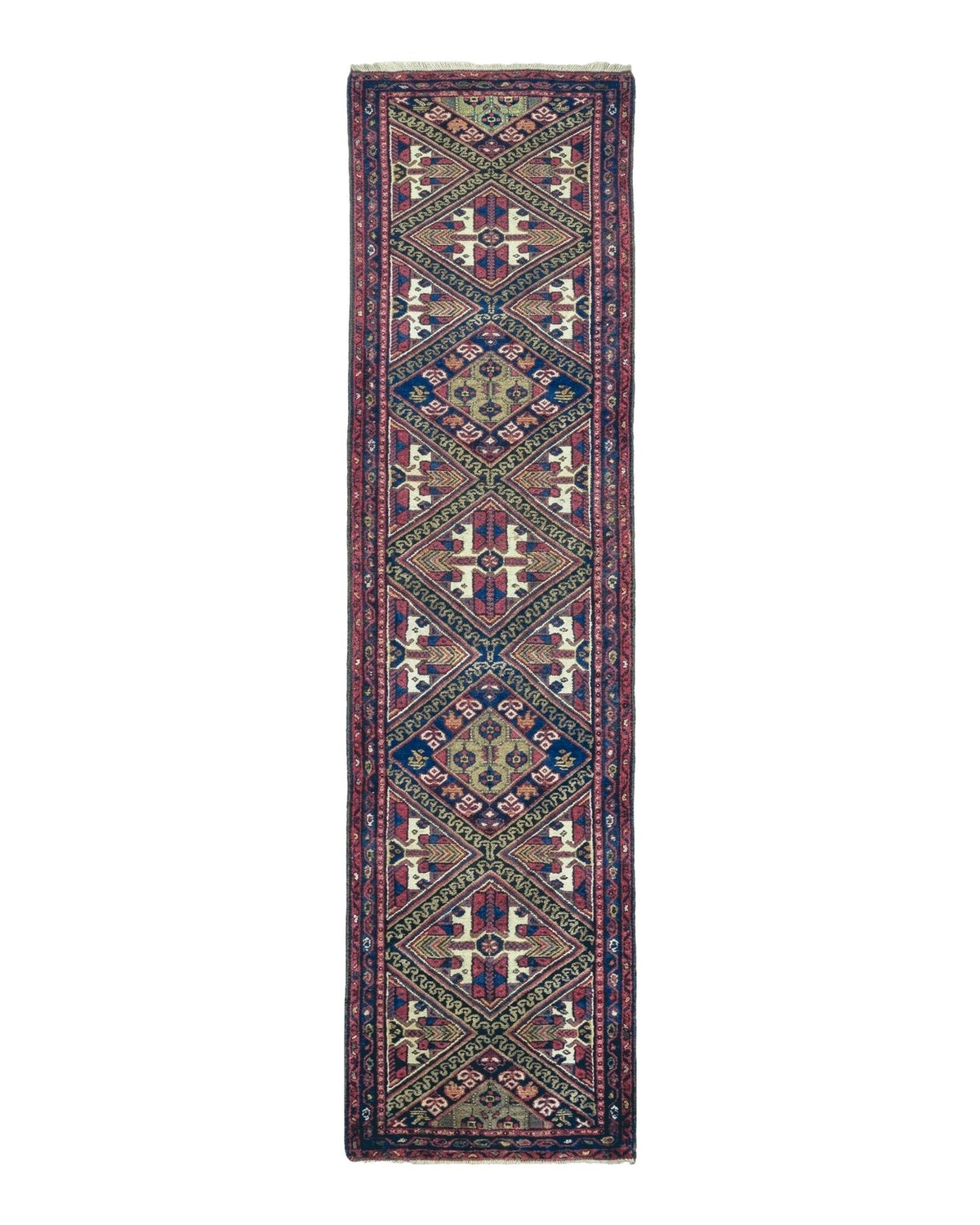




Pets and handmade rugs can live together happily, but accidents happen. What you do in the first few minutes matters most. A fresh spot handled gently usually leaves no trace; a spot left to dry, or scrubbed with the wrong cleaner, can stain the wool, make the colors run and, with urine, weaken the foundation over time. This entry explains what to do, what to avoid and when to call a professional.
| First step | Blot at once with clean white cloths; never rub |
|---|---|
| Home method | 1 part white vinegar, 2 parts cool water, a drop of mild dish soap; test first |
| Never use | Bleach, ammonia, steam, hot water, oxygen or enzyme carpet cleaners |
| Call a professional | Large, old or repeated urine spots, any color run, silk or antique rugs |
Act quickly
- Remove any solids gently with a spoon or a dull knife, lifting rather than pushing.
- Blot liquid with clean, white, dry cloths or paper towels, pressing firmly. Work from the outside of the spot toward the center so it doesn't spread.
- Keep blotting with fresh cloths until no more moisture transfers. If you can, slip a towel under the rug beneath the spot to catch what has soaked through.
Never rub or scrub. Rubbing pushes the spot deeper, spreads it and roughens the wool.
A gentle home method
For a small, fresh spot on a wool rug:
- Test first. Dampen a white cloth with the solution below and press it on a hidden corner of the rug for a minute. If any color comes off on the cloth, stop and call a professional.
- Mix one part white vinegar with two parts cool water in a spray bottle, with a drop of mild dish soap.
- Mist lightly over the spot. Don't soak it.
- Blot with a clean white cloth, working from the outside in, turning the cloth often.
- Rinse by misting with plain cool water and blotting again, so no soap is left behind.
- Dry quickly. Raise the area on something like an upturned bowl, and use a fan or a hair dryer on the cool setting. The rug should be completely dry, front and back, within a few hours.
Odors
Urine can leave an odor even after the spot is gone, because it soaks into the foundation and the pad beneath. Once the area is fully dry, sprinkle it with baking soda, leave it overnight and vacuum it up. If the odor returns, especially on humid days, the urine has reached the foundation and the rug needs a professional wash.
What never to use
- Bleach, ammonia or strong household cleaners, which can strip color and damage wool.
- Steam cleaners, hot water or carpet-cleaning machines, which can set stains, shrink the rug and make colors run.
- Oxygen and enzyme cleaners made for wall-to-wall carpet, which can damage wool and silk and lighten dyes.
- Hard brushes or scrubbing pads.
- High heat for drying.
When to call a professional
- The spot is large, or it dried before you found it.
- The same area has had repeated accidents.
- Colors have started to run or bleed.
- The rug is silk, antique or particularly valuable.
- An odor persists after home cleaning.
A professional rug washer can wash the whole rug, flush urine from the foundation and correct many cases of color run. Choose a specialist in handmade rugs rather than a general carpet cleaner. See Caring for a Handmade Rug.
Prevention
- Use a good rug pad. It keeps the rug in place and adds a layer between rug and floor. See Rug Pads: Why They Matter.
- Vacuum regularly, which removes pet hair and makes spots easier to see and treat.
- Choose wisely for pet areas. Sturdy wool village and tribal rugs with busy, multicolored designs hide everyday life better than silk or pale rugs.