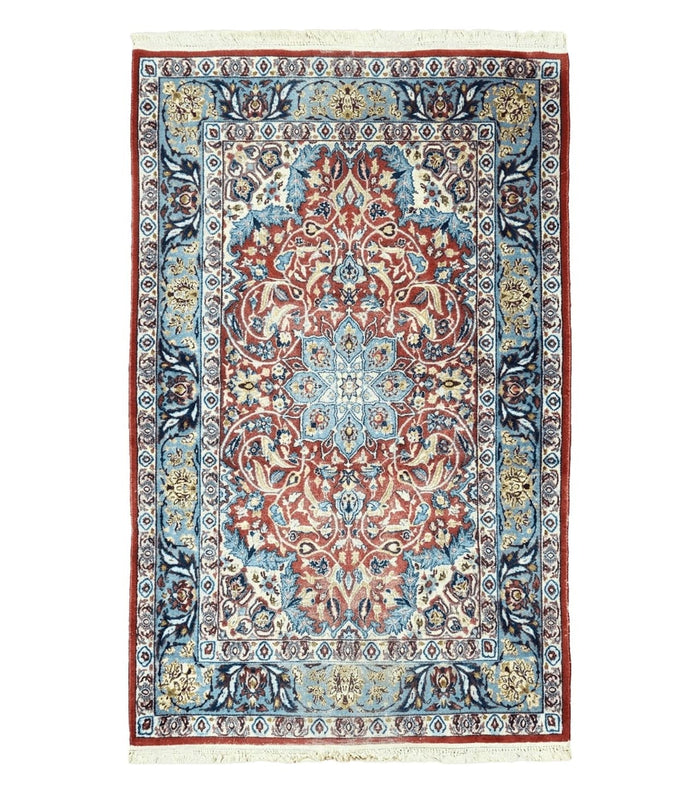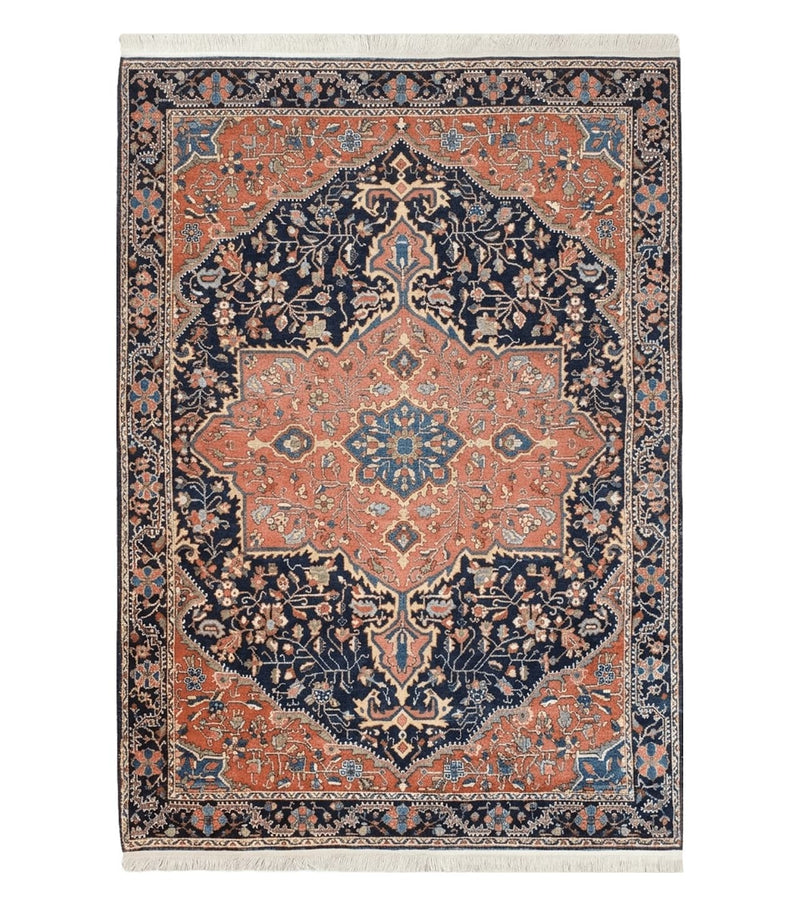


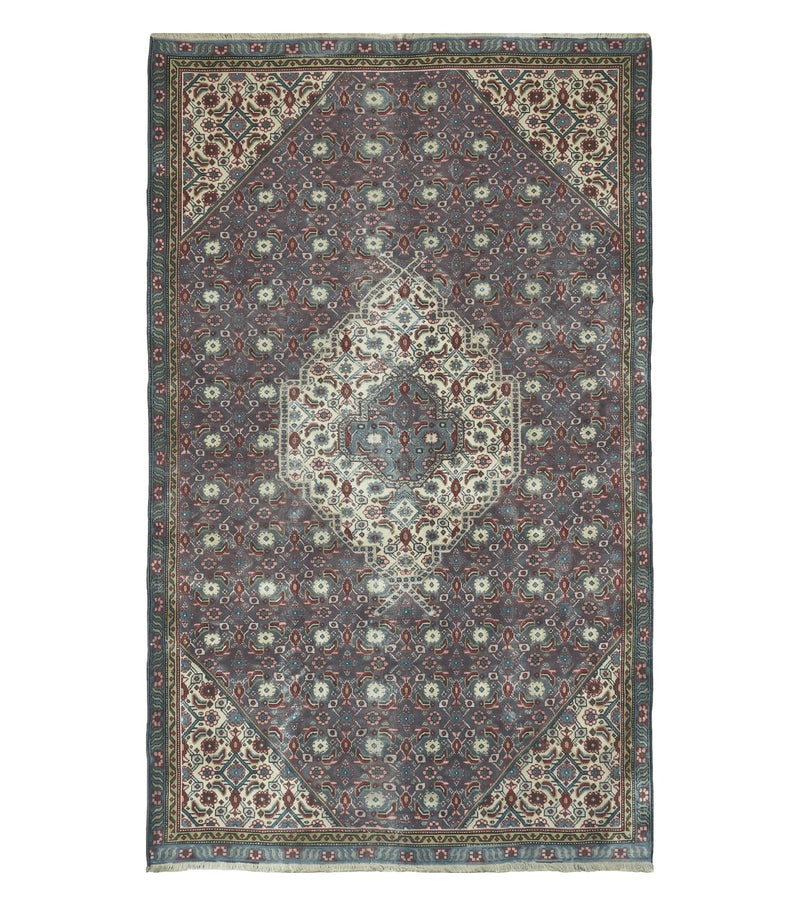


Kashan is a city in central Iran, between Tehran and Isfahan, and one of the oldest and most respected weaving centers in the country. Kashan rugs are city rugs, woven in workshops from drawn designs, and they are best known for their balanced medallion designs on deep red grounds with navy borders. The finest antique Kashans, especially those attributed to the Mohtasham workshop, are among the most admired Persian rugs ever made.
| Origin | Kashan, Isfahan province, central Iran |
|---|---|
| Tradition | City (workshop) rugs |
| Knot | Asymmetric (Persian) |
| Materials | Fine wool pile on cotton; also silk and wool-and-silk |
| Knotting | Fine to very fine |
| Typical design | Central floral medallion with corners on a red or ivory field, navy border |
| Famous names | Mohtasham, Manchester, Dabir |
History
Kashan was a royal weaving center under the Safavid dynasty in the 16th and 17th centuries, and some of the finest surviving silk carpets of that era are attributed to its workshops. Weaving declined in the 18th century, and Kashan became known for silk textiles instead.
Rug weaving revived in the late 19th century. According to a much-repeated story, when the silk trade collapsed, merchants turned to carpets, and the workshop of Hajji Mollah Mohammad Hassan Mohtasham produced rugs of exceptional quality. Antique "Mohtasham Kashans" from about 1880 to 1910 are prized for their soft wool, fine drawing and rich, deep colors.
In the early 20th century, some Kashan workshops used fine merino wool imported from Manchester, England. Rugs woven with it are known as "Manchester Kashans" and are noted for their soft, lustrous pile.
The Kashan look
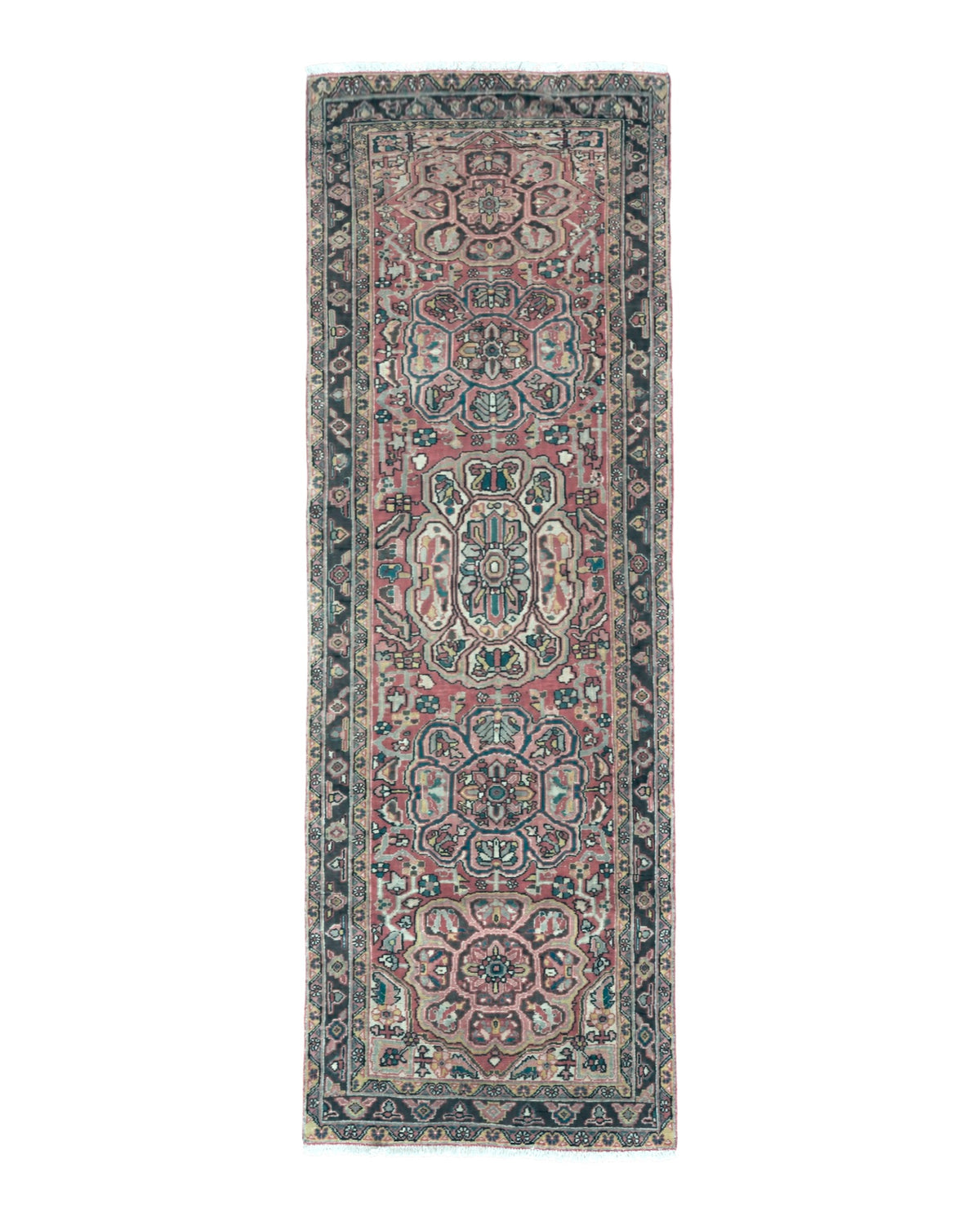
The classic Kashan has a central floral medallion, often a lobed oval with pendants, on a field of scrolling vines and blossoms, with matching corner pieces. The field is most often a deep madder red, sometimes ivory, and the main border is typically dark navy. The drawing is curvilinear and precise, the hallmark of a workshop rug woven from a cartoon. All-over designs, vase designs and prayer designs are also woven. See Medallion Designs.
Many semi-antique Kashans have a dense, short pile and a fairly stiff handle. Mid-20th-century pieces often show the "Kashan red" that gives the type its reputation.
Silk Kashans
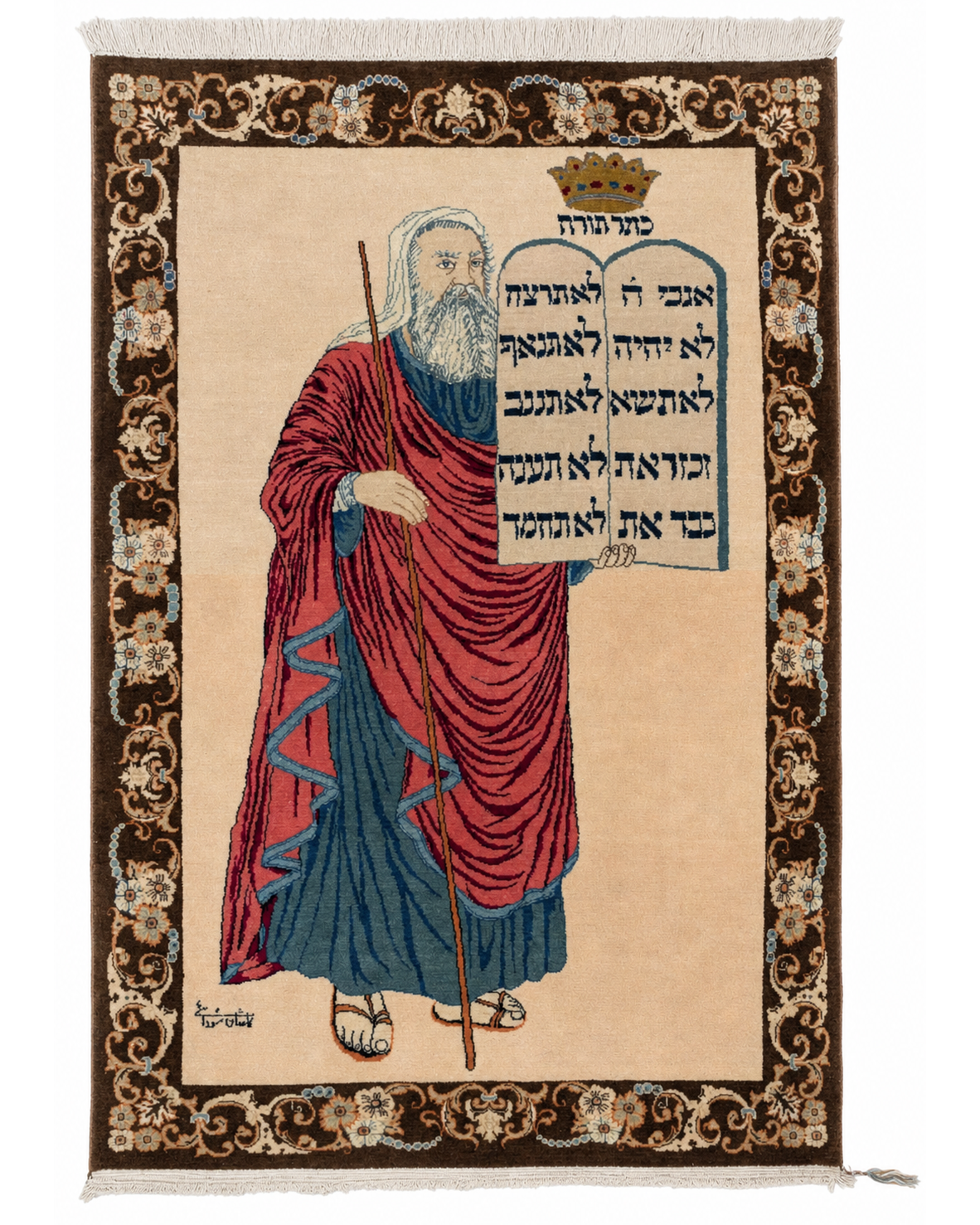
Kashan has a long history of silk weaving, and silk Kashan rugs, with silk pile on a silk or cotton foundation, can be extremely fine. Many are small, prayer-rug size, and some are pictorial. Like all silk rugs, they are best kept in low-traffic rooms or hung. See Rug Materials.
How to recognize a Kashan
- Asymmetric knots on a cotton foundation, finely and evenly tied.
- A balanced, curvilinear medallion design with crisp corners and borders that turn the corner cleanly.
- Deep red field and navy border as the classic color scheme.
- A dense, relatively short pile.
Kashan and its neighbors
Kashan sits between other great weaving centers. Isfahan to the south is known for even finer, often silk-foundation rugs, and Qum to the north took up weaving in the 20th century with designs strongly influenced by Kashan. The village rugs of the nearby Arak region, including Sarouk, share some of the same floral vocabulary.