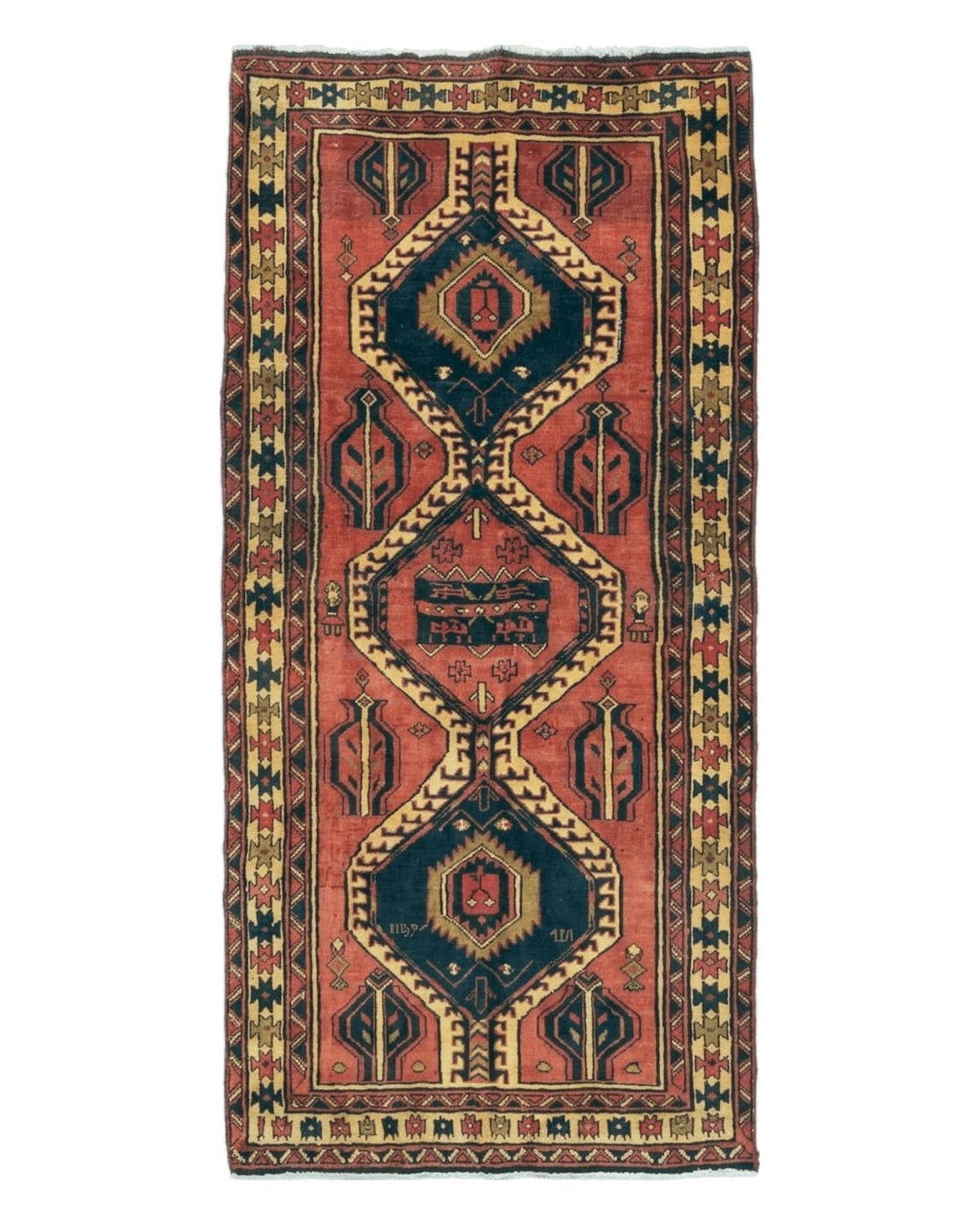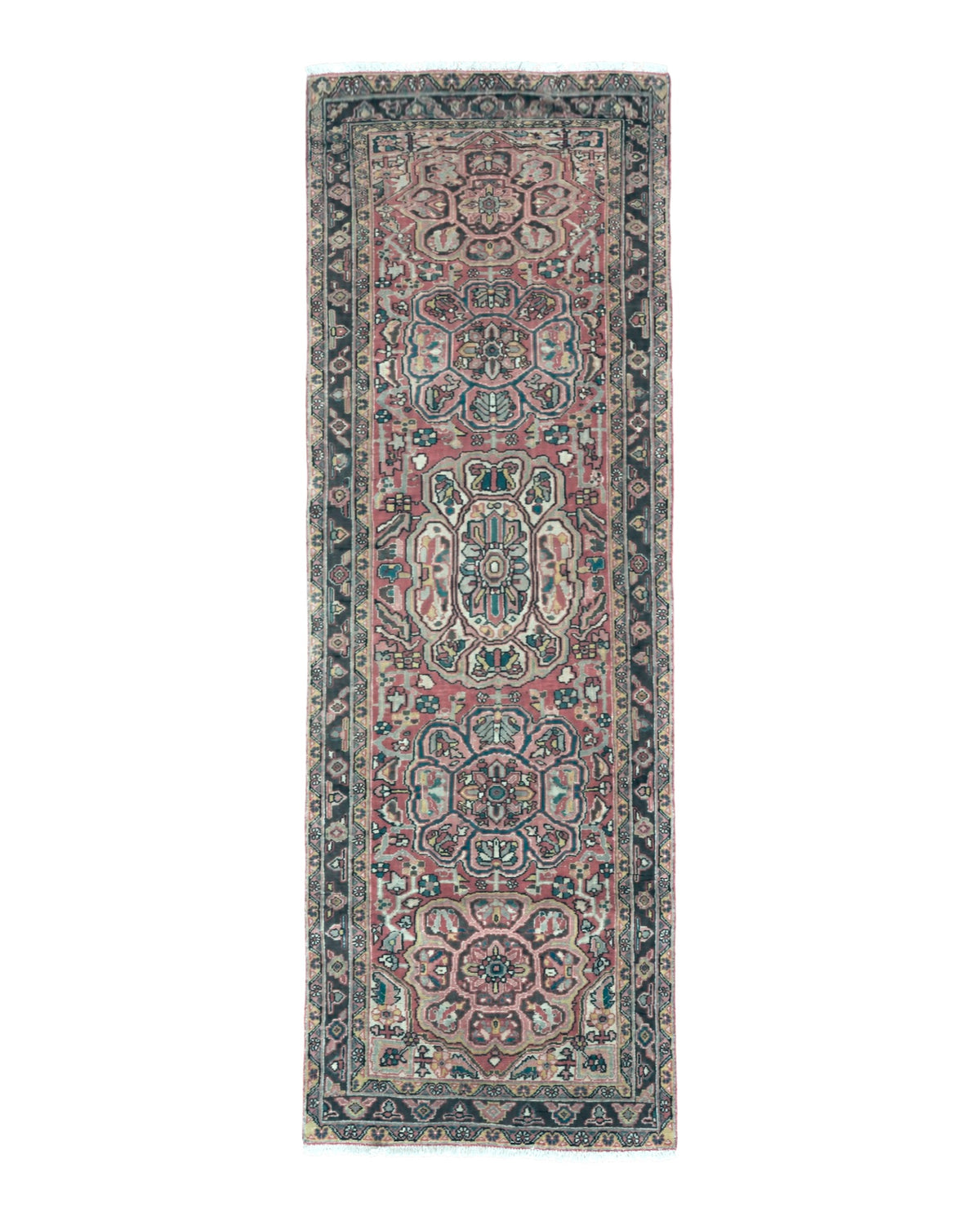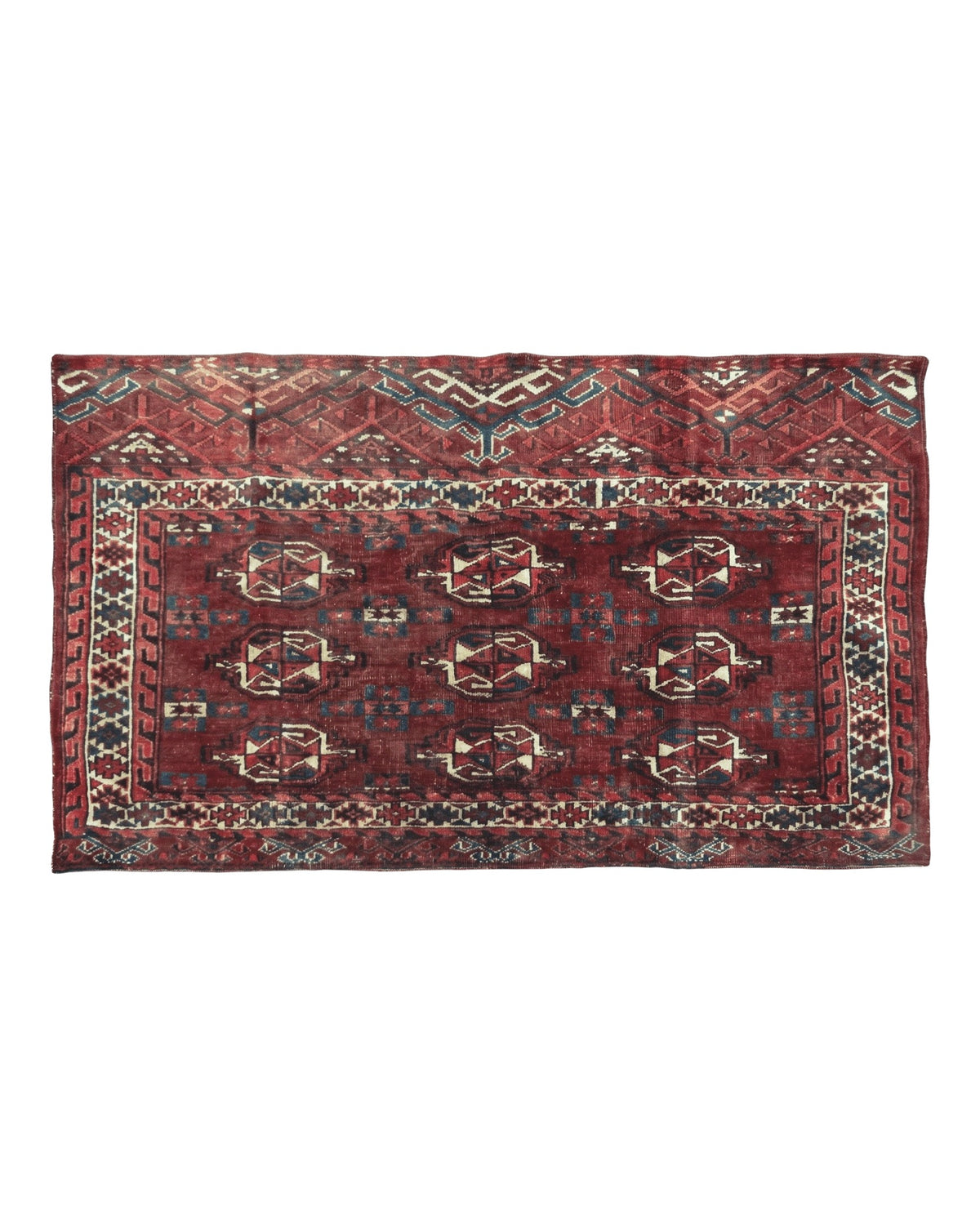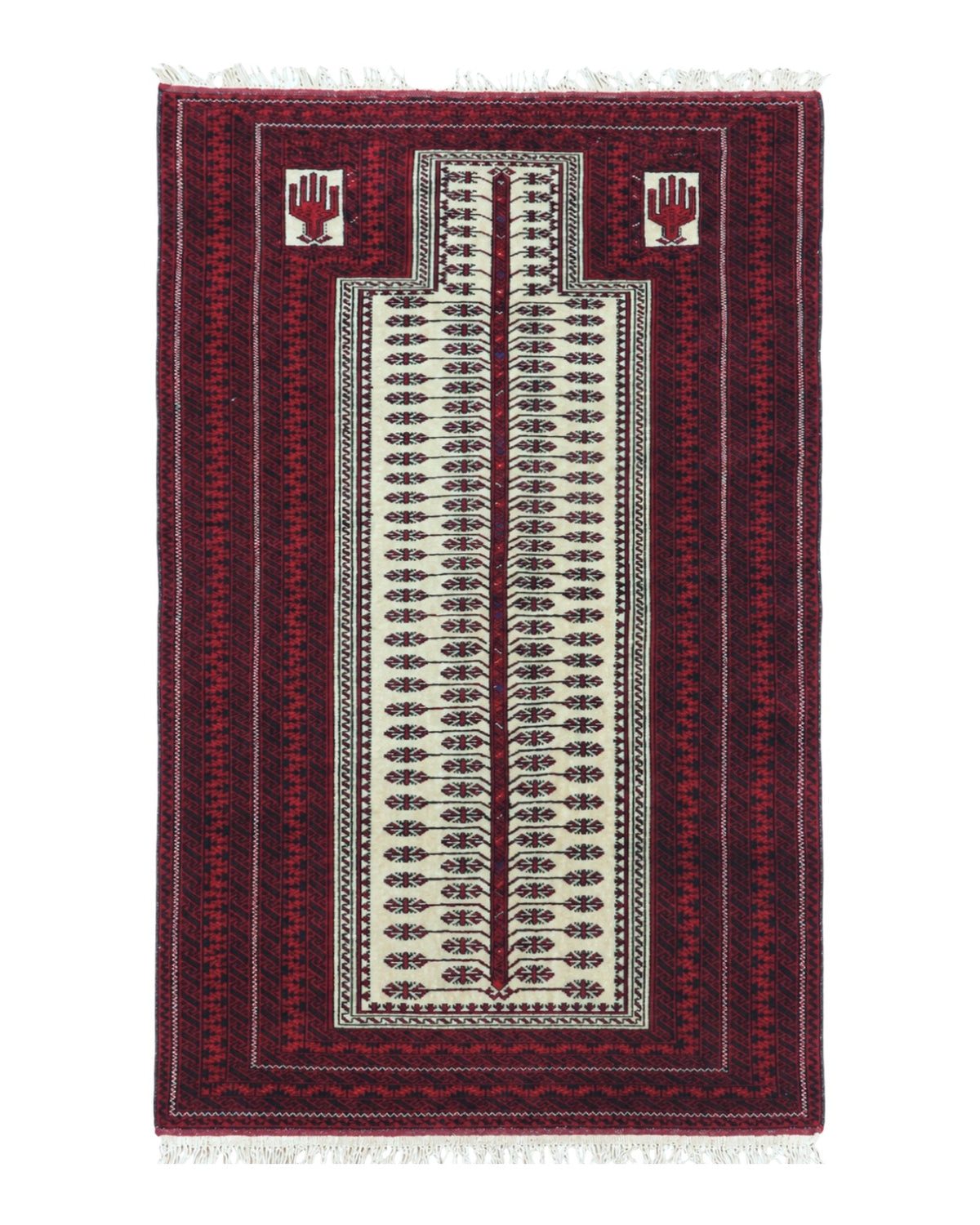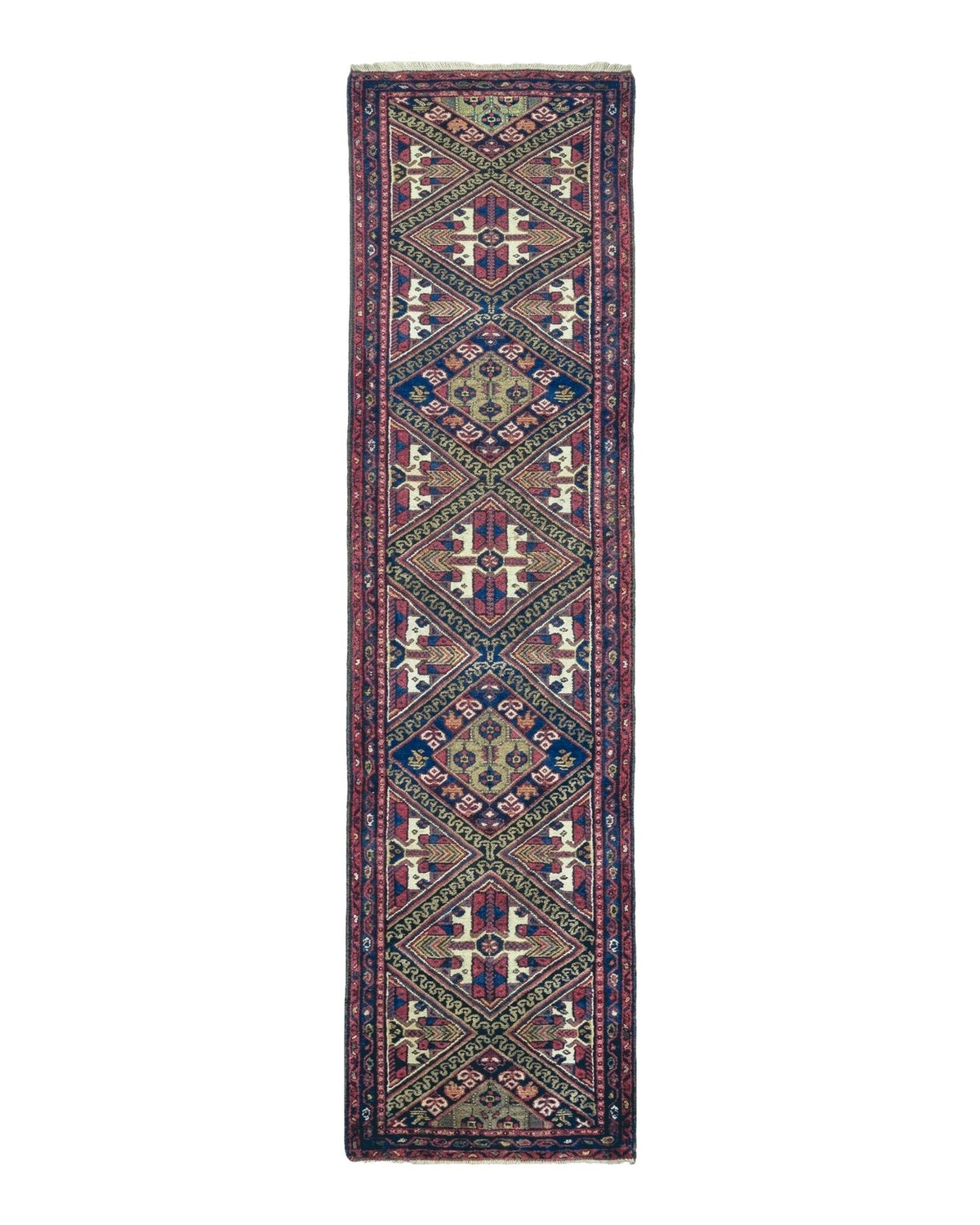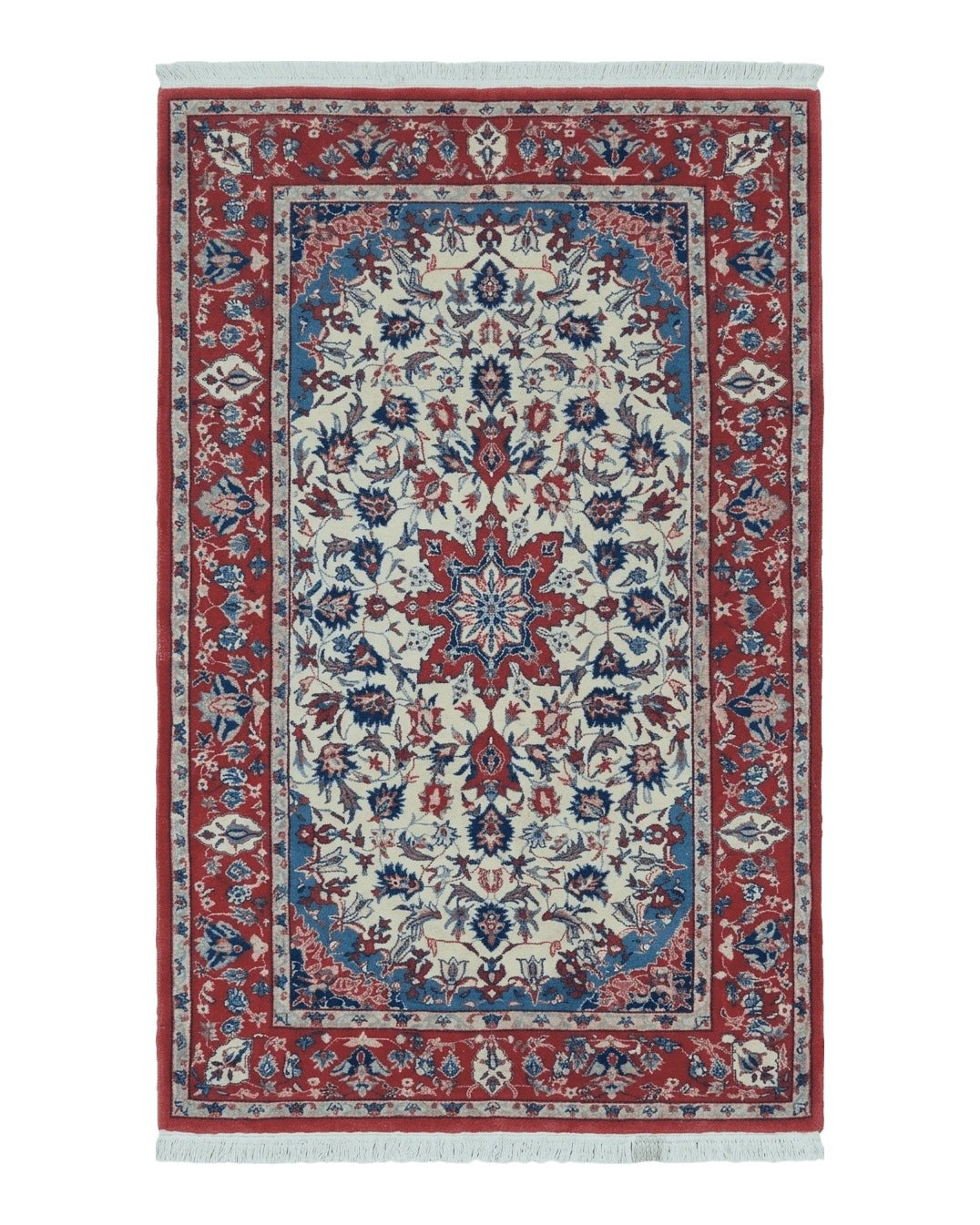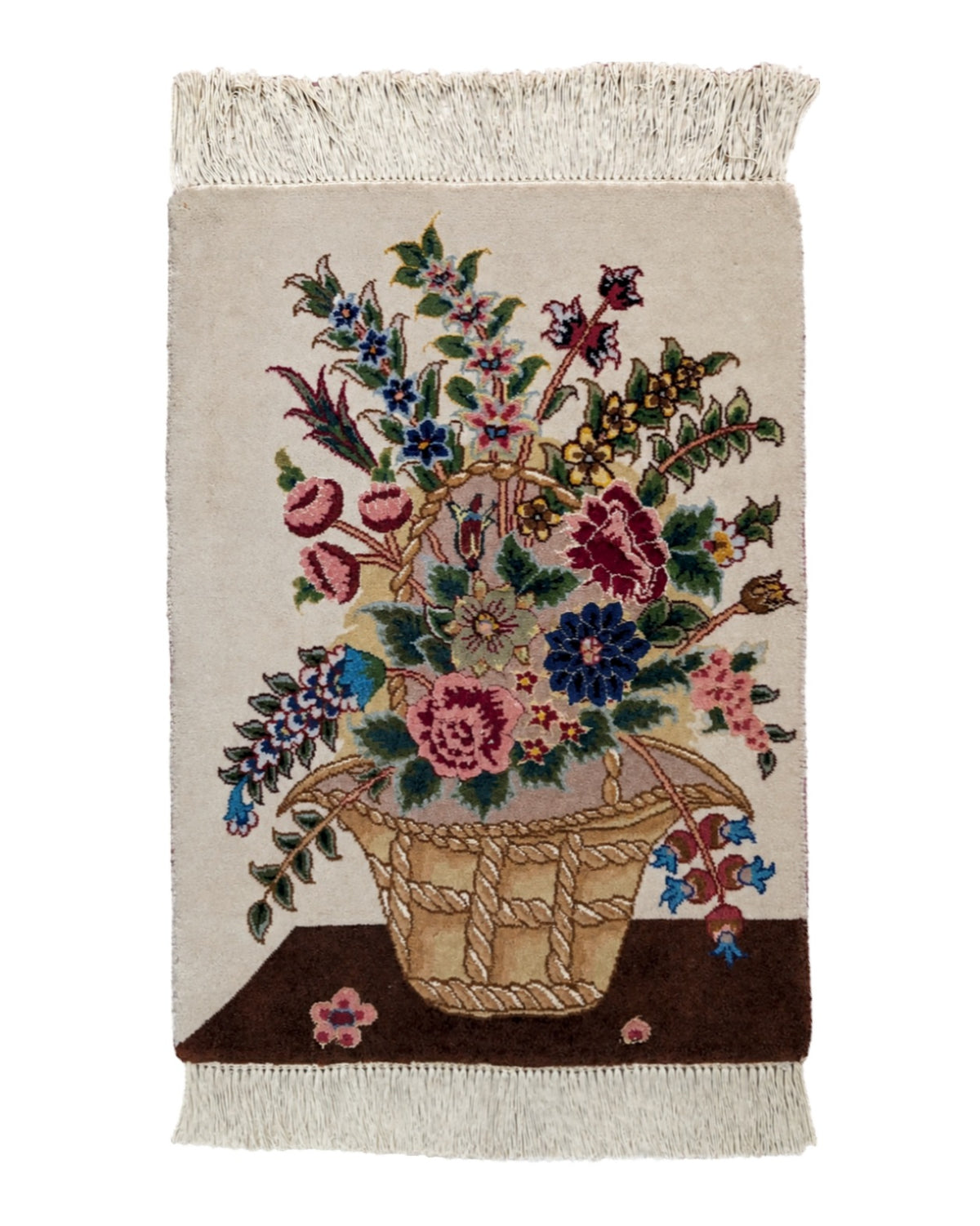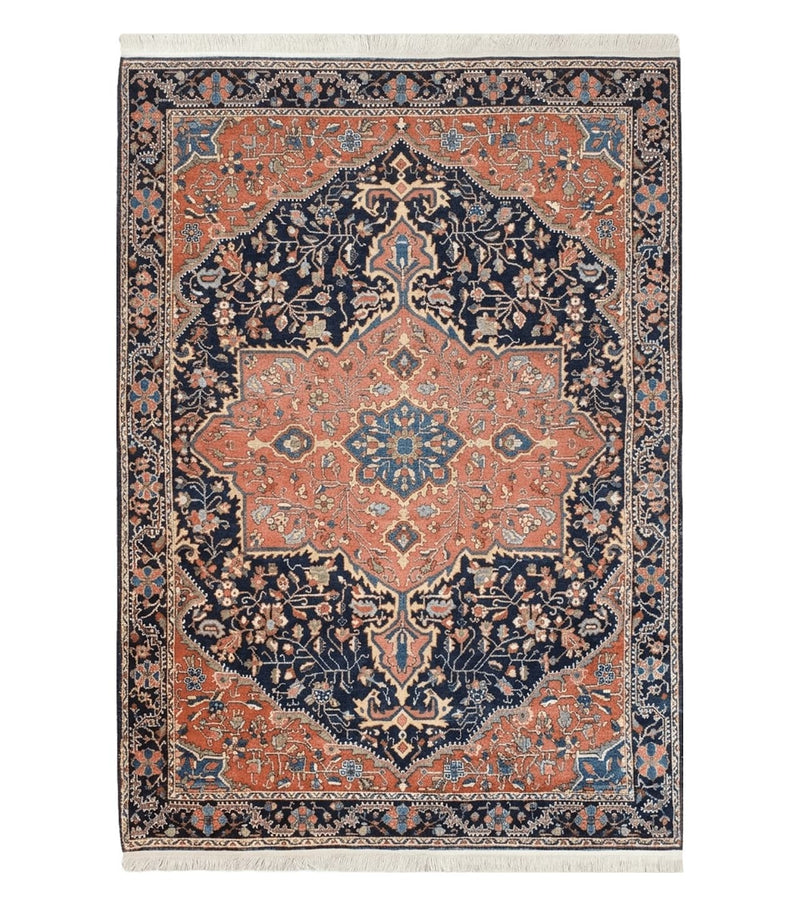


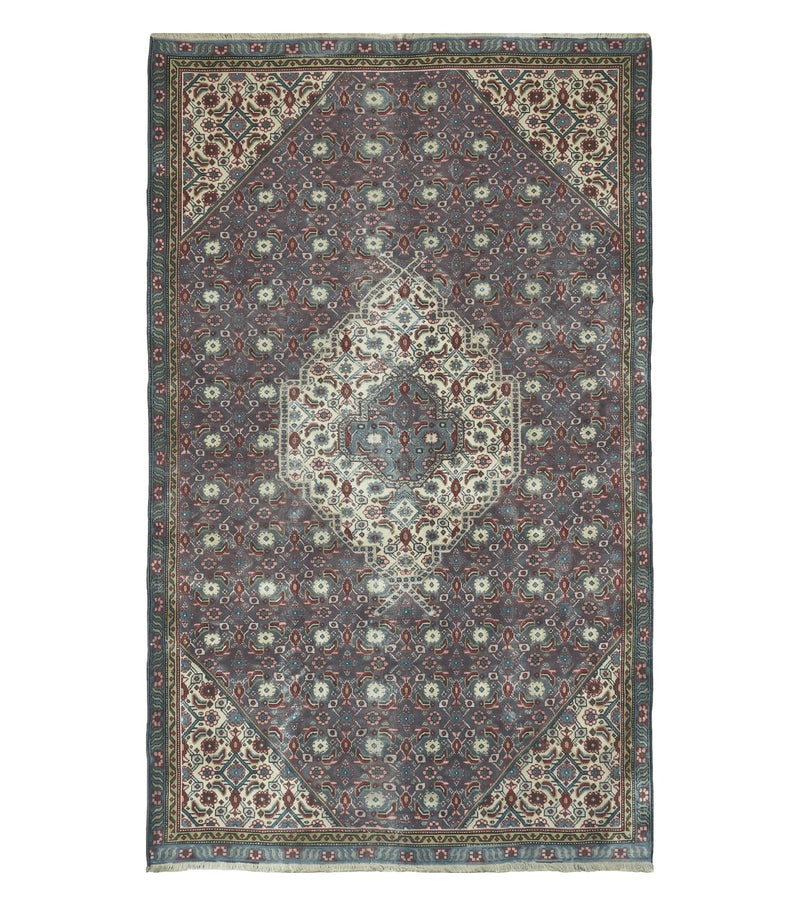


Tehran became the capital of Iran in the late 18th century, and for a time it was also a center of fine rug weaving. Tehran rugs are city rugs with graceful, naturalistic floral designs, often vases, flowering trees and delicate medallions, woven in soft, rich colors. Most date from the late 19th to the mid-20th century, after which weaving in the growing city gave way to other industries. Today they are relatively rare and are valued for their elegance.
| Origin | Tehran and its surrounding area, north-central Iran |
|---|---|
| Tradition | City (workshop) rugs |
| Knot | Asymmetric (Persian) |
| Materials | Wool pile on a cotton foundation |
| Knotting | Fine |
| Typical designs | Vase, tree, prayer and floral medallion designs |
| Main period | About 1880 to 1950 |
History
As the seat of the Qajar court, Tehran attracted craftsmen of all kinds, and workshops in and around the city produced fine rugs for wealthy local buyers and for export. Production was never as large as in Tabriz, Kashan or Kerman, and it declined as the city grew into a modern capital in the 20th century. As a result, genuine Tehran rugs are less common than those of the other great weaving cities.
Designs and colors
Tehran weavers favored designs with a naturalistic, almost botanical quality:
- Vase designs, with flowering branches rising from vases.
- Tree and garden designs, including the tree of life and cypress trees.
- Prayer designs, with an arch and hanging lamp, often in small sizes.
- Delicate floral medallions on open or lightly patterned fields.
Colors are typically soft and harmonious: deep blue, ivory, rose and red, with touches of green and gold. The drawing is curvilinear and refined, similar in quality to Kashan work. See Garden, Panel and Tree of Life Designs.
How to recognize a Tehran
- Naturalistic flowers, often vases, trees or floral sprays.
- Fine asymmetric knotting on a cotton foundation.
- Soft, mellow colors, often with blue, ivory and rose.
- Age: most genuine Tehran rugs are antique or semi-antique.
Tehran and its neighbors
Tehran rugs sit stylistically between the refined city work of Kashan and the later production of Qum, which absorbed many of the region's weavers in the 20th century. See also Persian City Rugs.