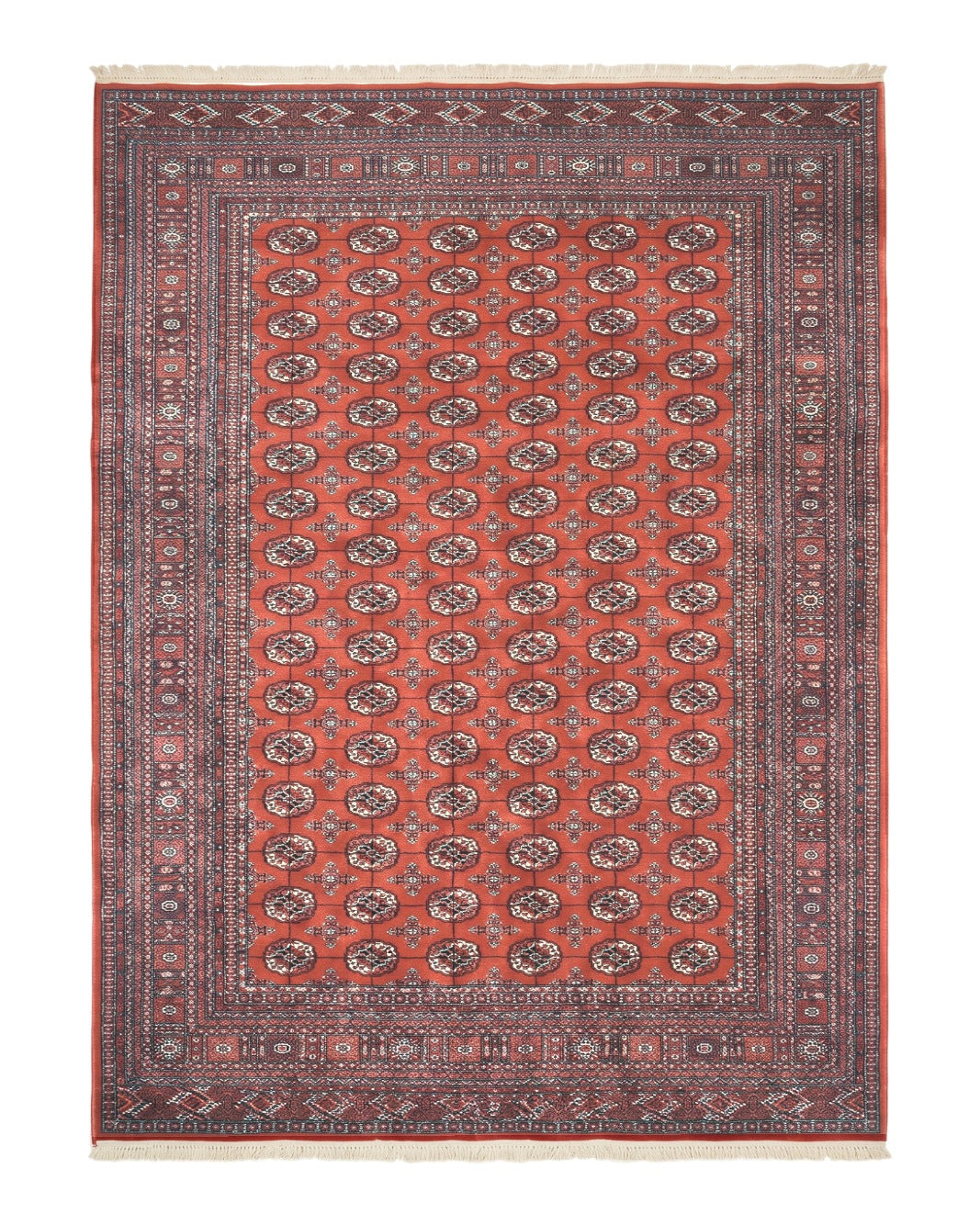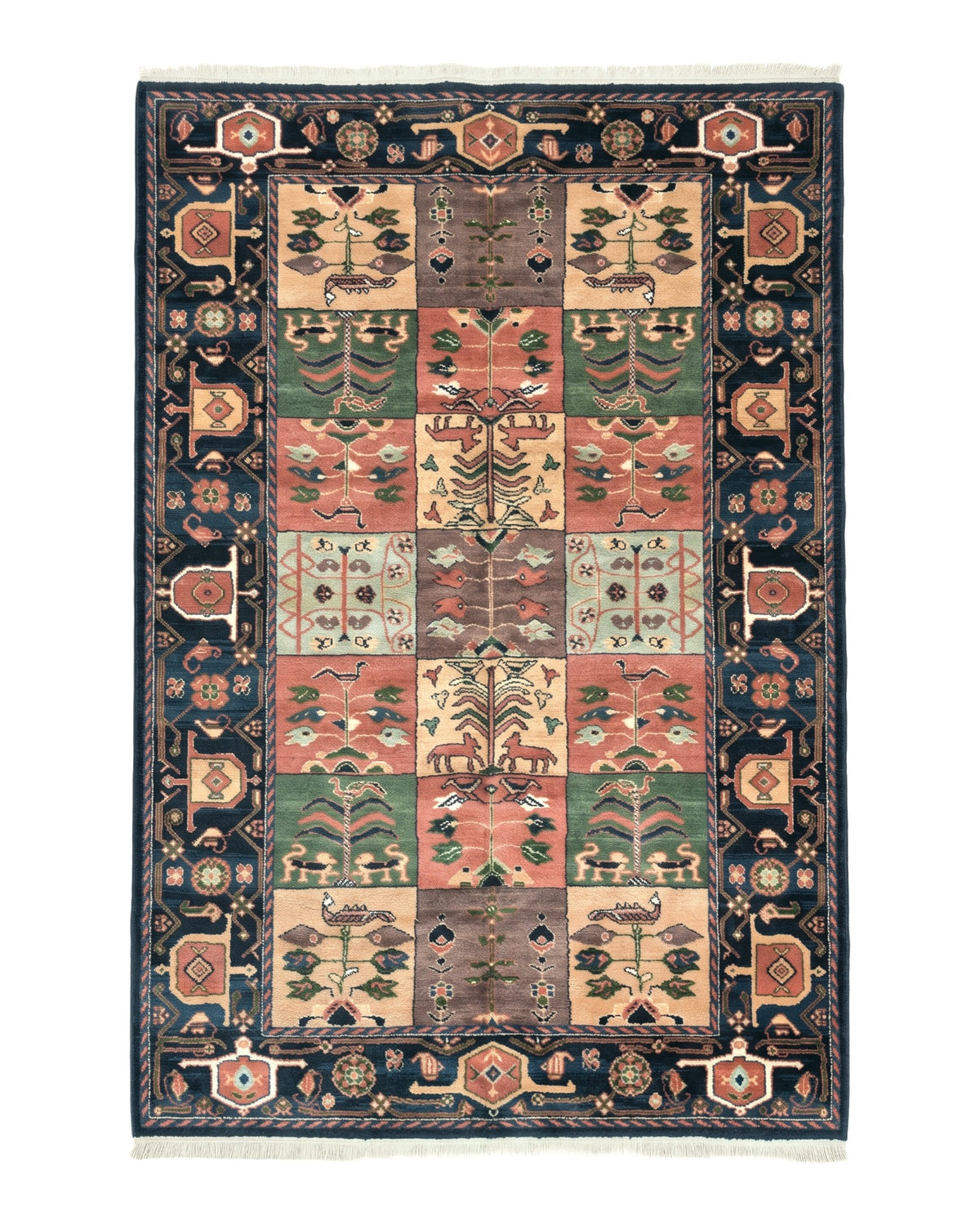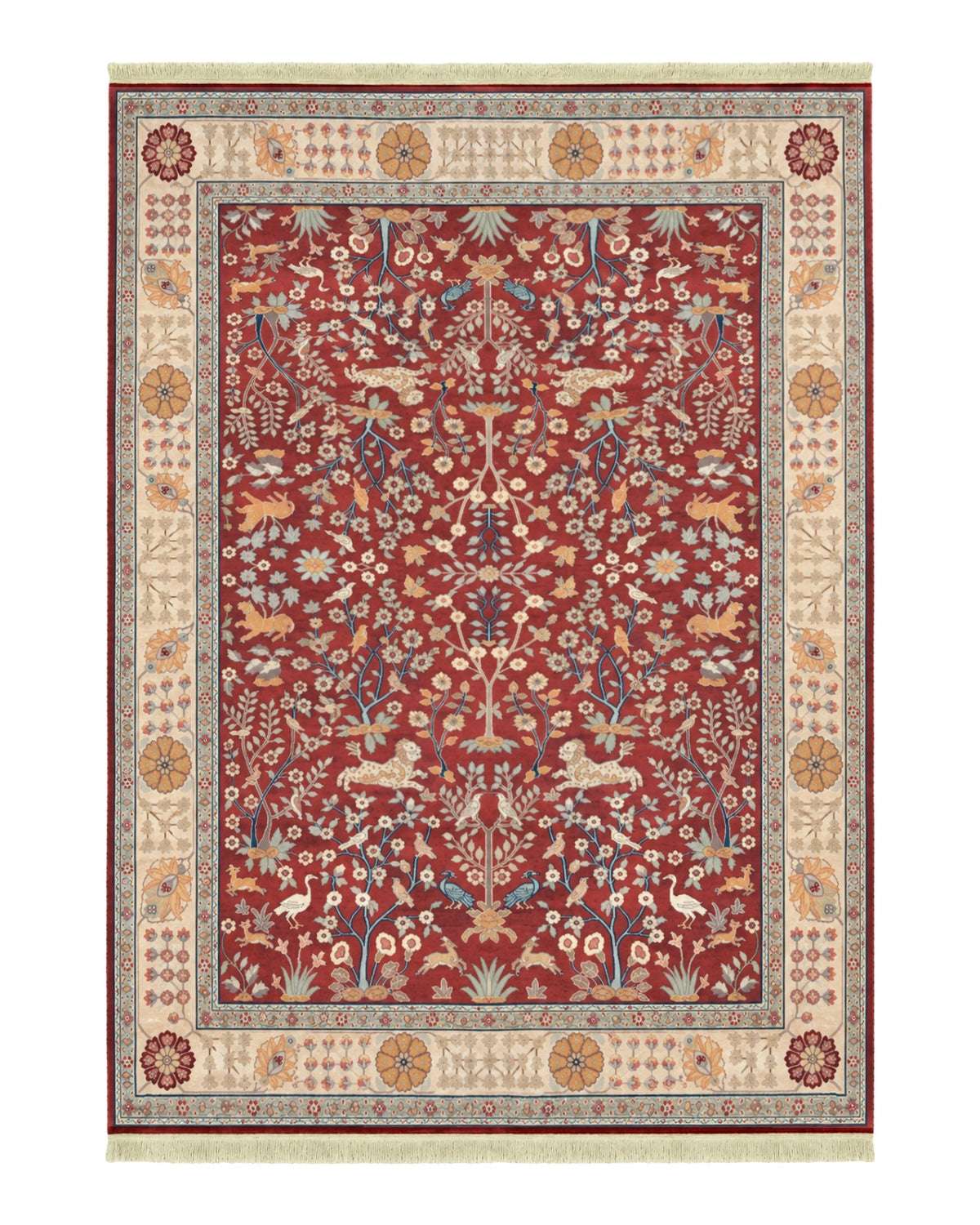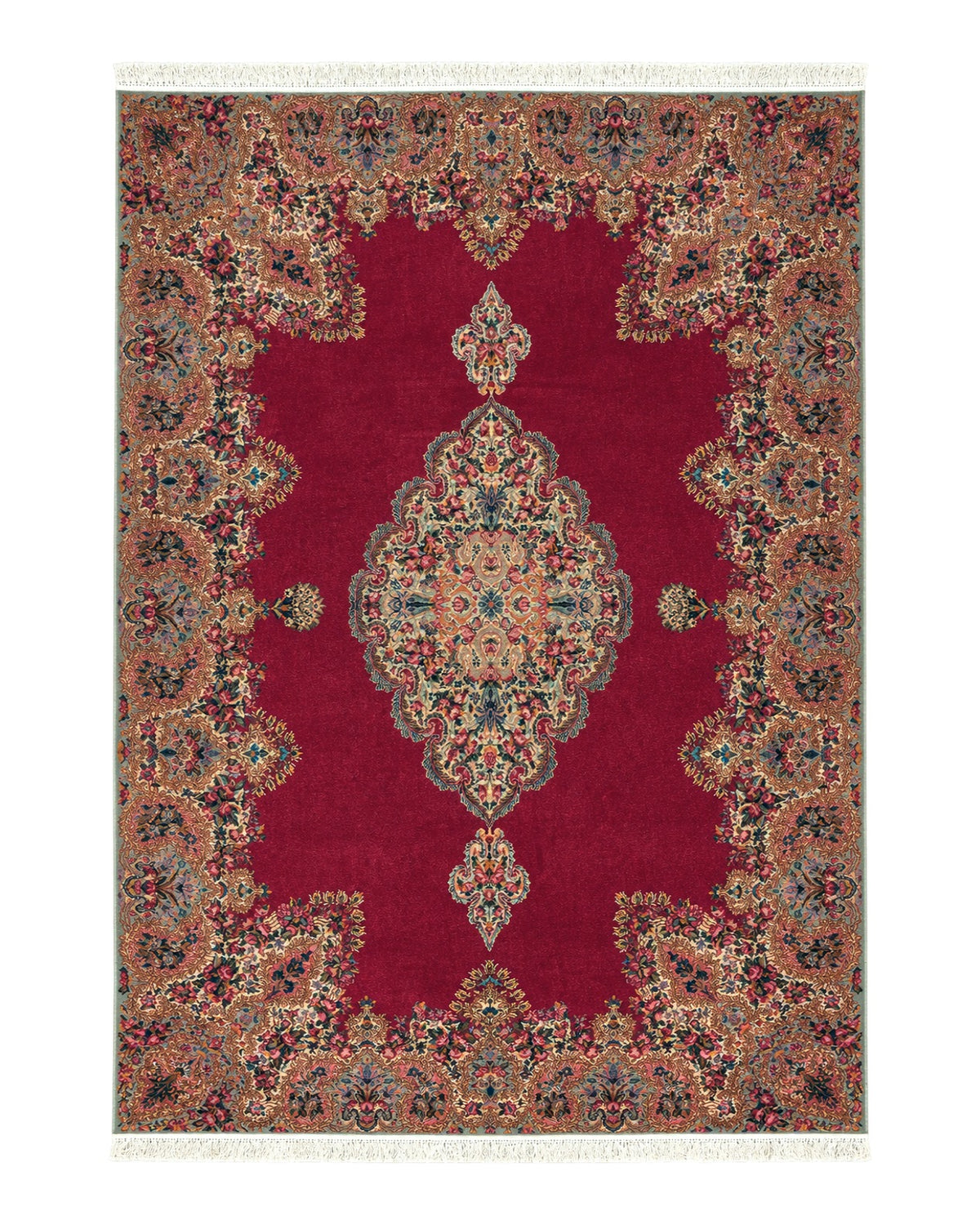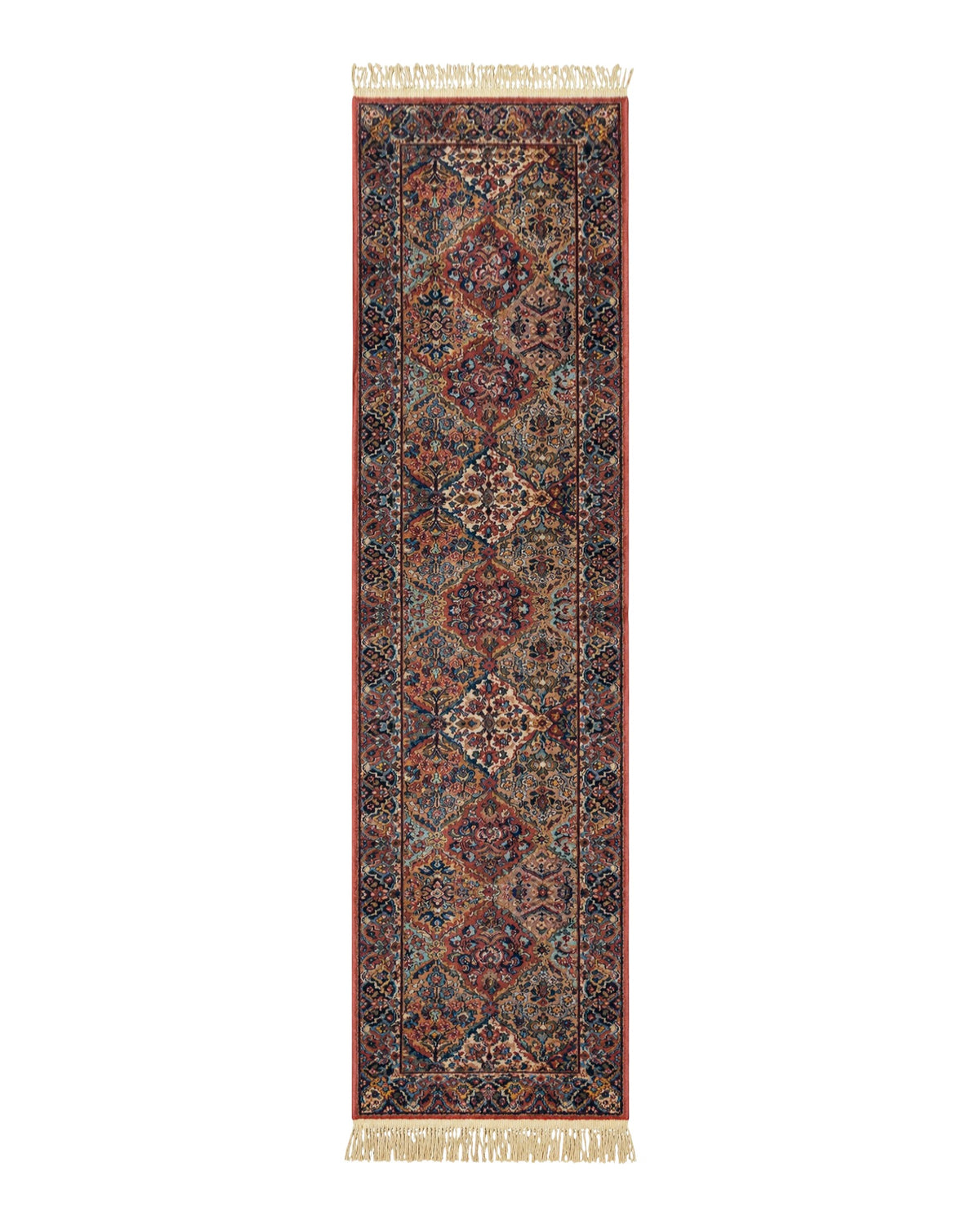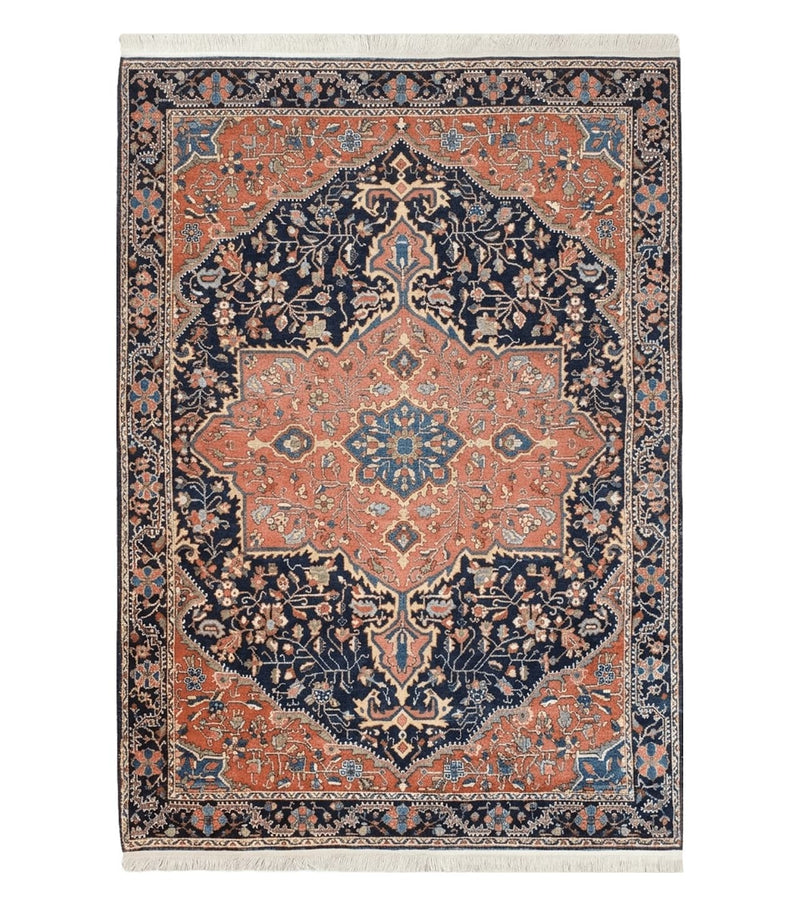


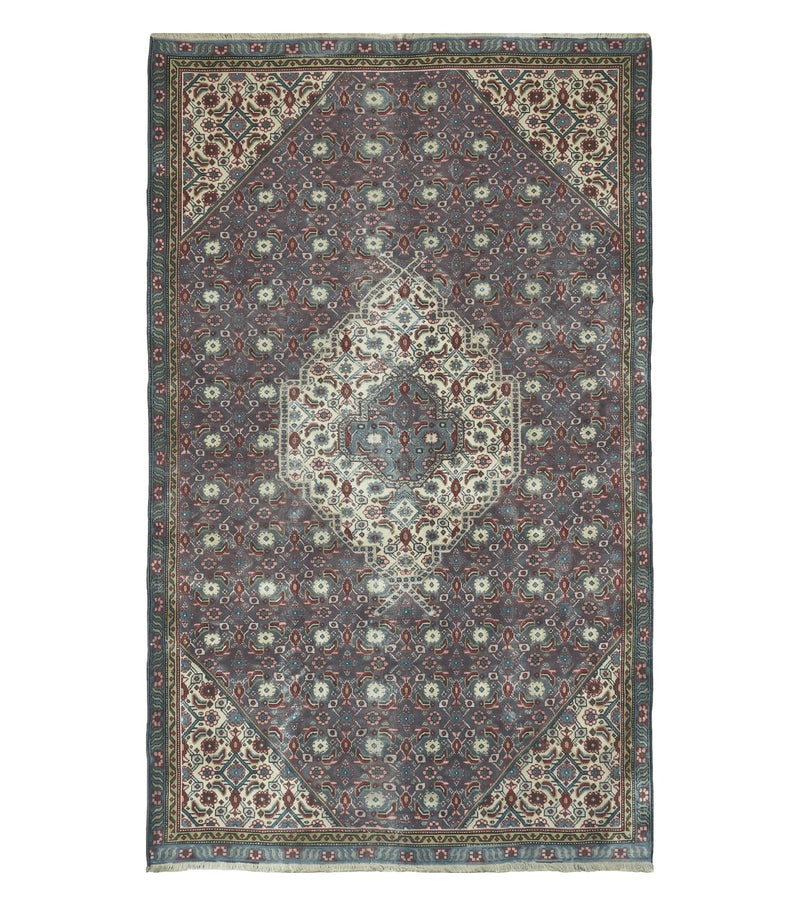


Vintage Karastans have a loyal following, and good examples hold their value well. Prices vary widely, though, from modest sums for a worn rug in a common design to considerably more for an early edition of a classic pattern in a rare size and fine condition. This entry explains the factors that make the difference.
| Most important | Condition |
|---|---|
| Design | Classic and discontinued patterns are most sought after |
| Era | Early editions (1950s and before) are especially prized |
| Size | Rare sizes, runners and large rugs add value |
| Color | Rich, unfaded color with no runs |
Condition
Condition matters more than anything else. A Karastan with a full, even pile, clean colors, intact ends and original sides is worth far more than the same design with worn areas, stains or damage. Look for:
- Pile: even wear, with no bare spots where the foundation shows.
- Color: no fading on one side, no bleeding, no pet stains.
- Ends: fringe secure, or professionally replaced.
- Sides: finish intact, corners lying flat.
- Odor and pests: no musty smell, no moth damage.
Design
Some patterns are more sought after than others. The #717 Multicolor Panel Kirman is the best known of all, and the Red Medallion Kirman (#762), Red Sarouk (#785) and Ivory Sarouk (#760) are perennial favorites. Less common designs, such as the #723 Persian Hunting or the #732 Chinese Tianjin, turn up far less often and appeal to collectors looking for something unusual.
Era
Many Karastan designs were made for decades. In general, early editions woven in the 1950s or before, which the trade calls antique Karastans, are the most prized for their wool and their mellowed color. Later vintage rugs are excellent, practical rugs and usually cost less. See How to Identify and Date a Vintage Karastan.
Size
Room-size rugs in popular designs are the most common. Large 10' x 14' rugs, runners, wide runners and very small rugs were made in smaller numbers and are harder to find, which can raise their value. See Karastan Sizes and Runners.
Color
Within a design, color matters. Rich, even color is valued; a rug that has faded unevenly in sunlight, or whose colors have run after a flood or a poor cleaning, is worth much less. Some designs were also made in unusual colorways, such as a blue Kirman, which can make a rug stand out.
Why vintage Karastans are sought after
Karastan's wool rugs were woven in Eden, North Carolina, from 1928 until 2021. Now that wool weaving there has ended, the supply of these rugs is fixed. Their durability, classic designs and American heritage keep them in demand with decorators, collectors and families replacing a rug they grew up with. See The History of Karastan and What Determines a Rug's Value.