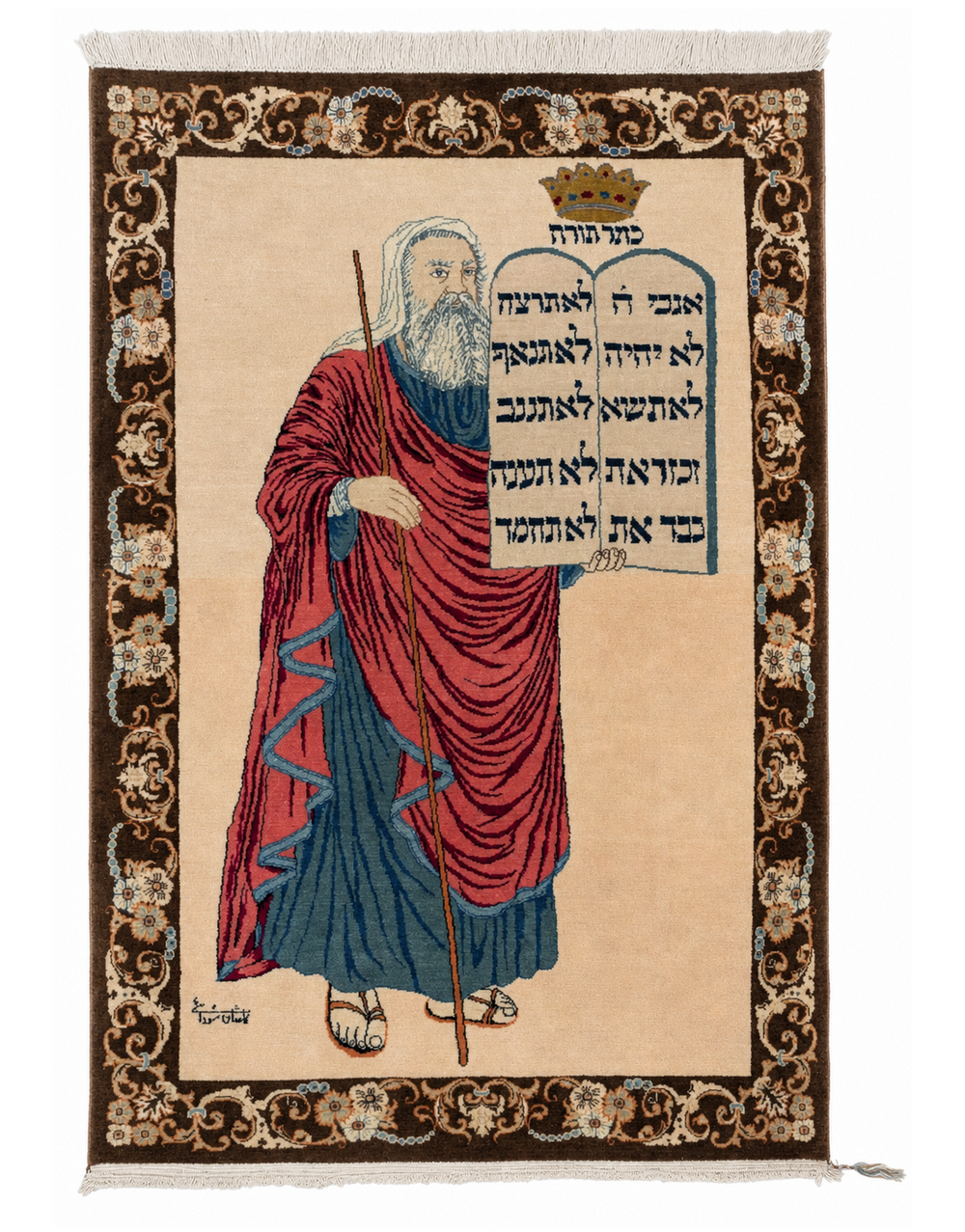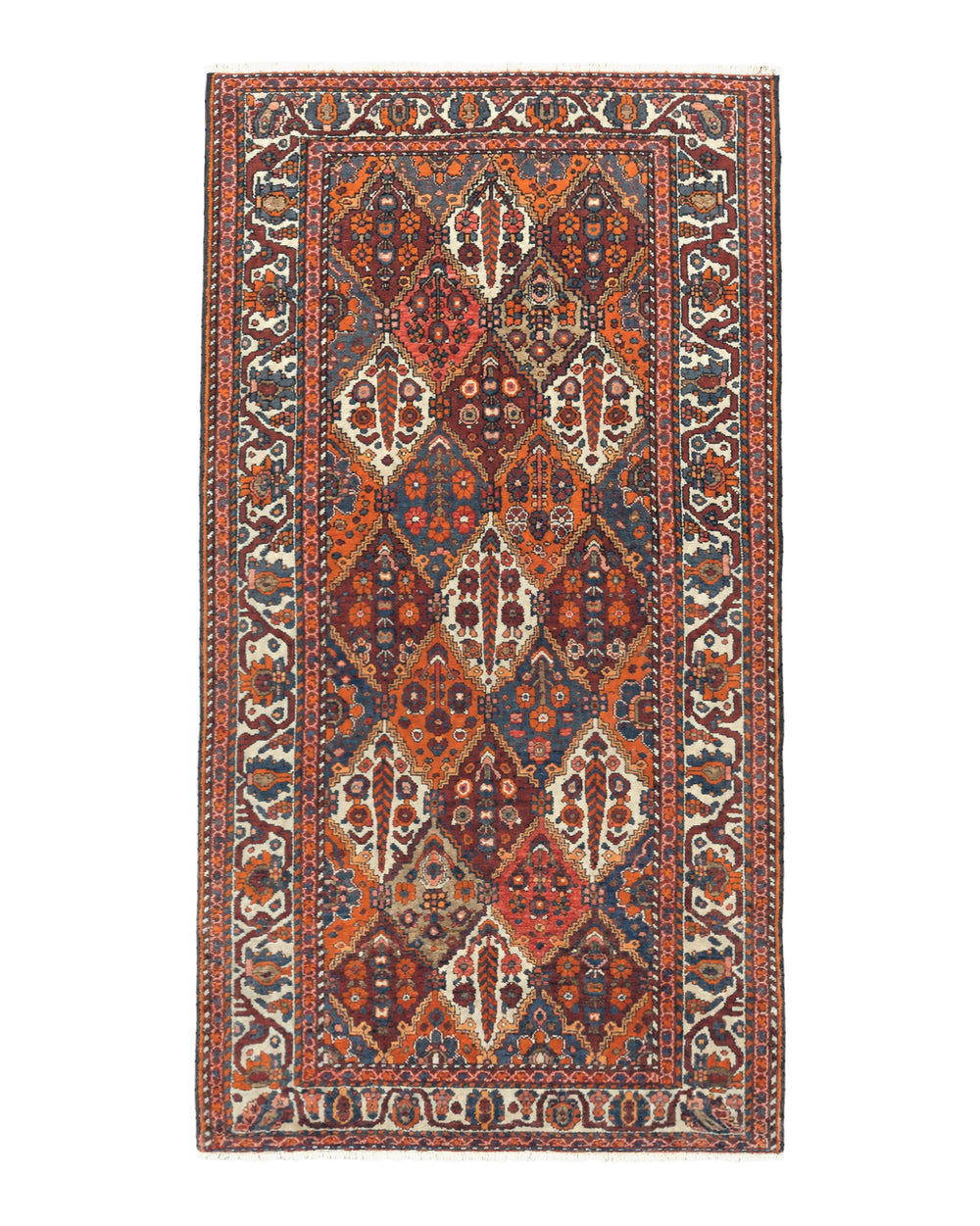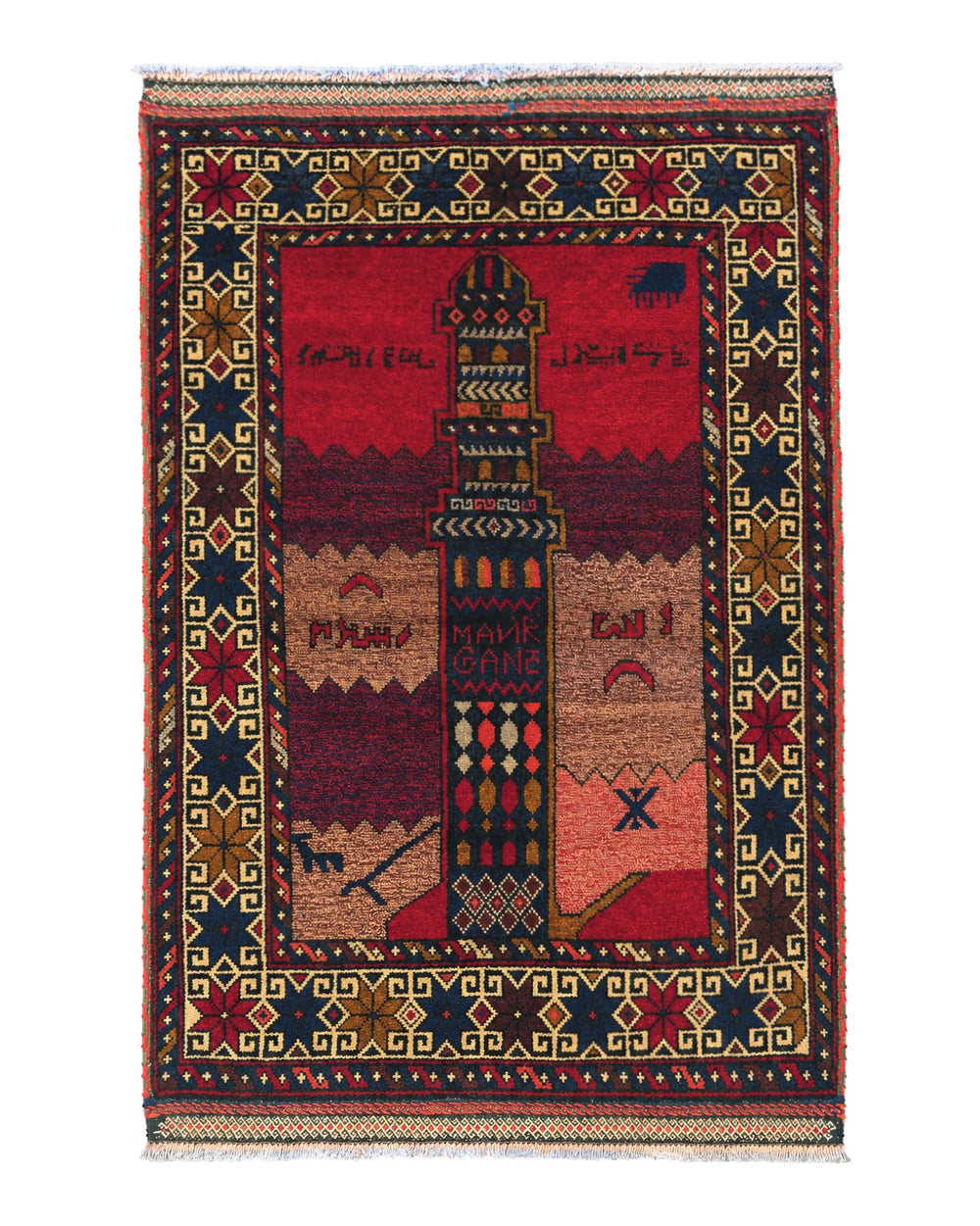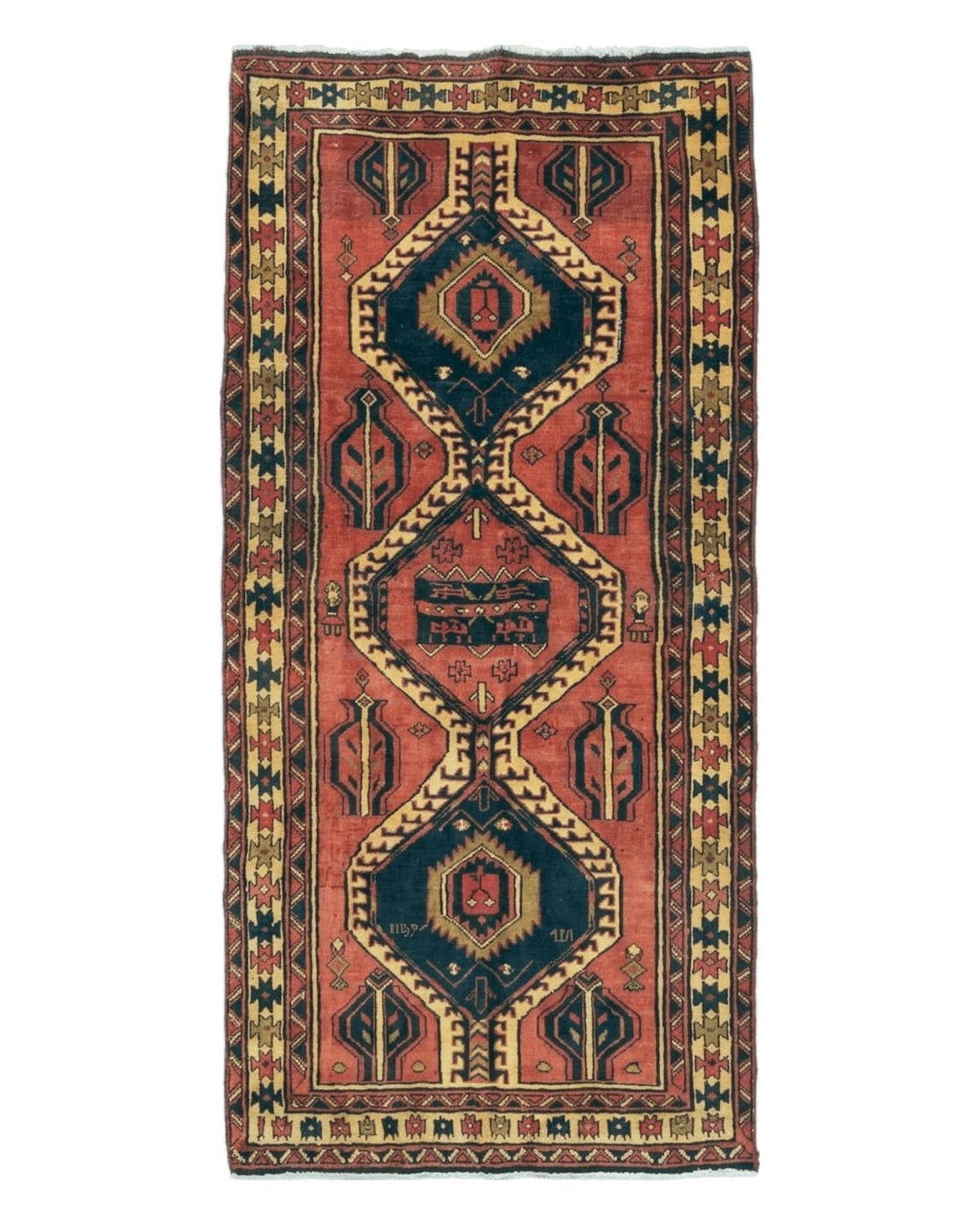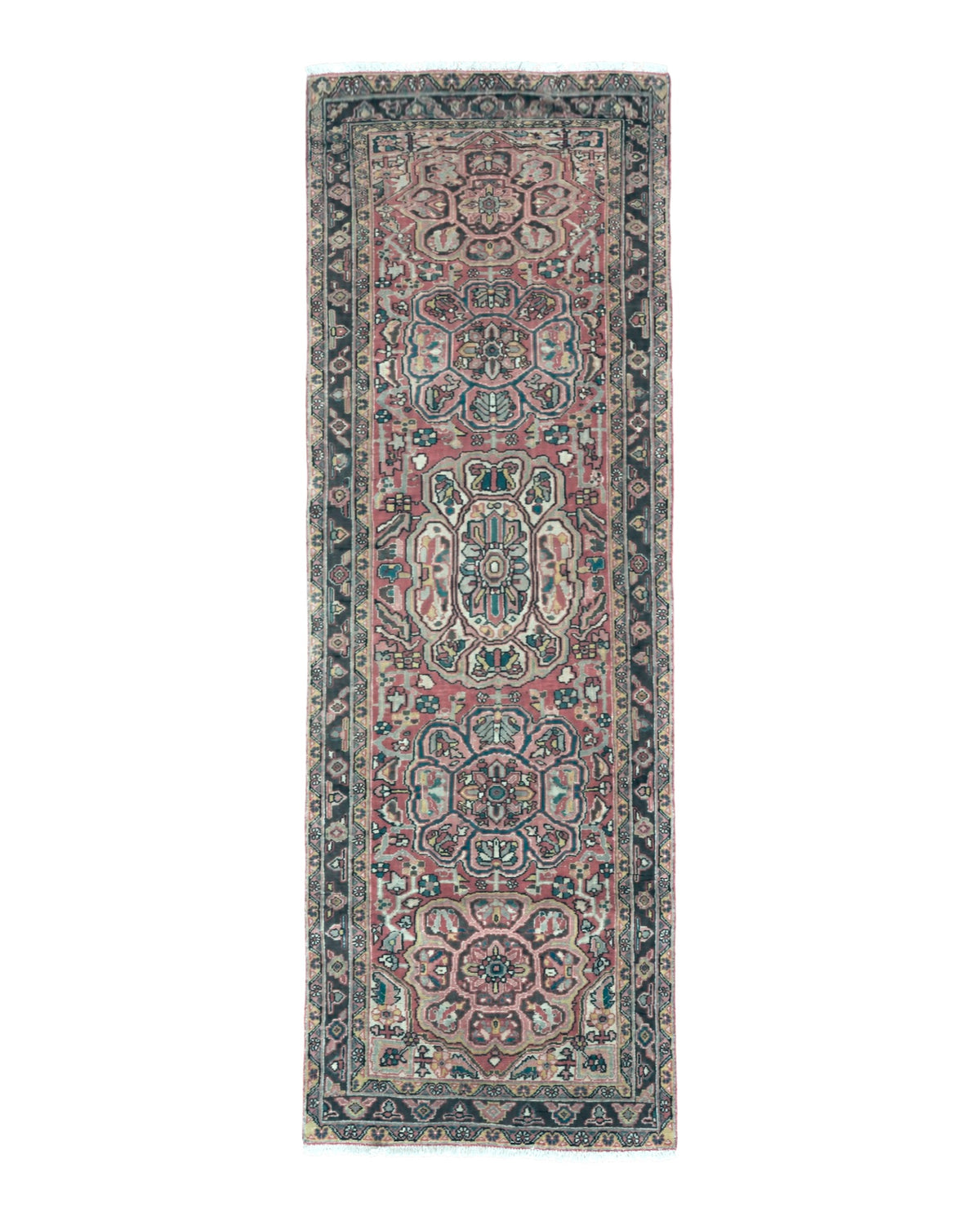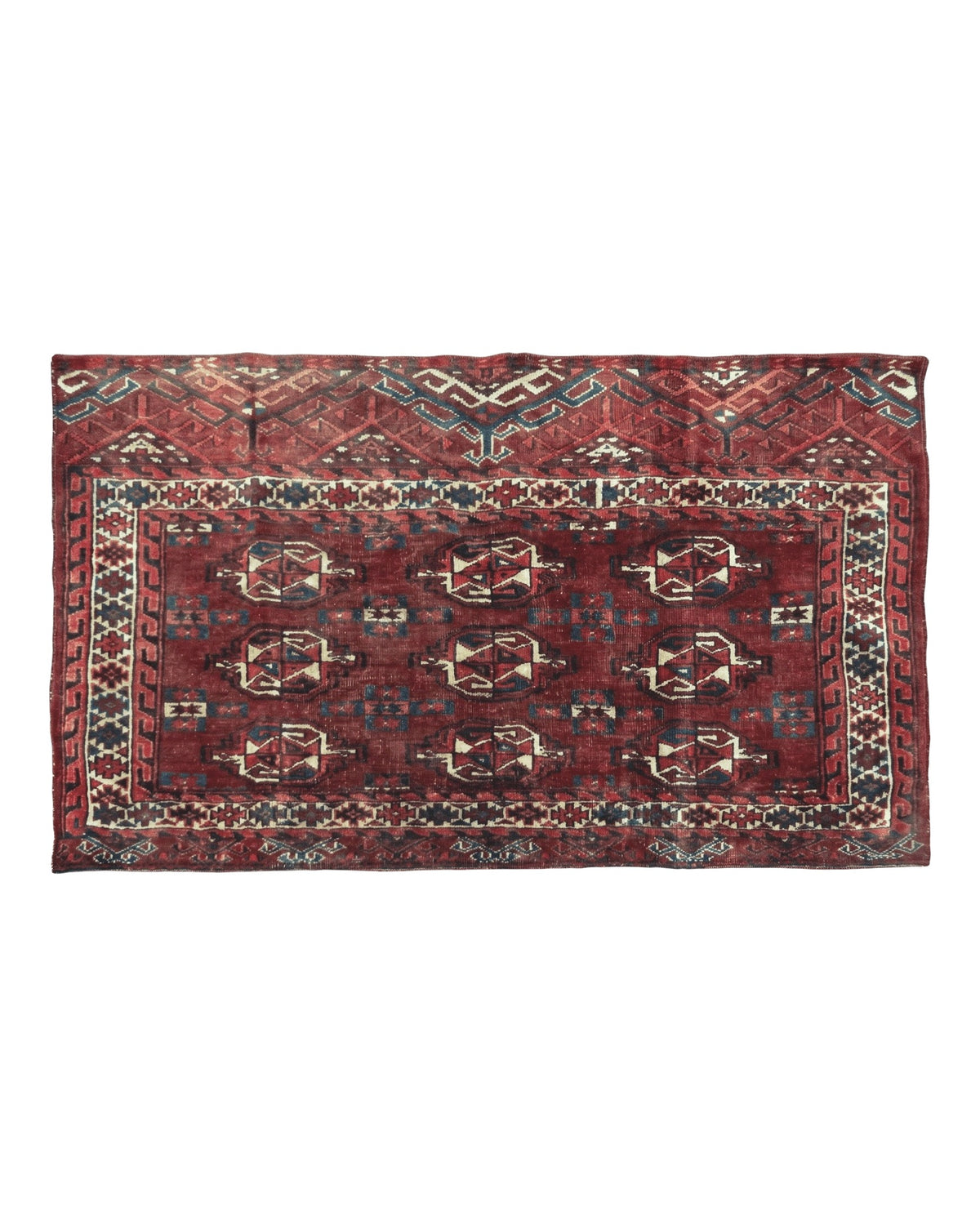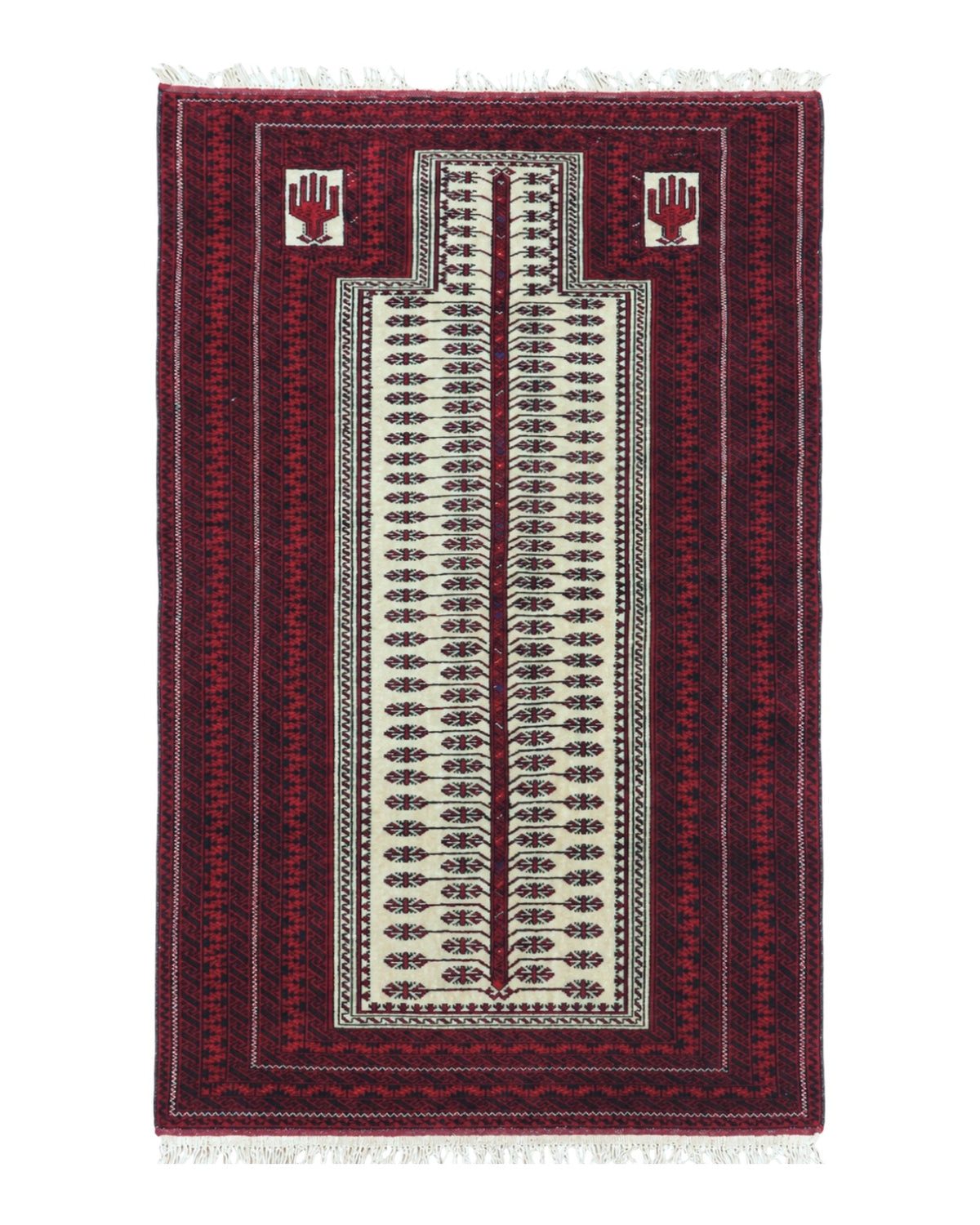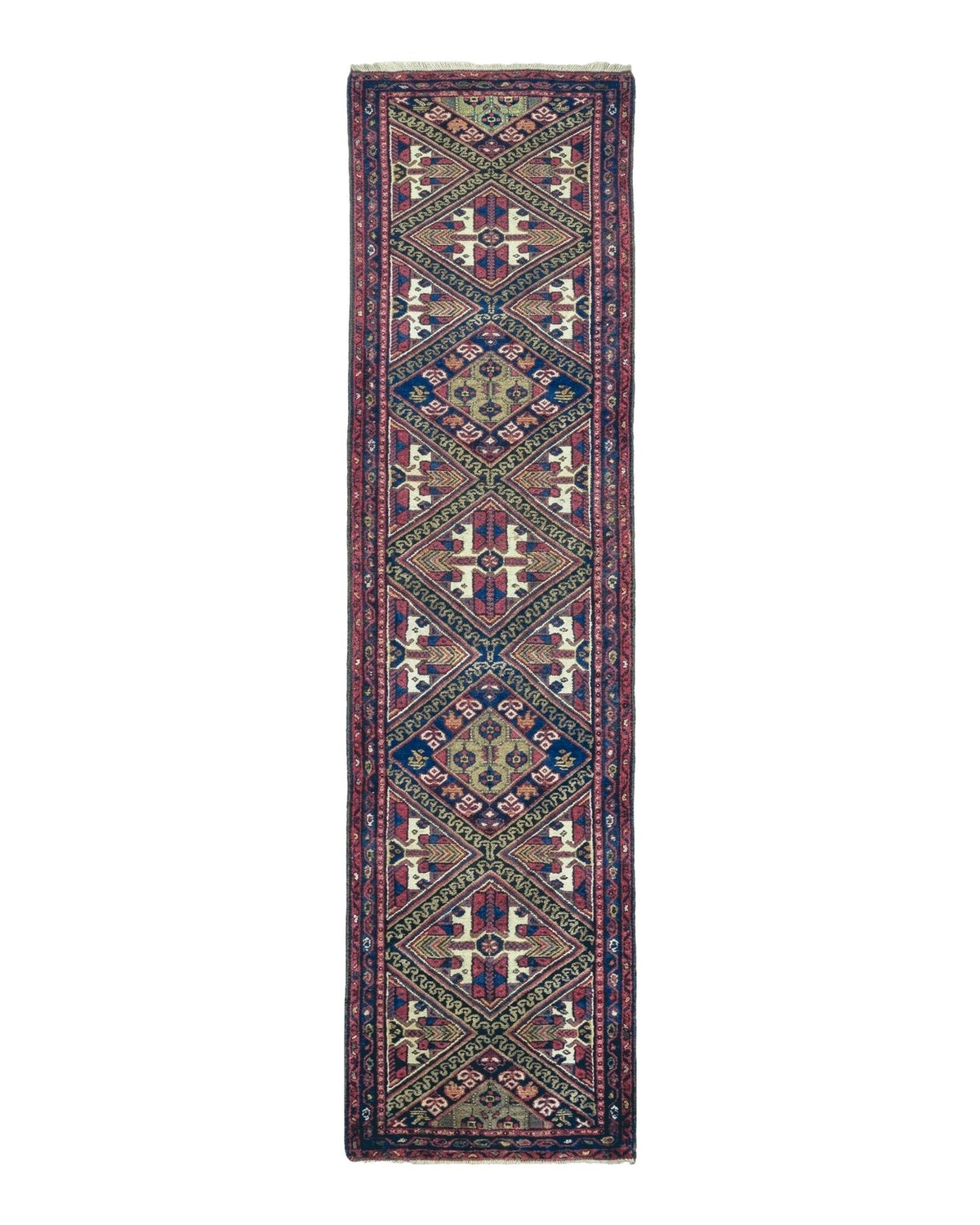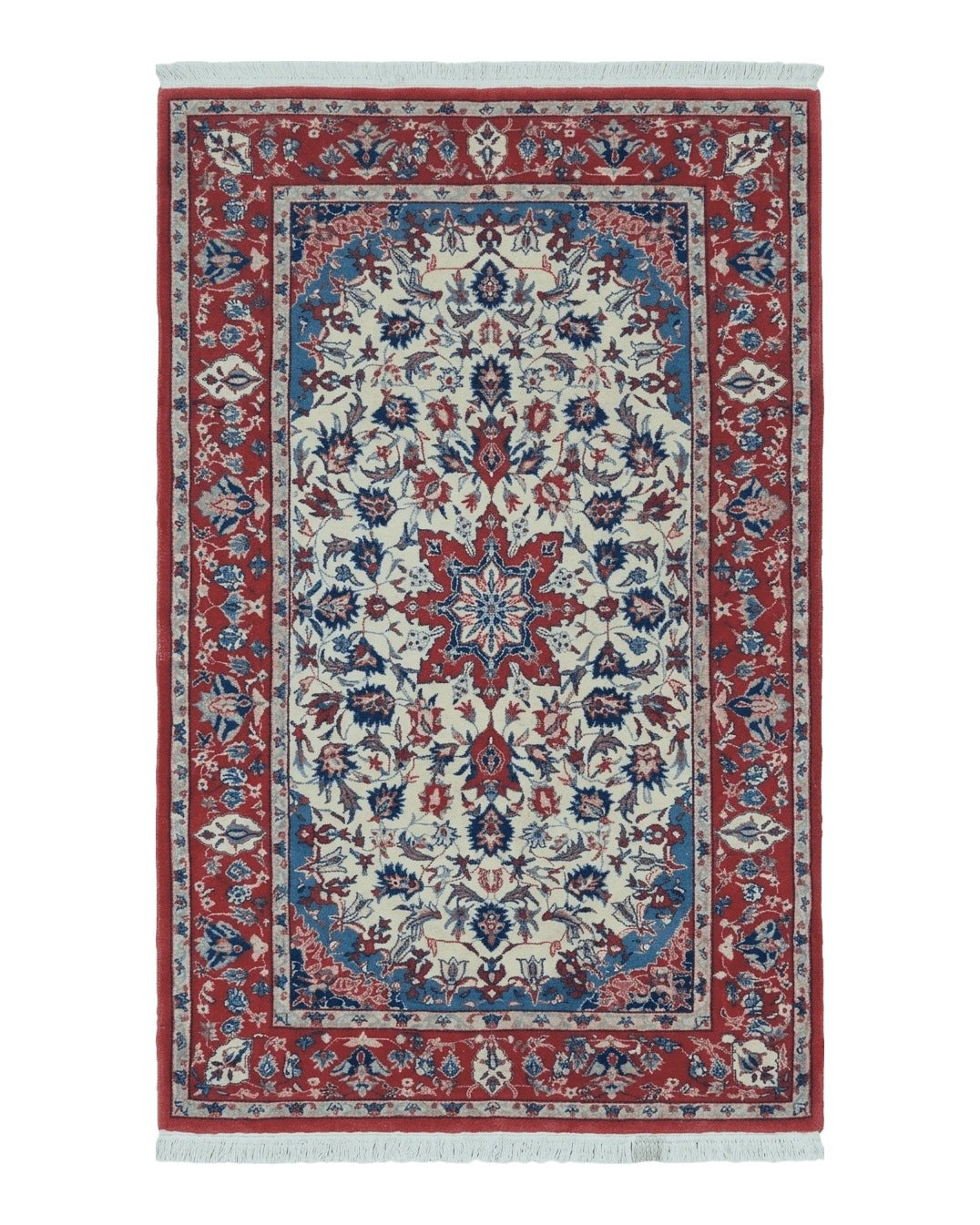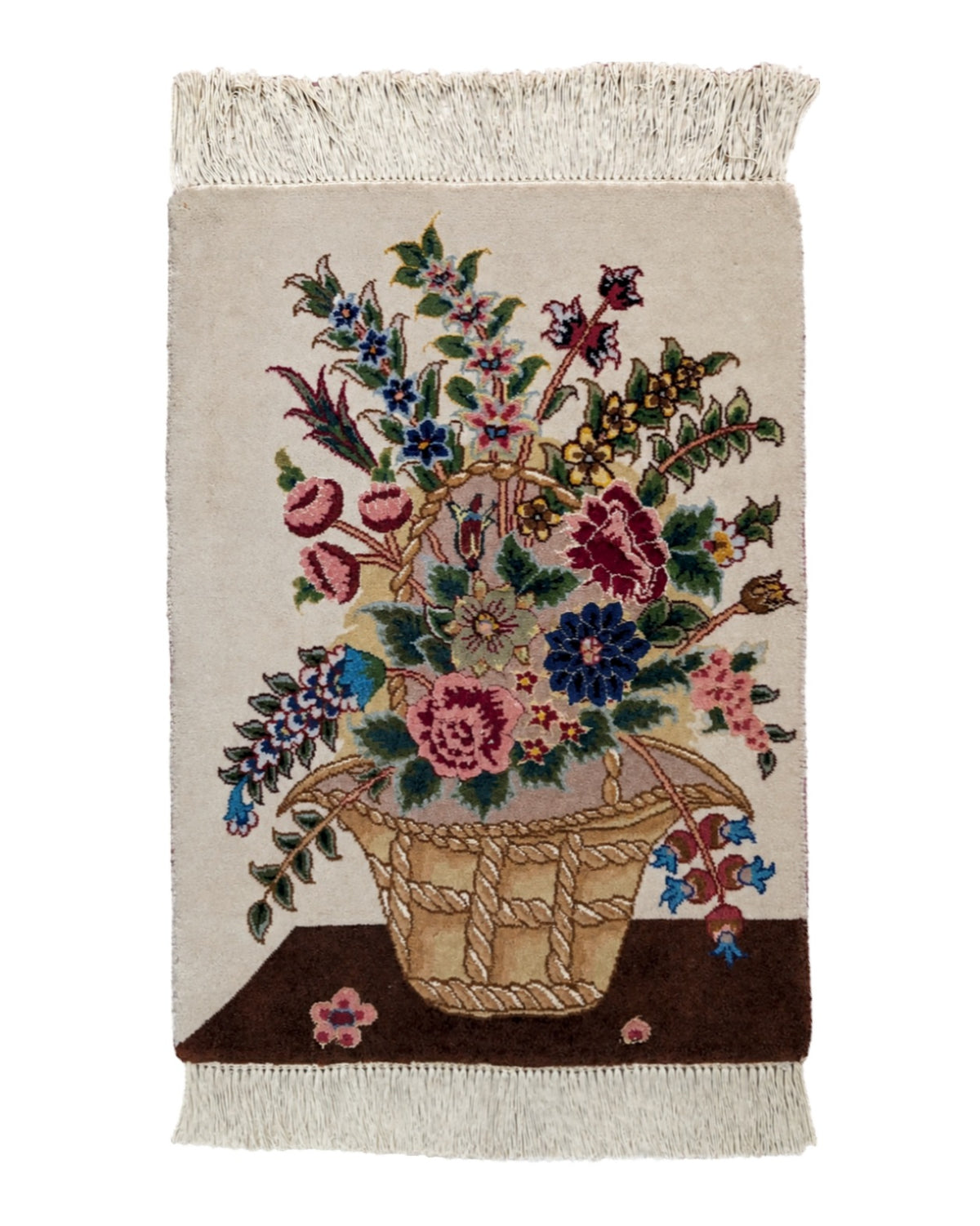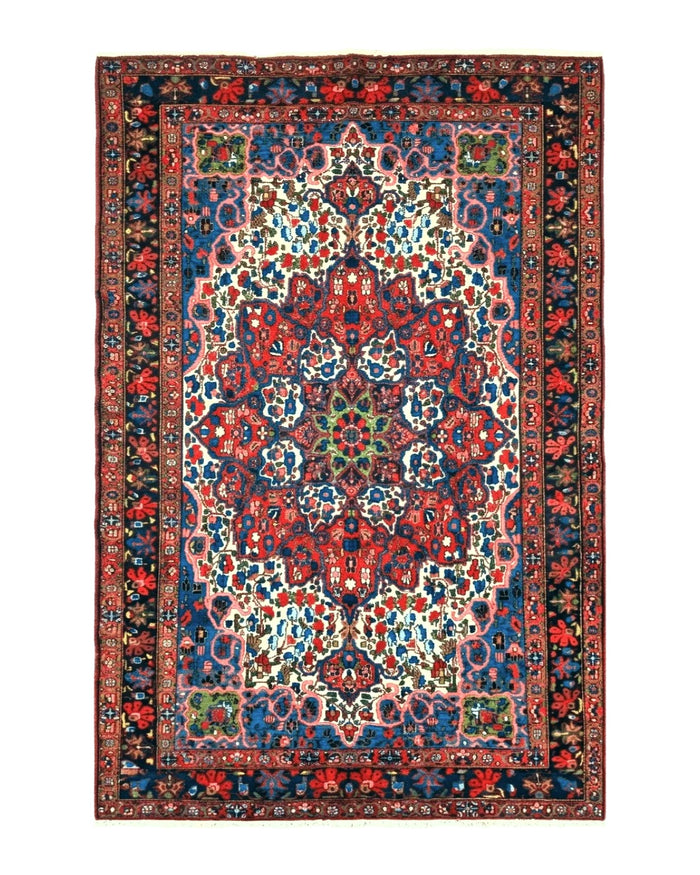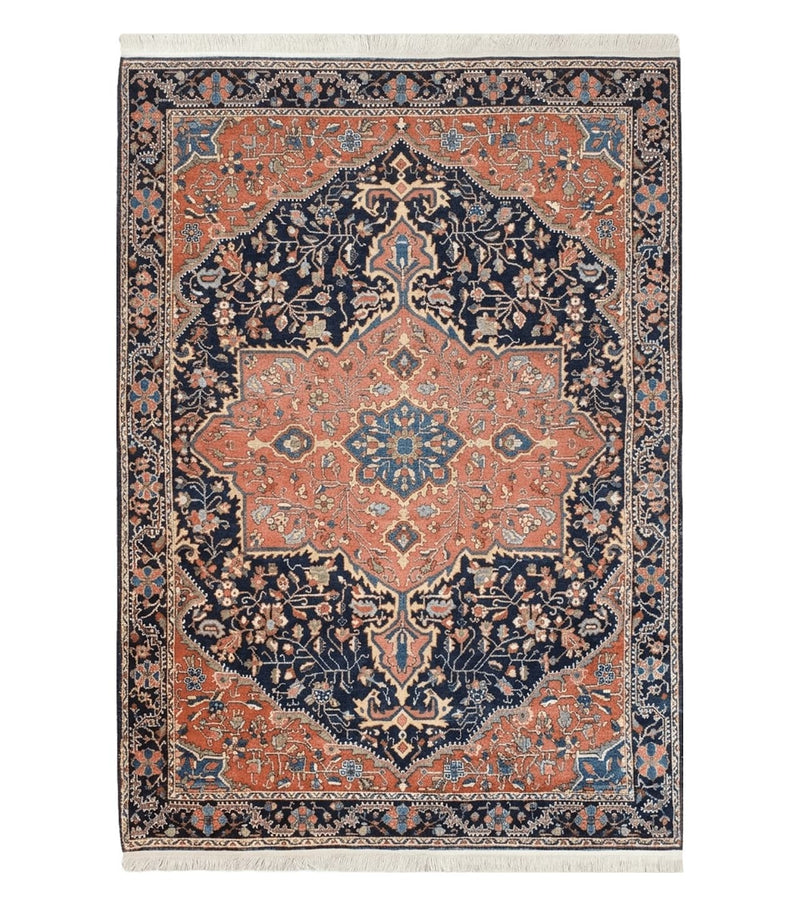


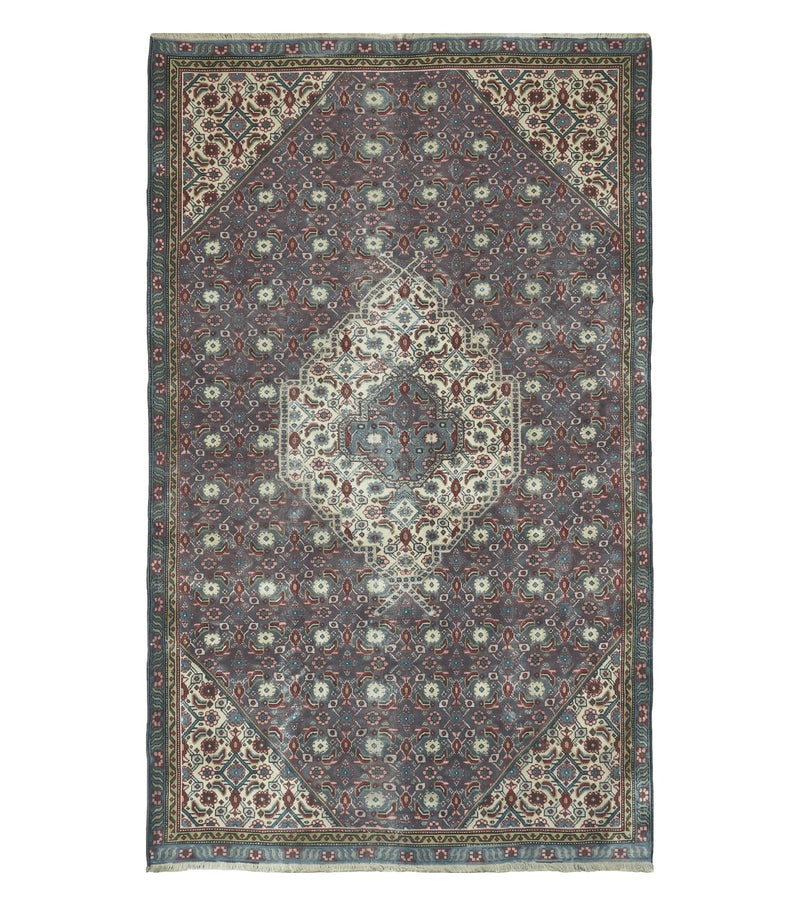


Every Persian rug comes from one of three weaving traditions: city, village or tribal. The tradition shapes almost everything about a rug: who wove it, whether it followed a drawing, how fine the knotting is, what the designs look like and what it is made of. Knowing which tradition a rug belongs to is the quickest way to understand it.
| City | Village | Tribal | |
|---|---|---|---|
| Woven by | Professional weavers in workshops | Families at home | Nomadic and semi-nomadic tribes |
| Design source | A drawn plan (cartoon) by a designer | Memory and local tradition | Memory, passed down within the tribe |
| Typical designs | Curvilinear florals, detailed medallions | Bold, angular medallions and repeats | Geometric motifs, animals, symbols |
| Knotting | Fine to very fine | Medium to coarse | Coarse to medium |
| Foundation | Cotton, sometimes silk | Mostly cotton | Usually wool |
| Loom | Large fixed vertical loom | Fixed vertical loom | Portable horizontal ground loom |
| Character | Refined, precise, symmetrical | Sturdy, bold, practical | Spontaneous, personal, expressive |
City rugs
City rugs are woven in workshops in Iran's great weaving cities, such as Tabriz, Kashan, Isfahan, Nain, Qum and Kerman. A designer draws the whole pattern on squared paper, called a cartoon, where each square stands for one knot. Professional weavers then follow it exactly, which allows intricate, flowing designs: curling vines, palmettes, detailed medallions and perfectly matching corners.
City rugs are usually the most finely knotted Persian rugs, often with a cotton foundation and wool pile, sometimes with silk highlights or woven entirely in silk. They suit formal rooms and anyone who loves detail and balance.
Read more in Persian City Rugs.
Village rugs
Village rugs are woven at home by families in villages, often across a whole district that shares a style, as in the Heriz, Hamadan and Bidjar areas. Weavers usually work from memory or from an older rug, without a drawn plan. The result is a bolder, more geometric version of the classic Persian designs: large angular medallions, simplified floral motifs and strong, saturated color.
Village rugs are generally more coarsely knotted than city rugs, but they are often thicker and extremely durable. Many were made for use in the weaver's own home, which is one reason they wear so well in busy rooms today.
Read more in Persian Village Rugs.
Tribal rugs
Tribal rugs are woven by nomadic and semi-nomadic peoples such as the Qashqai, Bakhtiari, Afshar and Baluch. Nomadic weavers use horizontal looms laid on the ground that can be taken apart and moved with the camp, so rugs are generally smaller. The wool comes from the tribe's own sheep and goats, so both the pile and the foundation are often wool.
Designs are passed down within each tribe and woven from memory: stylized animals, birds, stars, and geometric medallions, often with charming irregularities where the weaver changed her mind or ran short of a color. Tribal rugs are prized for their individuality and natural color.
Read more in Persian Tribal Rugs.
Village rugs vs. city rugs
Most questions come down to village or city, since these are the two traditions most buyers choose between. In short:
- Look: city rugs are precise and curvilinear, with refined floral designs; village rugs are bolder and more angular, with a hand-drawn liveliness.
- Weave: city rugs are finer and usually have a shorter pile; village rugs are coarser, with a thicker, sturdier pile.
- Durability: both last for generations, but village rugs are especially forgiving in busy rooms, hallways and family homes.
- Setting: city rugs suit formal living and dining rooms; village rugs suit relaxed, traditional and farmhouse rooms, and mix easily with modern furniture.
- Price: at the same size and age, fine city rugs generally cost more, because they take far longer to weave.
See Persian City Rugs and Persian Village Rugs.
How to tell them apart
- Look at the lines. Smooth curves and fine detail point to a city rug. Straight lines, stepped edges and large shapes point to a village or tribal rug. See Geometric vs. Curvilinear Designs.
- Check the symmetry. City rugs match closely from side to side and end to end. Village and tribal rugs often vary: a border that changes at a corner, or a motif that is a little different each time.
- Feel the back. Many small, tight knots mean a finely knotted rug, usually from a city. Larger, chunkier knots suggest a village or tribal rug.
- Look at the fringe and sides. White cotton fringe suggests a cotton foundation (city or village). Wool fringe and sides, often brown or ivory, are typical of tribal rugs.
Which is right for you?
None of the three is "better"; they are different kinds of beauty. City rugs bring refinement and detail. Village rugs bring boldness and durability, and are a favorite for living rooms and dining rooms. Tribal rugs bring warmth and personality, and look as good in a modern interior as a traditional one. Many collectors end up with all three.